



Antique Glazed Hutch
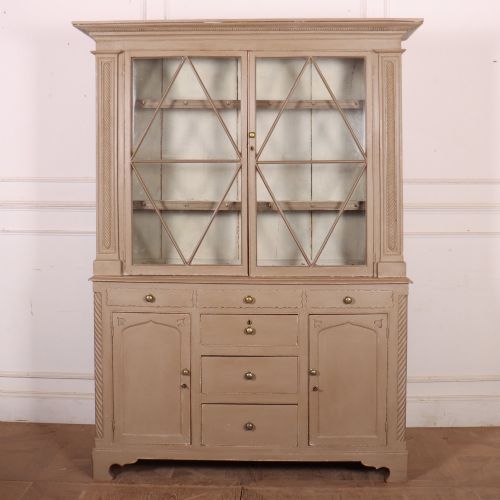
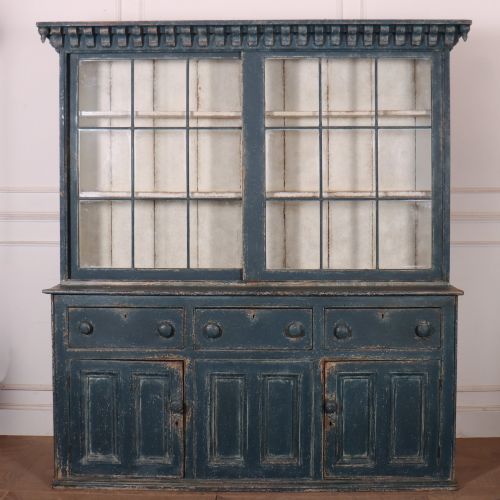
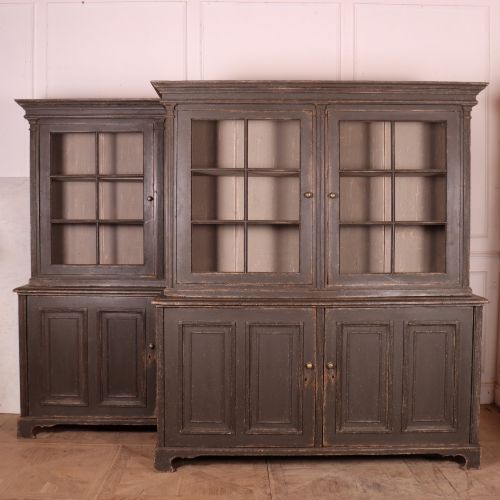
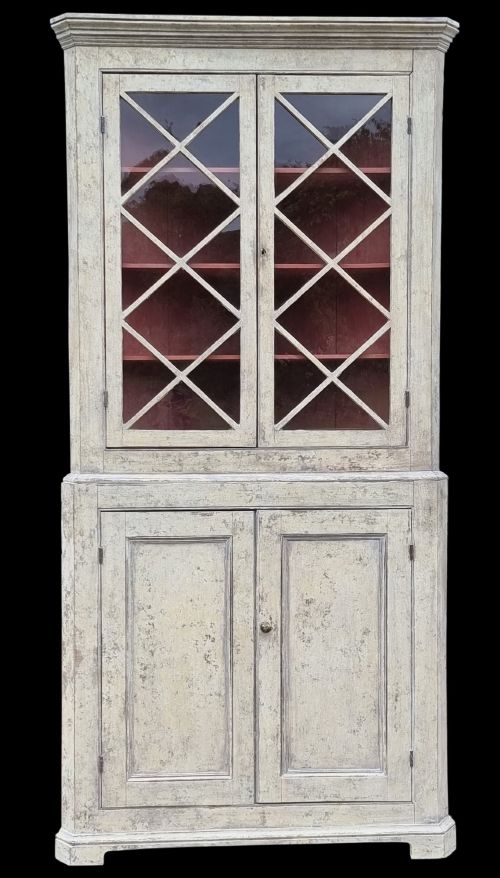
An antique glazed hutch brings centuries of fitted shelving and glass-fronted display to a room, storing kitchenware and books behind timber frames.
Antique Glazed Hutch
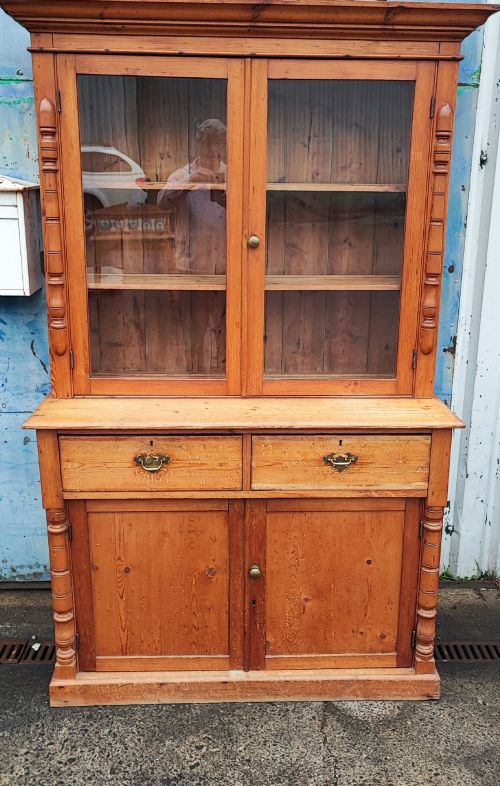
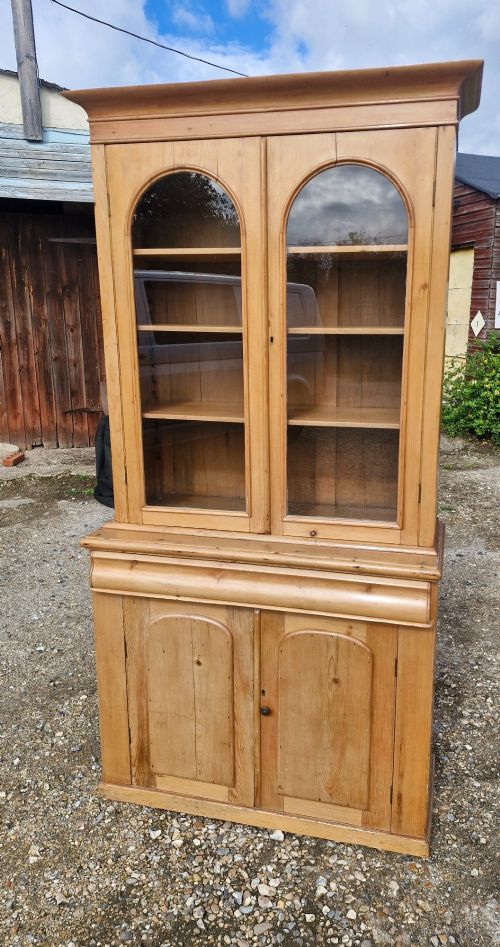
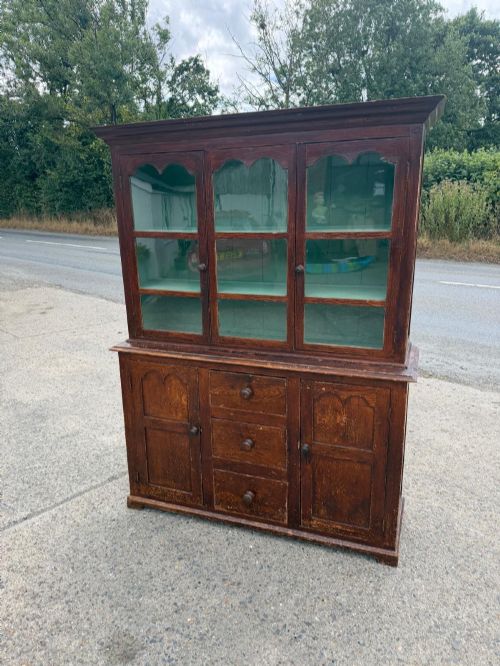
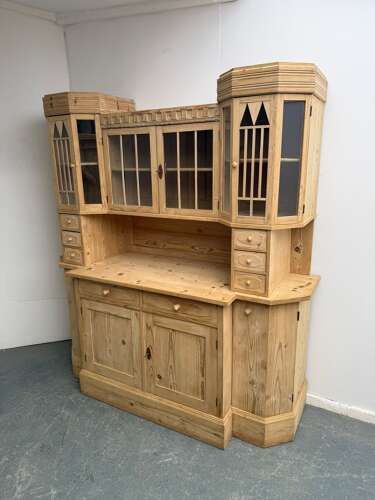
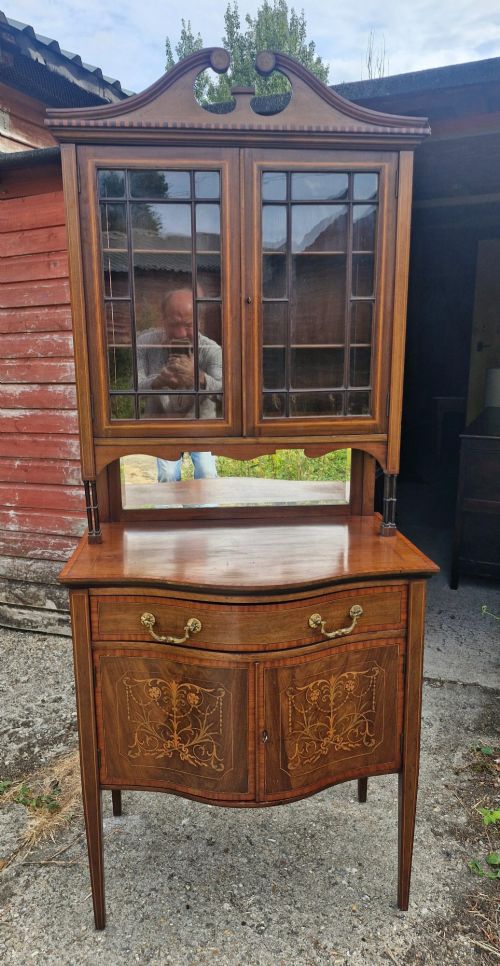
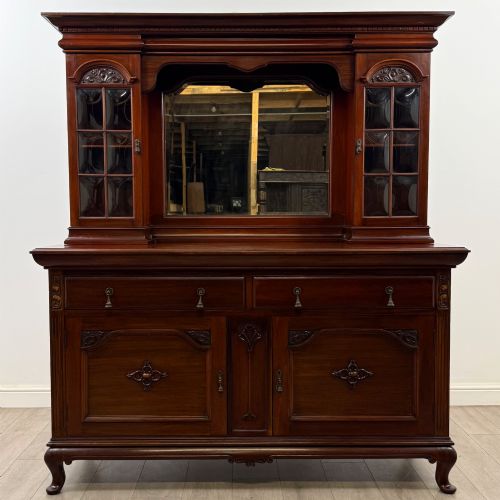
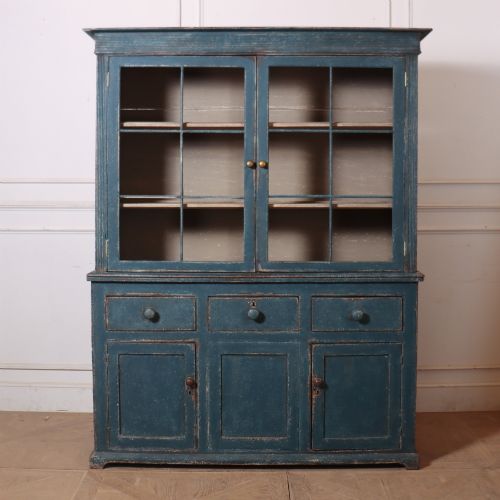
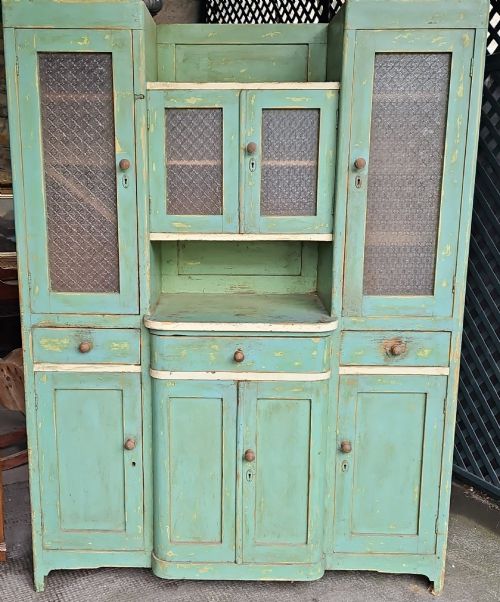
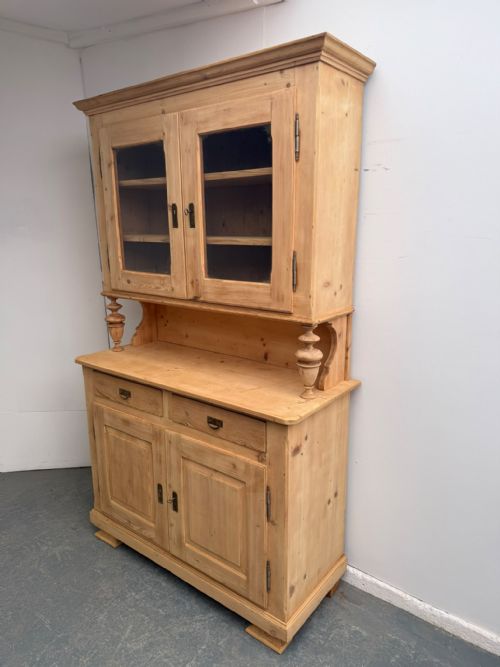
When you search for an antique glazed hutch, you are looking at large storage furniture combining open or closed lower cupboards with upper glass doors. The listings span periods from the Georgian era through Victorian times, Edwardian pieces, and into the nineteen-twenties and thirties.
The most common forms on this page include kitchen dressers, display cabinets, and bookcases with glazed upper sections. Materials range from sturdy pine and oak to rich mahogany, often paired with glass and brass hardware.
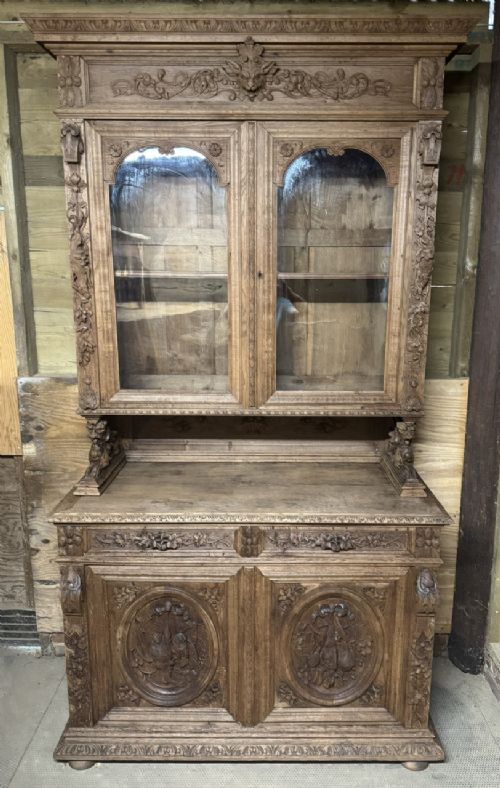
Regional variations appear frequently, such as English West Country dressers and Cornish oak pieces. You will also encounter imported styles like French hunting cabinets and Hungarian painted cupboards.
Materials and construction methods
Makers built these pieces primarily using solid timbers like pine, oak, and mahogany. Carpenters constructed frames to support heavy glass doors, incorporating brass handles, hinges, and occasional leaded glass detailing.
Many items show painted finishes, scrubled paint, or wax treatments over pine and oak. More formal Edwardian and Victorian display cabinets utilise inlaid mahogany veneers and carved decorative elements.
Antique Glazed Hutch Retail Price Guide 2026
Typical asking prices for glazed hutch among the pieces listed under this phrase on Sellingantiques today, from the lower quarter to the upper quarter. They describe what is for sale here now, not the wider market.
Several kitchen dressers arrive ready for you to paint or wax yourself, preserving a long tradition of domestic furniture customisation.
Distinguishing quality across pieces
Quality rests in the selection of timber and the precision of the joinery in the door frames and drawers. Superior pieces feature well-balanced proportions and refined carving or inlay work rather than purely utilitarian assembly.
The condition and clarity of the glass, alongside original brass fittings and intact backboards, elevate an example. Pieces retaining their original paint surfaces or untouched patination command greater interest from collectors.
The Antique Glazed Hutch Glossary
- Astragal glazed
- Glass doors divided into smaller panes by wooden glazing bars. These narrow strips create a traditional grid pattern across the front.
- Breakfront
- A piece of furniture where the central section projects forward from the flanking sides. This adds architectural depth to large bookcases and cabinets.
- Scrumbled
- A decorative paint technique mimicking the grain of more expensive woods. Artisans applied translucent glazes over a lighter base coat.
- Secretaire
- A desk disguised as a drawer, featuring a drop-down writing flap. Inside, you find small pigeonholes and compartments for stationery.
Antique Glazed Hutch: Frequently Asked Questions
How do I date an old glazed hutch?
Examine the timber types, hardware, and construction marks used by the cabinetmaker. Georgian and Victorian pieces often display hand-cut dovetails and older glass properties compared to Edwardian or nineteen-thirties examples.
Stylistic revivals also offer clues, as nineteenth-century pieces frequently mimic French Renaissance or Jacobean aesthetics using period tools.
Were these hutches meant for the kitchen or parlour?
Their placement depended entirely on the form and the household requirements. Kitchen dressers held earthenware plates and provisions, while glazed display cabinets and secretaire bookcases lived in drawing rooms or libraries.
Many pine versions served practical culinary roles in country houses, whereas mahogany breakfronts occupied formal reception spaces.
Can I paint a stripped pine dresser?
Many pine dressers on this market are specifically offered ready to wax or paint according to your preference. Historic pieces frequently wore layers of paint or scrumbled finishes before later owners stripped them down.
Applying a traditional paint finish or natural wax aligns with the historic treatment of regional country furniture.
What is the difference between a dresser and a bookcase?
A dresser traditionally combines base cupboards or drawers with upper shelving or glazed cabinets intended for tableware. A bookcase focuses primarily on shelving for books, sometimes sitting on a carved cupboard base or a secretaire desk.
Overlap occurs frequently in country furniture, where multi-purpose units served multiple domestic storage needs.