



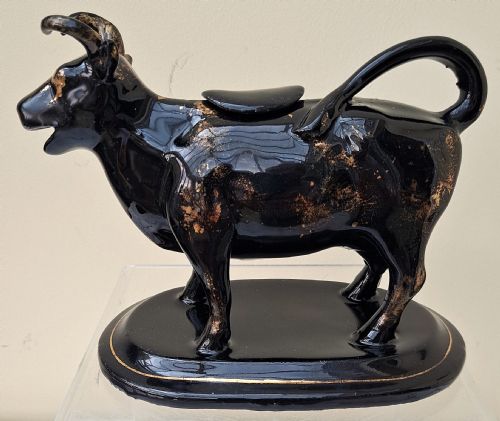
Antique Glazed Figurine
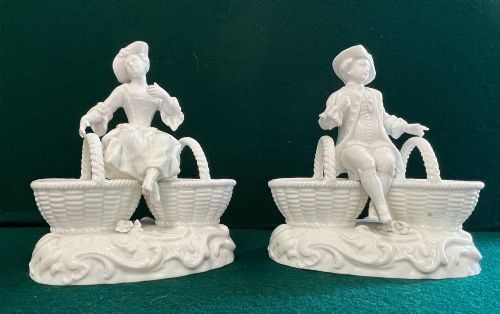
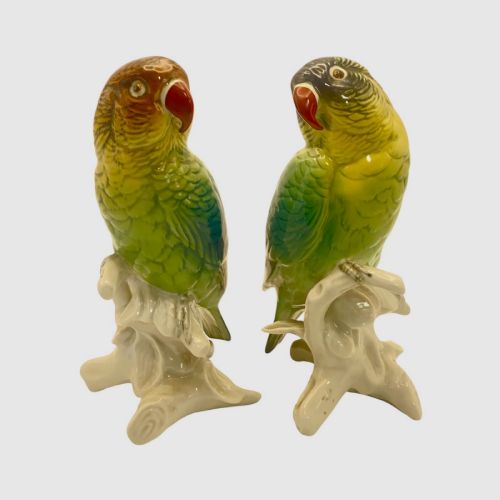
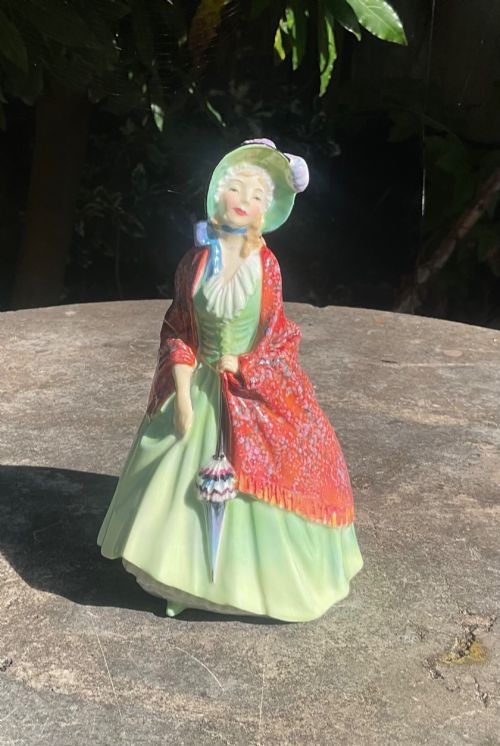
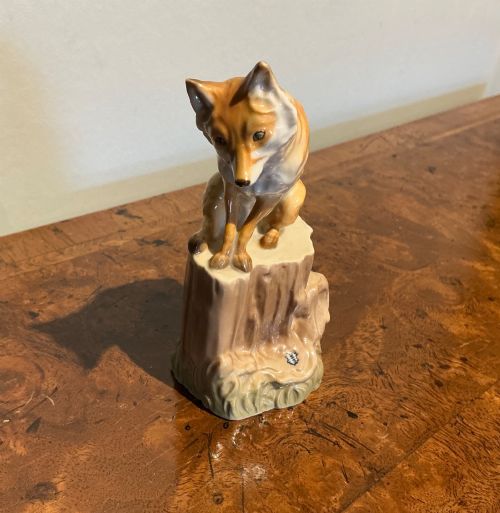
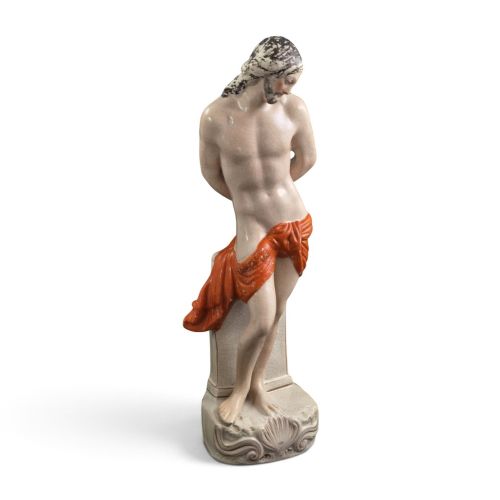
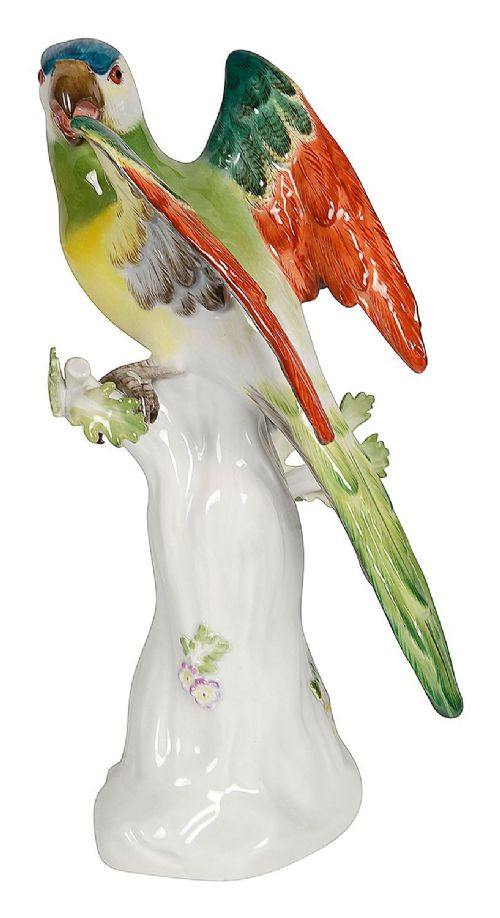
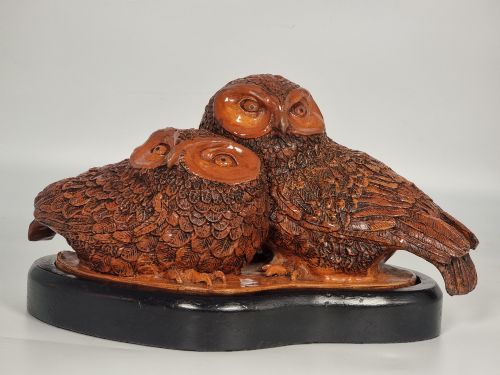
These antique glazed figurine examples span Victorian figures, Staffordshire animals, and Meissen birds, offering character and ceramic history for the collector.
Antique Glazed Figurine
When you search for an antique glazed figurine, you encounter a diverse range of ceramic and porcelain pieces produced primarily across the nineteenth and early twentieth centuries. The selection encompasses English Staffordshire portrait figures and animals, continental porcelain birds, and French earthenware pieces.
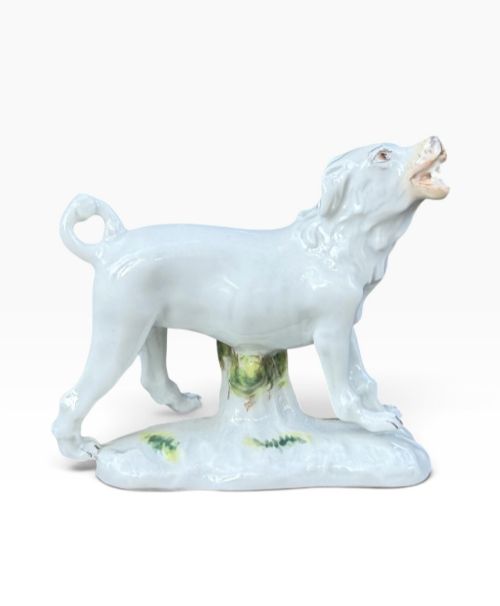
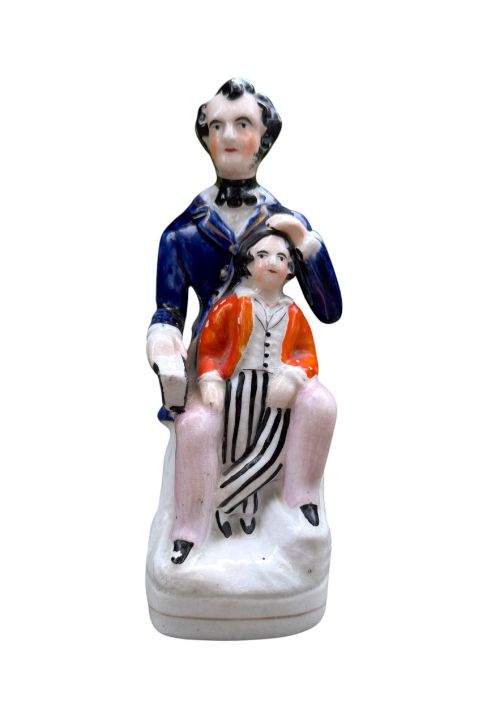
You meet Victorian Staffordshire figures depicting historical personalities, literary characters, and domestic animals such as greyhounds and poodles most frequently on this page. These sturdy earthenware items reflect nineteenth-century domestic taste and popular culture.
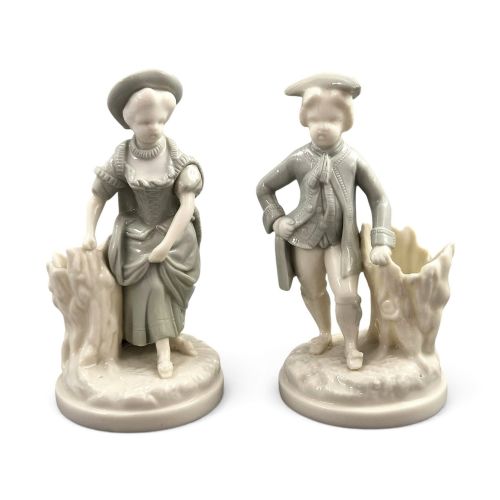
The category also extends to continental works, including Meissen parrots and figures, Art Nouveau Royal Dux groups, and studio pottery figures from makers like Charles Vyse. These pieces demonstrate a transition from utilitarian pottery to decorative mantelpiece sculpture.
Materials and production methods
Potters and ceramists utilised earthenware, stoneware, and hard-paste porcelain as the primary bodies for shaping these figures. Earthenware pieces often received lead glazes or tin opacifications, while porcelain examples were fired at higher temperatures to achieve a vitreous finish.
Nineteenth-century mantelpieces gained loyal canine sentinels when Staffordshire potteries unleashed pairs of watchful greyhounds and poodles.
Quality variations in the pieces
The execution and richness of the enamel painting determine the visual success of the piece. Controlled brushwork and well-preserved colours demonstrate high craftsmanship during the painting and firing stages.
Meissen·Karl Ens·Royal Doulton·Nymphenburg·Royal Worcester·Charles Vyse·Royal Dux Bohemia·Berthe Savigny
The Antique Glazed Figurine Glossary
- Earthenware
- A porous pottery body fired at lower temperatures, commonly used for Victorian Staffordshire figures and animal groups. It requires a glaze to become impermeable to liquids.
- Porcelain
- A hard, white, vitreous ceramic material fired at high temperatures, utilised by European factories such as Meissen and Royal Worcester for detailed figures.
- Enamel
- Opaque or translucent vitreous colours applied over the glaze or directly to the biscuit body and fired to fix the decoration.
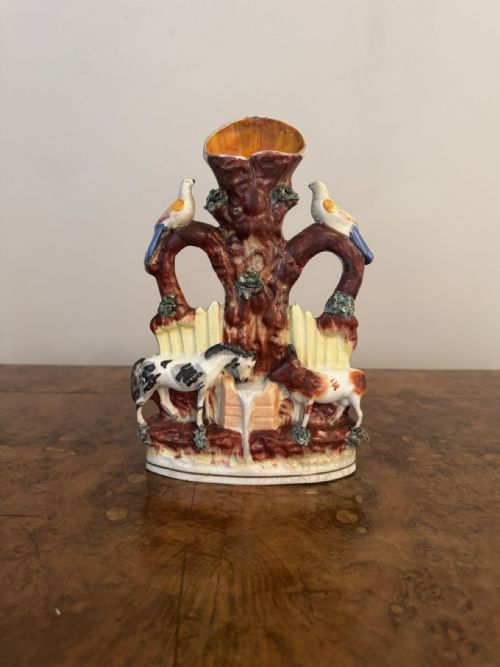
- Spill vase
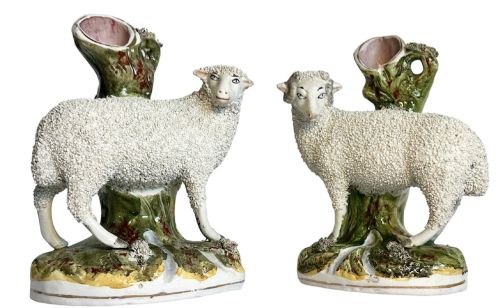
- A hollow ceramic tube attached to a figure, designed to hold taper candles or wooden spills for lighting pipes and fires.
- Flatback
- A Staffordshire figure modelled with a plain, unpainted reverse side intended to stand against a mantelpiece wall.
Antique Glazed Figurine: Frequently Asked Questions
What are antique glazed figurines made of?
These pieces are produced from ceramic materials including earthenware, stoneware, and porcelain. Potters shaped the clay bodies and applied glazes to create a durable, glossy surface.
Decoration was added using coloured enamels that were hand-painted onto the surface before a final kiln firing to set the colours.
How do I date a Staffordshire figure?
Dating relies on stylistic clues, subject matter, and the composition of the ceramic body. Victorian examples often depict historical events, literary figures, or specific animals popular during the nineteenth century.
Examining the base, glaze texture, and painting style helps distinguish mid-nineteenth-century earthenware from later reproductions.
Where were these figures displayed?
Owners traditionally placed these ceramic items on mantelpieces, sideboards, and occasional tables in nineteenth-century and early twentieth-century parlours. Flatback figures were specifically designed to sit flush against a wall.
Pairs of dogs, lions, or birds typically decorated either end of a fireplace mantel to create a symmetrical arrangement.
What is a spill vase figure?
A spill vase figure combines a decorative ceramic sculpture with an integrated vertical cylinder. Households used these cylindrical holders to store wooden spills or paper tapers.
People reached for these tapers to transfer flames from the hearth to lamps and candles before the invention of safety matches.