


Antique Glassware Bottle
An antique glassware bottle brings utility and depth to a room, offering functional vessels shaped by centuries of glassmaking skill.
Antique Glassware Bottle
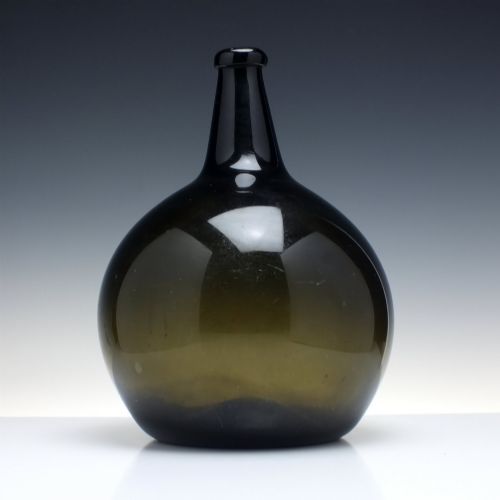
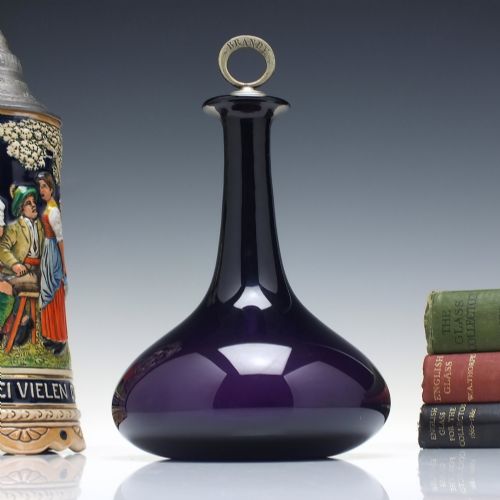
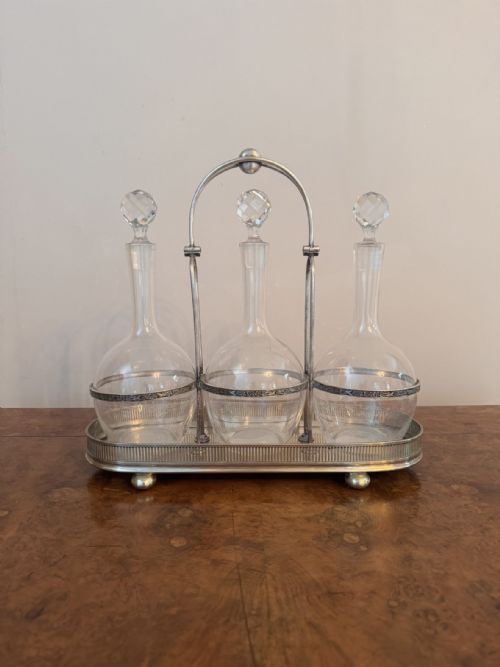
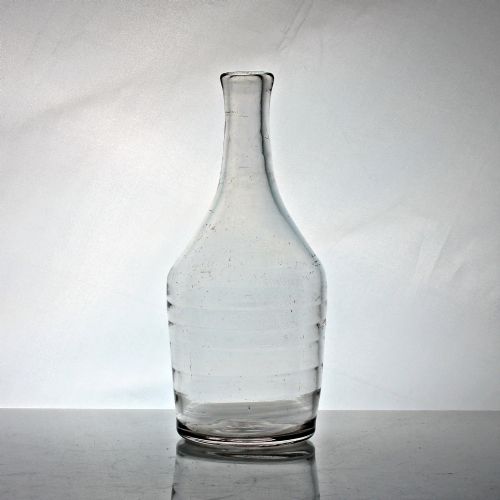
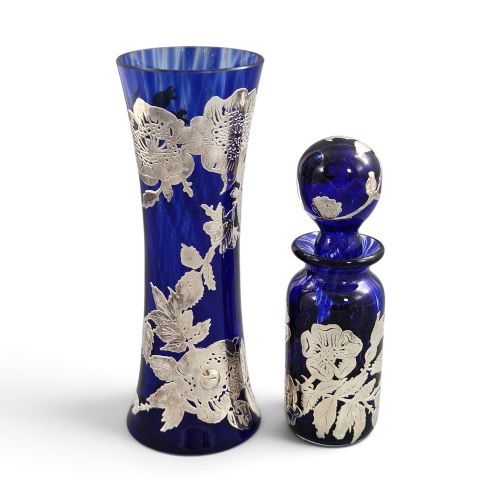
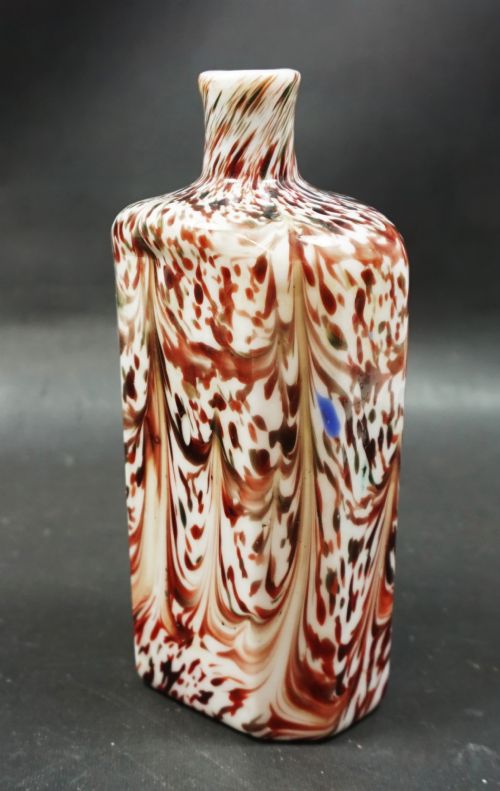
When searching for an antique glassware bottle, a buyer encounters a diverse group of functional and decorative vessels spanning the eighteenth, nineteenth, and early twentieth centuries. These pieces encompass decanters, carafes, apothecary jars, perfume bottles, and chemist flasks originating from British, European, and wider workshops.
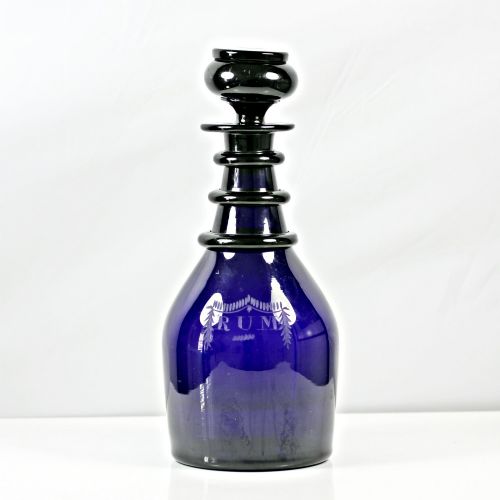
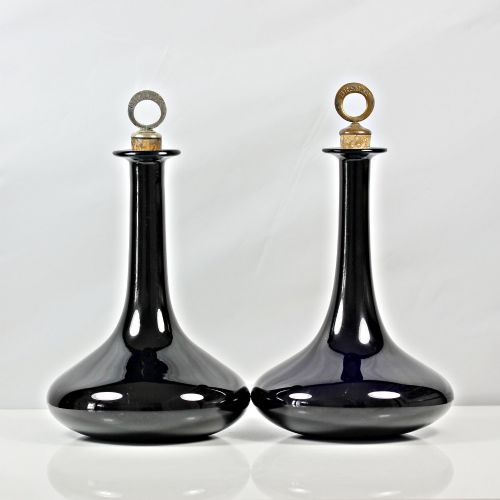
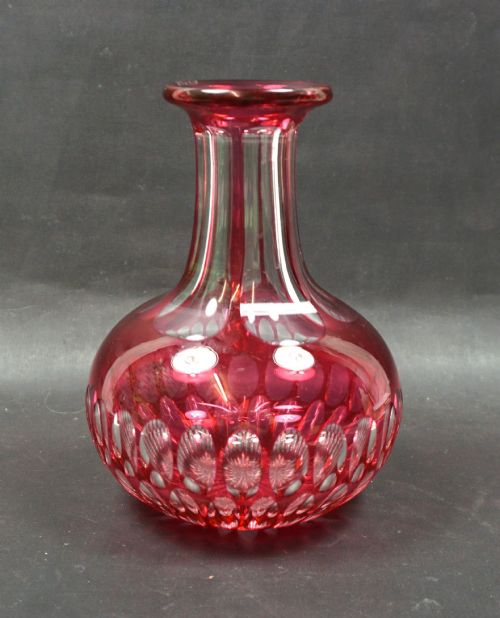
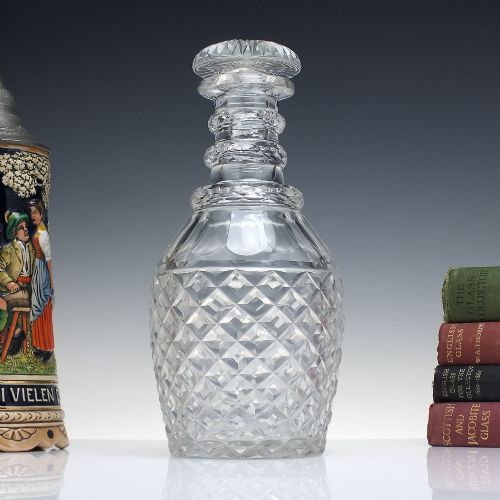
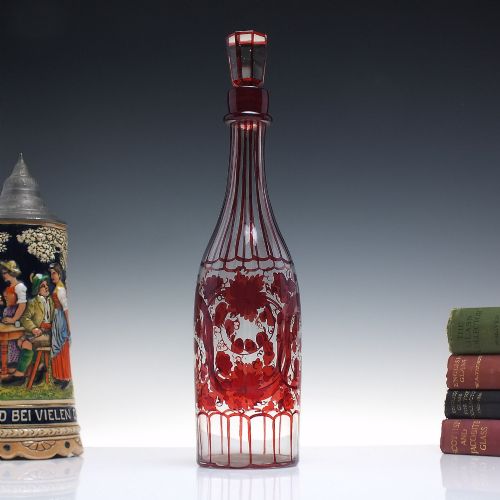
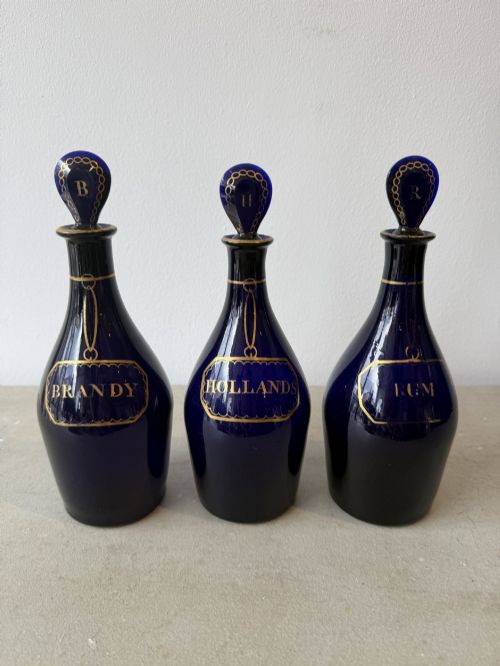
The selection on this page leans heavily towards domestic decanters and serving bottles from the Georgian and Victorian eras, alongside Edwardian cut glass and later Art Deco sets. Cobalt Bristol blue and rich cranberry hues frequently appear alongside clear crystal and milk glass flasks.
Forms range from large Scottish wine bottles and heavy ringed spirit decanters to delicate hand-painted pieces and tall pharmacy carboys. Each object reflects the prevailing taste of its period, from simple utility to decorative display.
Materials and techniques
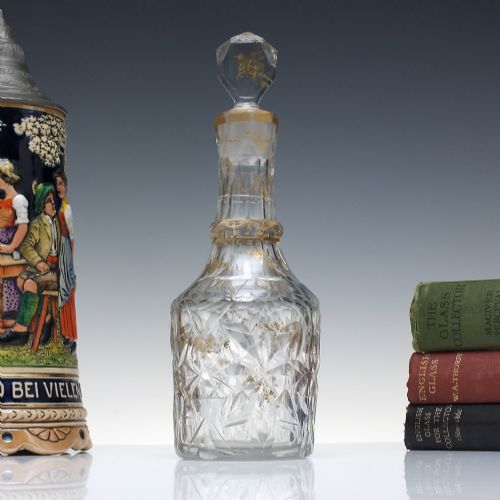
Makers shaped these vessels using lead crystal, clear glass, and coloured glass enriched with cut patterns, optical blowing, and mould-forming techniques. Heavy lead content provided the weight and clarity necessary for sharp wheel-cut facet work.
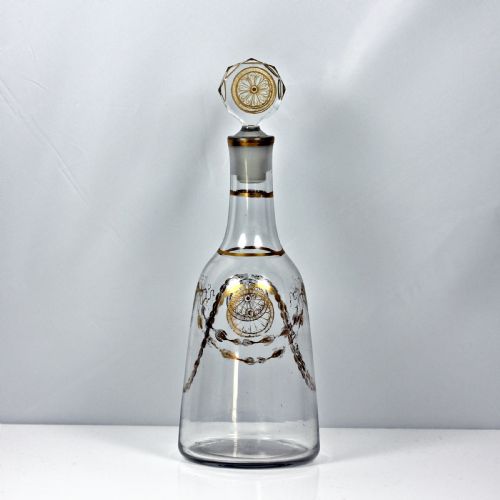
Surface decoration involved hand-painting, gold leaf gilding, and enamel work applied by skilled hands in workshops such as those associated with James Giles. Overlay techniques, seen in cranberry over crystal pieces, created striking tonal contrasts through selective cutting.
Functional details like neck rings were applied hot or pinched into the body to ensure a secure grip during pouring.
Listings feature periods spanning from the eighteenth-century Georgian era through to Art Deco designs of the 1930s.
Standards of craftsmanship
The distinction between ordinary and exceptional work rests on the precision of the glass cutting, the purity of the metal, and the artistry of any applied decoration. Superior pieces display crisp facets, balanced proportions, and heavy, stable bases that sit flat without wobble.
Hand-painted or gilded details reveal the maker's hand through confident brushwork and secure adherence to the glass surface. Furthermore, matching stoppers original to the body elevate a vessel, as replacement stoppers disrupt the intended silhouette and historic integrity.
James Giles·Stevens and Williams·James Powell·Rene Lalique·Karl Palda
The Antique Glassware Bottle Glossary
- Bristol Blue
- A deep, vibrant cobalt blue glass produced in Bristol during the eighteenth and nineteenth centuries. This intense colour gained popularity for spirit and medicine bottles.
- Mell
- A specific bulbous shape of decanter with a rounded body tapering towards the base. It sits securely on a surface and accommodates generous volumes of liquor.
- Ring
- Applied or moulded horizontal bands encircling the neck of a bottle. These rings provide a tactile grip for the hand when pouring.
- Carboy
- A large, bulbous glass bottle traditionally used for holding liquids in bulk. Apothecary versions often stood in shop windows to catch the light.
Antique Glassware Bottle: Frequently Asked Questions
Are these glass bottles safe for daily use?
Many sturdy nineteenth-century decanters and carafes remain entirely functional for serving wine, spirits, or water at the table.
Fragile painted or gilded pieces deserve more careful handling and hand-washing to preserve their historic surfaces.
How do I date a glass decanter?
Examine the base for a pontil mark left by the pontil rod during hand-blowing, which typically indicates an origin prior to the late nineteenth century.
Neck rings, stopper shapes, and glass colour also provide reliable clues when compared against documented period styles.
Why do some decanters have numbered stoppers?
Stoppers were often ground by hand to fit a specific bottle neck during production, meaning they were numbered to prevent mixing them up.
Matching numbers on the base and the stopper confirm that the component parts remain together since manufacture.