


Antique Glass Window
An antique glass window brings daylight through historic leadwork, hand-painted scenes and coloured glass panels saved from domestic and ecclesiastical buildings.
Antique Glass Window
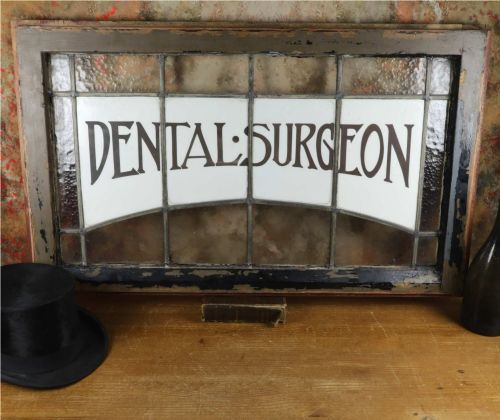
When you search for an antique glass window, you encounter architectural salvage spanning the Victorian, Edwardian, and early twentieth-century periods. The selection on this page centres on stained and leaded glass panels, church windows, and shop signs set within wood, timber, or pine frames.
Domestic and commercial pieces dominate the listings, featuring hand-painted countryside scenes, heraldic emblems, floral swags, and pictorial subjects like birds or historic figures. Church architecture also contributes arch-top church windows configured with square or diamond panes.
Makers and designers from the nineteenth and twentieth centuries produced architectural glass that ranged from simple leaded lights to pictorial compositions. Salvaged items retain the original timber surrounds or structural lead came that held the glass in place within the building.
How they were made
Pieces rely on lead came to join individual pieces of glass into cohesive panels and geometric designs. Craftsmen integrated hand-painted details, firing pigments onto the glass surface to depict landscapes, figures, and floral motifs.
Makers incorporated clear and coloured bullseyes, bevelled glass, and amber or green glass elements to catch the light. Frames constructed from pine wood or heavy timber housed these fragile panels for installation in domestic houses, shops, and chapels.
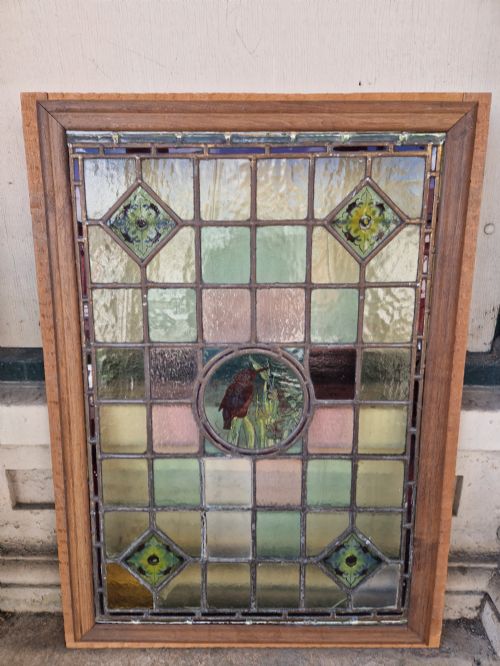
Listings feature leaded glass windows decorated with hand-painted countryside scenes, castles, birds, and floral designs across the Victorian and Edwardian eras.
What varies in quality
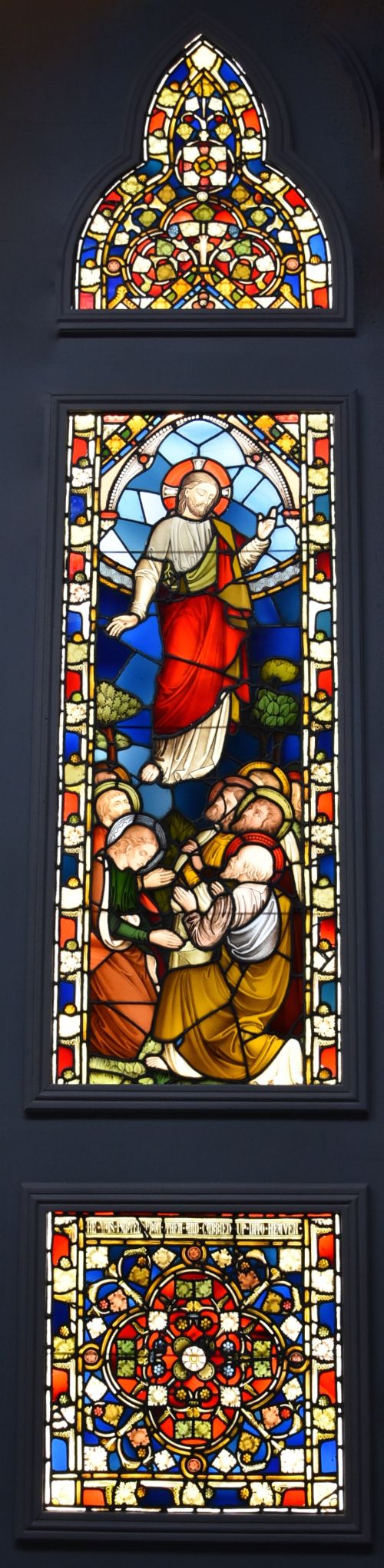
Quality rests in the ambition of the pictorial design and the finesse of the hand-painted execution. Simple geometric leaded lights sit at one end, while intricate hand-painted countryside scenes, knight figures, and pre-Raphaelite religious subjects represent the upper tier.
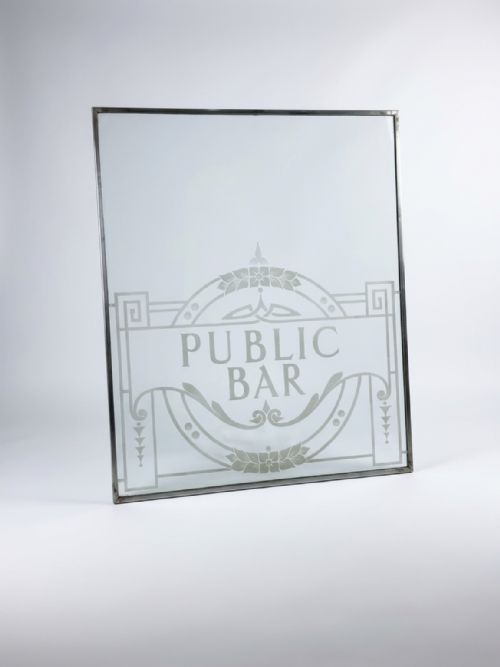
The integrity of the leading and the inclusion of special glass components, such as amber bullseyes, bevelled roses, or etched shop lettering, elevate a panel. The survival of the original timber or pine frame also influences the character of the piece.
Hardman and Co
The Antique Glass Window Glossary
- Lead came
- The grooved lead strips used to hold together individual pieces of stained or clear glass in a window. This pliable metal forms the structural grid of the design.
- Bullseye
- A small, circular centre piece of blown glass featuring a thick pontil mark in the middle. These appear frequently in domestic glazing to add texture and catch light.
- Stained glass
- Glass that has been coloured during its manufacture or painted with metallic oxides and fired in a kiln. It forms decorative panels and pictorial windows.
- Architectural salvage
- Building materials and decorative elements rescued from structures slated for demolition or renovation. This category includes windows, panels, and timber frames.
- Plique-à-jour
- An enamelling technique where enamel is applied in cells without a backing, allowing light to shine through transparent colour like miniature stained glass.
Antique Glass Window: Frequently Asked Questions
Were these windows originally exterior?
Most of these pieces served as exterior windows in Victorian and Edwardian houses, shops, churches, and public buildings. They provided privacy and decoration while allowing natural light to illuminate the interior rooms.
Many surviving panels are now repurposed as interior room dividers, wall art, or decorative inserts hung inside modern double-glazed window openings. This protects fragile historic glass from modern weather extremes while preserving the architectural character.
How do I date an antique glass window?
Examine the stylistic clues within the glass design, such as Art Nouveau floral motifs, Arts and Crafts lettering, or Victorian pictorial themes. The surrounding wood frame construction and timber type also provide helpful chronological indicators.
Victorian pieces often feature deep religious subjects or rich floral hand-painting, while Edwardian examples frequently incorporate cheerful bird designs, amber bullseyes, and pastoral countryside scenes. Early twentieth-century pieces shift towards simpler geometric or playful narrative subjects.
Can damaged lead came be repaired?
Historic lead came becomes brittle and oxidized over decades, requiring specialist conservation rather than standard DIY fixes. Traditional glaziers can solder broken lead joints and stabilize panels that show excessive bowing.
Minor repairs involve re-securing loose glass pieces within the existing lead matrix using specialised glazing cement. Professional restoration preserves the structural integrity of the window without replacing original hand-painted glass elements.