

Antique Glass Table Centerpiece
An antique glass table centerpiece anchors a formal dining table with colour, height, and reflected candlelight.
Antique Glass Table Centerpiece
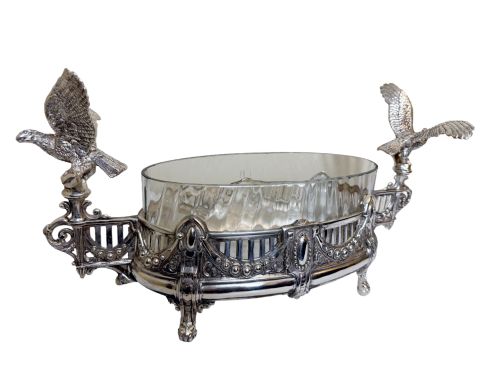
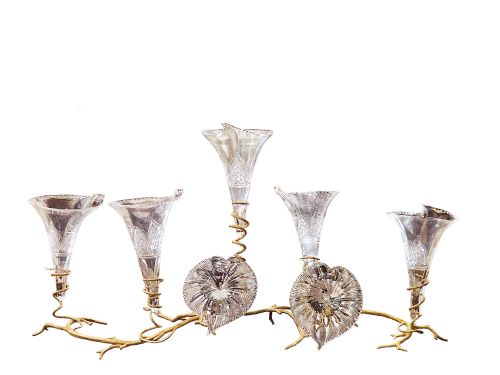
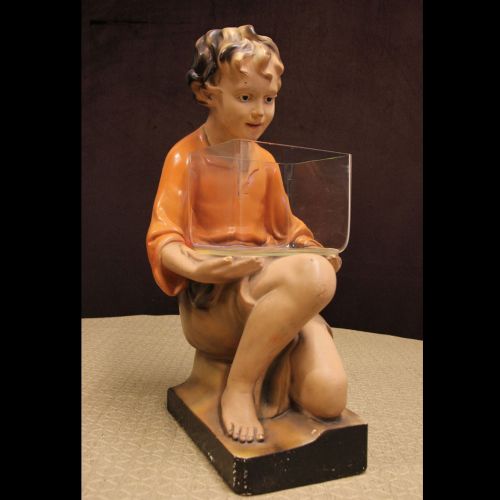
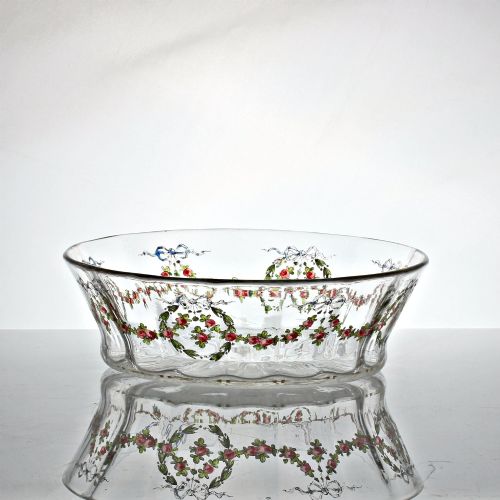
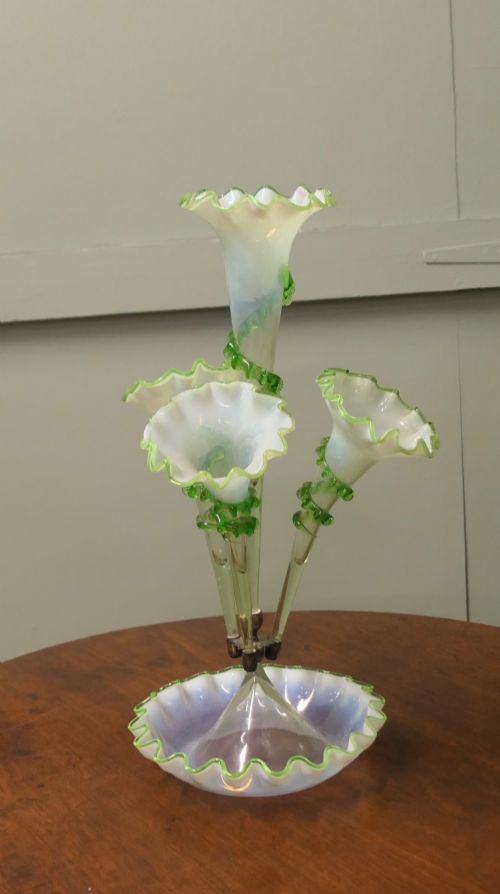
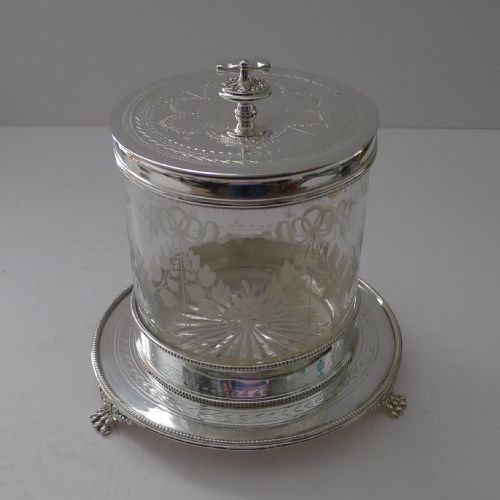
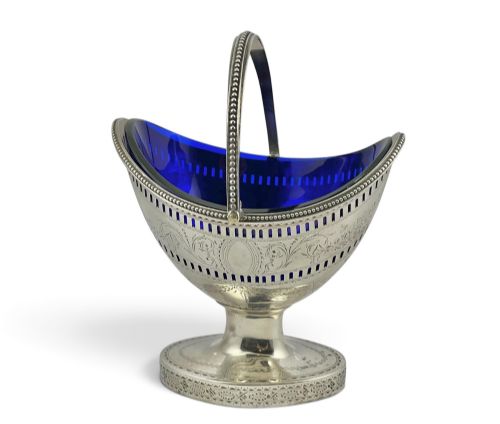
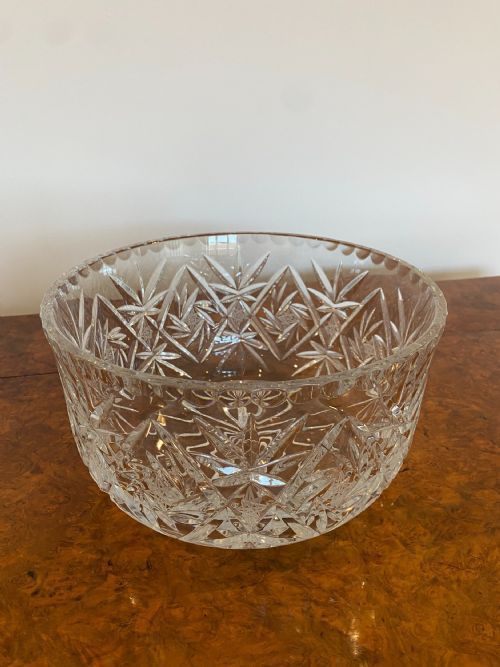
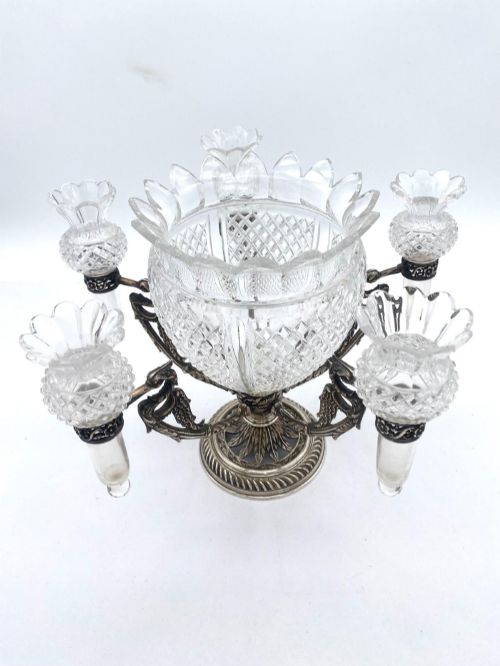
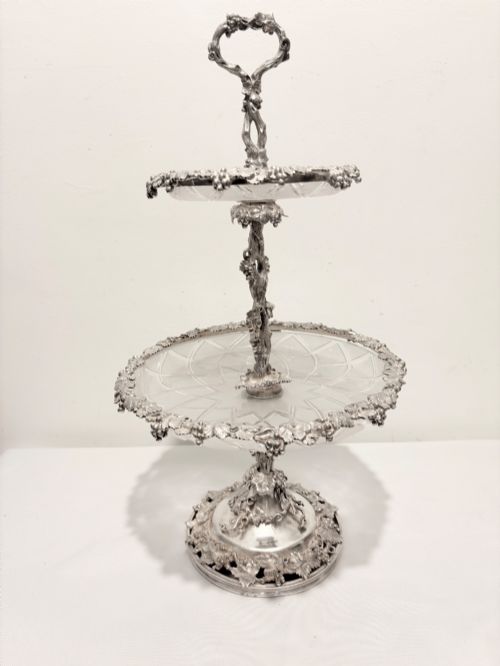
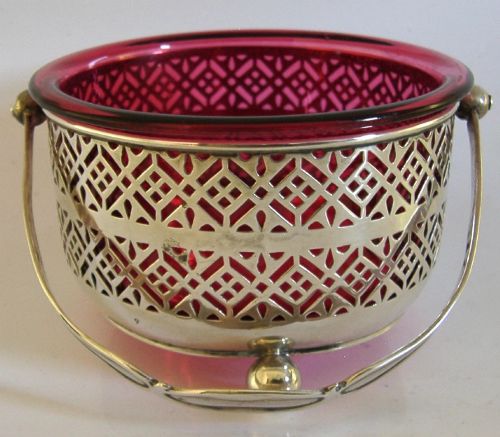
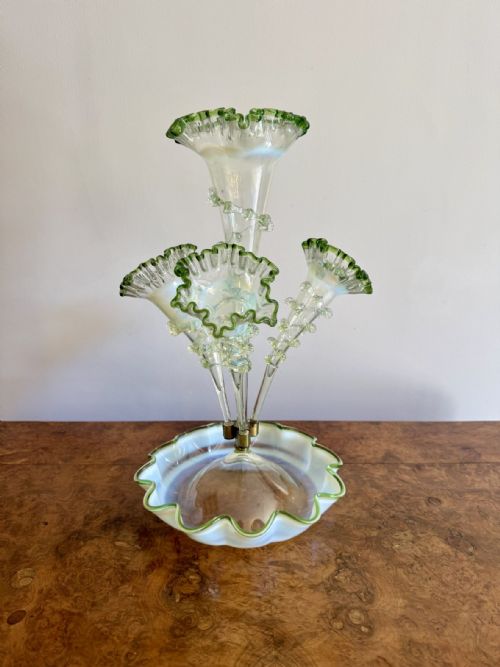
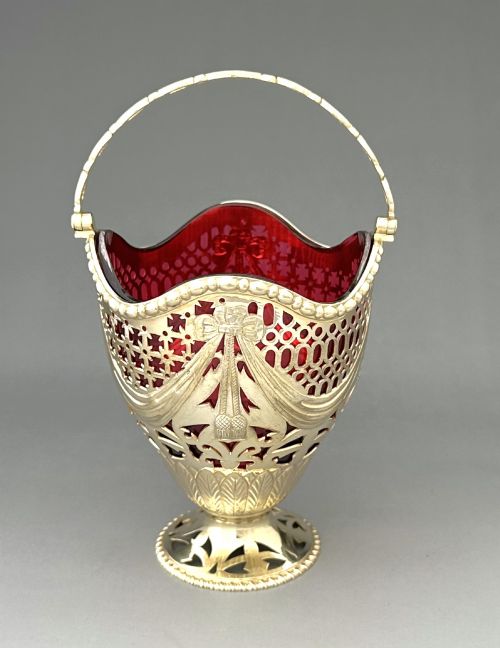
When you search for an antique glass table centerpiece, you encounter items designed to dominate a dining table or sideboard. The selection spans distinct forms, from multi-trumpet epergnes and shallow bowls to baskets fitted with coloured glass liners.
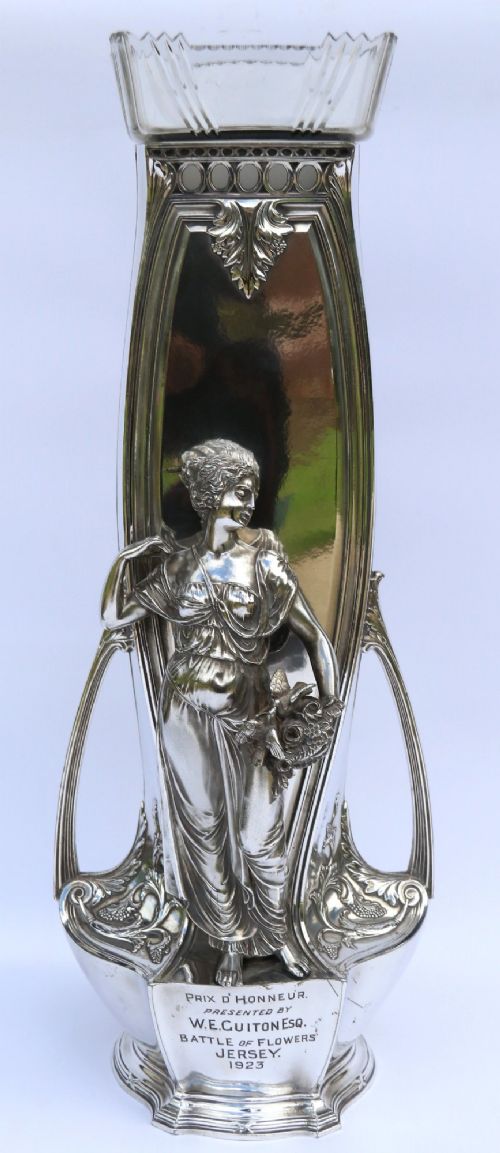
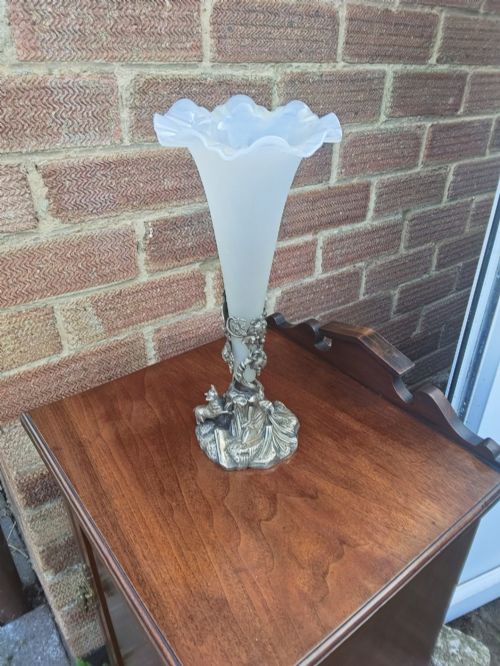
Victorian and Edwardian examples appear frequently, often combining pressed or cut glass with silver plate, sterling silver, or gilt bronze mounts. You also find earlier Georgian cut glass bowls and later Art Nouveau or Art Deco pieces bearing distinct coloured glass inserts.
Materials and construction methods
The objects rely on a combination of hot-worked or hand-blown glass and metalwork frames. Makers utilised lead crystal, cranberry glass, uranium glass, and vaseline glass, shaping them into bowls, trumpets, and liners.
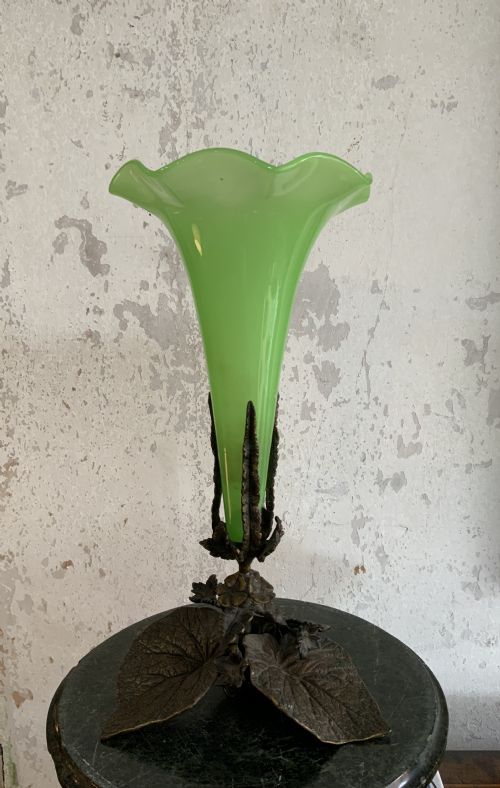
Metal mounts incorporate silver plate, sterling silver, white metal, and gilt bronze, frequently cast, pierced, and chased. Makers secured the glass components into these metal frames using collars, screws, or fitted rims.
Antique Glass Table Centerpiece Retail Price Guide 2026
Typical asking prices for glass table centerpiece among the pieces listed under this phrase on Sellingantiques today, from the lower quarter to the upper quarter. They describe what is for sale here now, not the wider market.
Listings feature periods spanning from the Georgian era through the 19th Century, Victorian, Edwardian, Art Nouveau, and Art Deco periods.
Distinctions in manufacture and execution
Quality rests in the weight and clarity of the glass, alongside the crispness of the metal mountings. Heavy hand-cut crystal and deeply etched vessels separate finer items from simpler pressed glass alternatives.
The integration between the glass insert and the metal frame dictates the overall success of the piece. Substantial cast bronze, heavy silver plating, and fully hallmarked sterling silver indicate higher production standards.
Tiffany and Co·Val St Lambert·St Louis glassworks·Walker and Hall·Goldsmiths and Silversmiths·Viners
The Antique Glass Table Centerpiece Glossary
- Epergne
- A tiered table centrepiece featuring multiple central trumpets or baskets for fruit, flowers, or sweets. These multi-branch vessels often utilise vibrant cranberry or vaseline glass.
- Cranberry glass
- A transparent pinkish-red glass produced by adding gold chloride to the molten batch. It appears frequently in Victorian baskets and epergnes.
- Vaseline glass
- A transparent yellow-green glass containing uranium dioxide, which glows under ultraviolet light. It is commonly found in Edwardian and Art Nouveau bowls.
- Ormolu
- Gilt bronze mounted on decorative objects, providing a bright gold-coloured finish. It frequently frames crystal bowls in French examples.
- Cruet set
- A matched collection of glass bottles fitted in a metal frame for holding condiments at the table. These sets often feature cut glass bottles and silver plated stands.
Antique Glass Table Centerpiece: Frequently Asked Questions
What is an epergne used for?
An epergne served as a decorative centrepiece on formal dining tables during the nineteenth and early twentieth centuries. People used the central baskets and hanging trumpets to hold fruit, sweetmeats, or fresh flowers.
Today, they function primarily as decorative focal points on sideboards or dining tables. Their removable glass inserts allow for easy cleaning and rearrangement.
How do I identify a Victorian centrepiece?
Victorian centrepieces typically feature heavy cut glass, ornate silver plate, or vibrant coloured glass such as cranberry and vaseline. Stylistic cues often include floral motifs and elaborate metal casting.
Later Edwardian and Art Deco pieces tend to show cleaner lines or softer pastel tones, while Georgian items rely on simpler, heavier cut crystal and geometric faceted bowls.
Can I use these glass bowls for food?
Most antique glass bowls can hold dry foods or fruit, though older lead crystal and coloured glass require careful hand washing. Sudden temperature changes may crack aged glass.
Silver plated frames and metal mounts should be kept dry to preserve the plating. Avoid submerging items that combine cemented glass and metal components.