

Antique Glass Stopper
An antique glass stopper seals the character of a period vessel, uniting practical utility with exquisite craftsmanship.
Antique Glass Stopper
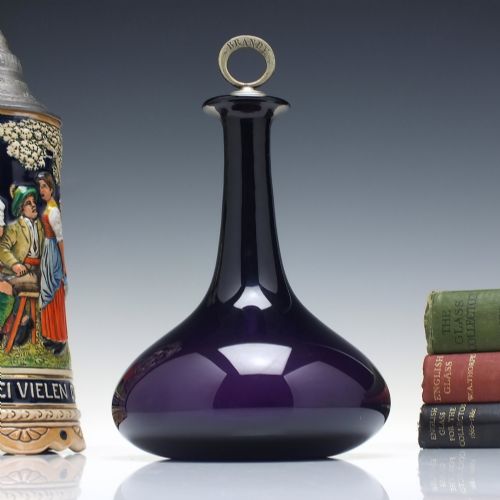
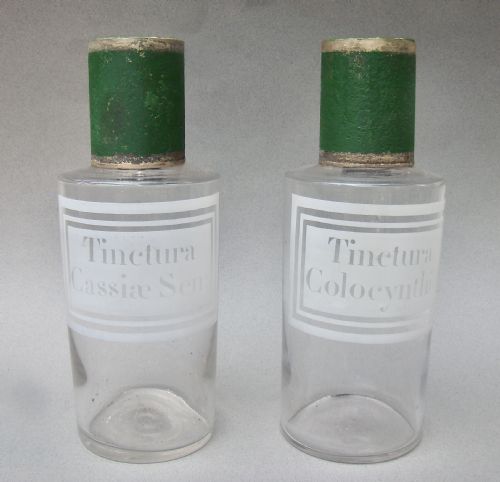
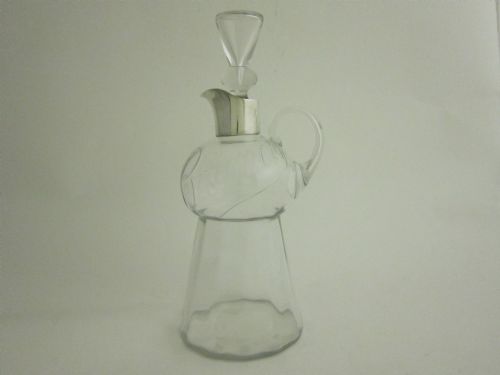
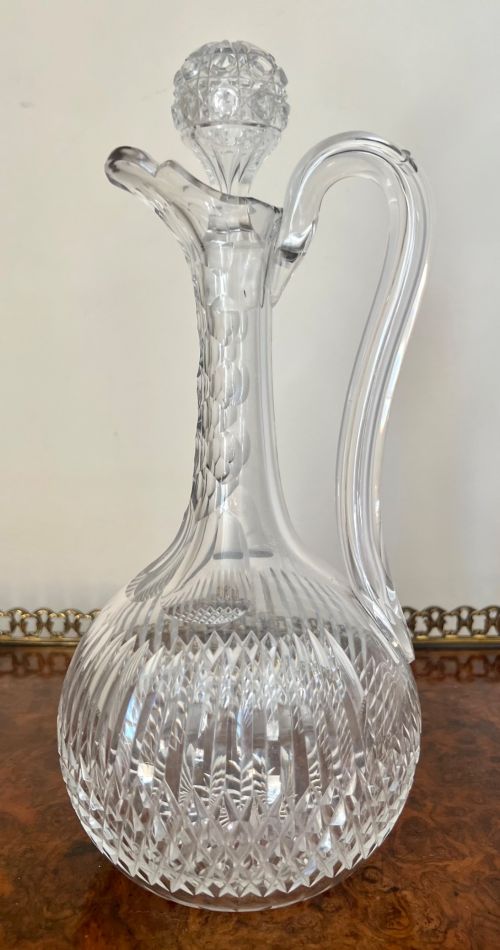
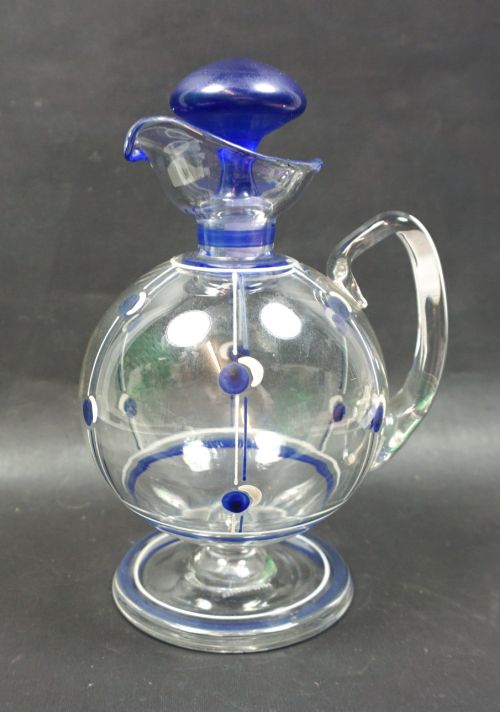
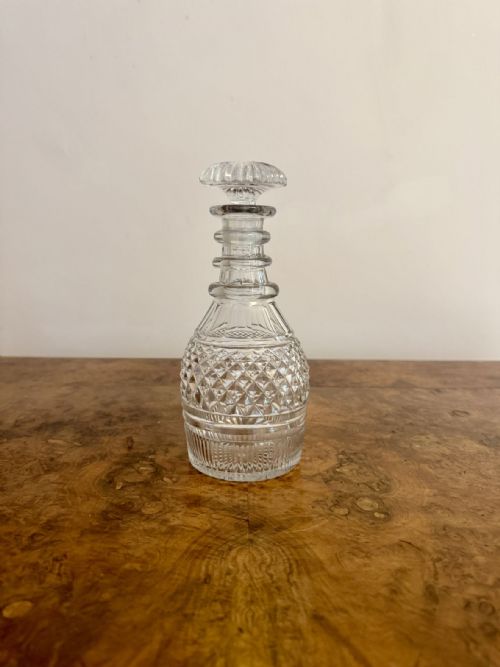
When you search for an antique glass stopper, you are looking at small, shaped closures designed to seal decanters, scent bottles, and apothecary jars. These pieces belong to centuries of glassmaking where the stopper formed an integral part of the vessel's silhouette.
You are most likely to meet examples in clear glass, cut glass, and lead crystal dating from the Victorian and Edwardian eras, alongside earlier Georgian forms. They appear across various objects, from spirit decanters and pharmacy bottles to personal perfume containers.
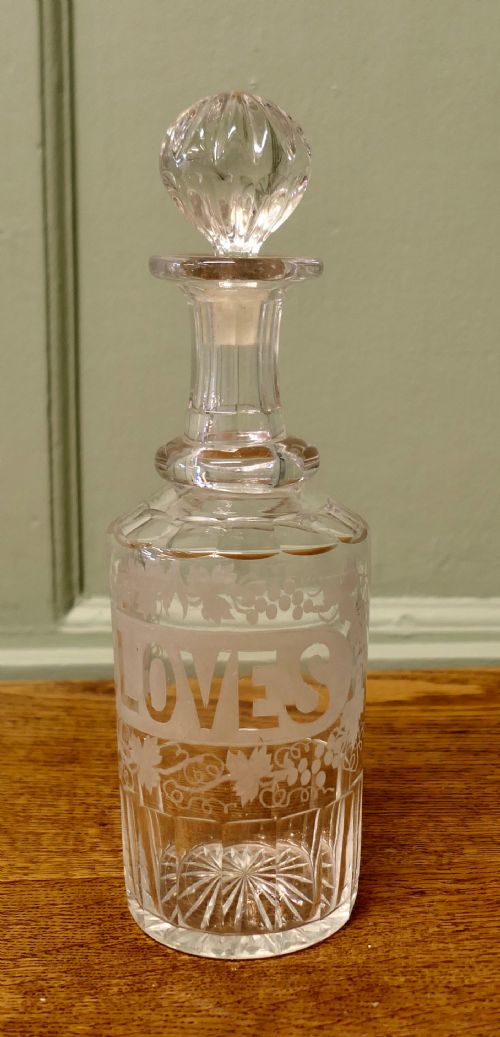
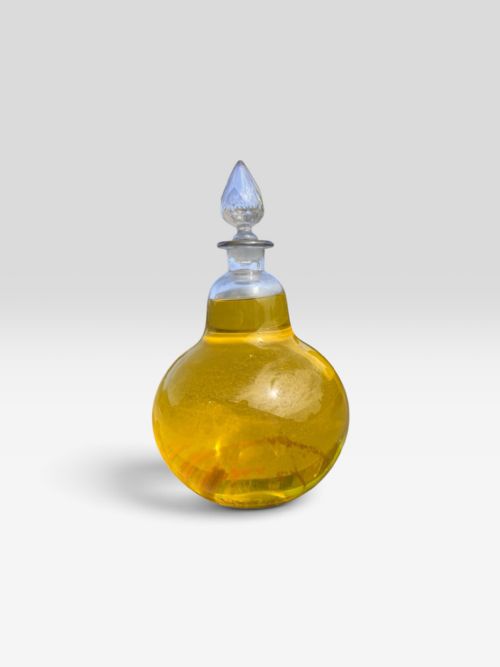
The range encompasses simple moulded lollipop tops as well as elaborately cut and faceted finials. Each type reflects the specific domestic, medicinal, or dressing table use for which the original bottle was created.
How They Were Made
These items were shaped through traditional glassblowing and hand-forming techniques. Artisans gathered molten metal on a blowing iron, manipulating the gather into solid or hollow stoppers before grinding the peg to fit a specific neck.
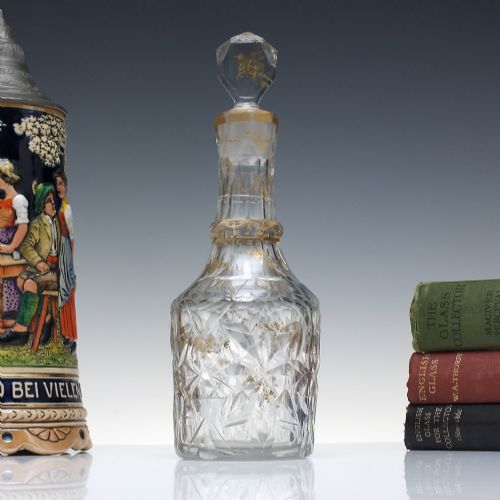
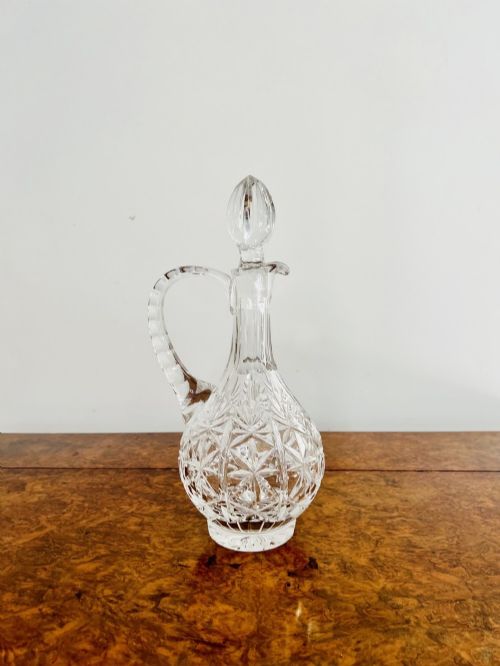
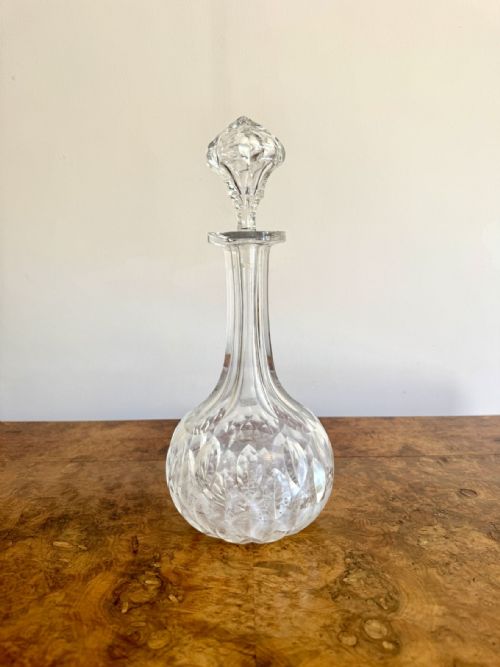
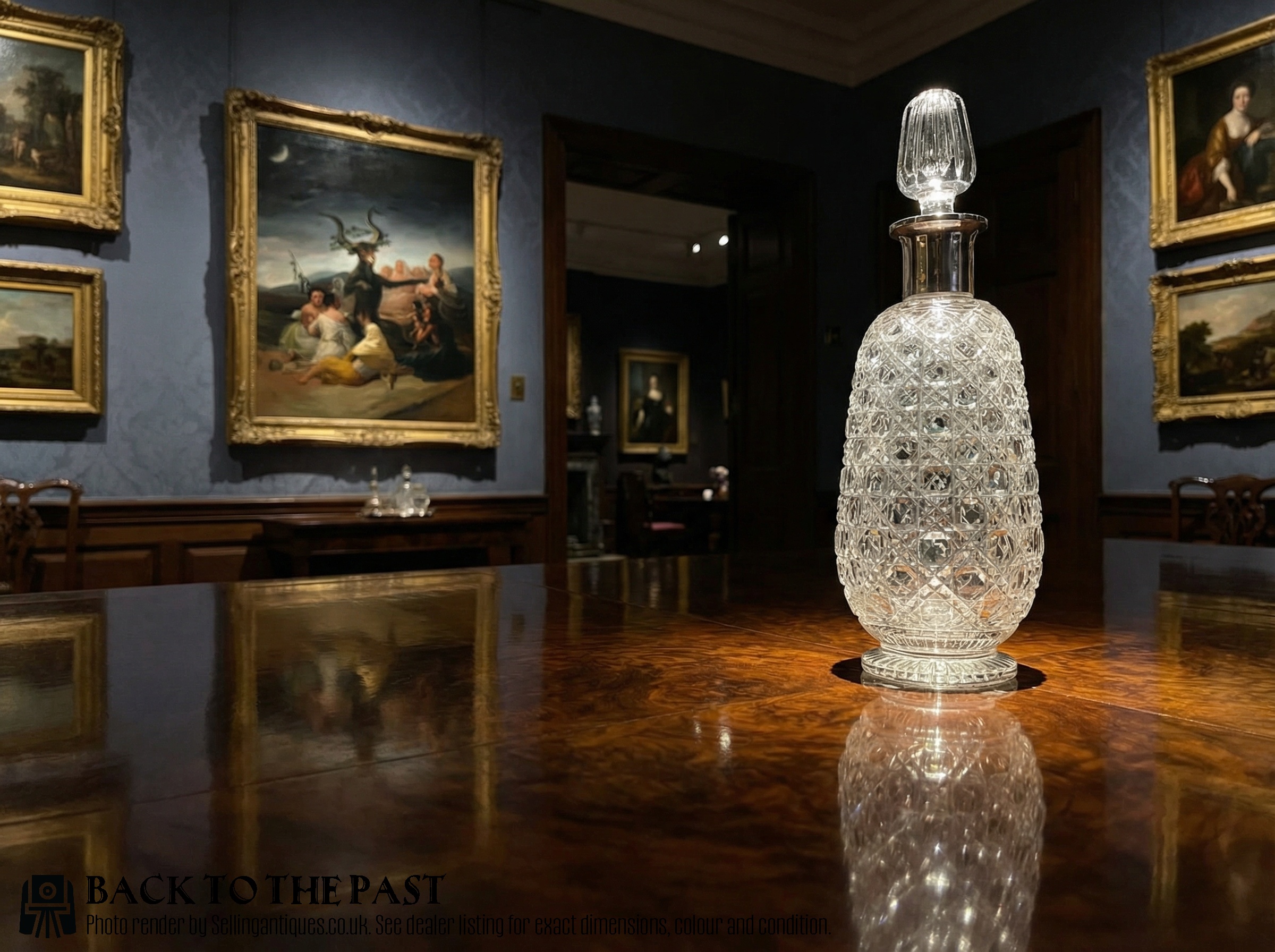
Cutting and faceting defined the output of many workshops, particularly during the Georgian and Victorian periods. Craftsmen used abrasive wheels to cut deep geometric patterns into the glass, followed by polishing to achieve a brilliant finish.
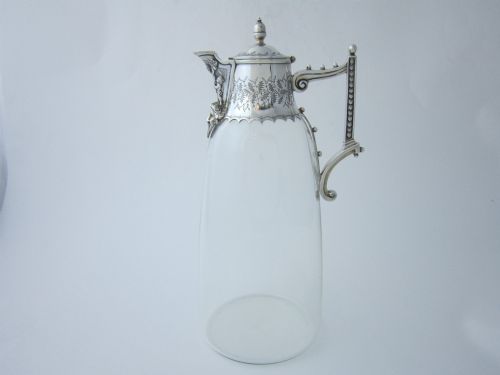
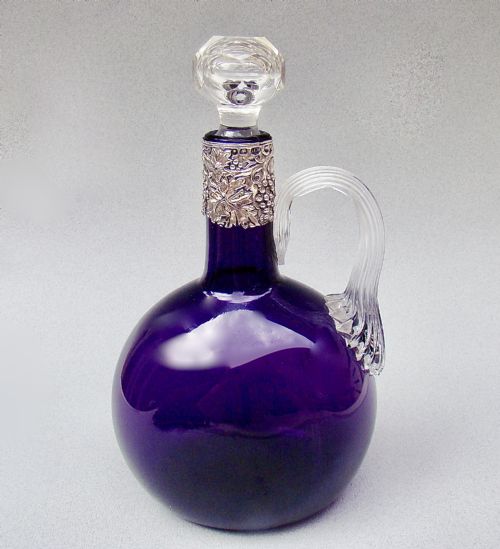
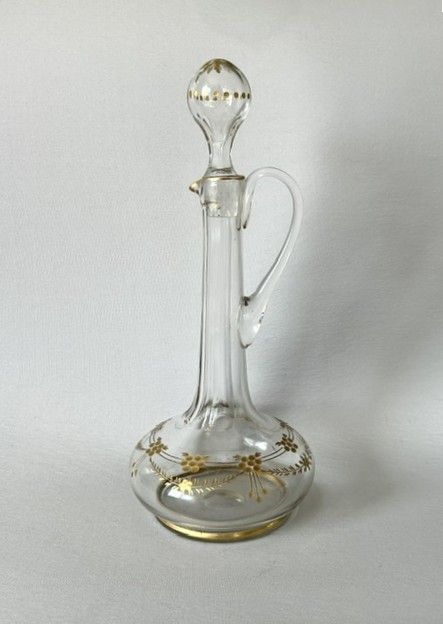
Some pieces incorporate decorative elements such as enamelling, gold leaf, or sterling silver mounts. These added details required specialist firing or metalworking skills to unite the glass body with precious metals.
Pharmacy carboys needed stoppers substantial enough to resist chemical fumes while guarding Glasgow pigeon remedies.
What Varies in Quality
Clarity of the material sets the foundation for a superior piece. High-grade lead crystal offers a heavier weight and a clearer ring than standard soda glass, elevating the visual appeal of the stopper.
Precision in the hand-cutting and polishing marks the distinction between ordinary production and fine workmanship. Crisp, sharp facets and a smooth, accurately ground sealing peg demonstrate the maker's skill.
Integration with precious materials introduces another tier of distinction. Examples featuring carefully applied gilding, hand-painted enamel, or fully hallmarked silver collars reflect a higher level of commissioning.
James Giles·Henry Matthews·Karl Palda·Stevens & Williams
The Antique Glass Stopper Glossary
- Lead crystal
- A type of glass containing lead oxide that increases weight, brilliance, and refractive index. This material allows for deep, sharp cutting.
- Lollipop stopper
- A flat, circular disc top shaped like a confectionery lollipop above a cylindrical peg. This form appears frequently on larger chemist and spirit bottles.
- Sugarloaf decanter
- A heavy-bottomed bottle profile tapering steeply towards the neck, reminiscent of a traditional sugar loaf. Stoppers for these vessels often mirror their robust proportions.
- Pontil mark
- A rough scar left on the underside of hand-blown glass where the pontil rod was attached during manufacture. Its presence indicates traditional handcrafting methods.
- Carboy
- A large, bulbous glass vessel used for holding liquids, often secured with a matching stopper. These utility items were common in pharmacies and laboratories.
Antique Glass Stopper: Frequently Asked Questions
Are these stoppers original to the bottles?
Many retain their matching period stoppers, shaped and ground specifically for the vessel neck during manufacture. Collectors often look for matching wheel-cut numbers on both the bottle base and the stopper peg.
Because stoppers were easily misplaced or broken over centuries of use, replacements are common. Examining the wear patterns and glass tint helps determine whether the pairing is contemporary to the vessel.
How do I clean antique glass?
Warm water and a mild detergent safely remove dust and handling marks from most glass surfaces. Avoid sudden temperature changes to prevent thermal shock and potential cracking.
Special care is necessary for pieces with silver mounts, enamel, or gold leaf decoration. Keep these areas away from harsh chemical solvents and dry them promptly after washing.
How can I tell the period?
Stylistic cues, glass weight, and manufacturing marks provide clear indications of age. Georgian pieces often feature deeper pontil scars and heavier metal, while Victorian examples showcase varied etching and silver collars.
Hallmarks on accompanying silver mounts offer exact dates and maker details. Comparing the cutting style against documented historical periods confirms the timeline of the piece.
How were apothecary stoppers used?
Apothecary stoppers sealed heavy glass jars and carboys containing dry drugs, chemicals, and liquid remedies. Ground glass seals prevented moisture contamination and preserved volatile substances in pharmacies.
These functional closures often featured oversized tops for easy handling by apothecaries. Their robust construction suited daily use in busy dispensary environments.