
Antique Glass Spirit Decanter
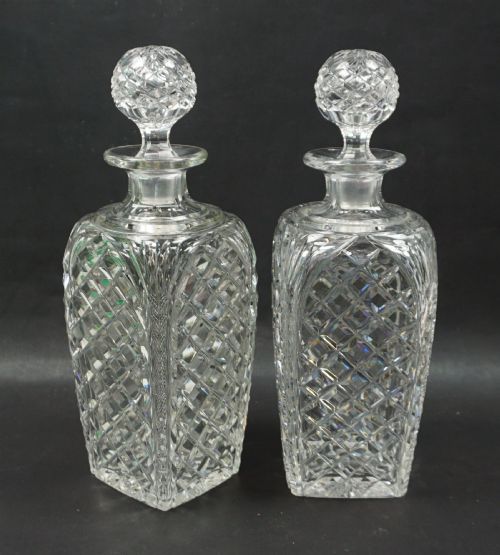
These antique glass spirit decanter pieces are heavy-walled vessels for holding liquor, prized for their decorative cut facets and period character.
What these decanters are
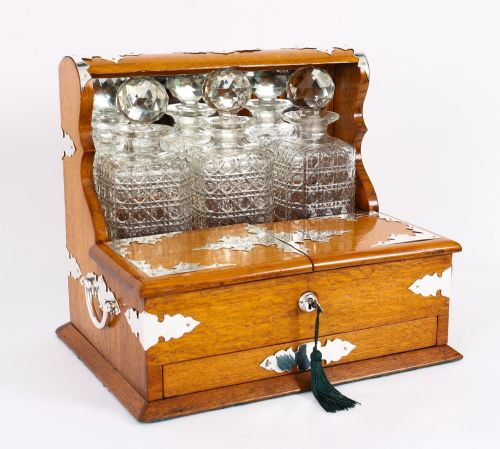
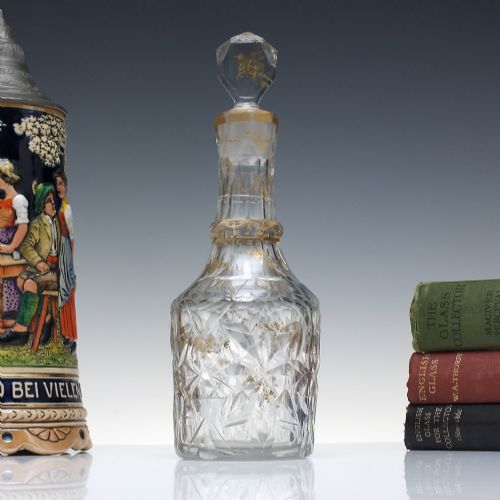
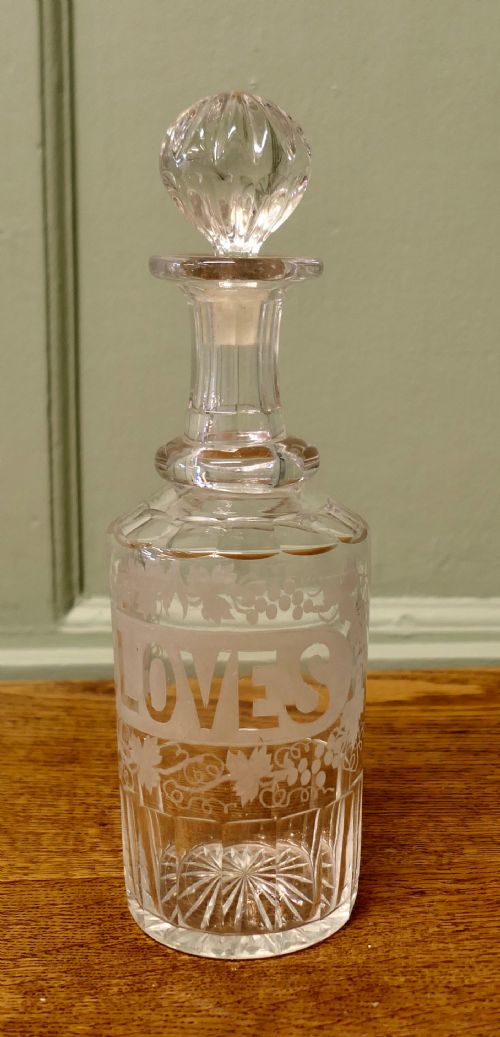
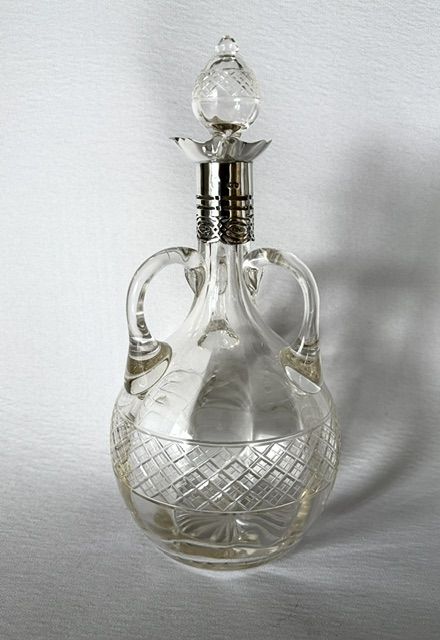
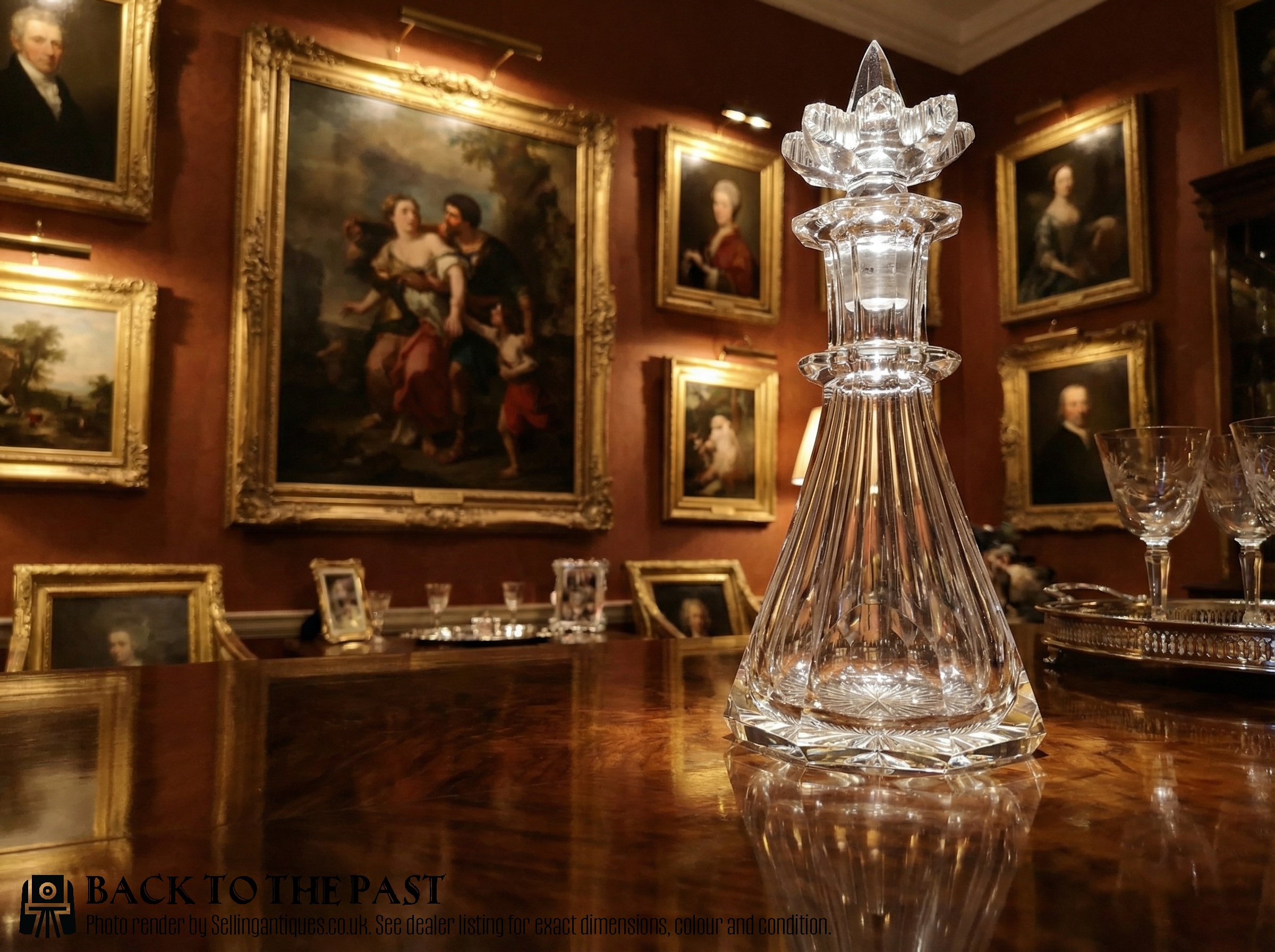
An antique glass spirit decanter is a serving vessel designed for holding liquors such as whisky, sherry, and claret upon a sideboard or table. The examples found here span several distinct periods, including Victorian, Edwardian, and Art Deco designs.
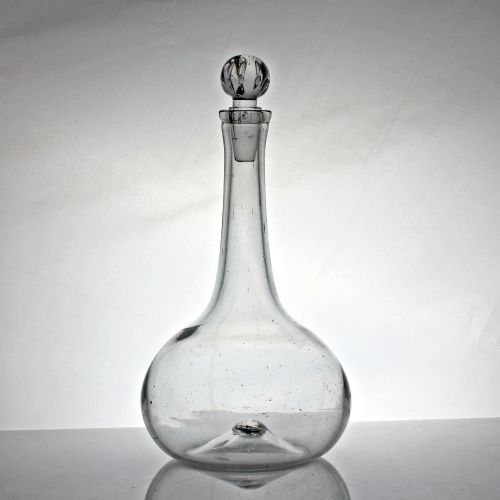
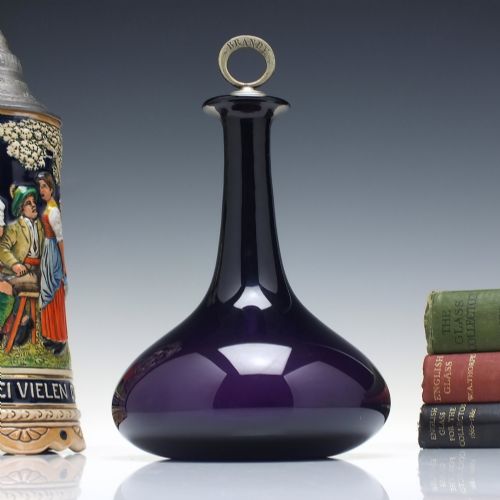
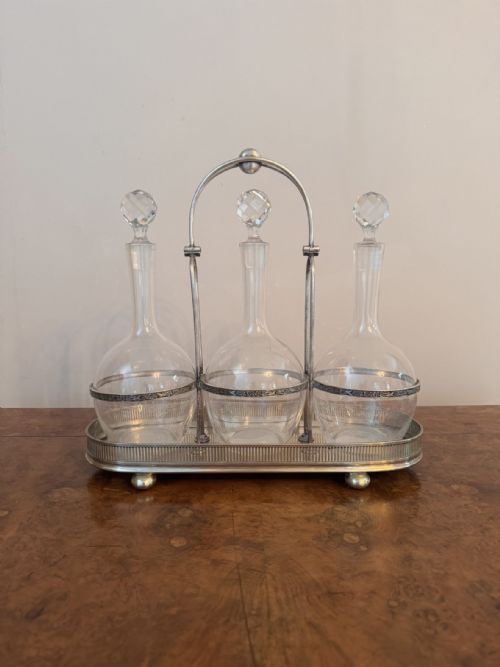
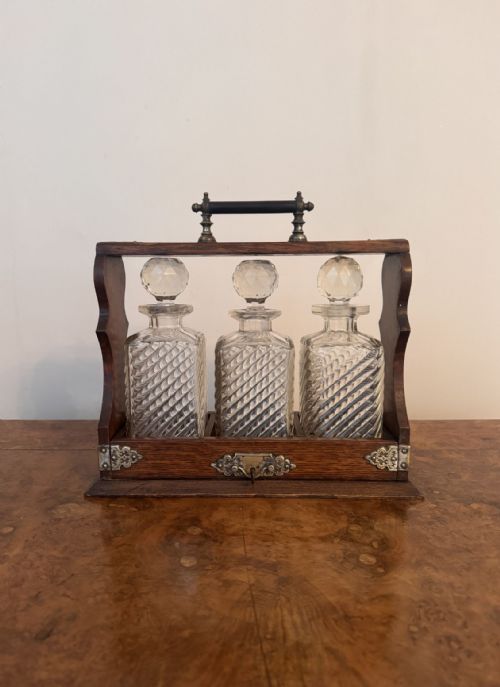
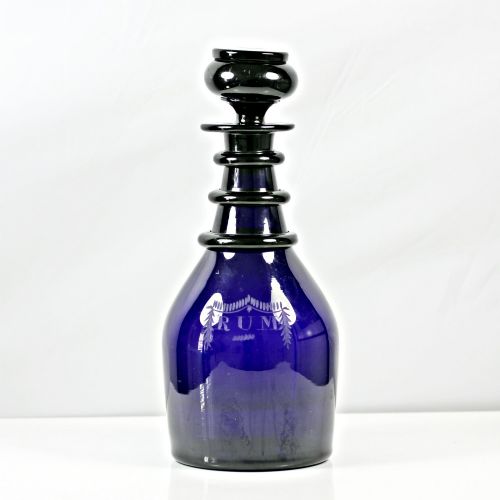
The selection ranges from single vessels like ships decanters and claret jugs to matched sets complete with glasses or matching trays. Materials vary from clear crystal and standard glass to amber glass and stained glass.
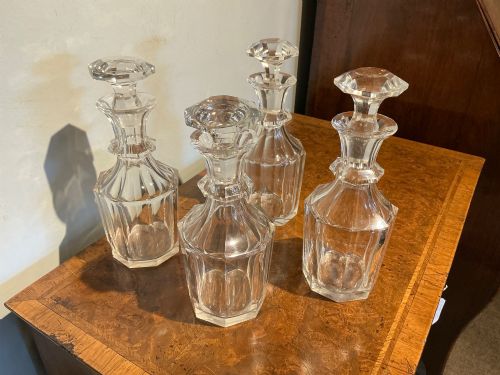
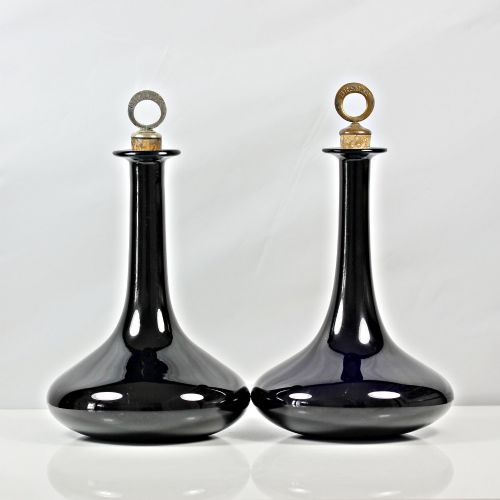
Forms change according to their era, shifting from the wide-based proportions of nineteenth-century vessels to the geometric silhouettes of the nineteen-thirties. Buyers encounter both individual statement pieces and pairs intended for matching service.
How they were made
Makers shaped these vessels using hot glass techniques, blowing the molten material into moulds or free-handing the primary body. Workers then applied surface decoration through wheel-cutting, hobnail patterns, and enamel detailing.
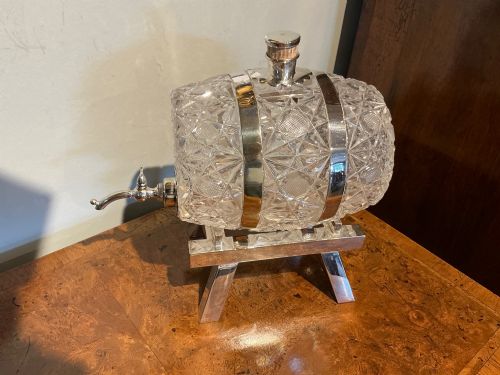
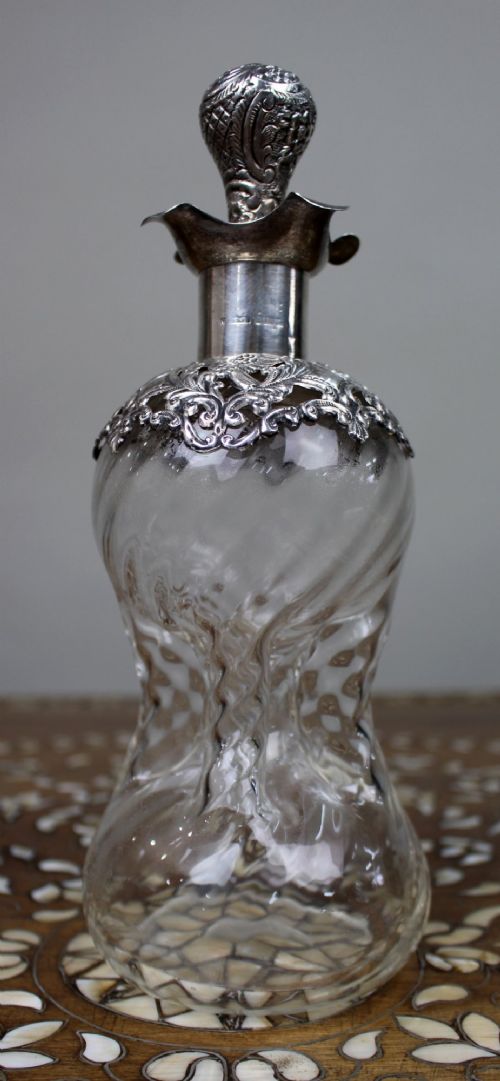
Accessories incorporated into these pieces include metal mounts, cork stoppers, and fitted trays. Crystal and glass bodies received extensive hand-polishing to achieve their clarity and reflective surfaces.
Retail Price Guide 2026
Typical UK retail prices for glass spirit decanter, calculated from the Sellingantiques database of over a million retail prices indexed since 2003. This retail price guide relies exclusively on Sellingantiques data; no external sources or auction records are used, so the figures do not describe the wider market.
Materials recorded across the inventory include cut glass, crystal, amber glass, metal, cork, stained glass, and enamel.
What varies in quality
Quality rests upon the crispness of the wheel-cut facets and the weight of the metal or crystal components. Finer examples display precise geometric patterns and heavier substance in the hand.
Completeness alters the character of a piece, particularly when sets retain their original matching glasses and trays. The clarity of the glass and the retention of original stoppers distinguish the best specimens.
The Antique Glass Spirit Decanter Glossary
- Cut glass
- Glass decorated by grinding facets or patterns into the surface using rotating wheels. This technique creates sharp light refraction across the body of the vessel.
- Hobnail cut
- A raised, pointed pattern carved into the glass surface resembling the hobnails used on heavy boots. It provides tactile grip and high visual sparkle.
- Claret jug
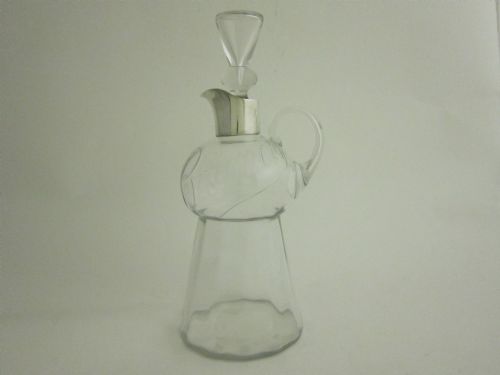
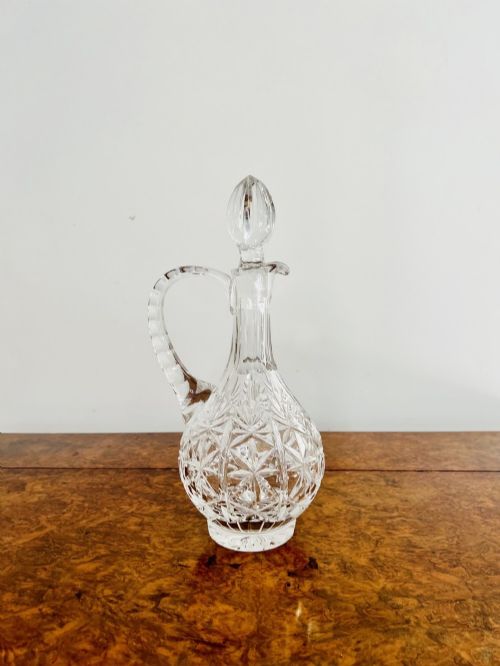
- A specialised pouring vessel with a handle and spout designed specifically for serving red wine. They frequently feature metal mounts and hinged lids.
- Gothic Revival
- A nineteenth-century design style drawing inspiration from medieval architecture and ornamentation. Pieces in this style often display heavier, structural forms.
- Ships decanter
- A vessel featuring a wide base that prevents tipping during movement at sea. This practical form remained popular across multiple design periods.
Frequently Asked Questions
How do I clean an antique decanter?
Resist using harsh abrasives or putting these vessels in a dishwasher. Warm water and non-scratch bottle brushes preserve the historic glass.
Allow the interior to dry completely by standing the vessel upside down on a cloth. Avoid sudden temperature changes to protect the old material from thermal shock.
Are these decanters safe for daily use?
Most of these vessels can hold modern spirits without issue. Check the interior for cloudiness or residue before serving drinks.
Lead crystal varieties should not store liquids for extended periods. Pour spirits directly into the vessel shortly before serving guests.
How do I identify Victorian pieces?
Victorian examples often feature deep hand-cutting, heavy crystal construction, and robust proportions. Look for hobnail patterns and traditional globular or mallet shapes.
Stoppers on these pieces are typically heavy and individually ground to fit the specific neck. Matching pairs are frequently encountered from this era.
What defines an Art Deco set?
Art Deco decanters from the nineteen-thirties emphasise geometric lines, smooth planes, and contrasting colours like amber. These sets regularly include matching glasses and dedicated trays.
Czech production is prominent among these modernist examples. The overall aesthetic moves away from Victorian clutter toward streamlined silhouettes.