
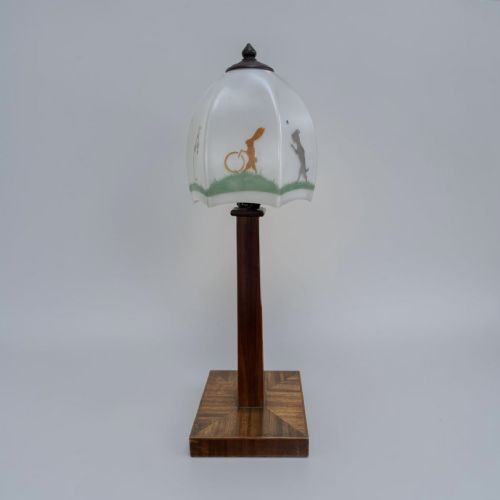
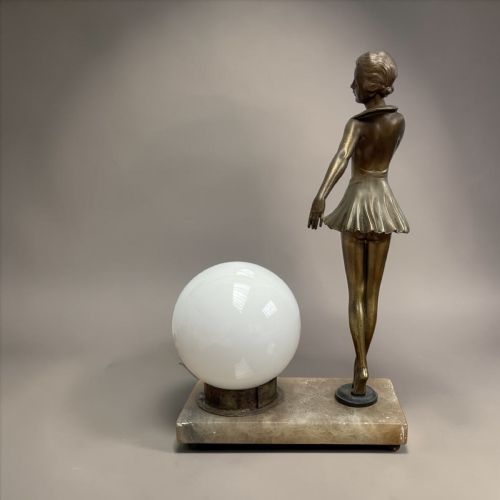
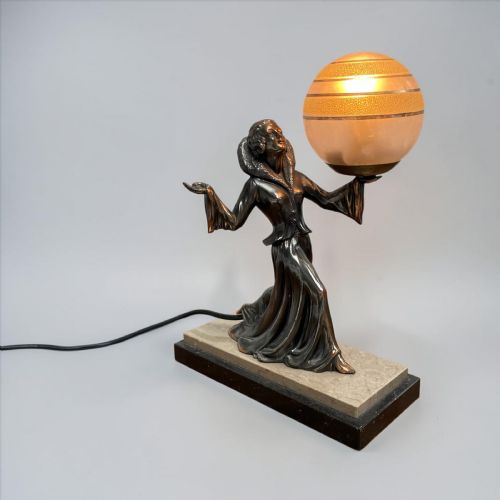
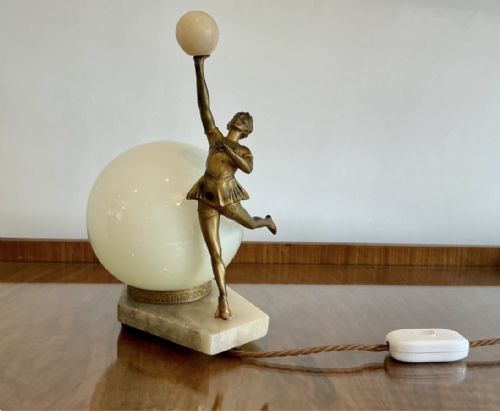


Antique Glass Lamp Base
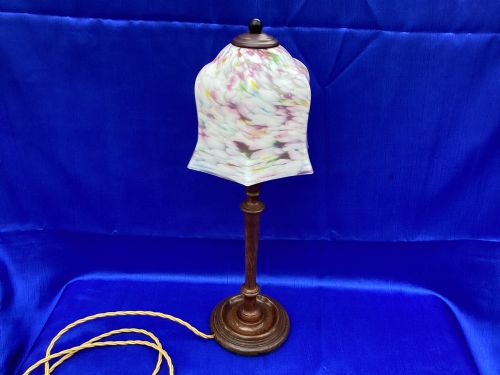
An antique glass lamp base brings rich colour and textured light to a room, drawing the eye with solid weight and traditional craftsmanship.
Antique Glass Lamp Base
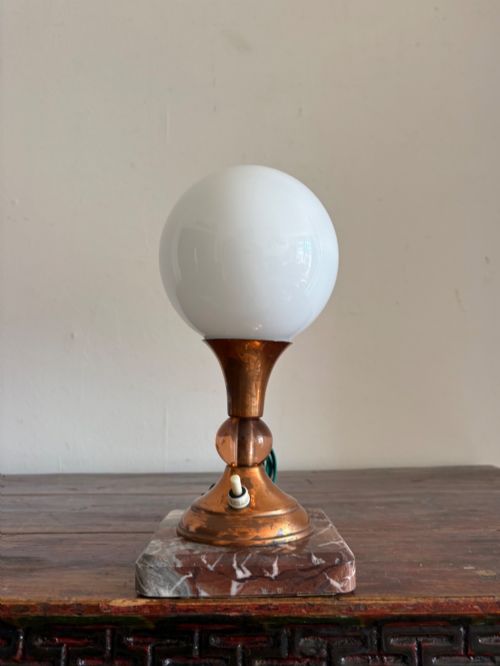
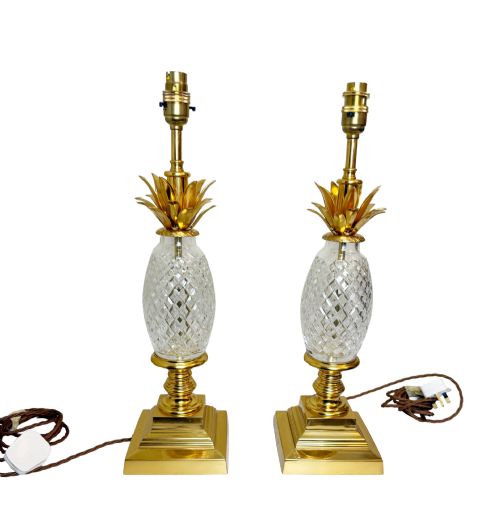
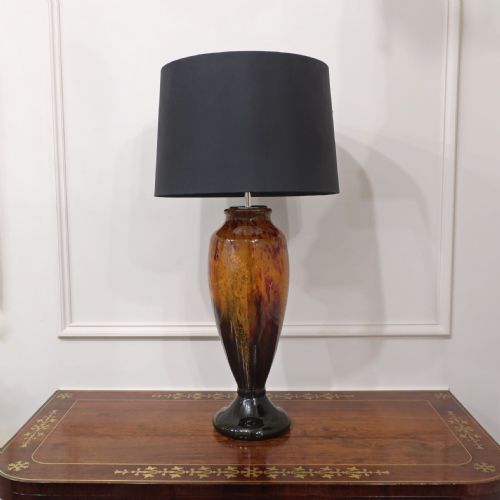
An antique glass lamp base combines functional domestic lighting with decorative glassmaking traditions spanning the Victorian era through the Art Deco period. These pieces originate from table lamps, oil lamps, and floor lamps, utilising glass alongside brass, marble, and ceramic components.
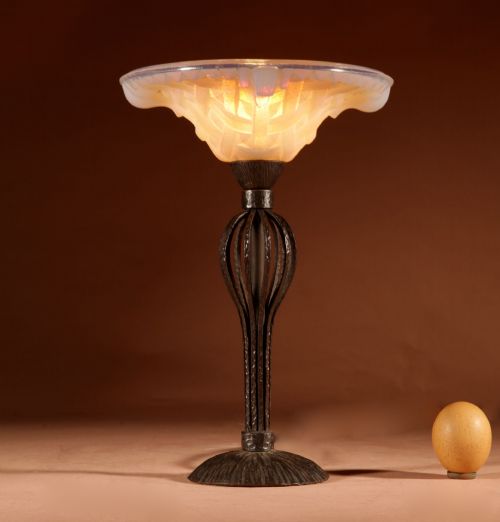
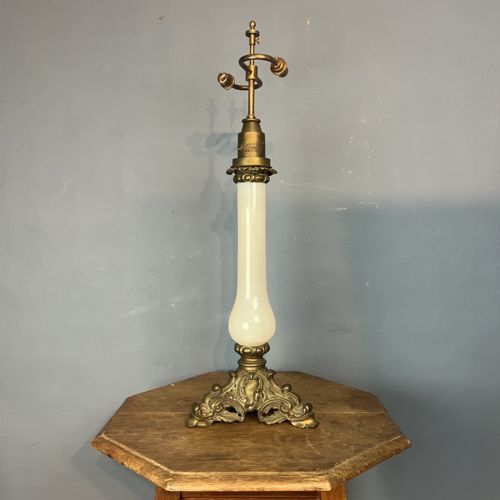
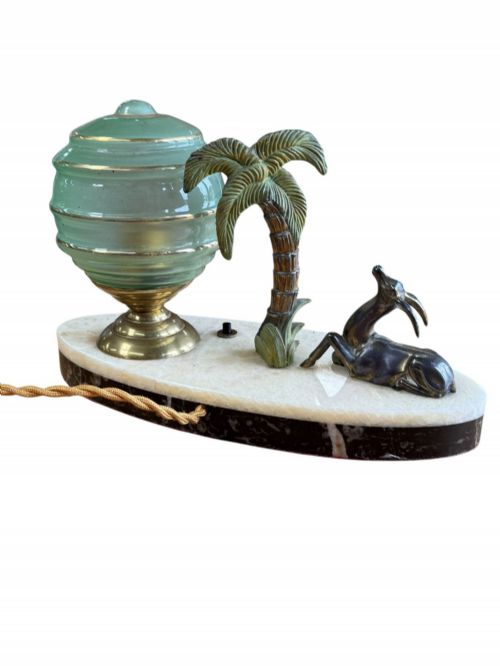
Buyers encounter Victorian opaline glass columns, cut crystal designs from the nineteenth century, and French Art Deco opalescent or frosted figurines. Many examples incorporate metal mounts, gilt brass, or wrought iron bases to support the substantial weight of the glass body.
The selection ranges from nineteenth-century English cut glass vessels to early twentieth-century French novelties and modernist forms. These lamps serve as focal points in traditional and period interiors, retaining their original character through surviving shades and metal fittings.
How they were made
Makers shaped glass through blowing, moulding, and cutting, producing smooth opaline surfaces or deep, light-refracting facets in crystal. Artisans often combined glass bodies with cast brass, bronze, marble, and silver-plated mounts to provide stability and structural support.
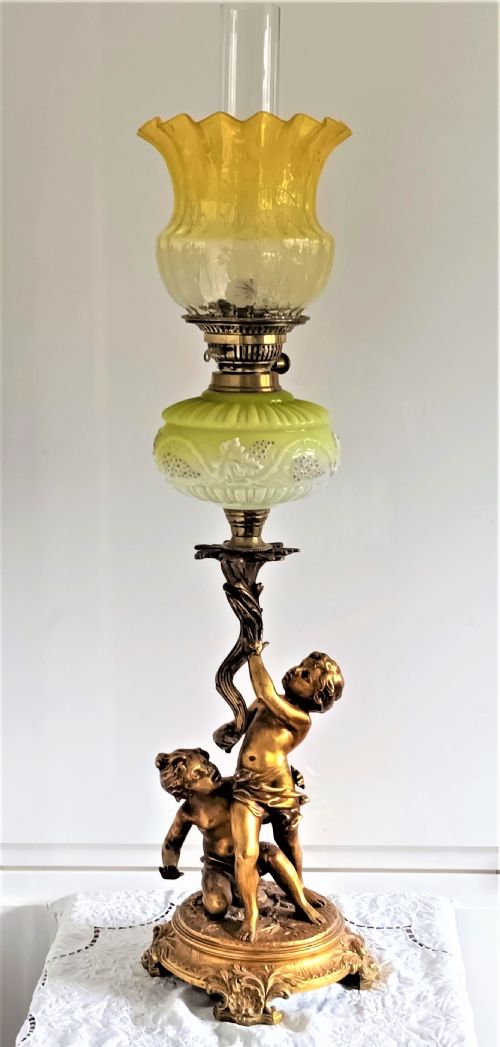
Decoration involved acid etching, frosted finishes, gilding, and the integration of wrought iron or spelter frames, particularly in French Art Deco and Art Nouveau designs. Metal components were frequently secured with central threaded rods, connecting the glass reservoir or column to a heavy pedestal base.
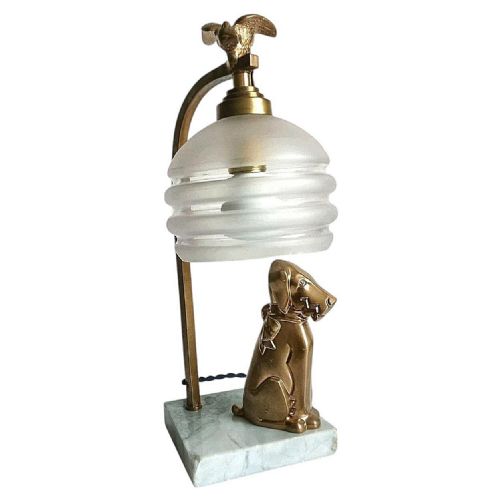
Several lamps feature sculpted dogs and parrots keeping silent watch beside the bulb.
What varies in quality
Quality rests in the clarity and weight of the glass, the crispness of the cutting, and the sophistication of the metal mountings. Superior pieces display hand-finished bronze or gilt brass fittings rather than stamped sheet metal, alongside heavier, unblemished glass bodies.
Design distinction separates standard production from works attributed to notable glasshouses and metalworkers. The integration of original patinated hardware, marked maker components, and sculptural figural bases elevates the piece above simpler utilitarian lighting.
Lacroix Lalique·Goldsmiths and Silversmiths Company·Mc Gary·Joseph Hinks·Daum·Baccarat
The Antique Glass Lamp Base Glossary
- Opaline glass
- An opaque or translucent glass, often in white or pastel shades, popular in Victorian and Belle Epoque lighting. It diffuses light with a soft, milky glow.
- Cut glass
- Glass decorated by grinding facets or geometric patterns into the surface using a rotating wheel. This technique maximises sparkle and refraction.
- Spelter
- A zinc alloy used as a cost-effective substitute for bronze in decorative bases and figural lamps. It is typically electroplated or painted to simulate richer metals.
- Peg oil lamp
- A small lamp font designed to drop into the aperture of a separate candlestick or base. It allows interchangeability between vessels and stands.
- Gilt bronze
- Bronze metal coated with a thin layer of gold or gold-coloured alloy. It provides a durable, lustrous finish that resists tarnishing over time.
Antique Glass Lamp Base: Frequently Asked Questions
How do I clean an antique glass lamp base?
Wash the glass gently with lukewarm water and mild soap, supporting any attached metal mounts to prevent strain.
Dry thoroughly with a soft cloth and avoid submerging mixed-material pieces where moisture could damage internal rods or historic wiring.
Can these old lamps be safely rewired?
Most antique lamps require modern rewiring to meet contemporary safety standards and fit standard household bulbs.
Professional electricians can usually thread modern flex through the existing central channel without altering the historic exterior structure.
How do I distinguish Victorian from Art Deco designs?
Victorian pieces lean towards ornate brass mounts, opaque opaline columns, and classical floral motifs.
Art Deco examples favour geometric lines, stylized figural motifs, frosted glass, and contrasting materials like chrome or wrought iron.
What type of shade suits these lamp bases?
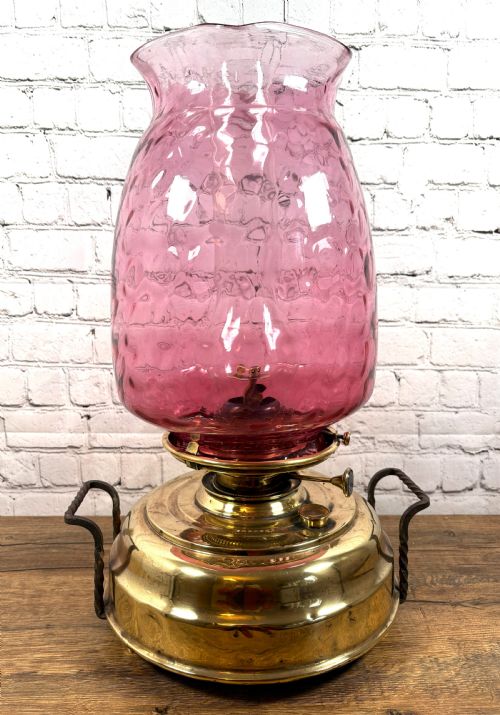
Original pairings often feature matching glass shades, such as cranberry glass or opaline globes, secured by original brass galleries.
Fabric shades also complement mid-century or transitional pieces, provided the scale balances the weight of the glass body.