



Antique Glass Jewellery Box
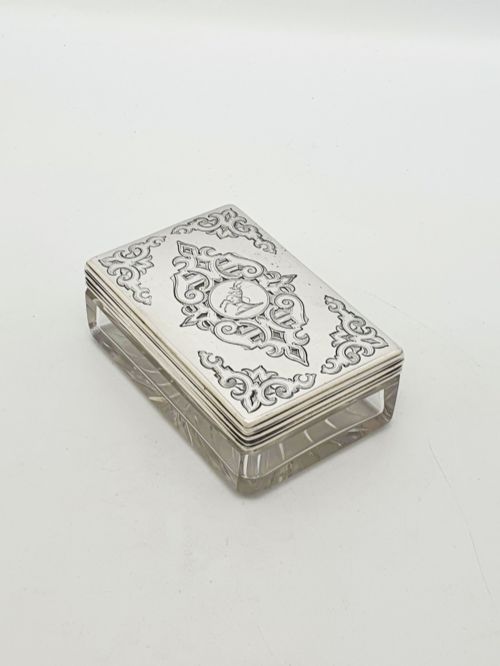
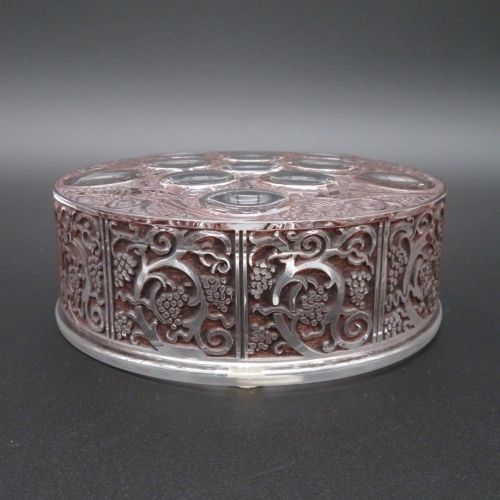
An antique glass jewellery box holds personal treasures behind clear panels, combining utility with decorative metal mounts from the Victorian and Edwardian periods.
Antique Glass Jewellery Box
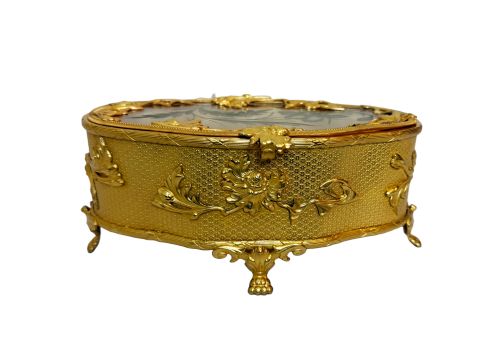
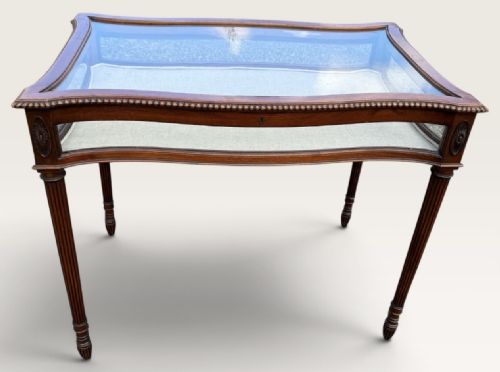
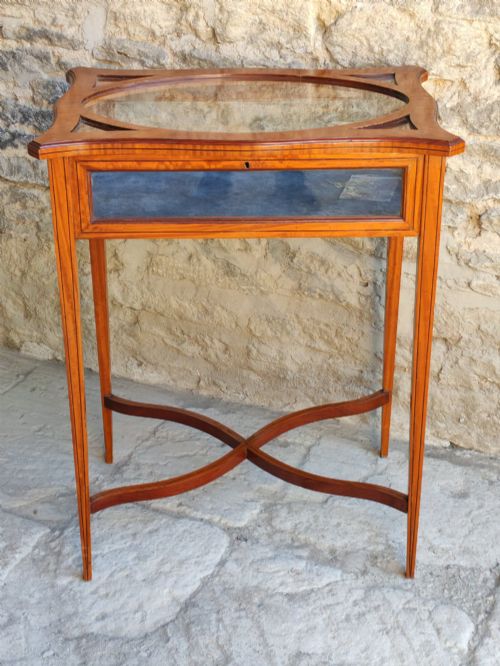
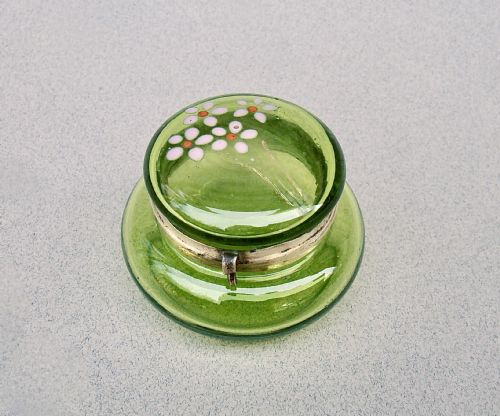
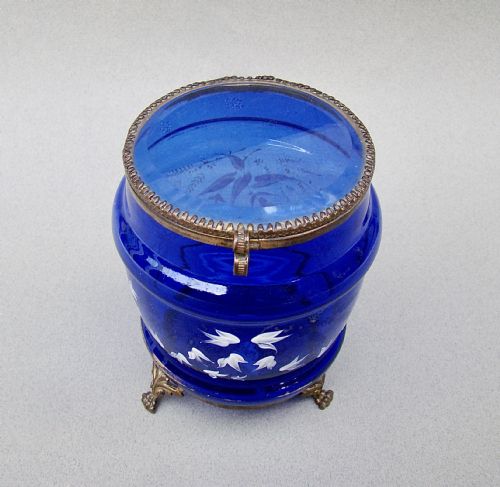
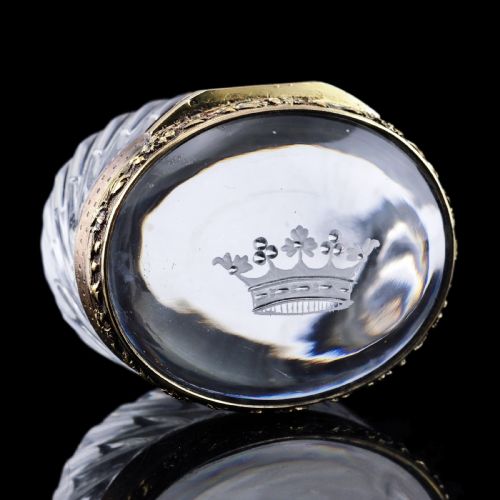
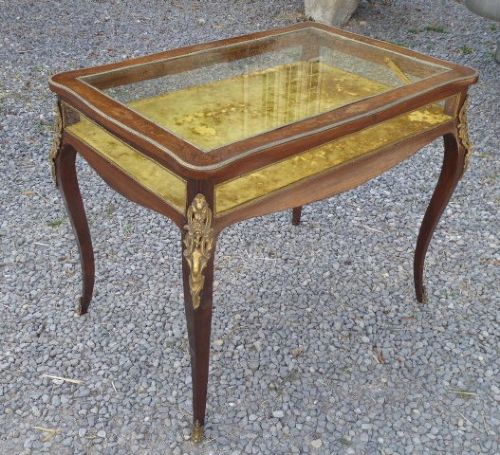
An antique glass jewellery box encompasses small lidded trinket caskets, table-standing display cabinets, and larger bijouterie tables designed to showcase precious items. These pieces emerge predominantly from Victorian, Edwardian, and nineteenth-century French workshops.
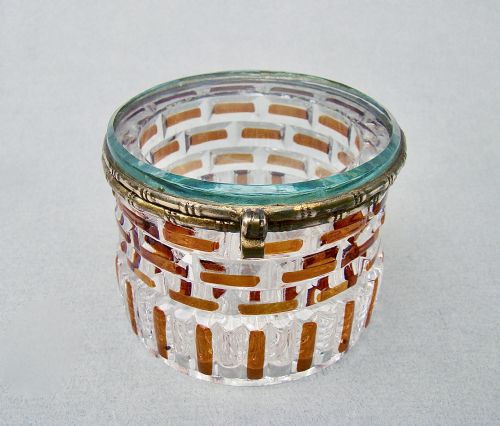
The selection ranges from compact amber, blue, and green glass boxes mounted in ormolu to substantial walnut and mahogany display furniture with bevelled glass viewing panels. Smaller table vessels sit alongside floor-standing bijouterie furniture meant for drawing rooms.
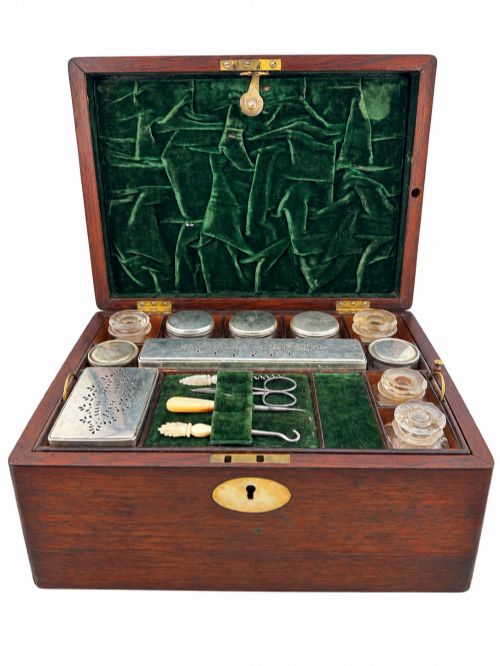
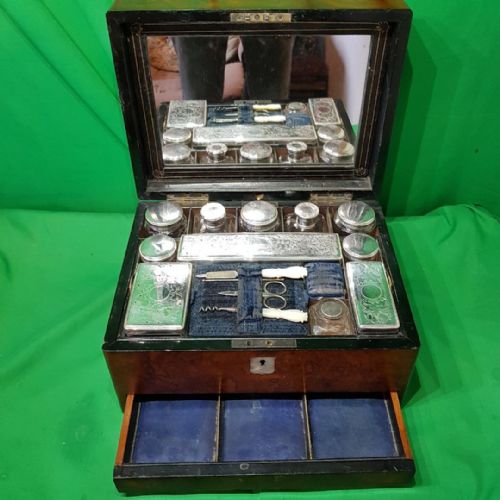
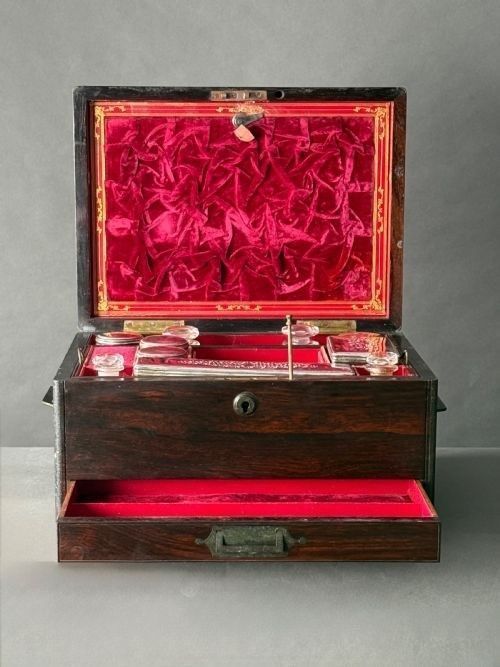
Makers utilised various coloured and clear crystal alongside timber frames of mahogany, satinwood, and walnut. Interior compartments often retain original velvet, fabric, or satin linings intended to protect delicate ornaments.
How they were made
Workshops combined heavy cast ormolu, brass, and silver gilt metalwork with bevelled or cut glass panes to construct sturdy caskets and display tables. Timber frames utilised solid mahogany, walnut, and rosewood with marquetry or mother-of-pearl inlay.
Glass production involved mould-blowing, cutting, and enamelling, seen in coloured Bristol blue, ruby red, and amber vessels. Artisans fitted hinged brass mounts and corner brackets to secure the glass panels tightly to the wooden or metal frames.
Antique Glass Jewellery Box Retail Price Guide 2026
Typical asking prices for glass jewellery box among the pieces listed under this phrase on Sellingantiques today, from the lower quarter to the upper quarter. They describe what is for sale here now, not the wider market.
What varies in quality
The weight and crispness of the cast bronze or ormolu mounts dictate the finish of a piece, with finer examples showing deeply chased details rather than simple moulded metal. Glass clarity and the precision of the cut facets also separate standard production from superior items.
Internal elements such as fitted velvet or satin linings and working brass locks with original keys indicate higher workshop standards. Timber selection, including burr walnut and figured mahogany, marks the distinction between everyday boxes and luxury display furniture.
Posen of Frankfurt and Berlin·S Theeman·Moser
The Antique Glass Jewellery Box Glossary
- Bijouterie table
- A glass-topped display table designed specifically for showcasing small ornaments and jewellery. These pieces usually feature hinged lids and velvet-lined interiors.
- Ormolu
- Gilded bronze used extensively for mounts and decorative frames during the nineteenth century. This technique provides a bright golden finish on metal hardware.
- Bevelled glass
- Glass panes with angled edges cut and polished to a specific slope. This treatment catches the light and adds depth to display cases and trinket boxes.
- Marquetry
- Decorative wood inlay using various veneers to create pictorial patterns on furniture surfaces. Craftsmen applied this technique to mahogany and satinwood boxes.
Antique Glass Jewellery Box: Frequently Asked Questions
What is a bijouterie table?
A bijouterie table is a raised display stand featuring glass panels and a hinged top designed to exhibit small decorative items. They became popular in nineteenth-century drawing rooms for showing off personal collections.
These pieces combine furniture making with glasswork, often supported on slender legs with brass or ormolu mounts.
How do I clean the glass?
Cleaning requires a soft cloth and mild glass cleaner applied sparingly to avoid damaging the surrounding metal mounts or fabric linings. Moisture must be kept away from antique wood and velvet interiors.
Gentle dusting with a dry microfibre cloth suffices for regular maintenance of delicate surfaces.
Are original linings common?
Many caskets retain their original silk, velvet, or satin linings, though wear depends on how heavily the box was used. Faded or worn fabric reflects age and historical use.
Replacing a lining is occasionally necessary, but surviving original interiors are preferred by collectors.
How to date these boxes?
Dating relies on the combination of timber types, metal casting styles, and glass manufacturing techniques. Victorian examples frequently utilise burr walnut and heavy ormolu, while Edwardian pieces often feature lighter mahogany and satinwood.
Maker marks, where present on the metalwork, provide a more precise point of origin.