


Antique Glass Display Vase
These antique glass display vase examples span Victorian epergnes and Art Deco creations, offering distinct character for interior display.
Antique Glass Display Vase
When you search for an antique glass display vase, you encounter a diverse array of decorative vessels designed to showcase blooms, centrepieces or craftsmanship itself. The selection spans the nineteenth century up through the nineteen-thirties, capturing major shifts in aesthetic taste.
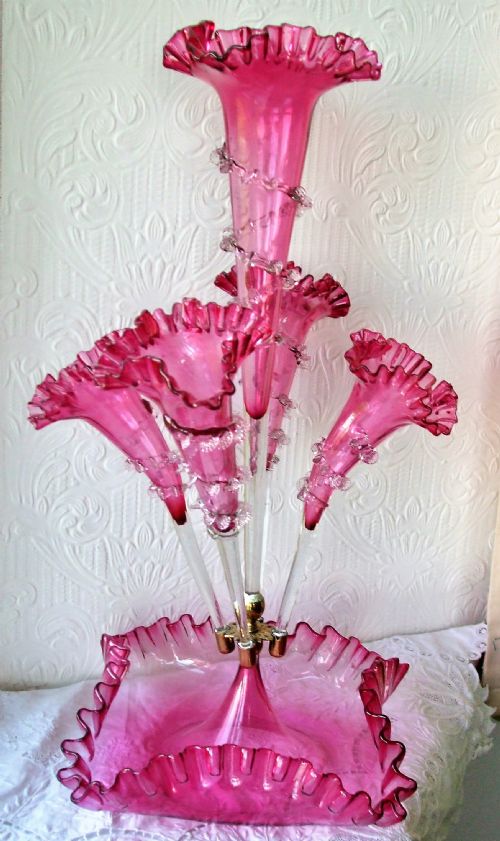
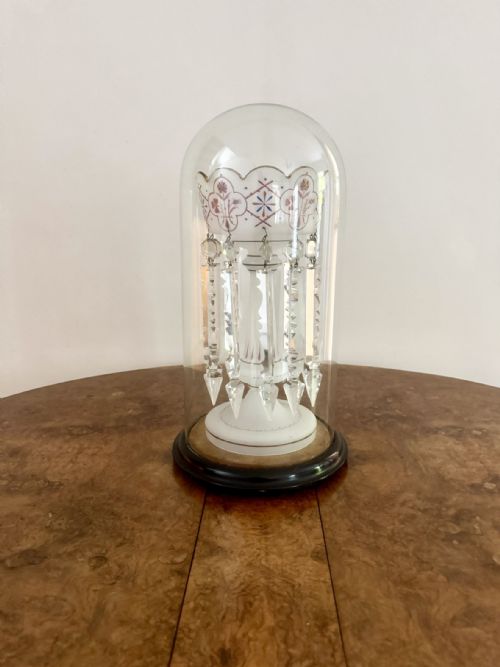
The pieces most frequently met on this page include Victorian cranberry glass epergnes, late nineteenth-century French crystal centrepieces, and Art Deco opalescent or enamelled vases. These forms range from simple handled urns to elaborate mantel lustres with matching domes and hand-painted motifs.
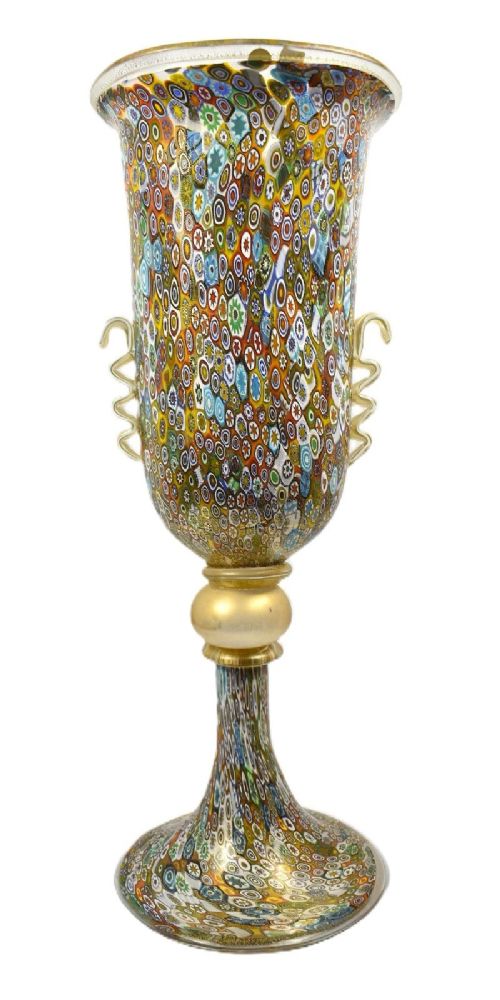
Originating across England, France, Italy and Scotland, each antique glass display vase reflects the regional glassmaking traditions of its era. Whether looking for Venetian millefiori or heavy Scottish Monart work, collectors find distinct material qualities that define each period.
Materials and technique
Makers utilised clear glass, crystal, opaque glass and vibrant cranberry glass as the primary mediums for shaping these vessels. Techniques involved free-blowing, moulding and layering, often combined with applied brass mounts or wooden bases.
Decoration relied heavily on surface treatment, including hand-painted enamels, gold leaf gilding and acid-etched geometric patterns. Workshops applied these intricate finishes directly to the glass body while hot or during subsequent cooling stages.
Listings span the nineteenth century to the nineteen-thirties, featuring materials like cranberry glass, crystal, brass and gold leaf across English, French and Italian origins.
What separates the best examples
Quality in these vessels depends on the precision of the glassblowing and the crispness of any applied decoration. Superior examples display even thickness, balanced proportions and clean pontil marks where the piece left the maker's pipe.
The refinement of surface embellishment further divides standard production from exceptional work. Hand-painted enamel details, precise gold leaf gilding and complex cameo or millefiori integration require advanced artisan skill that elevates the overall execution.
St Louis glassworks·R Lalique·Jean Francois Robert·Monart
The Antique Glass Display Vase Glossary
- Epergne
- A large table centrepiece featuring a central trumpet vase surrounded by smaller hanging baskets or trumpets. These multi-tier vessels were traditionally used to serve fruit or display flowers during dining.
- Cranberry glass
- A rich red-pink transparent glass created by adding gold chloride to the molten batch. It gained immense popularity during the Victorian period for decorative tableware and epergnes.
- Mantel lustre
- A decorative glass vase or urn hung with cut crystal prisms designed to catch the light. They were commonly placed in pairs on fireplace mantels.
- Millefiori
- A glasswork technique involving multi-coloured rods fused together and sliced to reveal mosaic patterns. The term translates from Italian to mean a thousand flowers.
- Opalescent glass
- A type of glass that appears milky or translucent with a shifting play of colour across its surface. It was heavily utilised during the Art Deco era to create soft lighting effects.
Antique Glass Display Vase: Frequently Asked Questions
How do I clean an antique glass display vase?
Dust gently with a soft, dry cloth to preserve delicate surface finishes like gold leaf and enamel.
Avoid submerging pieces with applied metal mounts, brass, or wooden components in water to prevent structural damage.
Can I use these vases for fresh flowers?
Many of these vessels were designed specifically for floral display, particularly epergnes and large decorative vases.
Take care with antique glass interiors and avoid sudden temperature changes that could cause thermal shock.
How do I identify a Victorian piece?
Victorian examples often feature rich cranberry colouring, hand-painted floral enamels, or complex epergne structures with multiple hanging baskets.
Look for heavy hand-blown glass construction and polished pontil marks on the underside.
What defines Art Deco glass vases?
Art Deco pieces from the nineteen-thirties typically showcase geometric etching, opalescent finishes, or stylised floral motifs.
Forms tend to be bold and architectural, reflecting the modern design movements of the interwar period.