
Antique Giltwood Fauteuil
An antique giltwood fauteuil brings formal seating with open arms, carved wood, and gilded surfaces straight from period salons into the modern room.
Antique Giltwood Fauteuil
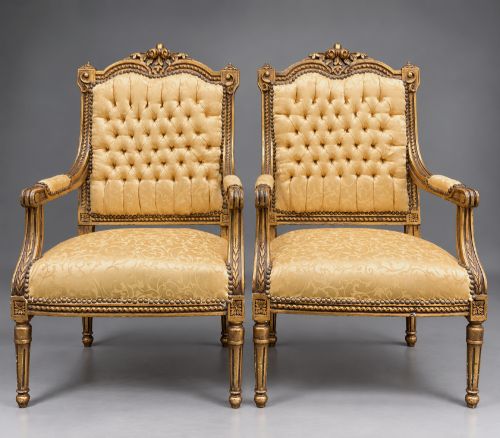
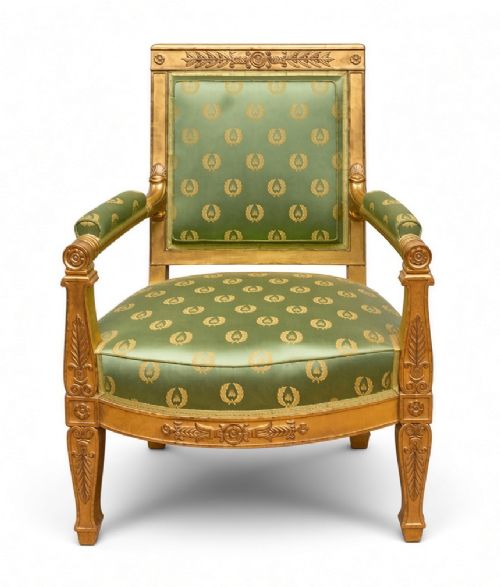
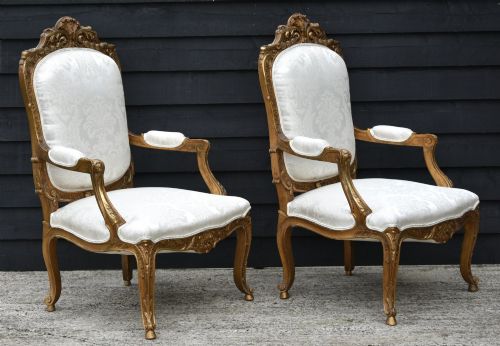
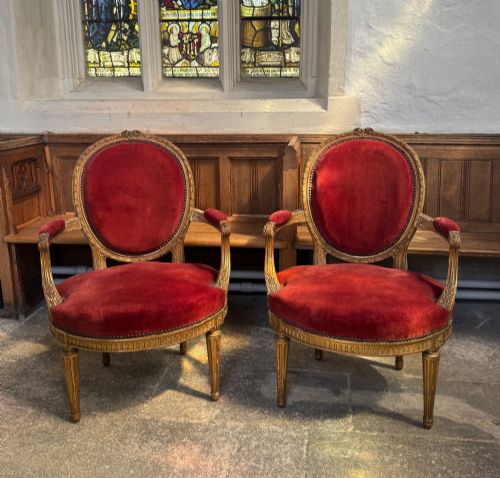
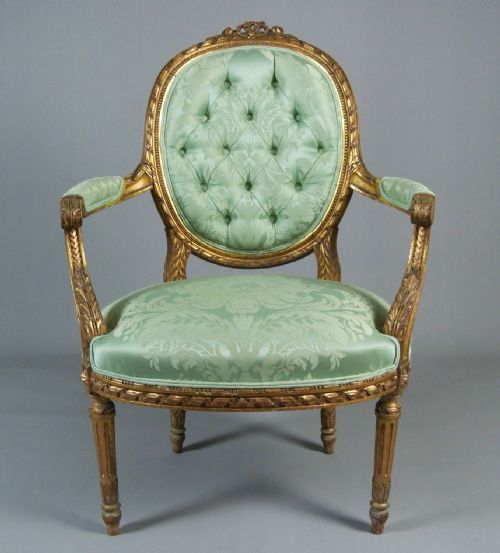
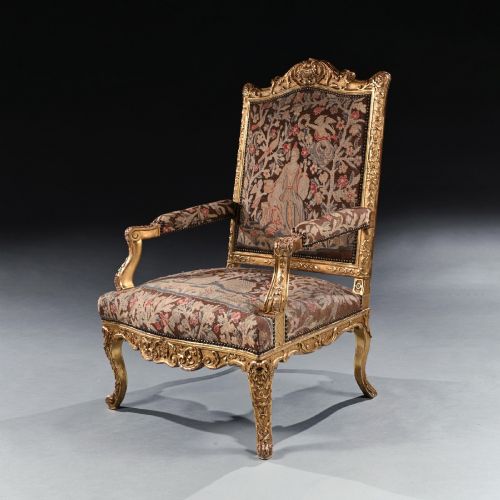
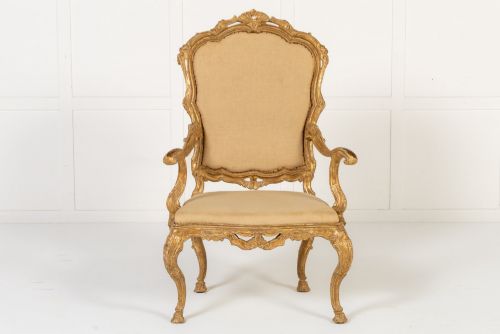
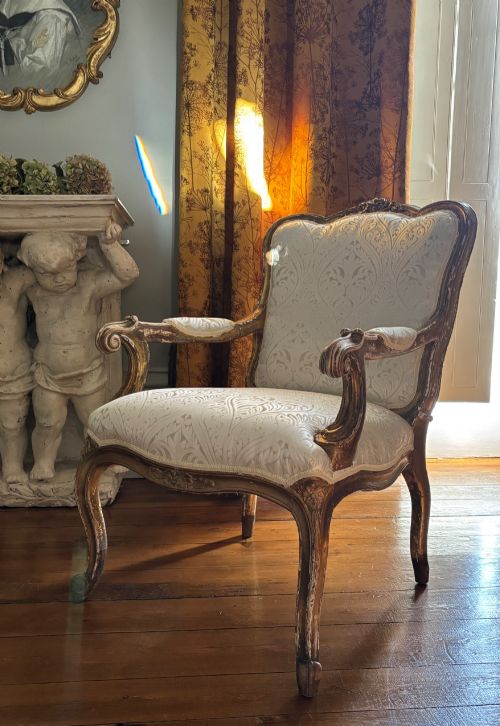
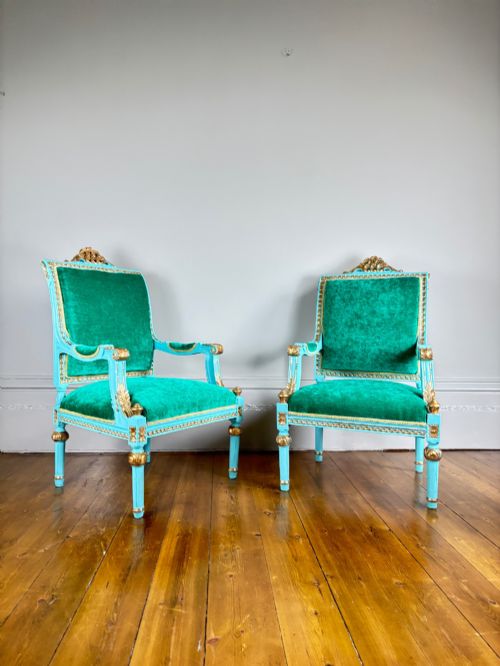
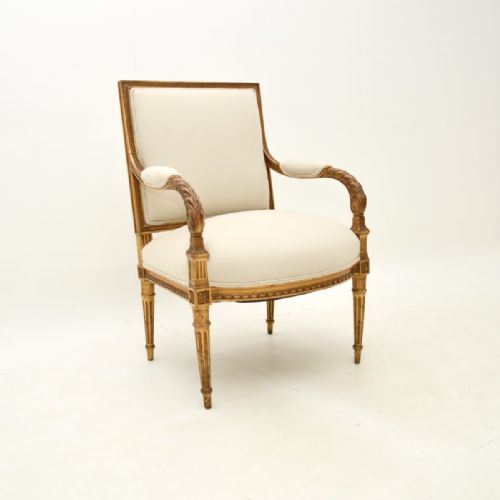
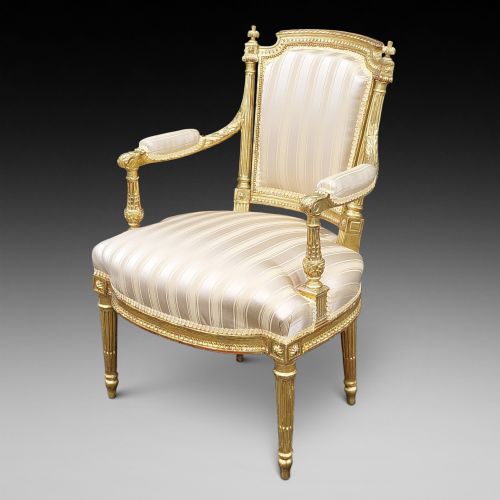
An antique giltwood fauteuil is an open-armed upholstered seat designed in France and Italy during the eighteenth and nineteenth centuries. These formal chairs appear in various revival idioms, notably Louis XVI style, French Rococo, and Regence.
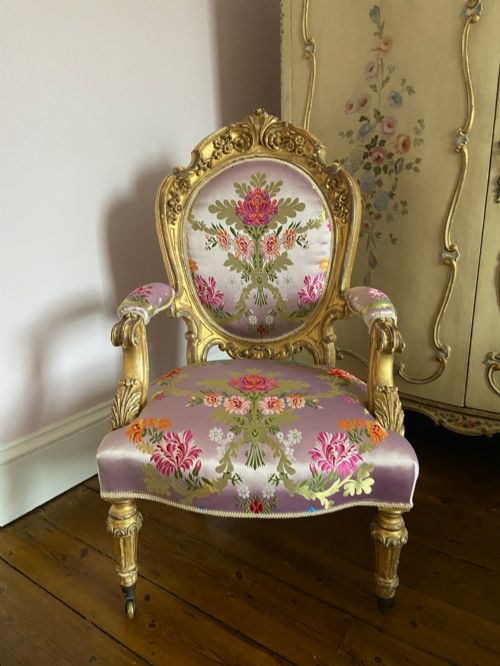
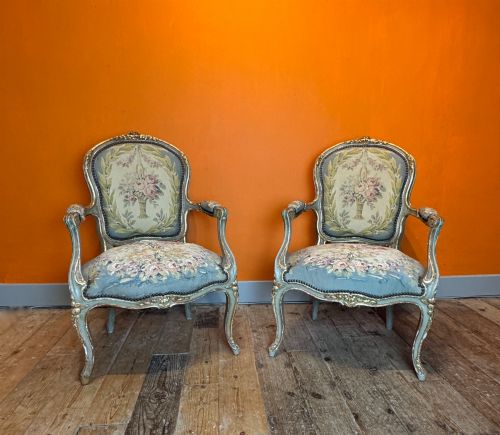
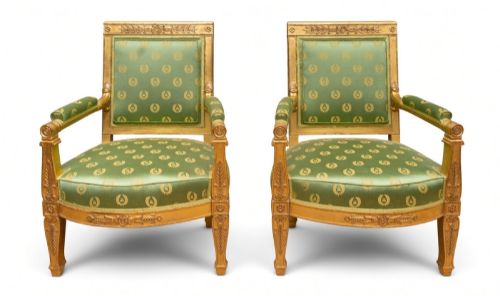
The pieces present wood frames coated in gold leaf or silver gilt, accompanied by upholstered seats and backs. Many items survive as pairs or larger suites rather than isolated examples.
Buyers encounter eighteenth-century origins alongside nineteenth-century interpretations and later revival pieces from nineteen hundred. Formats range from standard salon armchairs to large throne chairs and smaller bedroom chairs.
Materials and construction
Carved timber frames form the core of these chairs, utilising beech, walnut, and general wood substrates shaped by hand. Craftsmen applied thin layers of gold leaf or silver gilt over a prepared ground on the wooden surface.
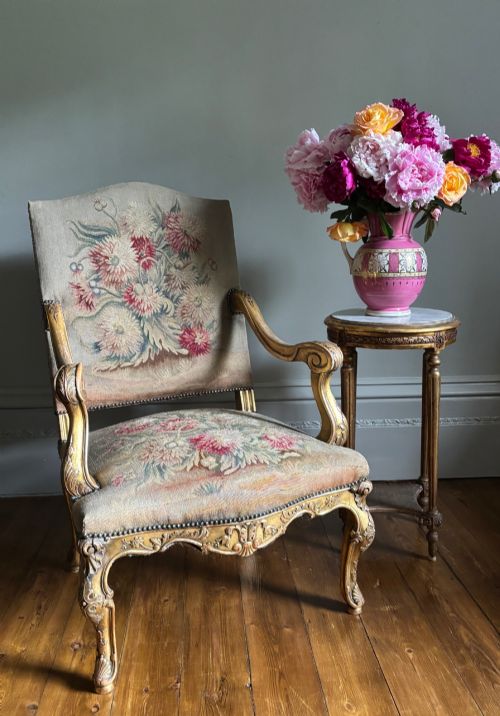
Upholstery completes the structure, employing traditional fabrics such as tapestry, silk, velvet, and brass tacks to secure the textile coverings to the frame.
Some nineteenth-century makers evidently enjoyed copying eighteenth-century chairs so thoroughly they managed to confuse historians for decades.
Assessing quality and execution
The depth and crispness of the wood carving distinguish finer examples from simpler workshop production. Crisp foliate motifs and balanced proportions indicate skilled hand execution.
The integrity of the gilded surface and the quality of the supporting timber determine the longevity of the piece. Surviving gilding that retains its original burnished lustre holds greater visual presence.
Jacob-Desmalter·Thomas Chippendale·Blaise Maucuy·Holland & Sons
The Antique Giltwood Fauteuil Glossary
- Giltwood
- Timber coated with thin sheets of gold leaf. The technique creates a bright metallic finish across carved decorative elements.
- Rococo
- An ornate artistic style marked by asymmetric scrollwork and shell motifs. The aesthetic dominated mid-eighteenth-century furniture design and later revivals.
- Regence
- A transitional design period bridging seventeenth-century baroque and eighteenth-century rococo styles. Pieces from this era display early curving lines and restrained ornament.
Antique Giltwood Fauteuil: Frequently Asked Questions
What is a fauteuil?
A fauteuil is a traditional open-armed armchair with upholstered back and seat elements. The design allows generous room for period dress.
These chairs served primarily in formal salons and reception rooms. They combined decorative carved woodwork with comfortable padded seating.
How do I spot a revival piece?
Revival pieces date from the nineteenth century while imitating earlier eighteenth-century designs. Examination of the timber and construction methods reveals the actual manufacturing period.
Stylistic cues often mix elements from multiple reigns. Maker attribution or hardware can clarify the timeline of construction.
Where should I place an antique armchair?
These armchairs function effectively as accent seating in living rooms or studies. Their decorative carved frames suit placement against panelled walls or near focal points.
Pairing matching armchairs creates a balanced arrangement within a larger seating group. Careful positioning protects delicate gilded surfaces from heavy daily contact.
What fabrics are used for upholstery?
Original and replacement coverings include heavy tapestry, silk fabric, and plush velvet. Textile choice often reflects the intended formality of the salon.
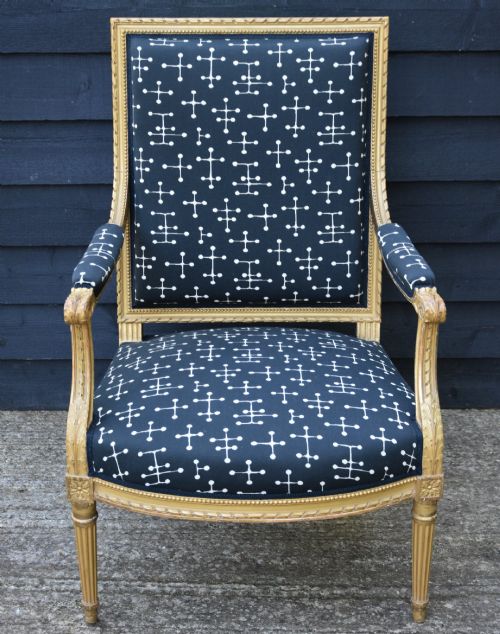
Many chairs retain later upholstery while keeping their historical wooden frames intact. Brass tacks frequently edge the fabric boundary along the seat rail.