


Ornate Accent Chairs
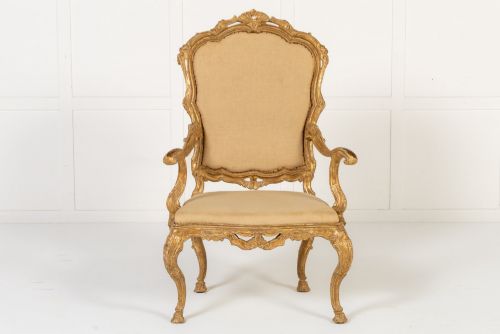
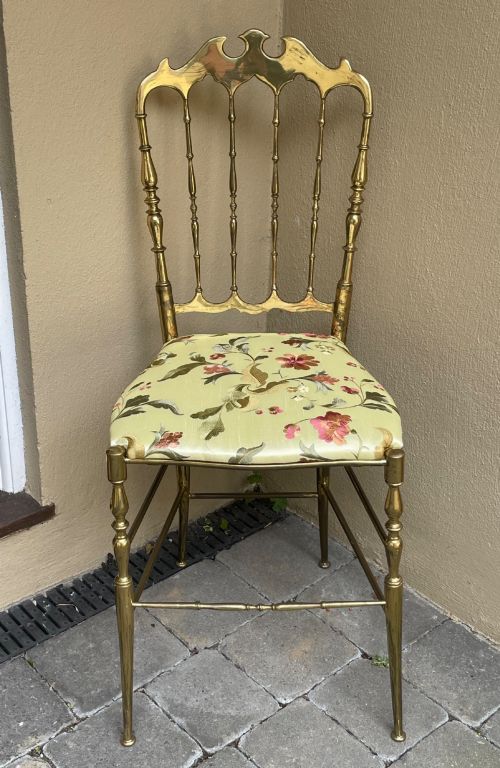
These ornate antique accent chairs bring heavy carving and gilding into modern rooms.
Ornate Accent Chairs
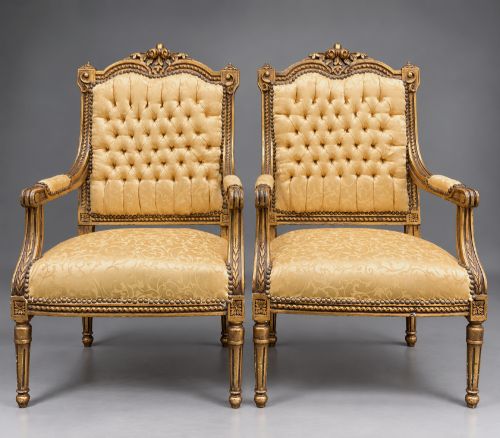
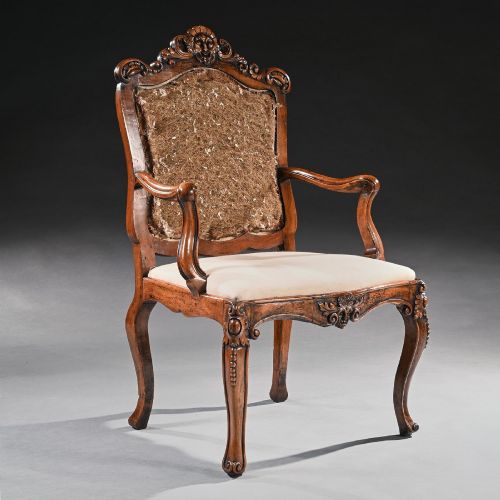
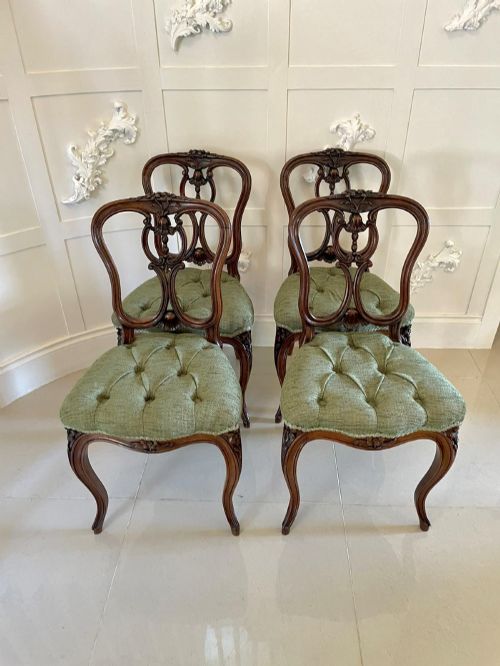
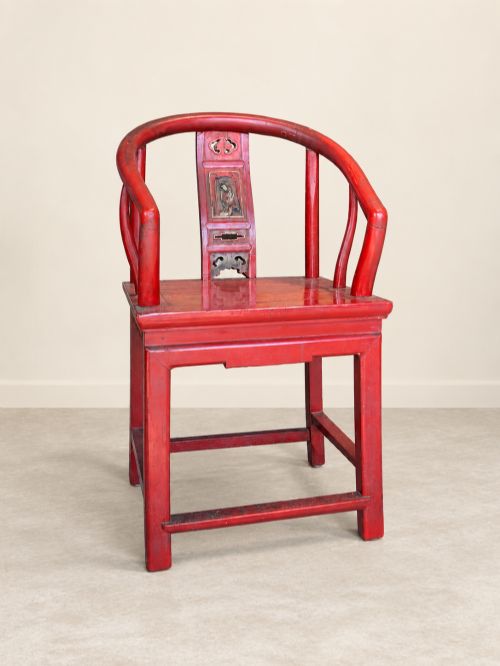
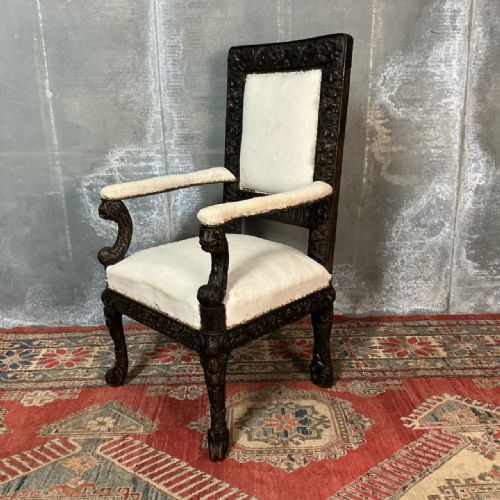
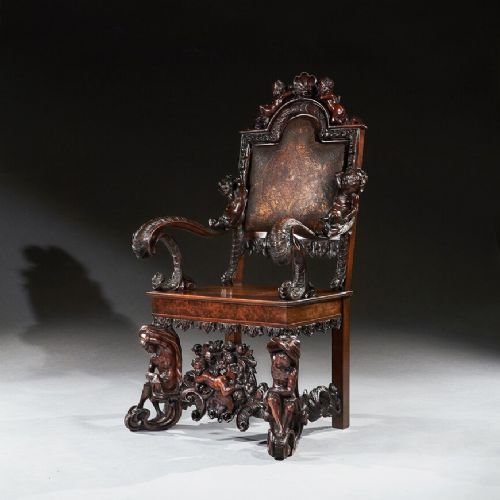
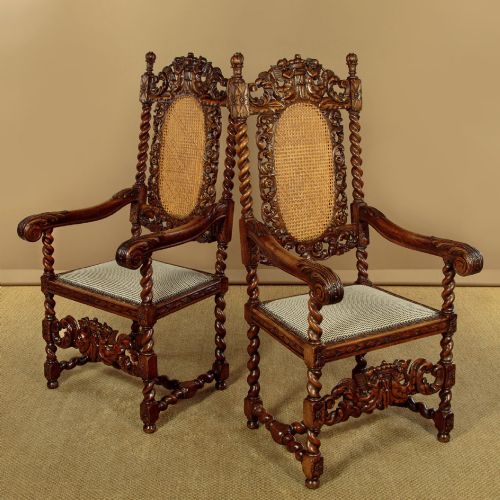
Ornate antique accent chairs cover a diverse group of seating forms designed to stand out in a room rather than serve everyday dining needs. You will encounter armchairs, side chairs, hall chairs, salon chairs and throne chairs spanning the eighteenth and nineteenth centuries.
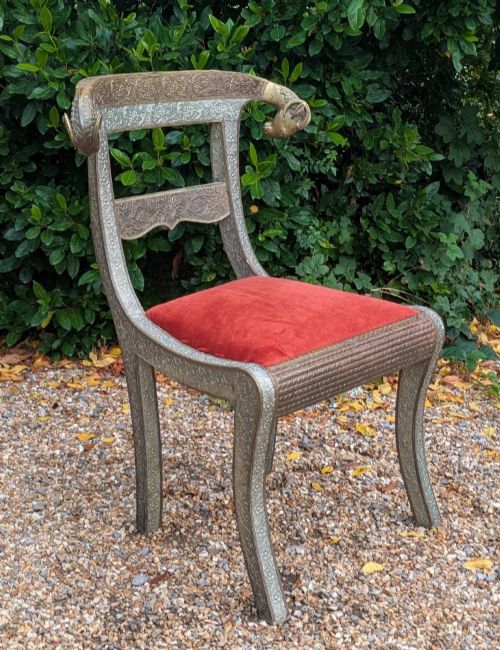
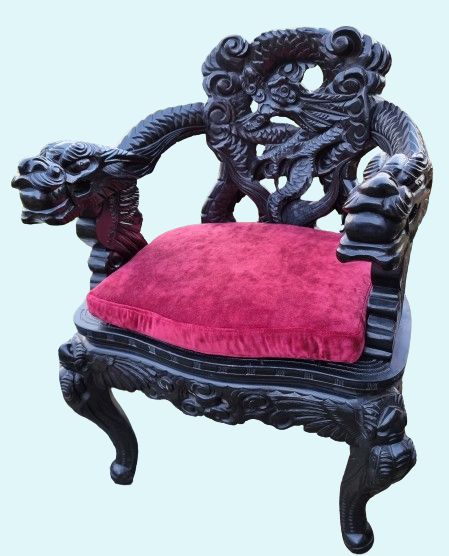
The selection leans heavily toward nineteenth-century revival styles, including Italian Rococo, French Chateau, Renaissance Revival and Baroque Revival pieces. Alongside European works, regional variations such as Anglo-Indian, Chinese and Moroccan examples appear.
Walnut, oak and giltwood dominate the construction of these chairs, frequently paired with textile, velvet or fabric upholstery. Carving defines the surface decoration across nearly every example.
Materials and construction
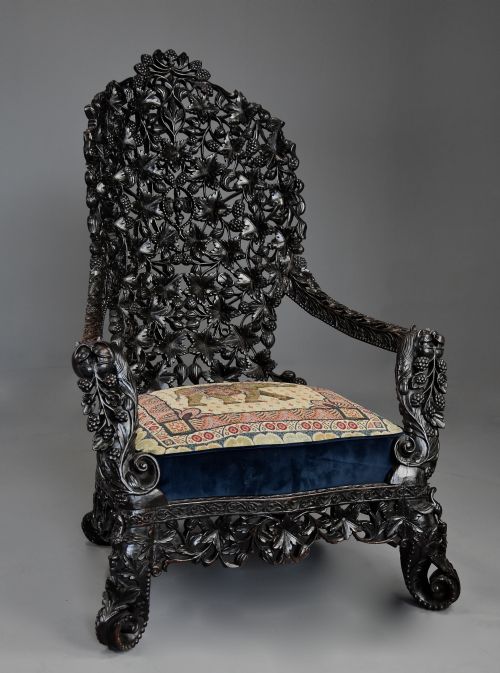
Solid hardwoods such as walnut, mahogany, oak and padouk form the structural framework for carving and joinery. Artisans shaped these dense timbers using hand tools to create complex curves and high-relief ornamentation.
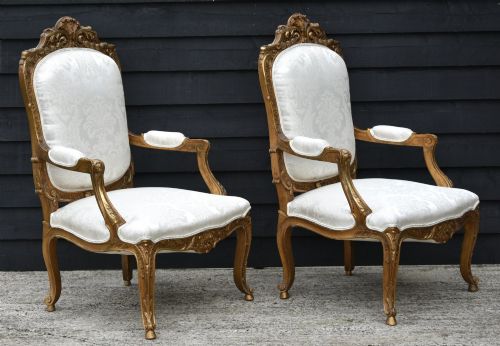
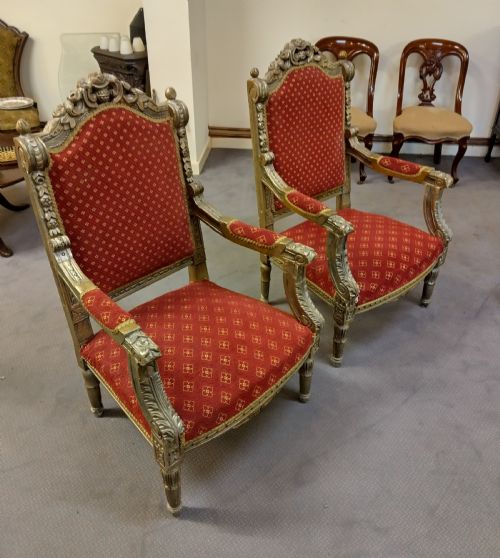
Giltwood and painted finishes added surface splendour to many frames, applying gold leaf over prepared wooden grounds or employing decorative paint layers. Wrought iron and brass elements occasionally appear in specific continental or regional workshops.
Upholstery utilised traditional stuffing and textile coverings, ranging from simple silk designs to elaborate velvet and patterned fabric. Marquetry inlay and bone inlay also surface on specific regional pieces to provide contrasting detail.
The listings span the eighteenth, nineteenth and early twentieth centuries, featuring walnut, oak, mahogany and giltwood materials.
Evaluating craftsmanship
Depth and precision of the hand carving separate standard production from superior work. Crisp undercut details on foliage, figures and scrolls indicate a skilled hand compared to soft or shallow moulding.
Timber selection and structural integrity dictate longevity and finish quality. Dense walnut and quarter-sawn oak retain sharp carving edges better over time, while firm joinery ensures stability under weight.
The sophistication of the design execution and harmony of proportions determine the standing of each piece. Elaborate crest rails, balanced frames and integrated inlay elevate the status of an armchair or side chair.
Andrea Brustolon
The Ornate Accent Chairs Glossary
- Giltwood
- Wood covered with a thin layer of gold leaf or gold powder. This finish appears frequently on revival salon and throne chairs.
- Marquetry
- Decorative patterns formed by small pieces of wood veneer fitted into a wooden background. This technique decorates specific nineteenth-century musical and occasional chairs.
- Sgabello
- A light wooden chair with a high back and solid trestle-type supports instead of legs. This Italian Renaissance form survives in antique examples.
- Padouk
- A heavy, durable tropical hardwood with reddish tones used in regional overseas workshops. It supports intricate carving without splitting.
- Rococo Revival
- A nineteenth-century style imitating eighteenth-century French and Italian curved forms. It relies heavily on asymmetrical scrolling and floral motifs.
Ornate Accent Chairs: Frequently Asked Questions
Where should I place an accent chair?
These decorative chairs suit corners of reception rooms, bedrooms or hallways where their carved frames and gilding can be viewed without constant heavy seating use.
Because many examples feature delicate gilt finishes or carved high backs, pairing them with a quiet background lets the intricate woodwork stand out.
How do I care for antique upholstery?
Protect antique textiles and velvets from direct sunlight to prevent fading and keep fabric clean with gentle brushing.
Avoid placing these chairs in rooms with fluctuating humidity levels to protect both the wooden frames and the internal stuffing materials.
How do I identify a revival style?
Nineteenth-century revival pieces often exaggerate the curves, crest rails and motifs of earlier eighteenth-century or Renaissance models.
Look at the crispness of the carving and the construction methods underneath to distinguish nineteenth-century interpretations from earlier originals.
What is the difference between a salon chair and a hall chair?
Salon chairs generally offer upholstered seats and backs designed for drawing rooms and comfortable reception spaces.
Hall chairs feature all-wood construction with carved wooden seats intended for grand entranceways rather than prolonged sitting.