
Antique Giltwood Carving
Antique giltwood carving brings the warm, reflective radiance of gold leaf and hand-chiseled timber directly into domestic interiors.
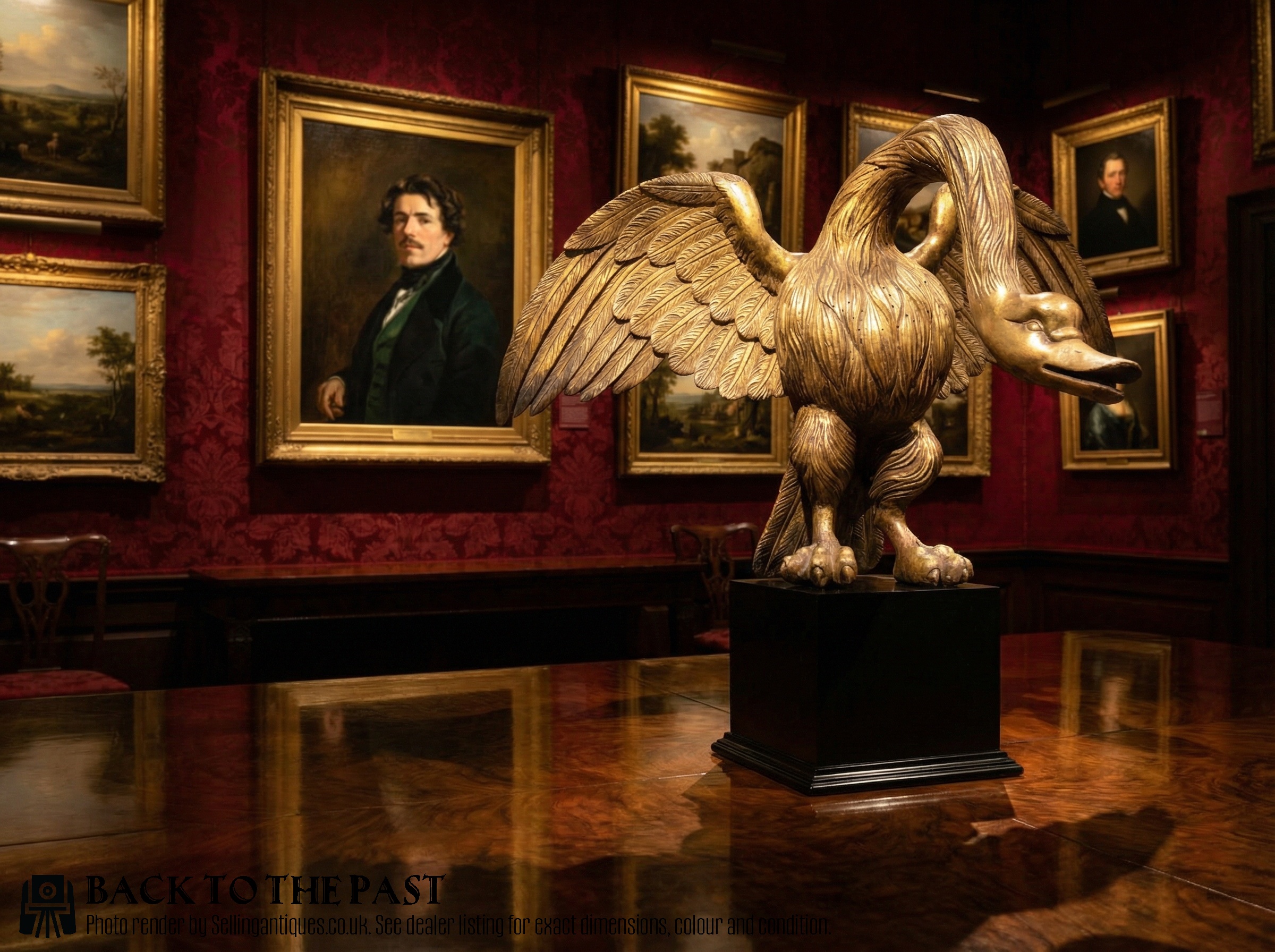
Antique Giltwood Carving
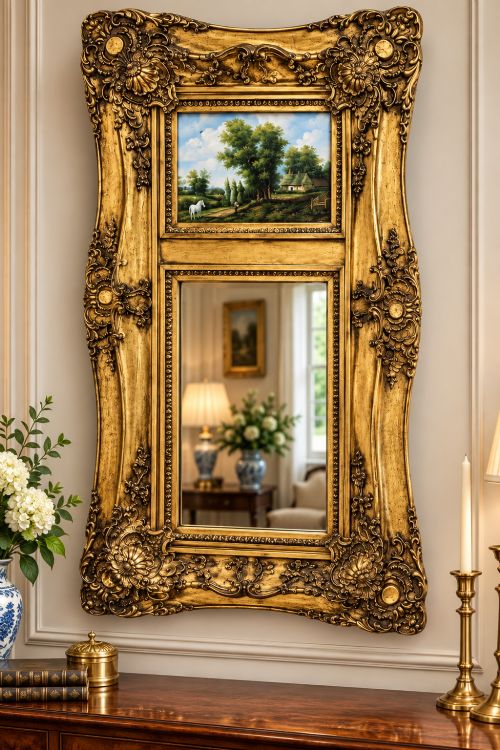
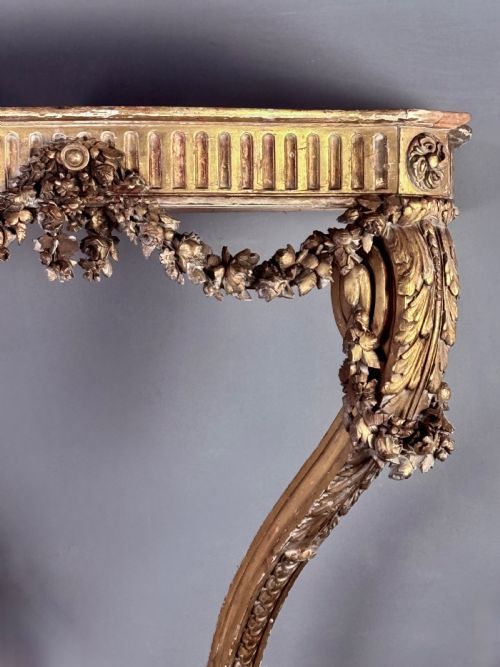
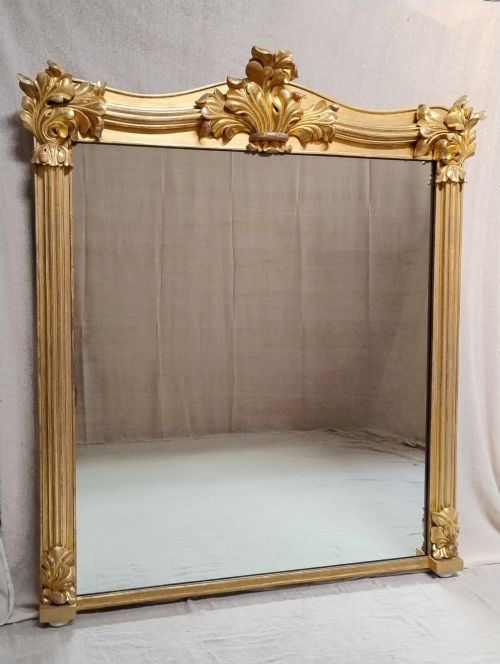
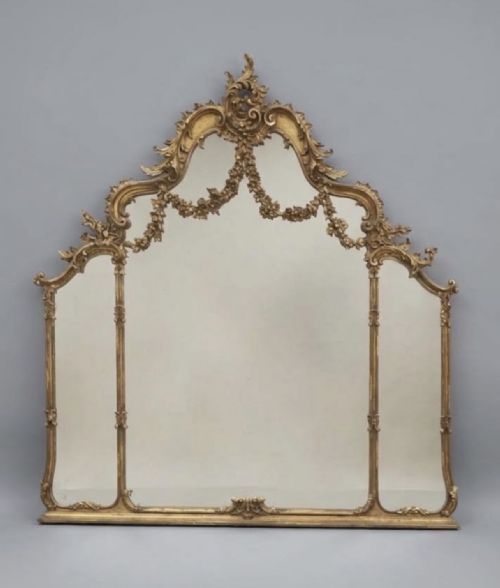
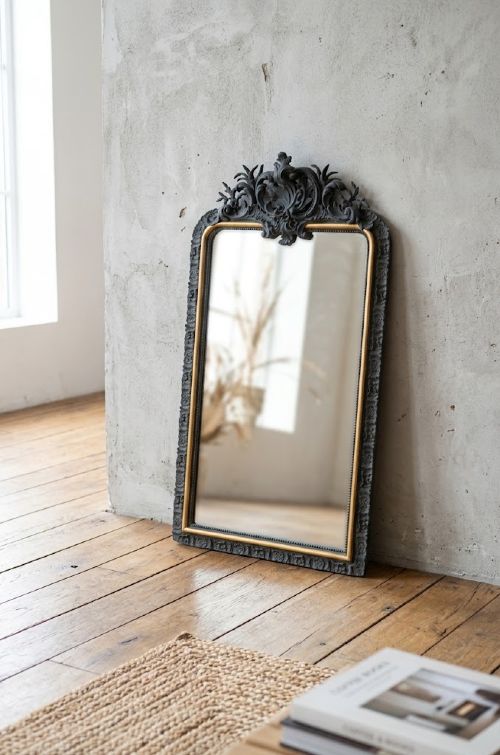
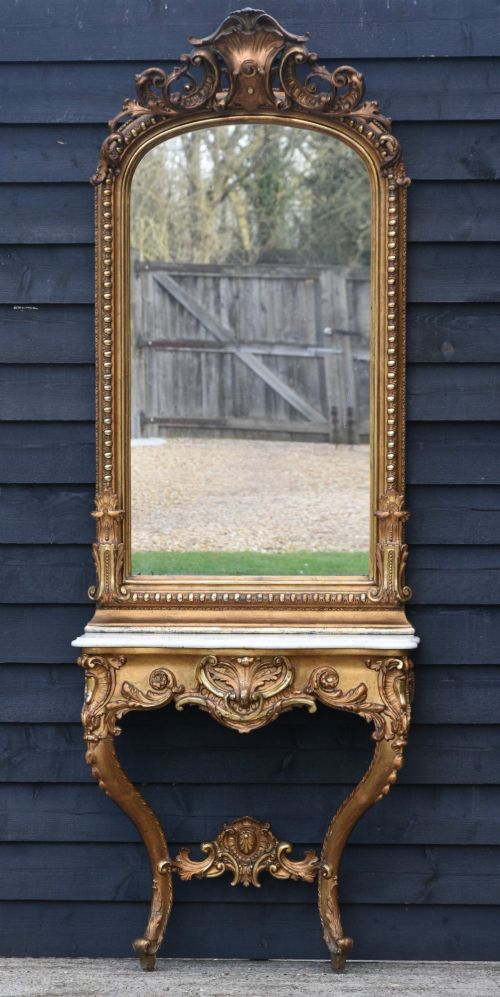
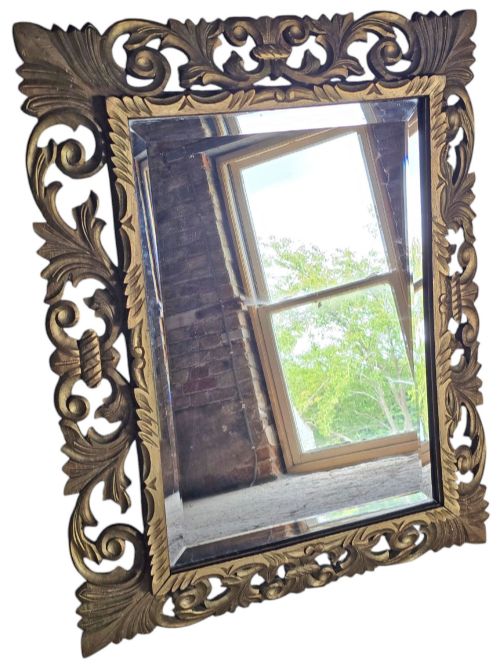
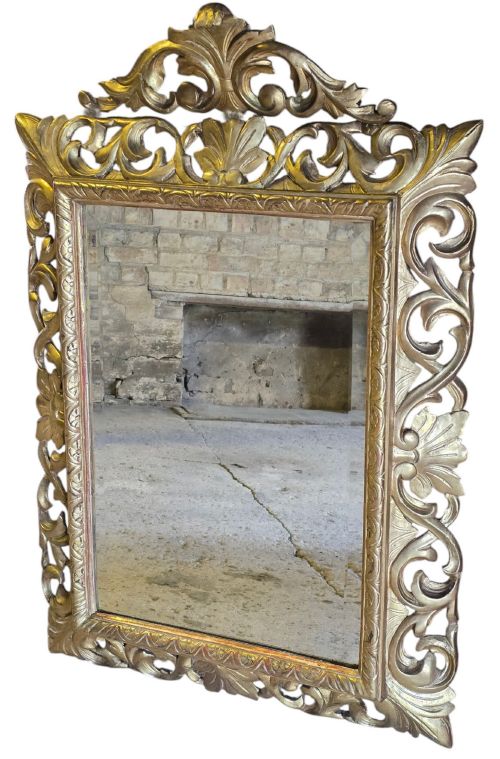
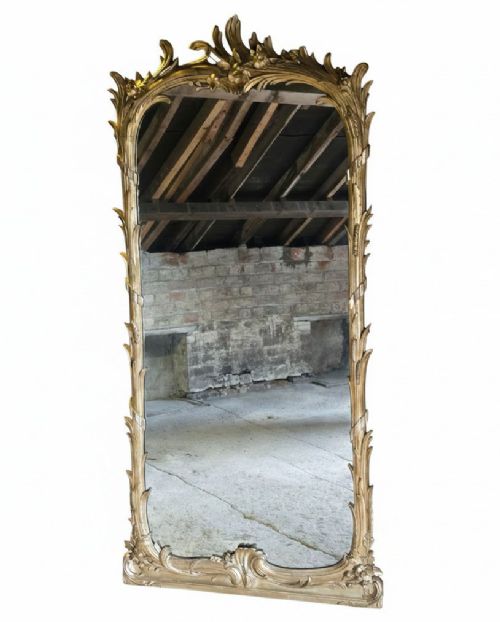
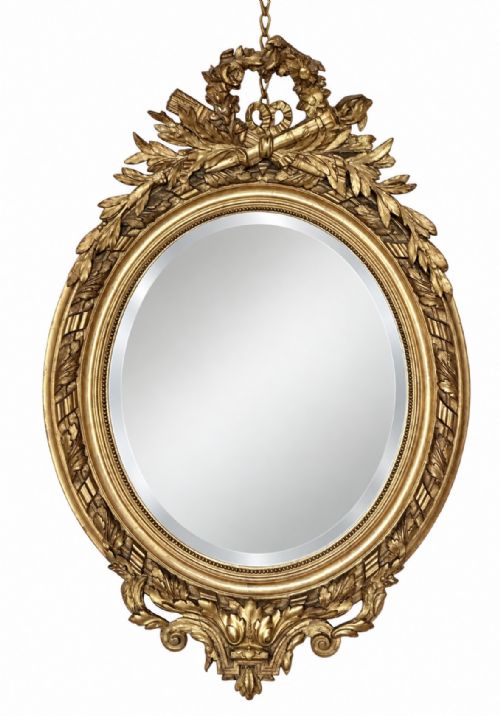
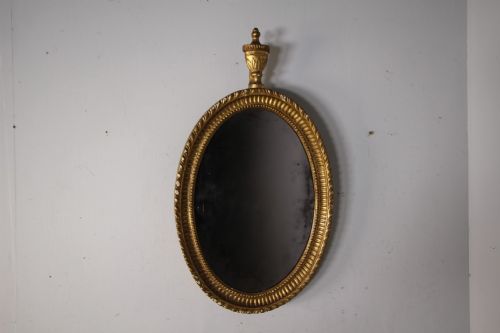
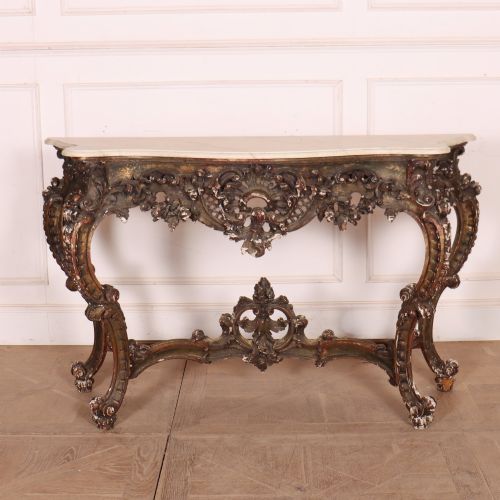
When you search for antique giltwood carving, you encounter a diverse array of furnishings built primarily across the seventeenth, eighteenth, and nineteenth centuries. Wall mirrors, overmantel mirrors, and console tables dominate the available selection, often rendered in French Chateau, Rococo Revival, or Florentine styles.
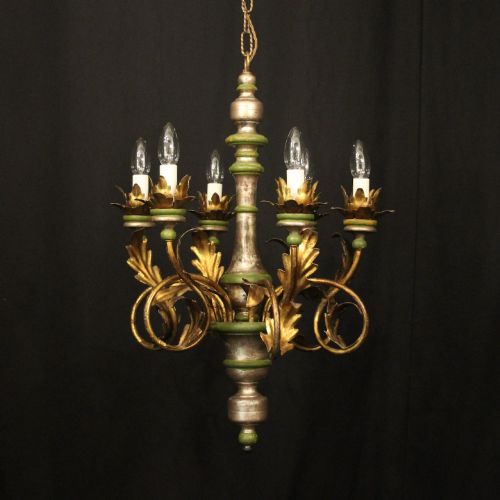
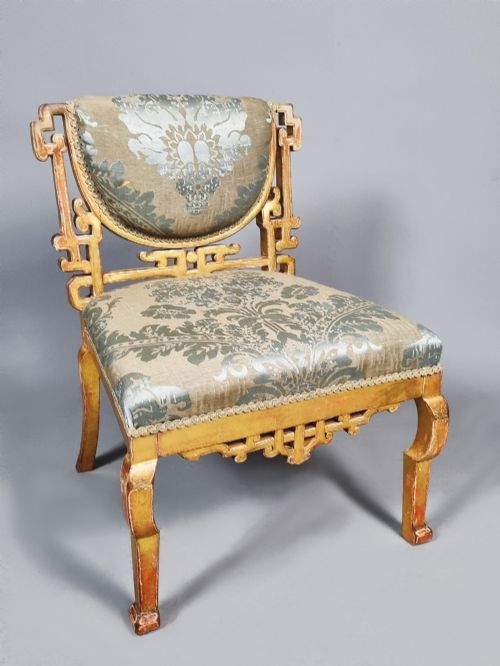
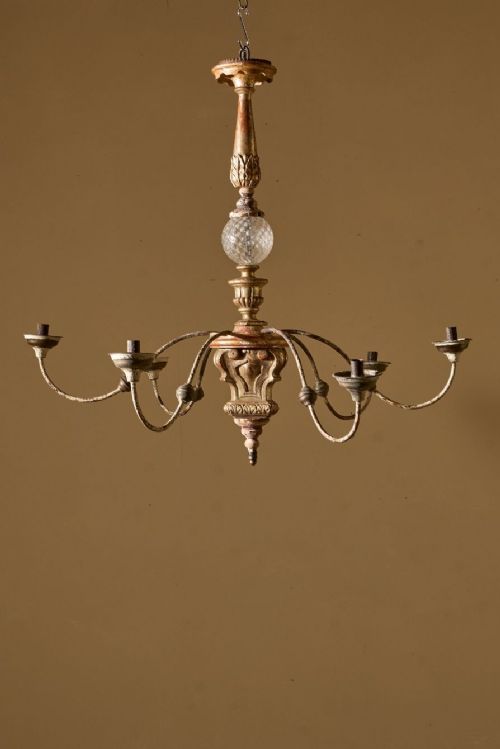
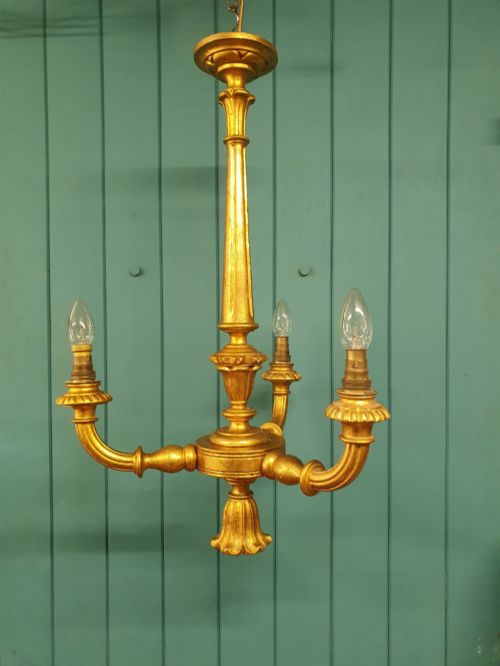
Beyond mirrors and tables, the listings contain armchairs, side chairs, chandeliers, wall lights, and girandoles. These pieces demonstrate how carvers applied gilded finishes not only to architectural looking glasses but also to seating frames and lighting fixtures.
The periods represented stretch from the seventeenth century through the Victorian era into the early twentieth century. English and French workshops produced the majority of these items, utilising classical decorative vocabulary such as Chinese Chippendale and Grand Regency motifs.
Materials and Techniques
The foundational structures of these objects are typically carved from solid timber or built using a combination of wood and gesso. Artisans sculpted intricate floral, mythological, and scrollwork designs directly into the wooden substrate before applying preparatory layers.
Gesso, a mixture of chalk and binder, was built up over the carved wood to create a smooth, receptive bed for gilding. This layer was often incised or stamped to sharpen the crispness of the ornamentation beneath the gold.
Finishing involved the meticulous application of gold leaf or composition metal, sometimes paired with glass plates for mirrors and marble slabs for console tables. The interplay between the metallic leaf and the carved relief produces the characteristic luminous depth of genuine giltwood.
Listings span eight distinct periods, reaching from the seventeenth century through the Victorian era into the 1930s.
Craftsmanship and Proportion
The distinction between ordinary and exceptional pieces lies fundamentally in the depth and vitality of the carving. Superior items display undercut relief work and sharply defined motifs executed by skilled hands, whereas lesser examples rely on shallow, machine-pressed composition ornament.
Proportion and scale also dictate the standing of a piece within its category. Large overmantel mirrors and monumental console tables require structural integrity to support heavy glass and marble tops without sagging or straining the joints.
The preservation of the original surface finish remains paramount. Pieces retaining their early or primary gilding without aggressive overpainting command greater appreciation among collectors who value authentic patination.
Felix-Alfred Ternisien·Waugh & Son
The Antique Giltwood Carving Glossary
- Giltwood
- Timber that has been decorated with gold leaf applied over a prepared gesso ground. This finish provides the bright, metallic sheen characteristic of formal antique mirrors and console tables.
- Gesso
- A plaster-like mixture composed of chalk, gypsum, and glue, applied to carved wooden frames. It creates a smooth surface essential for receiving and adhering fine gold leaf.
- Overmantel mirror
- A large looking glass designed specifically to hang on the wall directly above a fireplace mantel. These pieces frequently feature arched tops or expansive horizontal proportions.
- Console table
- A wall-mounted or freestanding table supported by front legs or brackets, often paired with a matching pier mirror. Many surviving examples feature decorative marble tops.
- Girandole
- An ornamental branched wall light or sconce, frequently incorporating a mirrored backplate to multiply the flickering glow of candles. Florentine versions are particularly notable for their ornate carved foliage.
Antique Giltwood Carving: Frequently Asked Questions
Where should I hang an overmantel mirror?
These large mirrors are traditionally positioned on the chimney breast directly above a fireplace opening. Their generous scale also suits placement above a low sideboard or console table in a principal reception room.
How can I tell gesso from carved wood?
Examine the sharpest corners and deepest recesses of the ornament under a magnifying glass. Carved wood shows continuous wood grain, whereas gesso forms a uniform white coating that can chip away to reveal the substrate beneath.
What is a pier mirror?
A pier mirror is a tall, vertical looking glass designed to hang on the narrow section of wall between two windows. They were frequently paired with matching console tables to bounce natural light into dark rooms.