

Antique Gilt Wood Art
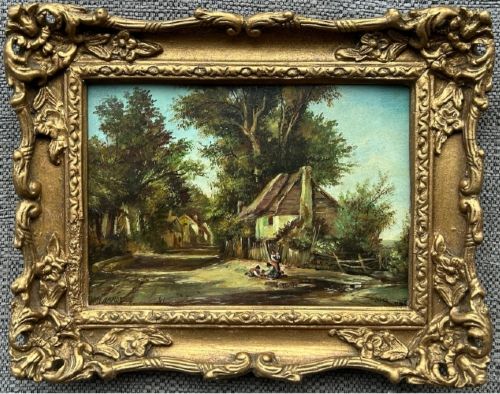
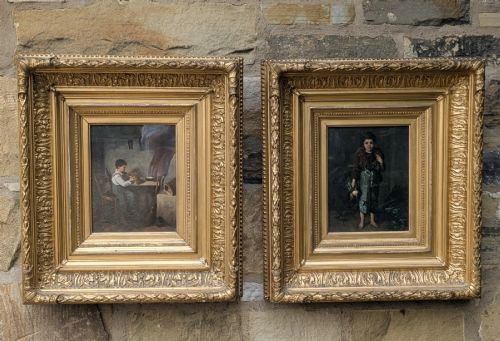
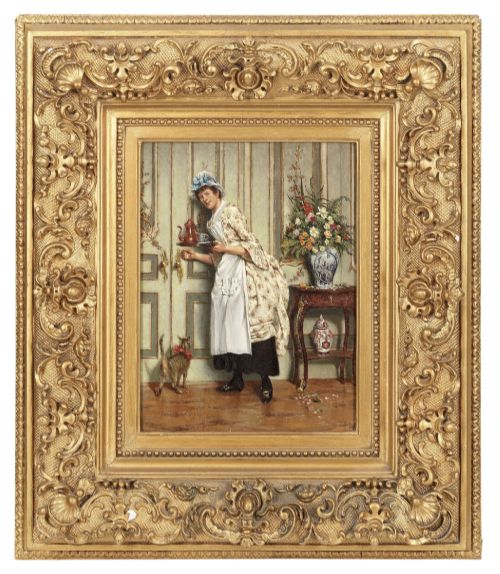
Antique gilt wood art brings together centuries of carved wooden frames, oil paintings, mirrors and panels brought to life by the brilliance of gold leaf.
Antique Gilt Wood Art
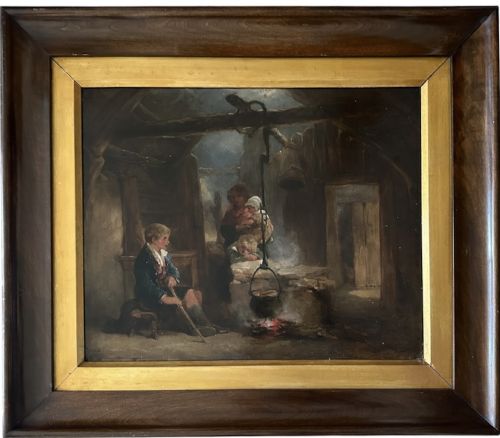
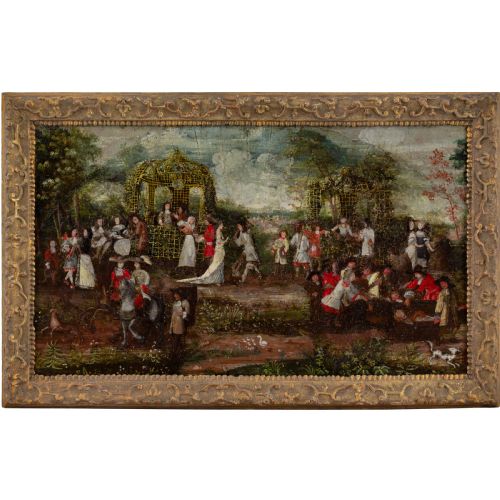
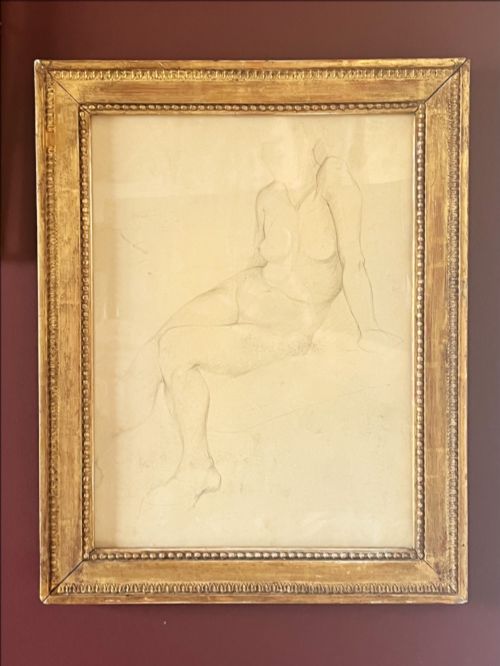
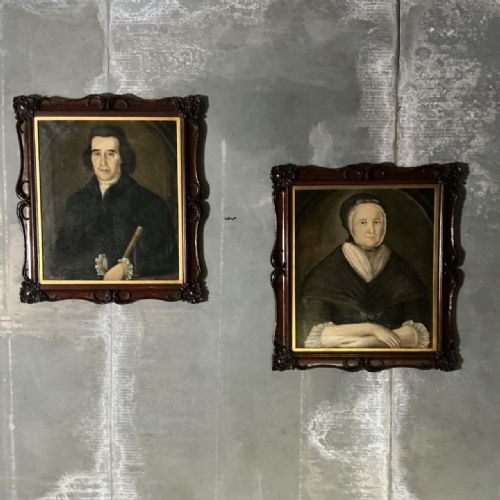
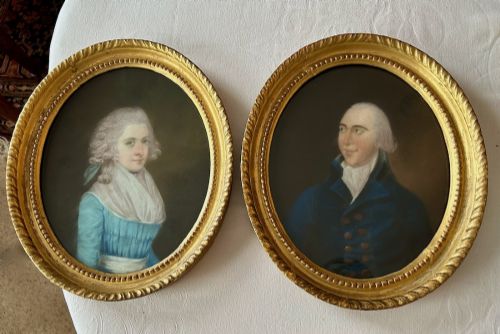
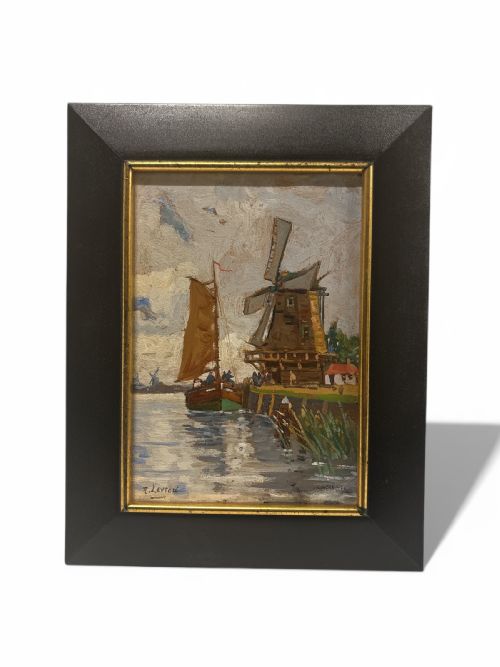
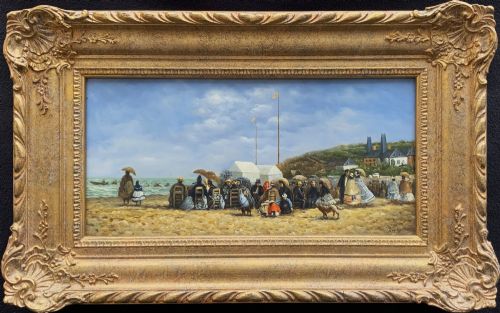
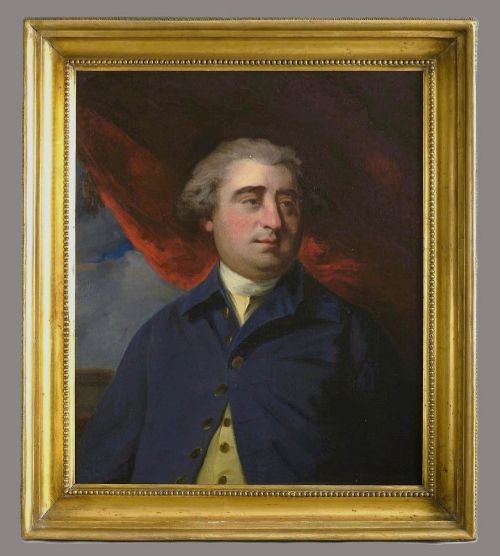
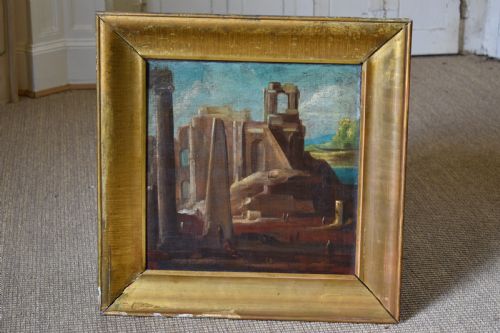
When searching for antique gilt wood art, collectors encounter a diverse range of objects spanning from the seventeenth century through to the mid-twentieth century. The selection includes oil paintings, pastel portraits, engravings, mirrors, decorative picture frames and carved wooden architectural elements.
The objects derive from various European schools and periods, including Italian Baroque, Georgian, Victorian, Edwardian and Art Deco. These pieces serve as both standalone decorative works and historical framing for portraits and landscapes.
How they were made
The creation of these works relies on traditional craftsmanship involving carved wood, gesso, and gold leaf applied by hand to panels, canvases and picture frames. Oil on canvas, watercolour and pastel provide the primary artistic mediums housed within these gilded structures.
Makers utilised techniques such as ebonising, silver gilding, and intricate wood carving to produce ornate doorstops, overmantle mirrors, wall clocks and cabinets.
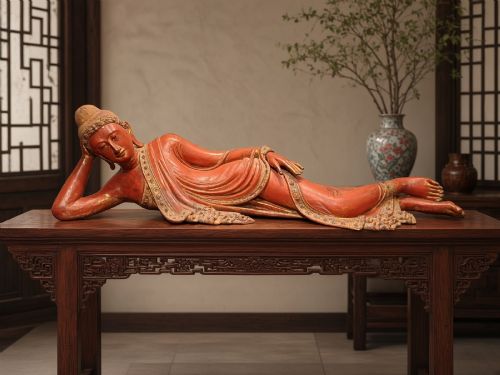
A nineteenth-century Burmese reclining Buddha occasionally rests quietly among the European portraits and gilded mirrors.
What varies in quality
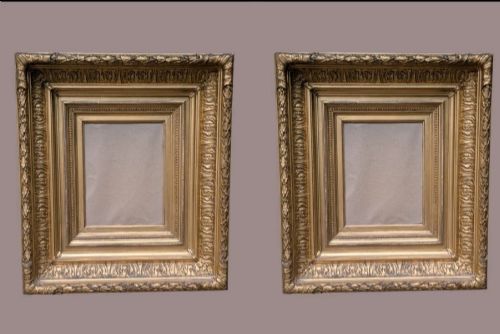
Quality in antique gilt wood art depends heavily upon the depth and finesse of the hand-carved woodwork and the intact preservation of the original gold leaf or gilt finish. Pieces featuring detailed ornamentation, such as deep Victorian frames or carved cherubs, demonstrate superior artistic ambition.
The provenance and attribution of the artwork itself - whether executed by recognised portraitists, studio circles, or regional schools - distinguishes standard decorative items from significant historical works.
Joseph Clover RA·Emily Eyres·William Howard Hardy·Stephen Samuel Lewin·Sir Joshua Reynolds·Thomas Creswick·Johannes Lingelbach·Toussaint Gelton·Guillaume Courtois·Jan van Staveren·George Oyston
The Antique Gilt Wood Art Glossary
- Giltwood
- Wood that has been treated with gold leaf or a gold-coloured finish. This technique enhances architectural mouldings and picture frames.
- Oil on canvas
- Pigments bound in a drying oil applied to a stretched canvas support. This medium dominates historical portraiture and landscape art.
- Pastel
- A dry painting medium consisting of powdered pigment and a binder. It appears frequently in delicate eighteenth and nineteenth-century portraiture.
- Gesso
- A paint mixture consisting of a neutral binder mixed with chalk, gypsum, or pigment. It serves as a smooth preparation base for gilding on wood.
Antique Gilt Wood Art: Frequently Asked Questions
How do I date antique gilt frames?
Dating relies upon examining the underlying wood construction, the composition of the gesso, and the style of the carving. Earlier periods often feature heavier hand-carved detailing compared to later machine-moulded alternatives.
Changes in gold leaf application and framing profiles across the Georgian and Victorian eras also provide clear chronological markers for the collector.
What is the difference between giltwood and painted gold?
Giltwood involves the meticulous application of genuine gold leaf over a prepared gesso and bole surface on carved wood. Painted gold typically utilises metallic or bronze paints applied directly to the substrate.
Under magnification, true gold leaf displays characteristic seams, micro-cracking, and a warm lustre distinct from flat modern paint.
How should I care for gilt wood art?
Maintenance requires keeping pieces away from direct sunlight, high humidity, and fluctuating temperatures to prevent the wood from warping and the gesso from cracking. Dusting should be done very gently with a dry, soft brush.
Water and chemical cleaning agents must be avoided entirely, as moisture strips the fragile historic gilding from the wooden base.
Can I separate paintings from their antique frames?
Separating historical artwork from its original period frame is generally discouraged by collectors and curators. The frame and the art within it often share a contemporary history that defines the piece.
Altering this pairing can diminish the historical context and overall aesthetic integrity of the object.