



Original Regency Oil Art
Original regency oil art brings the precise brushwork and rich portraiture of the early nineteenth century directly into your home.
Original Regency Oil Art
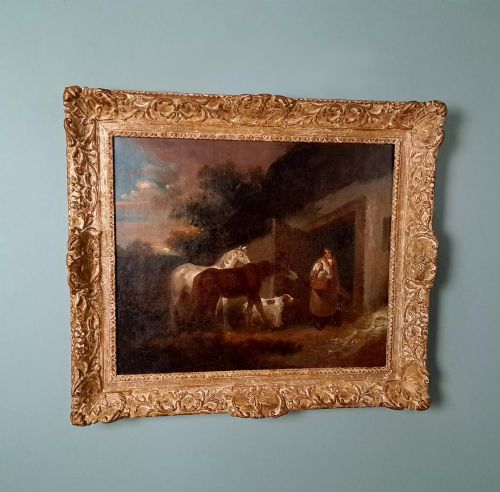
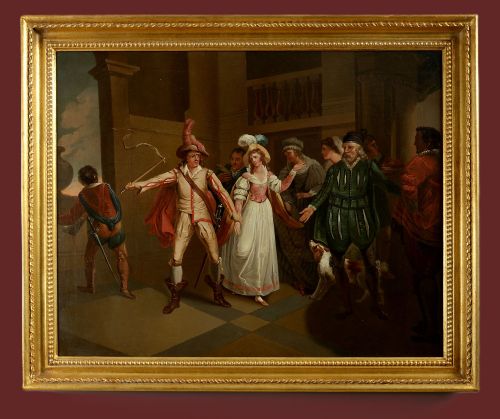
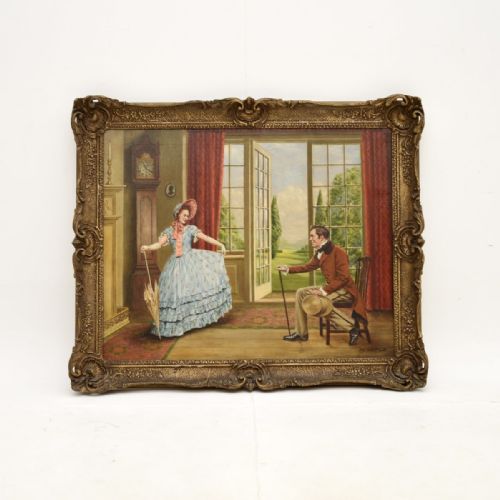
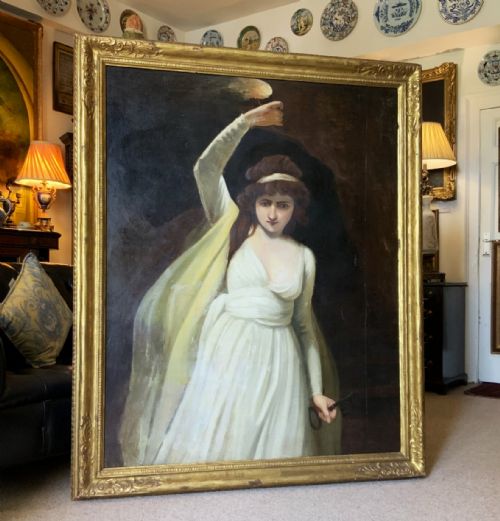
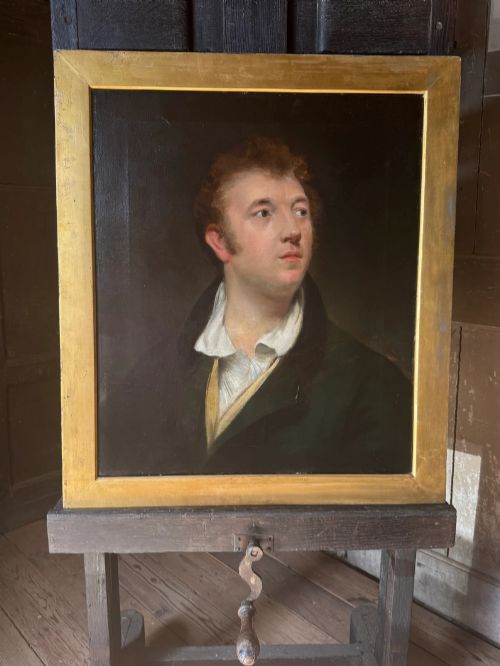
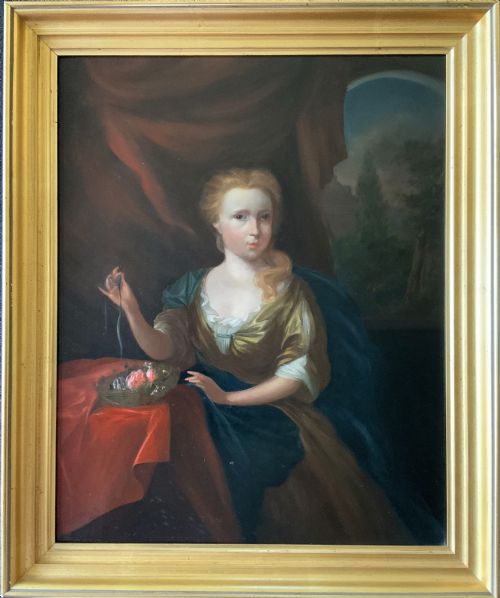
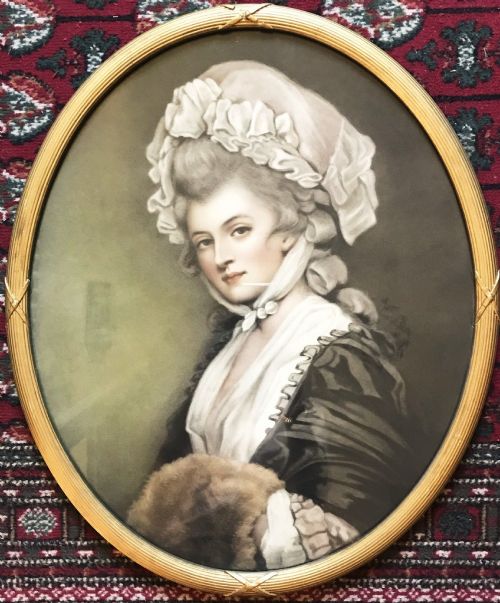
Original regency oil art encompasses portraits, landscapes, and genre scenes produced during the Georgian and Regency periods. Buyers seeking these works will find canvas and wood panel paintings depicting subjects ranging from notable gentlemen and young girls to pastoral views and architectural landmarks.
The pieces on this page lean heavily towards British portraiture and landscape painting from the opening decades of the nineteenth century. These canvases often arrive in period frames, carrying the aesthetic of English Regency and British pastoral traditions.
Materials and construction
Painters of this era applied oil paint primarily to stretched canvas or wooden panels, building rich compositions through layered pigments. Guilded wood and gesso frames completed the works, utilising gold leaf to catch the light around the perimeter.
Makers relied on traditional ground layers and organic binders to secure the oil paint, yielding durable surfaces that withstand the centuries. Wood panels provided a rigid ground for detailed landscapes, whilst woven canvas suited larger portraits and narrative scenes.
The listings span the nineteenth and eighteenth centuries, incorporating wood panel and canvas supports with gilt gesso frames.
Markers of quality and execution
Quality in these paintings rests on the surety of the draughtsmanship and the subtlety of the tonal transitions. Superior hands captured the glint of light in an eye or the texture of fabric with apparent ease, whereas lesser works remain stiff and flat.
The preservation of the original paint surface and the survival of the contemporary gilt frame elevate a piece significantly. Untouched condition, showing minimal overpaint or heavy restoration, distinguishes the finest examples from those heavily altered over time.
William Joseph Shayer Senior·Alfred Lyndon Grace·Margaret Sarah Carpenter·John Opie RA·James Howe·John Ferneley Senior·George Hayter·Henry Singleton RA·Richard Cosway RA·Joseph Clover
The Original Regency Oil Art Glossary
- Oil on Canvas
- A traditional painting method utilising oil-based pigments spread across a woven textile support. This combination allowed artists to achieve deep colour saturation and delicate blending.
- Gesso
- A plaster mixture applied to wood panels or frames to create a smooth, absorbent surface for gilding or painting. It provides the foundational layer that supports gold leaf.
- Wood Panel
- A rigid support base made from timber used by painters before canvas became universal. Panels offered a stable ground for detailed landscape and genre scenes.
- British Pastoral
- An artistic style celebrating rural life, countryside views, and agricultural scenery. These works capture the idealized charm of the British landscape.
Original Regency Oil Art: Frequently Asked Questions
How do I identify a genuine period frame?
Original frames from this era typically feature hand-carved gesso ornamentation over a wooden base, showing age-related shrinkage cracks and warm underlying bole. They fit the dimensions and mounting style of the canvas precisely without modern staples or composite mouldings.
Closer inspection often reveals subtle signs of wear on the gilt surface where handling occurred over generations. Modern replacements usually lack this uniform patina and the crisp depth of early nineteenth-century moulding.
Where should I hang an oil painting?
Keep these works away from direct sunlight and damp walls to protect the oil paint and canvas tension. Stable indoor temperatures prevent the wood panels and gesso frames from cracking.
Position the painting at eye level in a room with gentle, ambient light to appreciate the fine brushwork. Avoid placing them directly above active heat sources like open fireplaces.
What subjects are most common in these works?
Portraits of gentlemen, ladies, and children dominate the surviving output of this period. Landscapes depicting windmills, rivers, and coastal harbours also appear regularly.
Artists frequently recorded notable local figures, sporting scenes, and architectural views such as Brighton Pavilion. These subjects offer a direct window into early nineteenth-century life.