





Antique Gilt Urn Stand
These antique gilt urn stand options offer elevated platforms for vases and sculptures, bringing classical symmetry and polished metalwork into formal interiors.
Antique Gilt Urn Stand
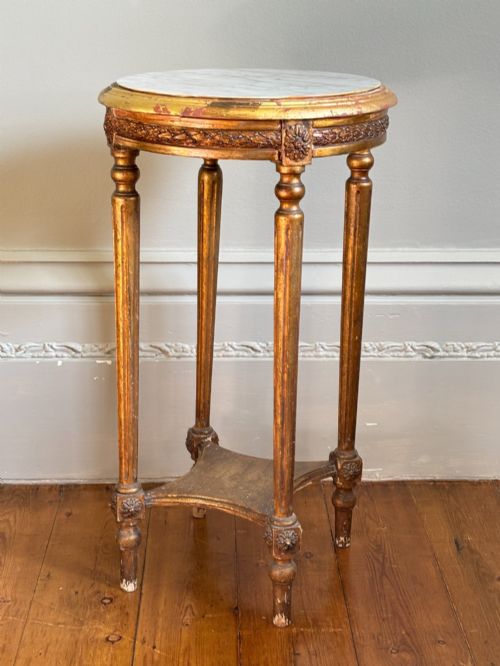
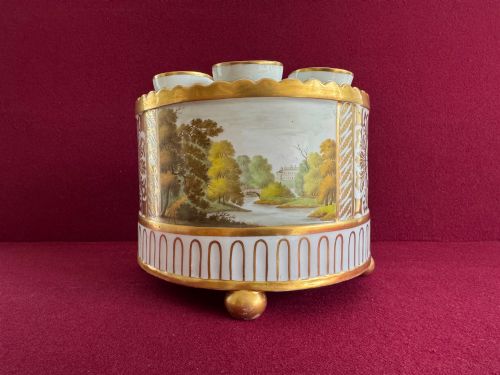
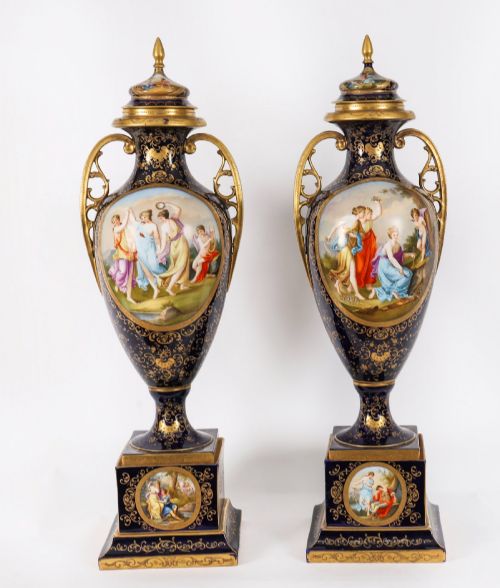
When searching for an antique gilt urn stand, buyers encounter elevated supports designed to display decorative vases, jardiniere bowls, and classical sculptures. The listings here present a diverse selection spanning the Georgian, Victorian, and Edwardian eras, reflecting varied interpretations of neoclassical and revivalist tastes.
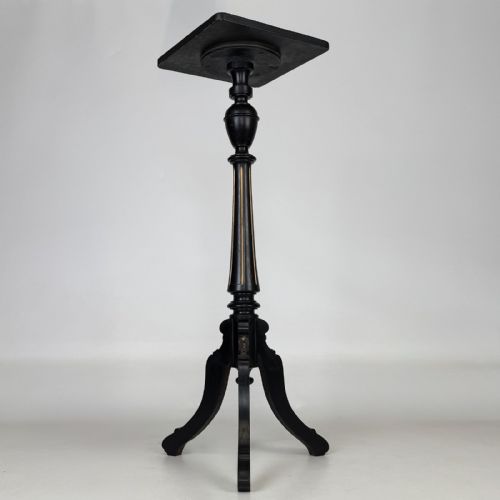
Most examples merge gilded wooden frames or metal mounts with robust structural forms like columns, tripods, and torcheres. Pieces frequently incorporate stone or porcelain surfaces on top, creating a stable display area for heavy decorative vessels.
Origin points range from British workshops to French ateliers and Chinese export studios, demonstrating international demand for formal display furniture. Buyers will find side tables, pedestals, and plant stands functioning interchangeably as dedicated urn supports.
Assessing quality and execution
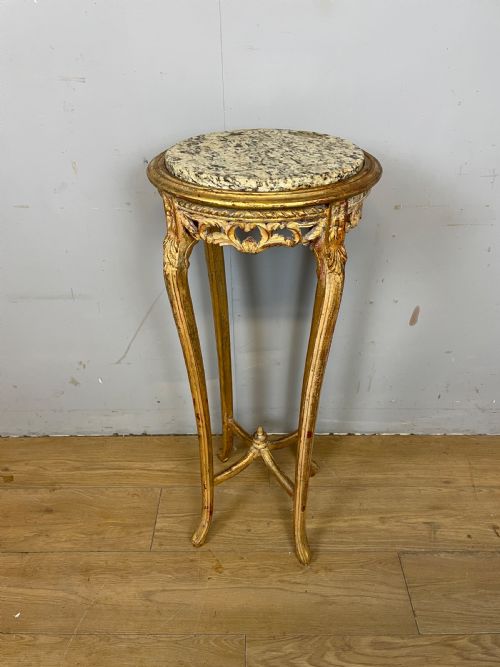
The distinction between tiers rests upon the crispness of hand-carved foliage and the depth of the gilding applied to the wooden substrates. Superior examples exhibit finely chased ormolu mounts and heavy, unblemished marble inserts rather than painted substitutes.
Structural integrity and proportion dictate the overall merit of a stand, particularly when supporting heavy vases or bronze figures. Finer pieces demonstrate seamless integration between disparate elements, such as wood, metal, and stone.
Antique Gilt Urn Stand Retail Price Guide 2026
Typical asking prices for gilt urn stand among the pieces listed under this phrase on Sellingantiques today, from the lower quarter to the upper quarter. They describe what is for sale here now, not the wider market.
Some tall stands stretch past eighty inches, transforming ordinary flowerpots into towering neoclassical architecture.
François Linke
The Antique Gilt Urn Stand Glossary
- Giltwood
- Wood that has been coated with a thin layer of gold leaf. This finish defines the reflective surface of many classical display stands.
- Ormolu
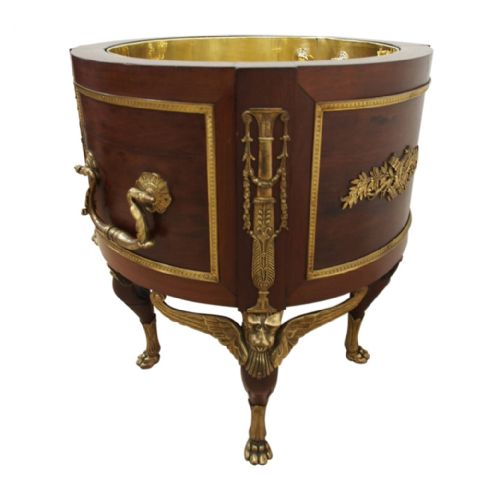
- Gilded bronze used for decorative mounts and feet. It adds metallic contrast to wood and stone furniture.
- Torchere
- A tall, slender stand designed to hold a light or a vase. These pieces often feature tripod bases and carved wooden shafts.
- Athenienne
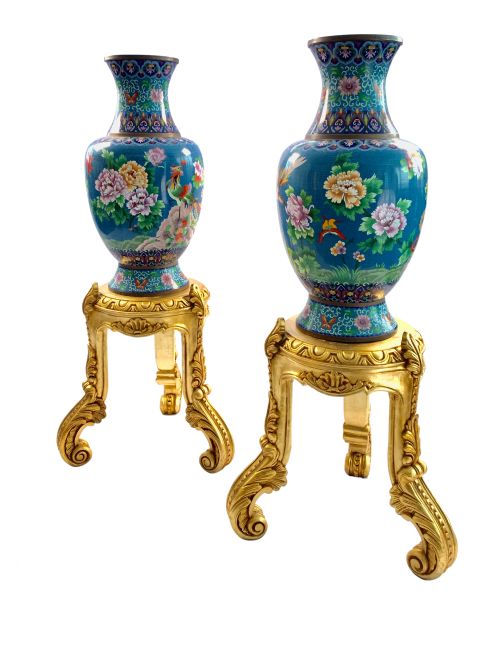
- A tripod stand supporting a basin or urn, inspired by ancient Greek and Roman furniture found at excavations.
- Cloisonné
- An enamelwork technique where thin wire partitions hold coloured pastes on a metal base. Such decoration appears on featured display vessels.
Antique Gilt Urn Stand: Frequently Asked Questions
What is an urn stand used for?
These pieces elevate heavy decorative vessels, plants, and sculptural items to optimal viewing height within a room.
They serve both a functional support role and an aesthetic purpose in formal interior schemes.
How do I distinguish French and English styles?
French examples often favour elaborate ormolu mounts and neoclassical bronze details inspired by Empire designs.
English variants tend to focus on carved giltwood and mahogany structures with restrained classical proportions.
Can these stands support heavy marble vases?
Stands built with solid wood frames, tripod bases, or heavy stone columns are engineered for substantial weight.
Checking the upper platform construction ensures it matches the mass of the intended display object.
What periods do these pieces represent?
The inventory spans the Georgian, Victorian, and Edwardian eras alongside various revival movements.
Nineteenth-century pieces dominate the selection, showcasing neoclassical, Empire, and Rococo design influences.