


Antique Carved Giltwood Table
An antique carved giltwood table brings golden warmth and grand proportion to a room, turning a simple wall space into a focal point.
Antique Carved Giltwood Table
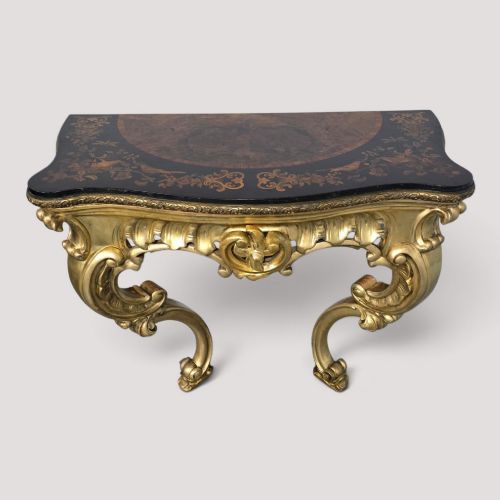
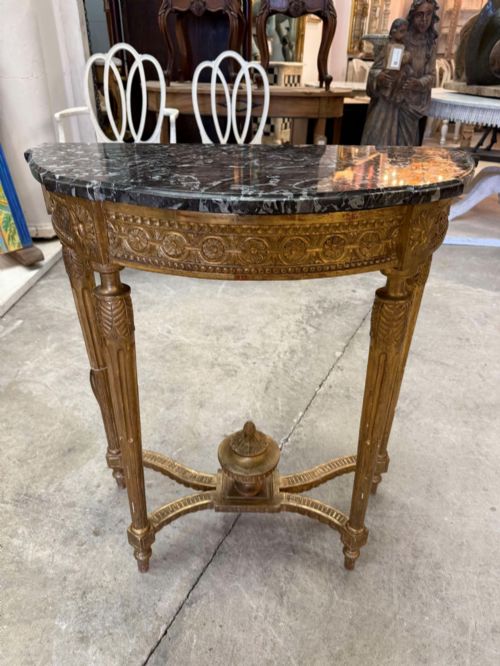
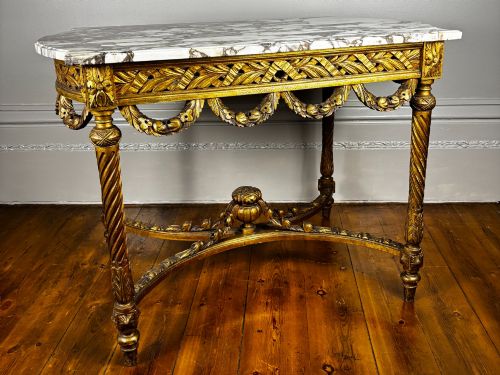
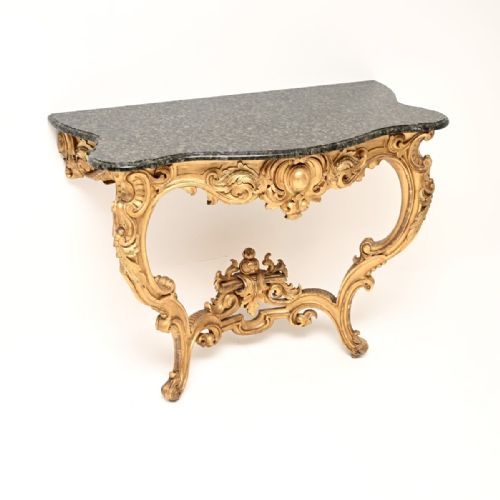
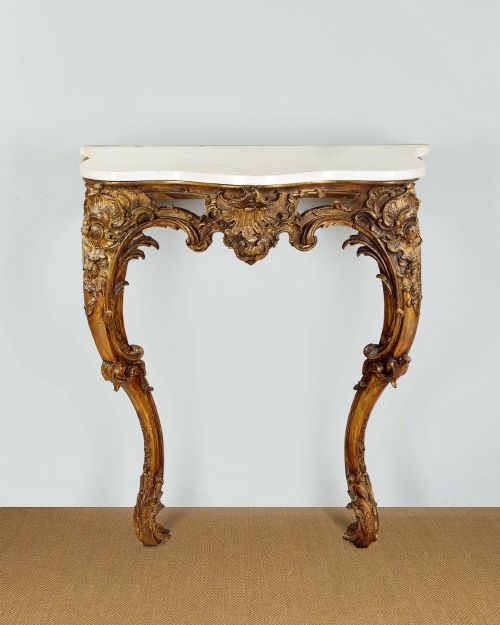
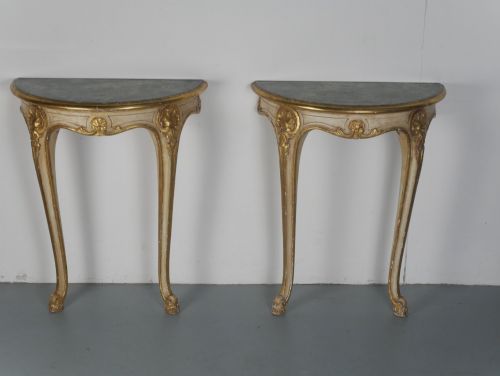
When someone searches for an antique carved giltwood table, they encounter items built to command attention in formal reception rooms and hallways. The form spans console tables, side tables, centre tables, and smaller coffee tables designed for display.
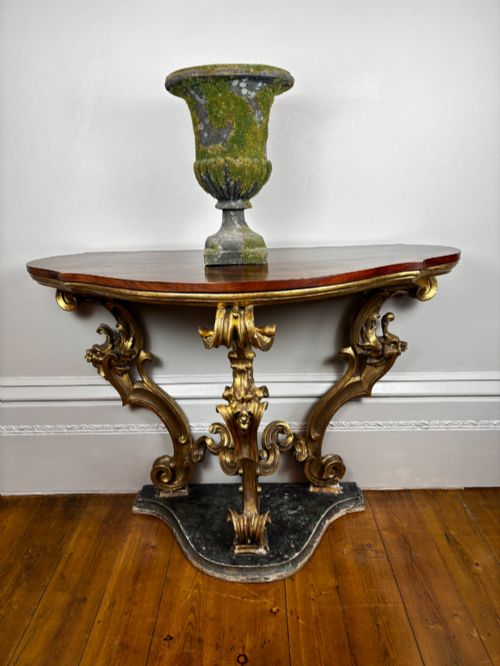
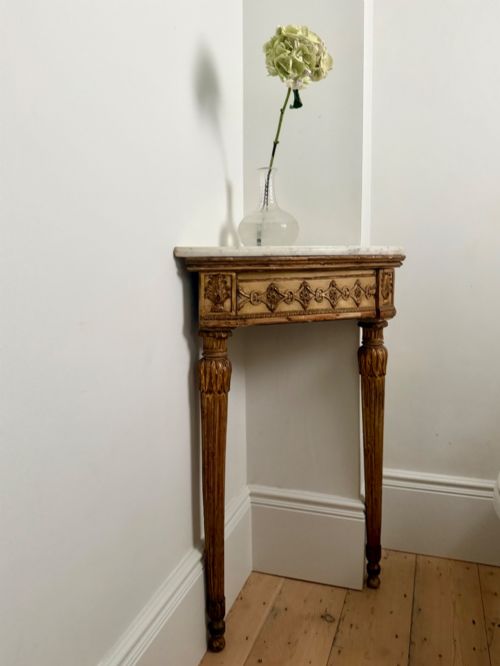
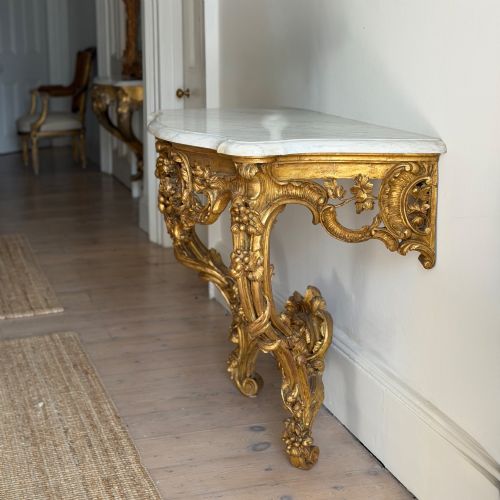
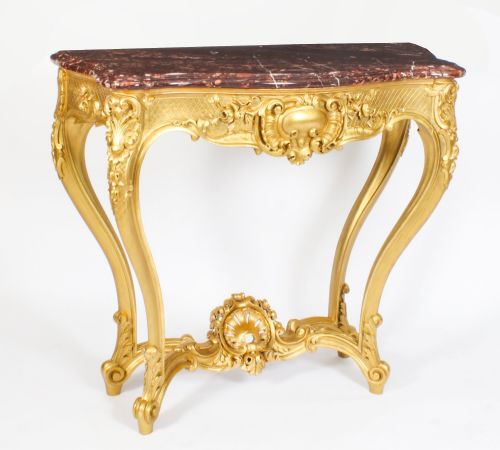
Console tables dominate the selection, frequently paired with fitted marble tops in shades of white or figured breche d'alep. These pieces sit flush against a wall, often accompanied by matching pier mirrors to amplify light and space.
Origins stretch from eighteenth-century Italian and English workshops through to nineteenth-century French revivals. Makers embraced opulent styles including French Rococo, Italian Baroque, Louis XVI, and Georgian designs.
Materials and construction methods
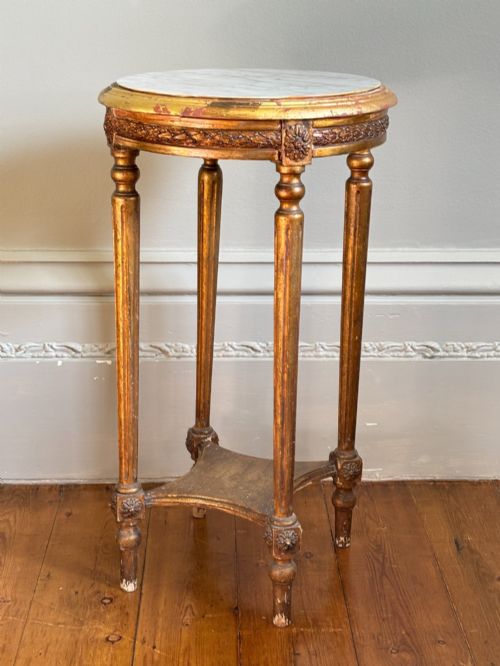
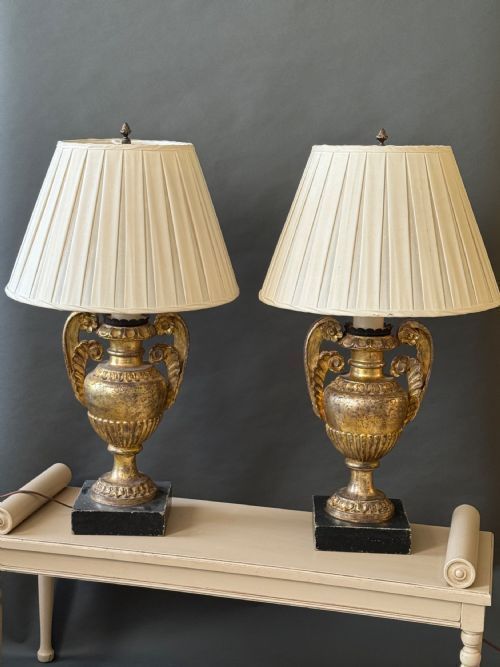
Carpenters carved underlying structures from timber such as wood, applying layers of gesso to smooth the surface before laying gold leaf by hand. This metallic finish catches natural light, creating the characteristic shimmer associated with giltwood.
Many examples incorporate heavy stone elements, mounting thick marble slabs directly onto the gilded bases. Workshops also combined painted wood and parcel-gilt details to create contrasting textures across the apron and legs.
Antique Carved Giltwood Table Retail Price Guide 2026
Typical asking prices for carved giltwood table among the pieces listed under this phrase on Sellingantiques today, from the lower quarter to the upper quarter. They describe what is for sale here now, not the wider market.
Carvers occasionally incorporated whimsical neoclassical dolphins into table bases, ensuring the furniture watched the room as closely as the guests.
Distinctions in craftsmanship and design
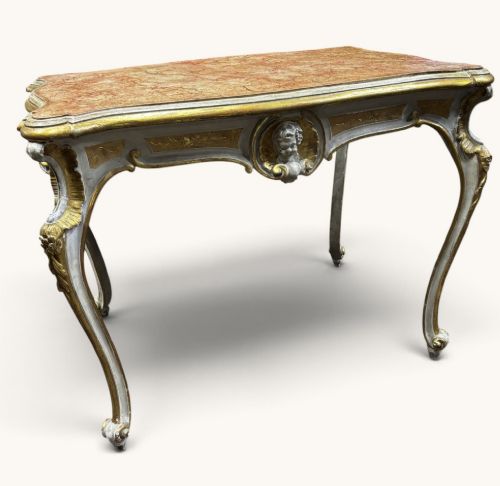
Quality rests primarily in the depth and crispness of the carved ornamentation across the apron and cabriole legs. Superior examples exhibit hand-carved floral motifs, scrolls, and neoclassical swags that retain sharp edges beneath the gilding.
The integration of the top dictates overall harmony, particularly where heavy marble slabs meet ornate wooden frames. Pieces featuring original stone inserts fitted precisely to the rebate demonstrate superior original assembly.
Felix-Alfred Ternisien
The Antique Carved Giltwood Table Glossary
- Giltwood
- Timber decorated with thin sheets of gold leaf applied over a prepared gesso ground. This finish provides a bright metallic sheen that ages with a warm patina.
- Console table
- A wall-mounted or bracket-supported table designed to stand against a vertical surface. These items often feature elaborate front legs and flat backs.
- Gesso
- A plaster-like mixture applied to wood to create a smooth surface for gilding. It allows carvers to achieve fine detail before applying gold leaf.
- Demi-lune
- A half-moon shape characteristic of tables designed to sit flat against a wall. This format was popular during the eighteenth and nineteenth centuries.
- Parcel-gilt
- A decorative treatment where only specific carved areas are highlighted with gold leaf while the rest of the wood remains painted or polished.
Antique Carved Giltwood Table: Frequently Asked Questions
Where should I place a console table?
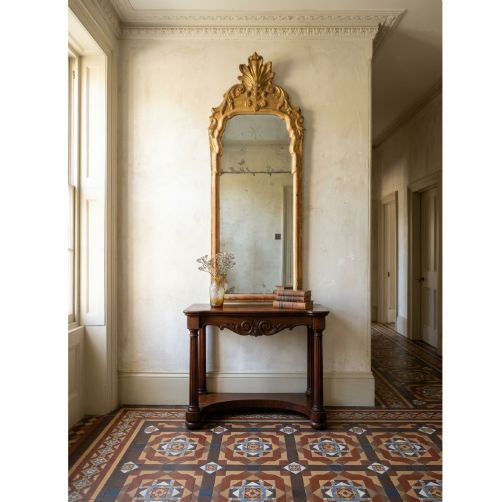
These pieces traditionally anchor an entrance hall or sit beneath a large wall mirror in a reception room. Their shallow depth allows them to occupy narrow circulation spaces without blocking pathways.
Pairing a console with a matching mirror creates a unified architectural feature. Placing them against a plain wall lets the carved detail and gilded finish stand out.
Are marble tops original to these tables?
Many examples retain their fitted marble slabs, which provide a durable and cool surface for display. Stones range from plain white marble to figured varieties like breche d'alep.
Because marble is heavy, it sits independently within the wooden frame. Checking the edges reveals how the stone meets the surrounding gilded moulding.
How do I identify a revival style?
Revival pieces produced in the nineteenth and early twentieth centuries draw directly on earlier eighteenth-century motifs. Makers borrowed vocabulary from Louis XVI and Rococo designs to satisfy Victorian tastes for historicism.
Examining the construction methods and wood condition helps distinguish a mid-nineteenth-century interpretation from an original eighteenth-century piece.
How do I care for giltwood surfaces?
Giltwood requires gentle maintenance to protect the delicate layer of gold leaf over gesso. Dusting with a soft, dry brush prevents particle buildup without disturbing the finish.
Keep these tables away from direct heat sources and moisture to prevent the wood beneath from expanding and cracking the gesso layer.