


Antique Gilt Pottery
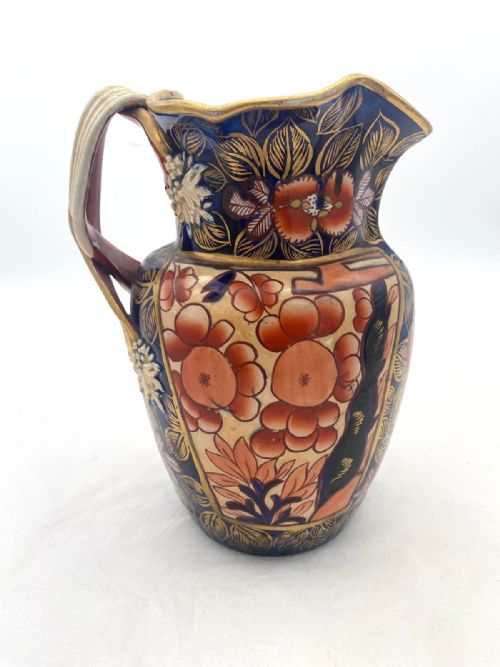
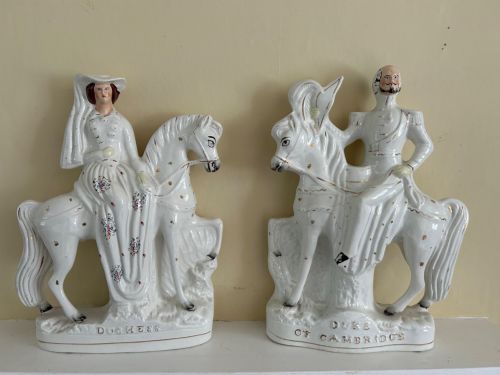
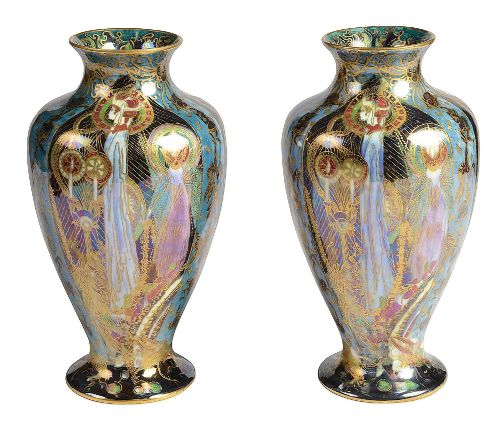
These antique gilt pottery pieces bring hand-applied metallic highlights to ceramic bodies across multiple centuries and origins.
Antique Gilt Pottery
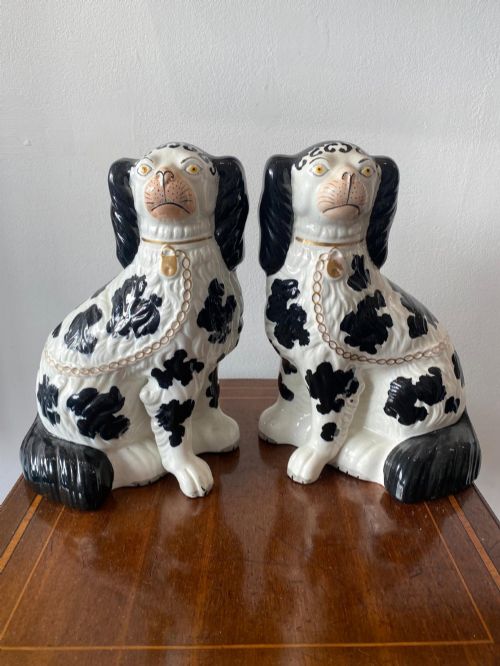
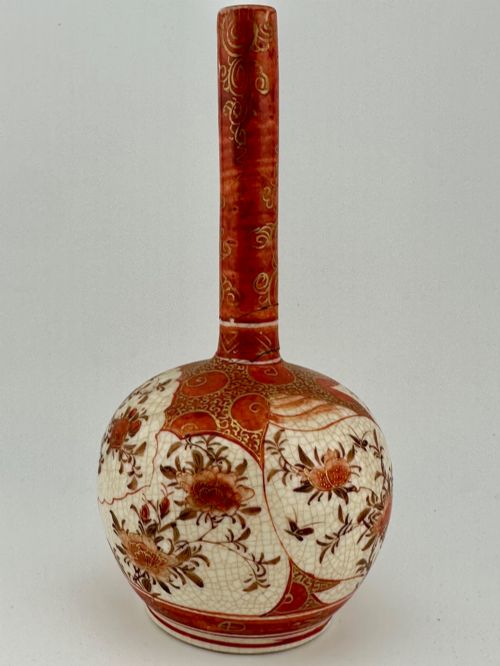
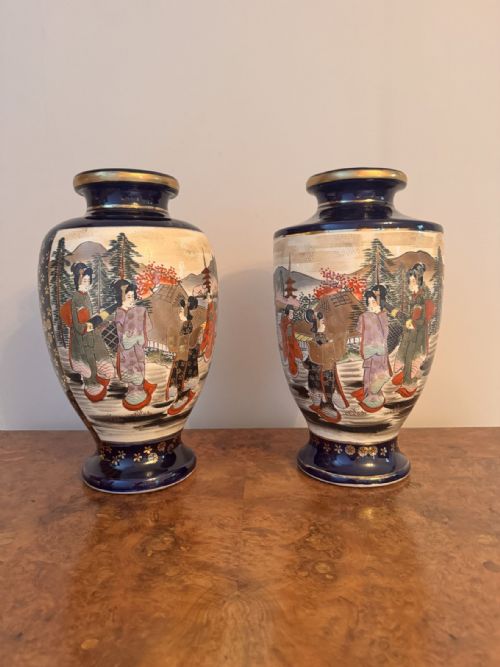
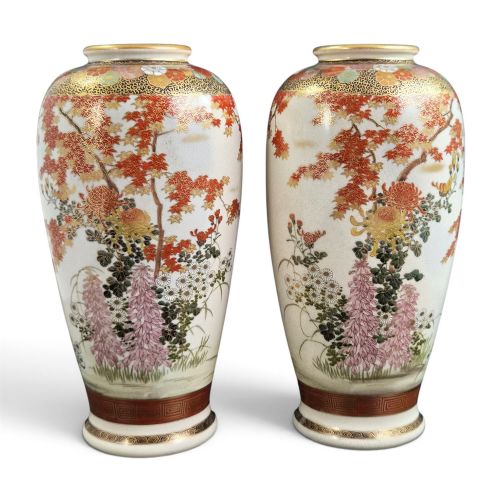
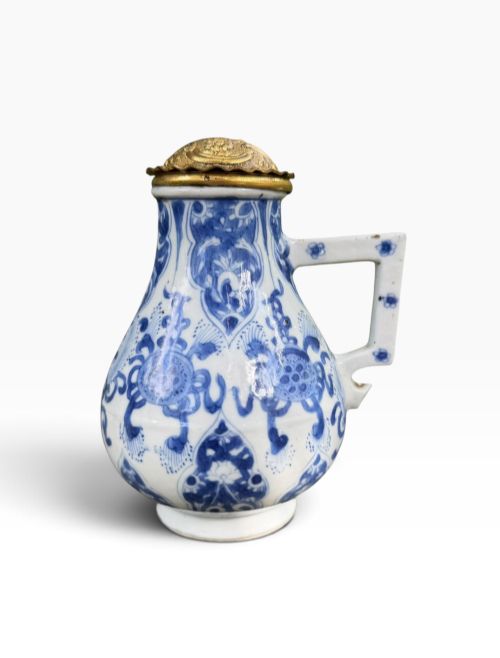
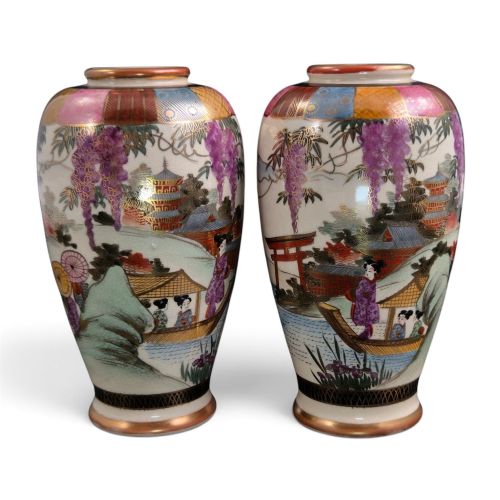
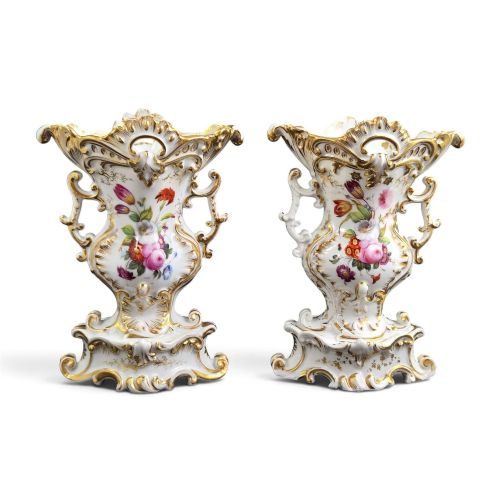
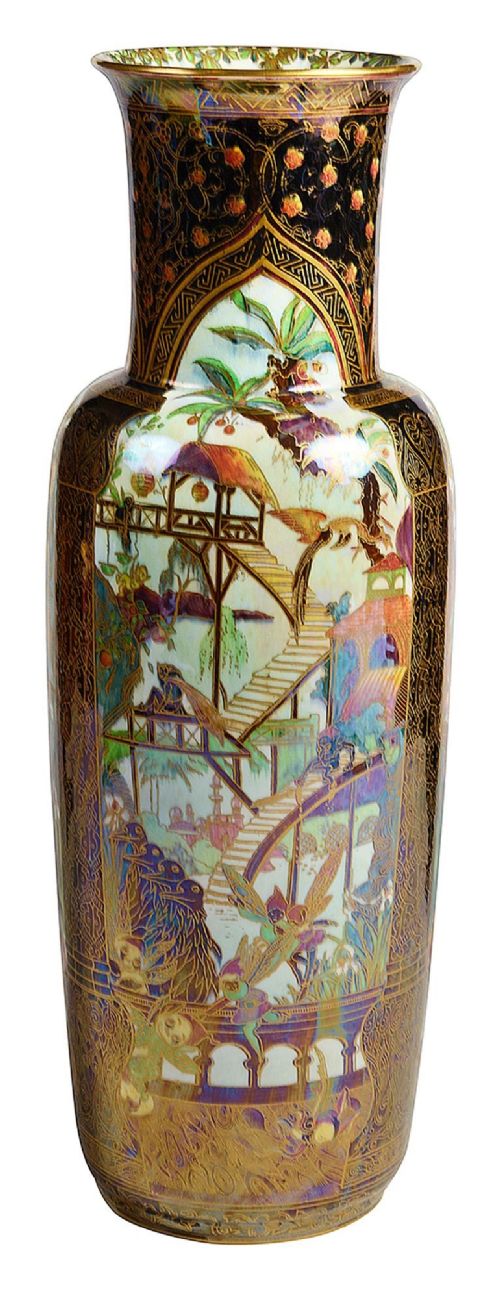
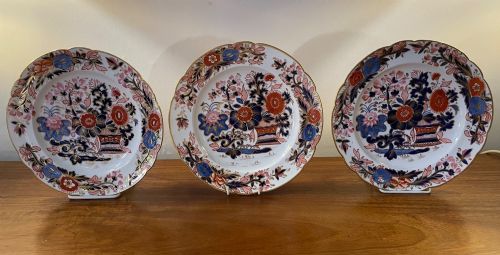
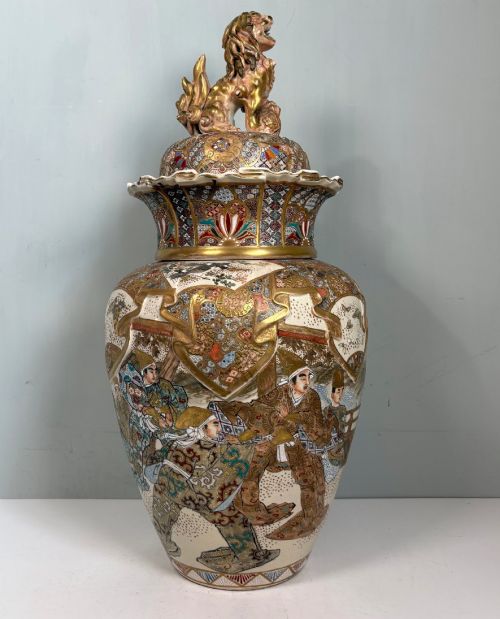
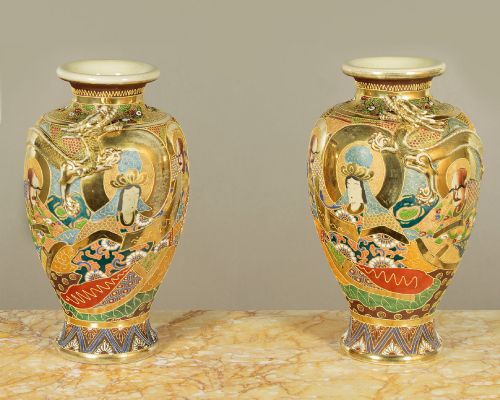
When you search for antique gilt pottery, you encounter a diverse range of items spanning the eighteenth, nineteenth, and early twentieth centuries. The selection encompasses English earthenware figures and jugs alongside intricate Japanese Satsuma vases and French porcelain.
Vases, decorative plates, table lamps, and figurines dominate the forms available on this page. Many pieces merge European pottery traditions with Asian decorative motifs, particularly from the Meiji period.
Materials and production
Potters shaped these objects from earthenware, ironstone, and porcelain, applying glazes and enamel colours before the final firing. Artisans then added gold leaf, gilding, or gilt metal mounts to accent the ceramic surfaces.
Specialised techniques varied by region, from Staffordshire moulding and transfer printing to Japanese hand-painted Satsuma earthenware decorated with iron red and gilt.
Antique Gilt Pottery Retail Price Guide 2026
Typical asking prices for gilt pottery among the pieces listed under this phrase on Sellingantiques today, from the lower quarter to the upper quarter. They describe what is for sale here now, not the wider market.
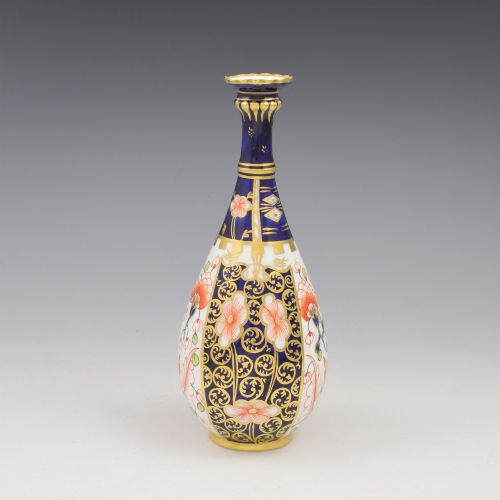
Porcelain items include works from French makers and English factories utilising enamel glazes and gold leaf.
Quality factors
The precision of the painting and modelling separates standard utility wares from exceptional decorative pieces. Crisp detail in the moulding and careful application of the gilt highlights indicate superior craftsmanship.
Signed works from notable workshops or specific designers demonstrate higher artistic ambition and execution compared to unsigned factory output.
Kinkozan·Mason·Wedgwood·Minton·Jacob Petit
The Antique Gilt Pottery Glossary
- Satsuma
- A type of Japanese earthenware originating from Satsuma province, typically characterised by a crackle-glaze ivory body painted with polychrome enamels and gilt.
- Ironstone
- A heavy, durable type of earthenware patented in the nineteenth century by Mason's to imitate porcelain.
- Imari
- A style of Japanese export porcelain decorated in underglaze blue, iron red, and gilt.
- Gilding
- The decorative application of gold leaf or powder to the surface of ceramic or metal objects.
Antique Gilt Pottery: Frequently Asked Questions
How do I clean antique gilt pottery?
Dust surfaces gently with a soft, dry brush to protect the delicate metallic leaf and painted enamel details from abrasion.
Avoid liquid cleaners, immersion, or chemical solvents, as moisture can damage aged glazes and lift the gilding.
Are these pieces safe for daily use?
Most items function primarily as decorative objects, such as vases, figures, and display plates, rather than utilitarian tableware.
Historical glazes and metallic applications on nineteenth-century ceramics may wear away or contain materials unsuited for food service.
How do I identify Satsuma pottery?
Satsuma wares generally feature a distinctive cream-coloured, finely crackled earthenware body beneath intricate hand-painted enamel and gilt scenes.
Many pieces bear artist signatures or workshop stamps on the base, particularly those produced during the Meiji period.