


Antique Gilt Miniature Frame
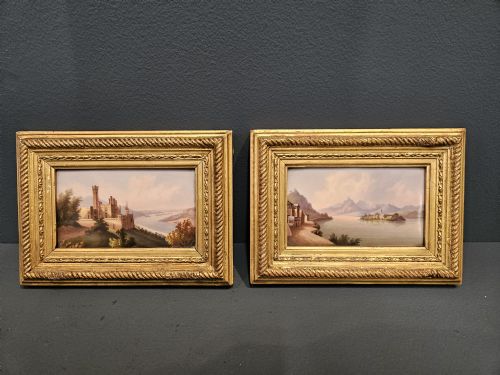
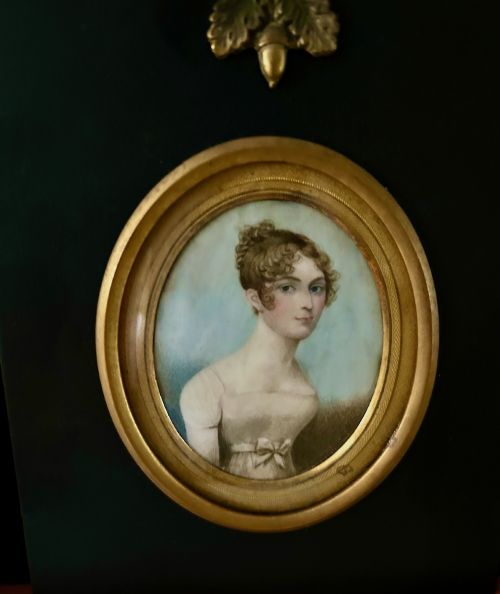
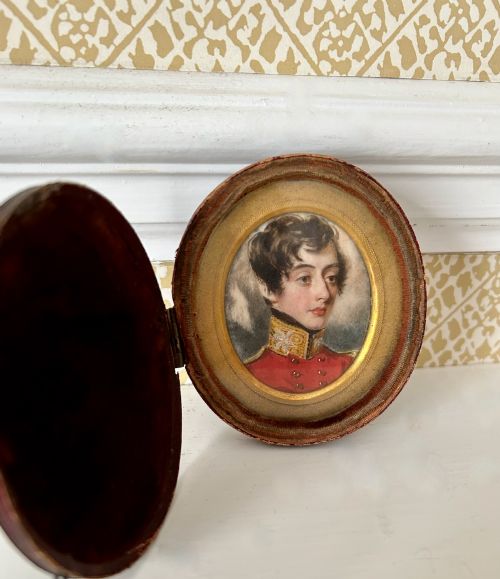
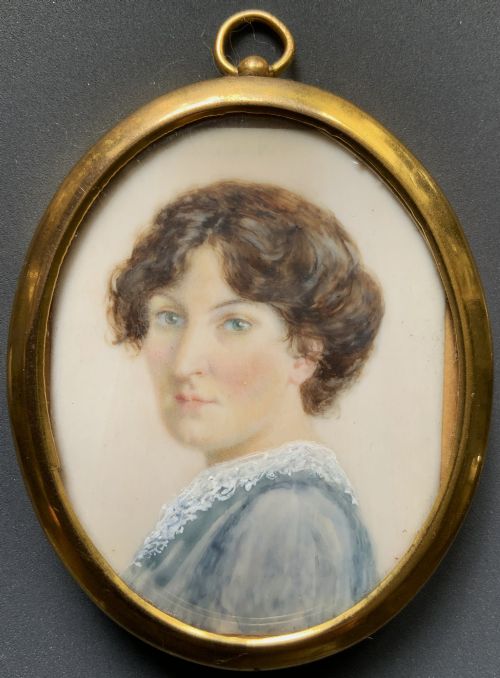
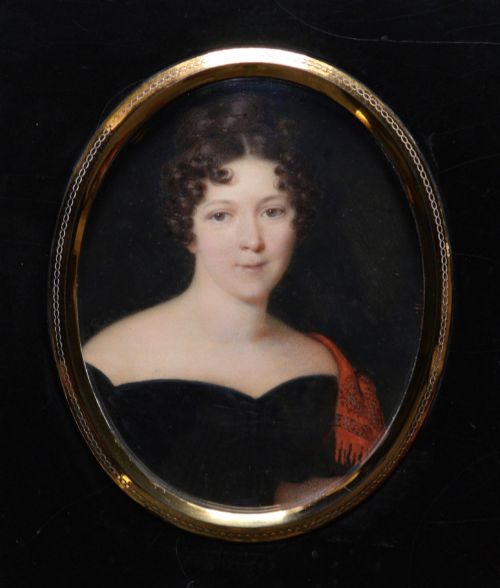
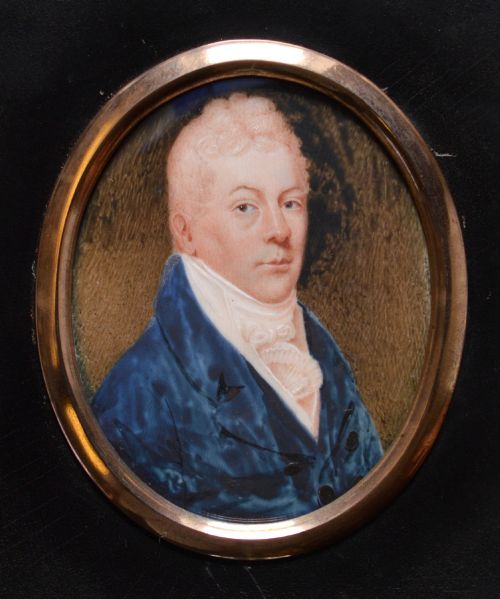
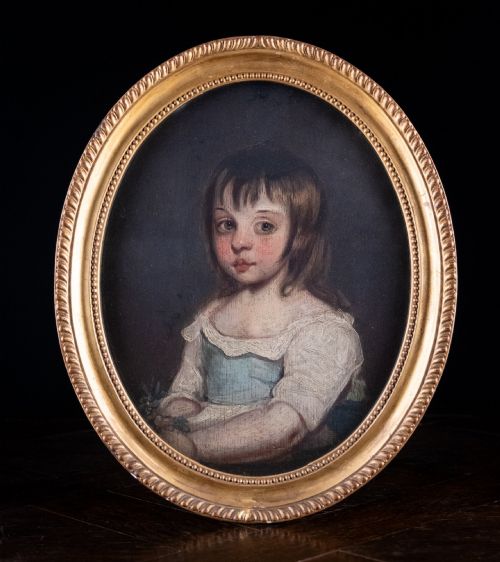
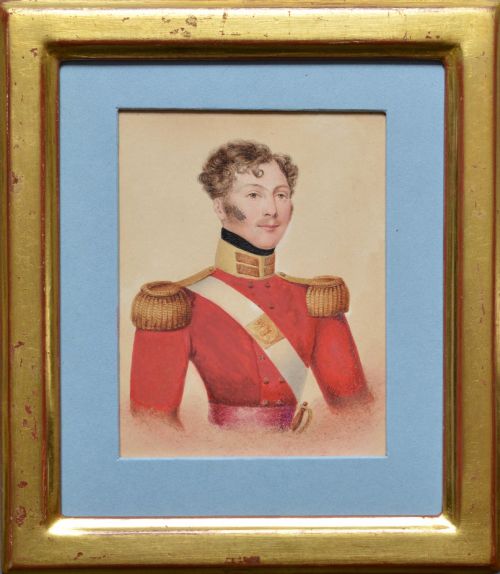
An antique gilt miniature frame holds small portraits, silhouettes, and watercolours crafted during the Georgian, Regency, and Victorian periods.
Antique Gilt Miniature Frame
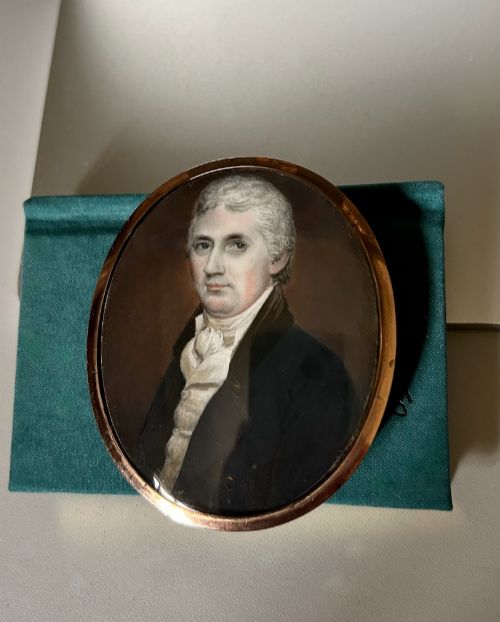
An antique gilt miniature frame encloses small works of art such as portrait miniatures, silhouettes, and watercolours. These pieces date across the eighteenth and nineteenth centuries, spanning Georgian, Regency, and Victorian eras.
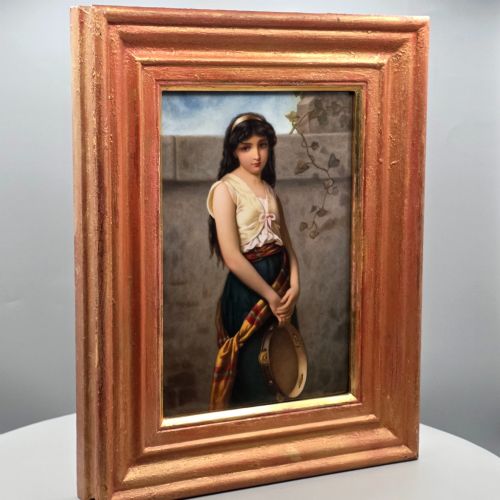
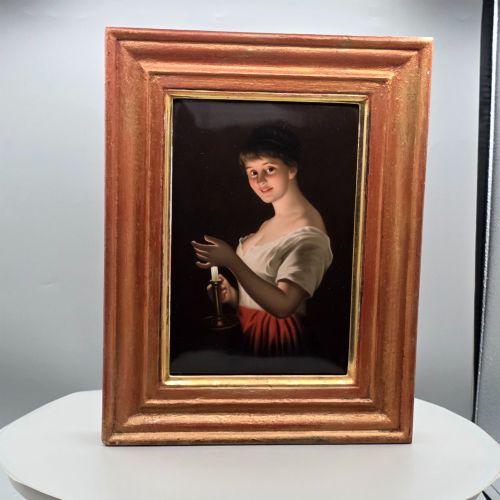
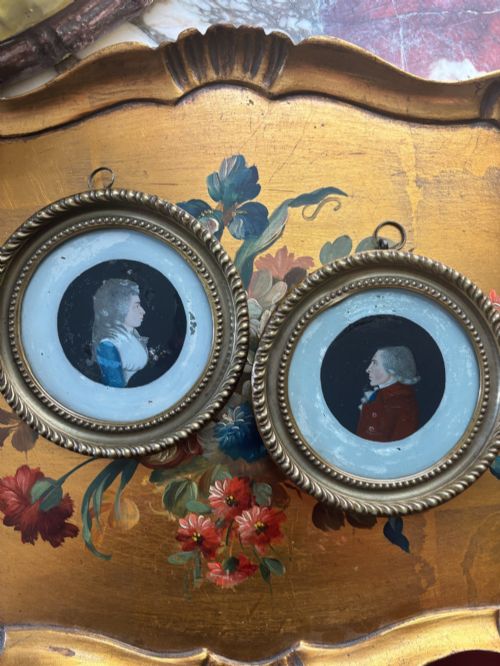
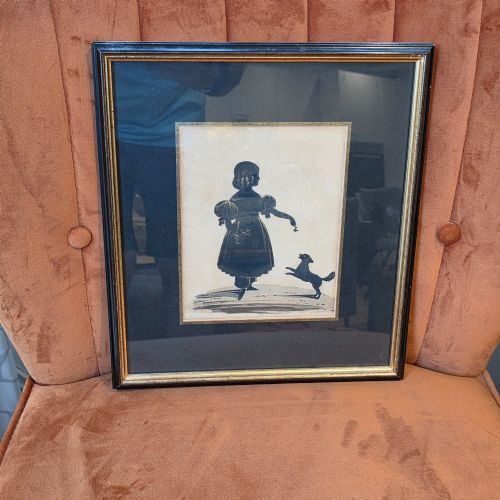
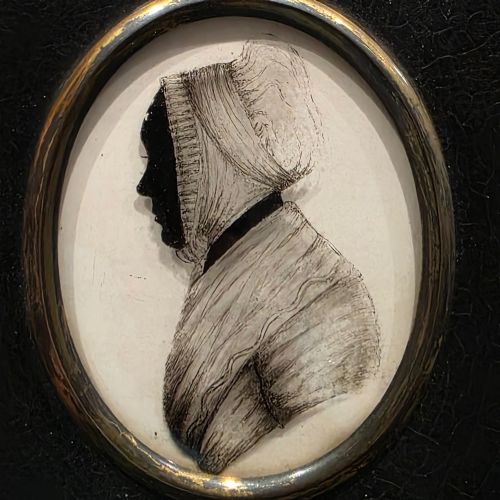
The objects preserved within these diminutive housings include silhouette portraits from the Hubard Gallery, watercolour paintings of officers and children, and enamel plaques. Buyers encounter oval picture frames, rectangular shadow boxes, and hinged metal cases.
Originating from British, French, and European makers, the selections also encompass Mughal paintings and Anglo-Indian portraits. Most surviving examples integrate glass protection over paper, card, or porcelain panels.
How They Were Made
Metals such as gilt bronze, brass, and gilt metal provide structural housing for these small works, often enhanced with gold leaf applied to wood or gesso. Artisans shaped these components into delicate oval or rectangular profiles suited for intimate portraits.
Surfaces frequently protect delicate paper, watercolour, pastel, or gouache paintings beneath clear glass. Enamel plaques and porcelain panels required high-temperature firing before mounting into their respective metal or wooden enclosures.
Listings feature items from the 18th Century, Regency, and Victorian eras, incorporating materials such as gilt metal, wood, paper, and glass.
What Varies in Quality
The precision of the metal chasing and the depth of the gilding separate standard production from superior examples. Hand-carved giltwood and finely cast gilt bronze show crisper detail than pressed brass equivalents.
Integration between the artwork and its housing indicates overall standard, where original glass, secure backing boards, and matched bezels remain undisturbed. Finer pieces retain authentic hand-applied finishes without modern structural replacement.
William James Hubard·John Miers·Charles Hayter·Christian Friedrich Zincke·William Naish
The Antique Gilt Miniature Frame Glossary
- Silhouette
- A solid dark profile portrait, usually cut from paper or painted on card. These items gained popularity during the Georgian and Regency periods.
- Giltwood
- Timber that has been coated with a thin layer of gold leaf or gesso powder. This material frequently appears on decorative frames from the eighteenth and nineteenth centuries.
- Portrait Miniature
- A small-scale painting executed on ivory, vellum, card, or copper. Artists often produced these intimate likenesses for personal keepsake or travel.
- Enamel Plaque
- A fused vitreous glass coating applied to a metal base, commonly copper. These items display hand-painted scenes or portraits fixed within metal surrounds.
- Shadow Box
- A deep glass-fronted frame designed to display three-dimensional objects. Examples from the period house devotional figures and small mementoes.
Antique Gilt Miniature Frame: Frequently Asked Questions
What fits inside an antique gilt miniature frame?
These housings accommodate small-scale works such as paper silhouettes, watercolour portraits, and painted enamel plaques. Many retain their original contents created during the Georgian and Victorian eras.
Artists utilised card, ivory, and porcelain as painting surfaces for these intimate depictions. Collectors occasionally match empty frames with period-appropriate artwork of corresponding dimensions.
How do I date an antique frame?
Dating relies on material composition, construction techniques, and stylistic traits associated with Georgian, Regency, or Victorian periods. Cast brass, fire gilding, and hand-cut wooden profiles offer key chronological indicators.
Backing materials, original fixings, and glass type further assist in determining the precise era of manufacture. Surviving labels or paper backings occasionally record the original maker or retailer.
Were these frames meant to hang or stand?
Makers designed these small enclosures for both wall display and tabletop placement. Many feature small suspension loops for hanging on parlour walls alongside larger artworks.
Others functioned as personal items, kept on desks, carried during travel, or worn as jewellery pieces. Easel backs appeared more frequently in later nineteenth-century examples.
How should I clean a gilt frame?
Maintenance requires minimal intervention using a soft, dry brush to remove dust from delicate crevices and gilded surfaces. Moisture and abrasive agents damage historic gold leaf and aged metal.
Glass panels benefit from careful wiping with a lint-free cloth dampened slightly with water, avoiding contact with the surrounding frame. Professional conservation is advisable for fragile gesso or damaged gilding.