

Antique Gilt Candelabrum
An antique gilt candelabrum brings warmth, weight and dramatic height to a mantel or console.
Antique Gilt Candelabrum
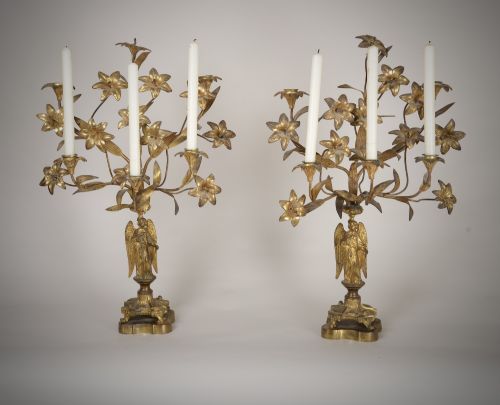
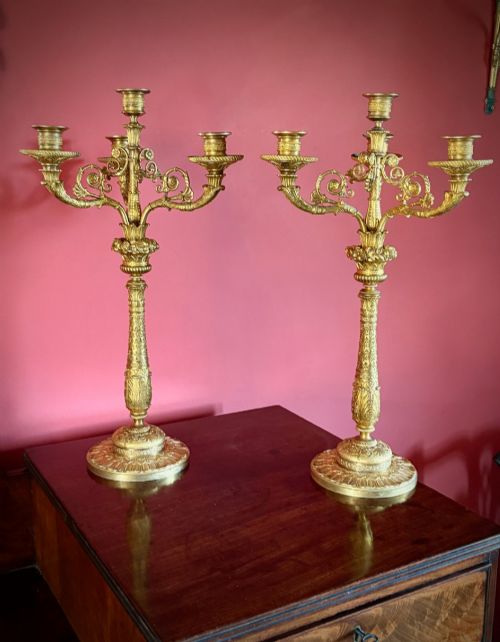
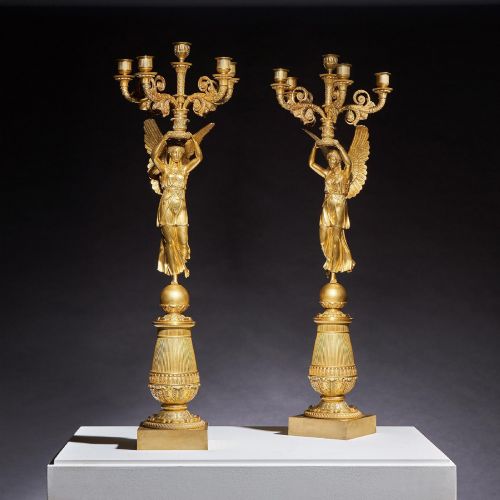
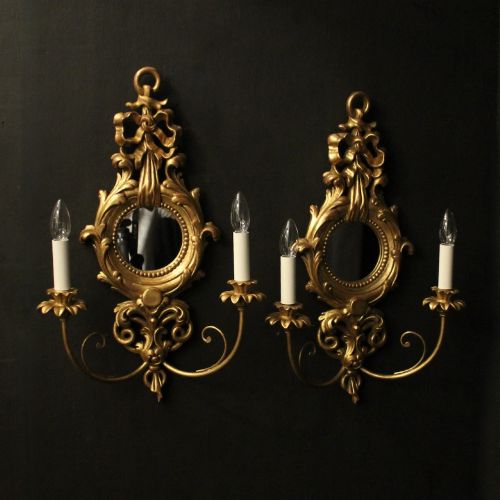
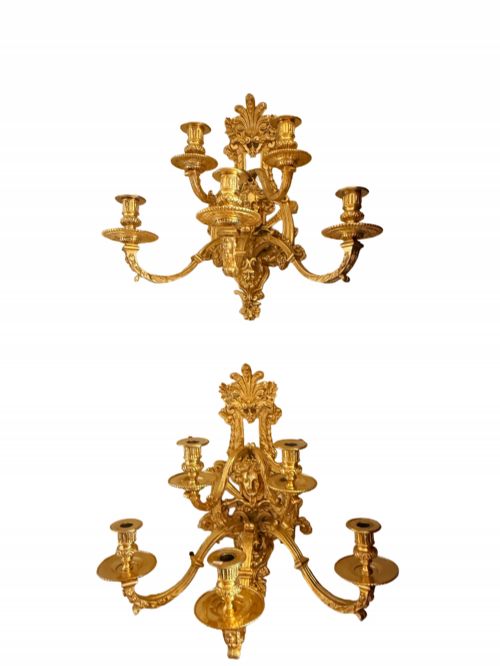
An antique gilt candelabrum is a multi-branched lighting fixture designed for holding several candles, finished with a golden surface. These decorative pieces appear frequently in nineteenth-century French designs, often taking the form of candelabra, wall sconces, clock garnitures, and candlesticks.
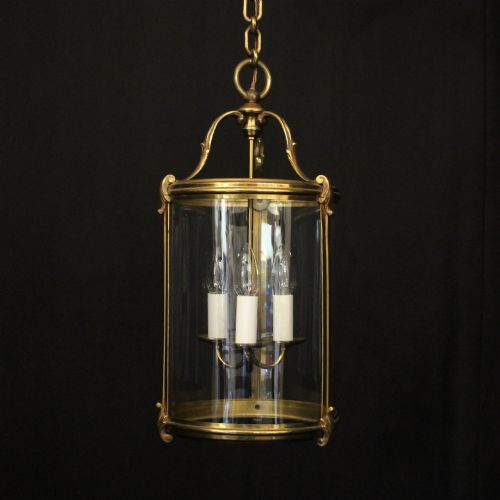
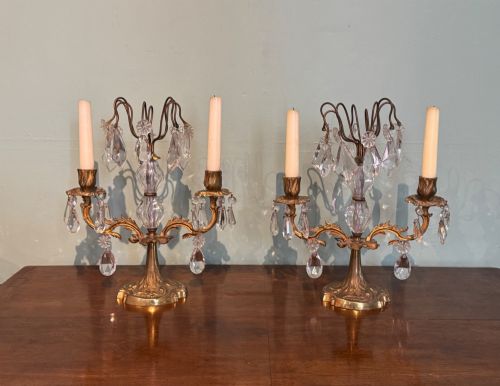
The selections available range from sturdy brass and bronze to ornate ormolu and gilt bronze, often incorporating marble, porcelain, or glass components. Makers channelled historical aesthetics through French Rococo Revival, French Empire, Louis XVI Revival, and Neoclassical styles.
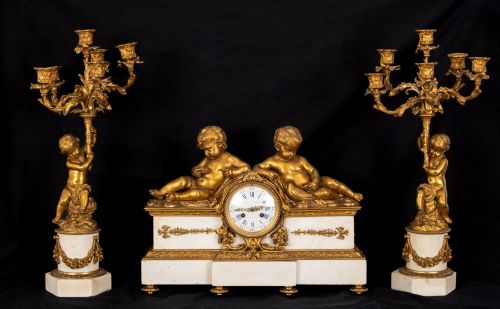
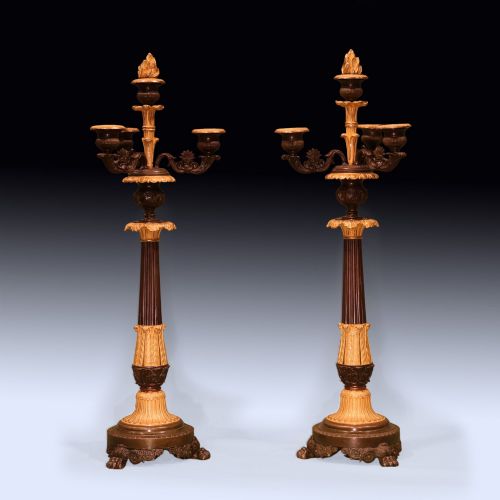
Buyers will find matched pairs dominating the listings, alongside single candelabra, wall lights, and larger three-piece garniture sets featuring central mantel clocks flanked by matching light fittings.
How they were made
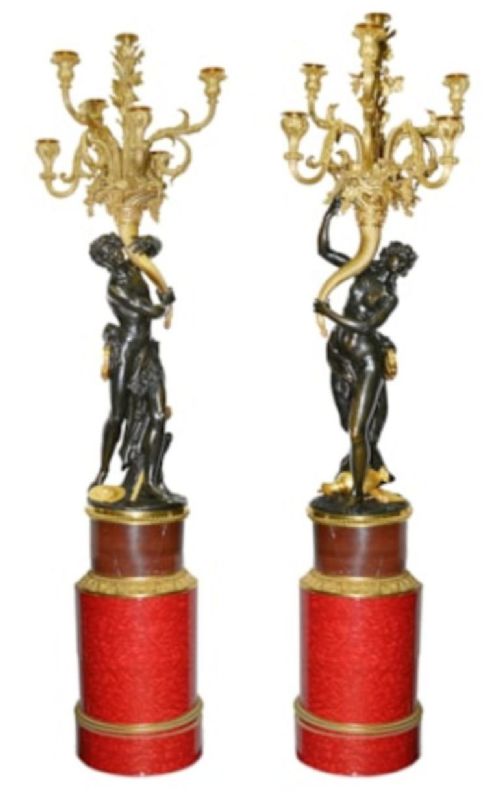
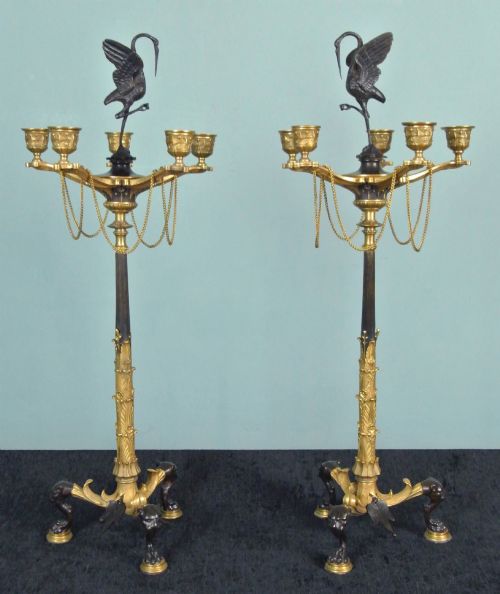
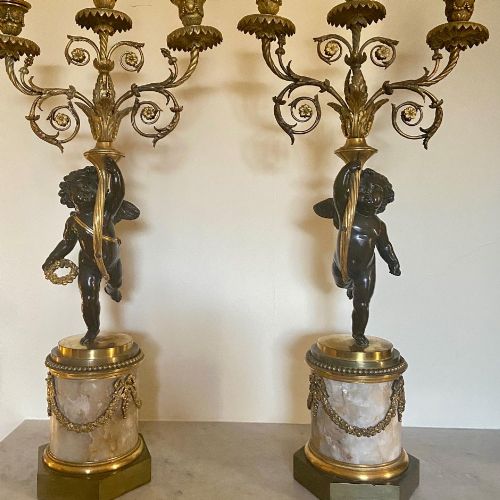
Foundry workers cast bronze, brass, or gilt metal components using traditional techniques, frequently combining patinated dark bronze with bright ormolu to create strong tonal contrast. Artisans applied mercury gilding or modern electroplating to impart the characteristic golden finish on bronze and brass substrates.
Many heavy pieces incorporate white or coloured marble bases, cut glass drops, or hand-painted porcelain sections, secured with threaded iron rods and bolts running through the central column.
Detailed figural elements such as putti, cherubs, maidens, and mythological subjects like Hercules and Hesione were individually cast, chased by hand with chisels and gravers, and then assembled into multi-arm branches.
Stag and doe figures occasionally peek out from beneath candle arms, bringing woodland wildlife straight onto the nineteenth-century drawing-room mantelpiece.
What varies in quality
The crispness of the chasing distinguishes superior metalwork, where feathers, drapery, and acanthus leaves retain sharp, deep definition rather than a soft, blurred appearance. Superior pieces display meticulous hand-finishing across every visible surface, including the hidden underside of bases and candle drip pans.
The quality of the gilding itself governs the visual presence, with fire-gilded ormolu exhibiting a warm, rich lustre that withstands close inspection better than flat, uniform modern coatings. Integration of materials also matters, seen in tightly fitted marble mounts and stable, heavy bronze castings that do not wobble at the joints.
Barbedienne·Francois Redmond·Pierre Philippe Thomire·Thiebaut Freres·Thomas Hope
The Antique Gilt Candelabrum Glossary
- Ormolu
- Finely chopped gold amalgamated with mercury and applied to bronze, then heated to drive off the mercury. This historic technique produced a durable, deep golden surface unique to older French metalwork.
- Garniture
- A set of three or more matching mantel ornaments, typically consisting of a central clock flanked by two matching candelabra or vases. These balanced sets formed the visual centrepiece of nineteenth-century drawing rooms.
- Chasing
- The manual tooling of cast metal using small punches and hammers to sharpen details, texture surfaces, and remove casting flaws. Hand-chasing separates high-end workshop production from mass-cast factory items.
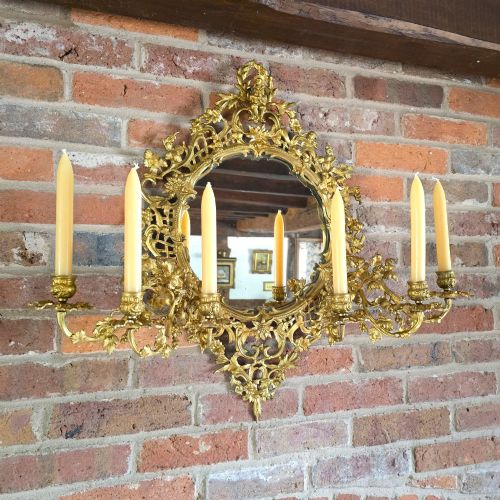
- Girandole
- An ornamental branched wall light or candelabrum featuring a reflective backplate, often made of mirror glass or giltwood. The reflective surface amplified the candlelight in dimly lit rooms.
- Patinated Bronze
- Bronze treated with chemical solutions to produce a dark brown, green, or black surface layer. This dark tone provided a striking contrast against bright ormolu mounts.
Antique Gilt Candelabrum: Frequently Asked Questions
What is an antique gilt candelabrum used for?
These branched fixtures originally provided functional illumination in dining rooms, parlours, and drawing rooms before the widespread adoption of gas and electric lighting. Today, they serve primarily as decorative focal points on mantelpieces, sideboards, and console tables.
While modern owners occasionally burn candles in them during dinners or winter evenings, many prefer to leave the arms bare to showcase the gilt bronze and ormolu craftsmanship.
How do I clean an antique gilt candelabrum?
Dust these delicate metal surfaces gently with a soft, dry ostrich feather duster or a clean microfibre cloth. Avoid all commercial metal polishes, abrasive cloths, and liquid cleaners, as these harsh substances strip away thin layers of gold leaf or historic ormolu gilding.
If wax accumulates in the drip pans, soften it with warm water and gently lift it away with a plastic scraper rather than metal tools that might scratch the bronze underneath.
How can I tell a nineteenth-century piece apart?
Nineteenth-century pieces often display heavy sand-cast bronze construction joined by threaded iron bolts rather than modern screws. Look for signs of hand-chasing under magnification, where artisans refined the raw casting with small chisels.
Stylistic cues such as French Rococo Revival or Empire motifs point directly to the nineteenth-century revival periods when these decorative arts flourished across Europe.
Are candelabra and candlesticks the same thing?
Candlesticks are single-shaft supports designed to hold just one candle at the top. Candelabra feature multiple branched arms extending from a central stem to hold several candles simultaneously.
Both forms appear frequently in nineteenth-century bronze and ormolu work, often sharing identical base designs and figural motifs within matched garniture sets.