




Twin Light Candelabra
Twin light candelabra provide paired branches of illumination, bringing symmetrical design and balanced candle power to dining tables and mantelpieces.
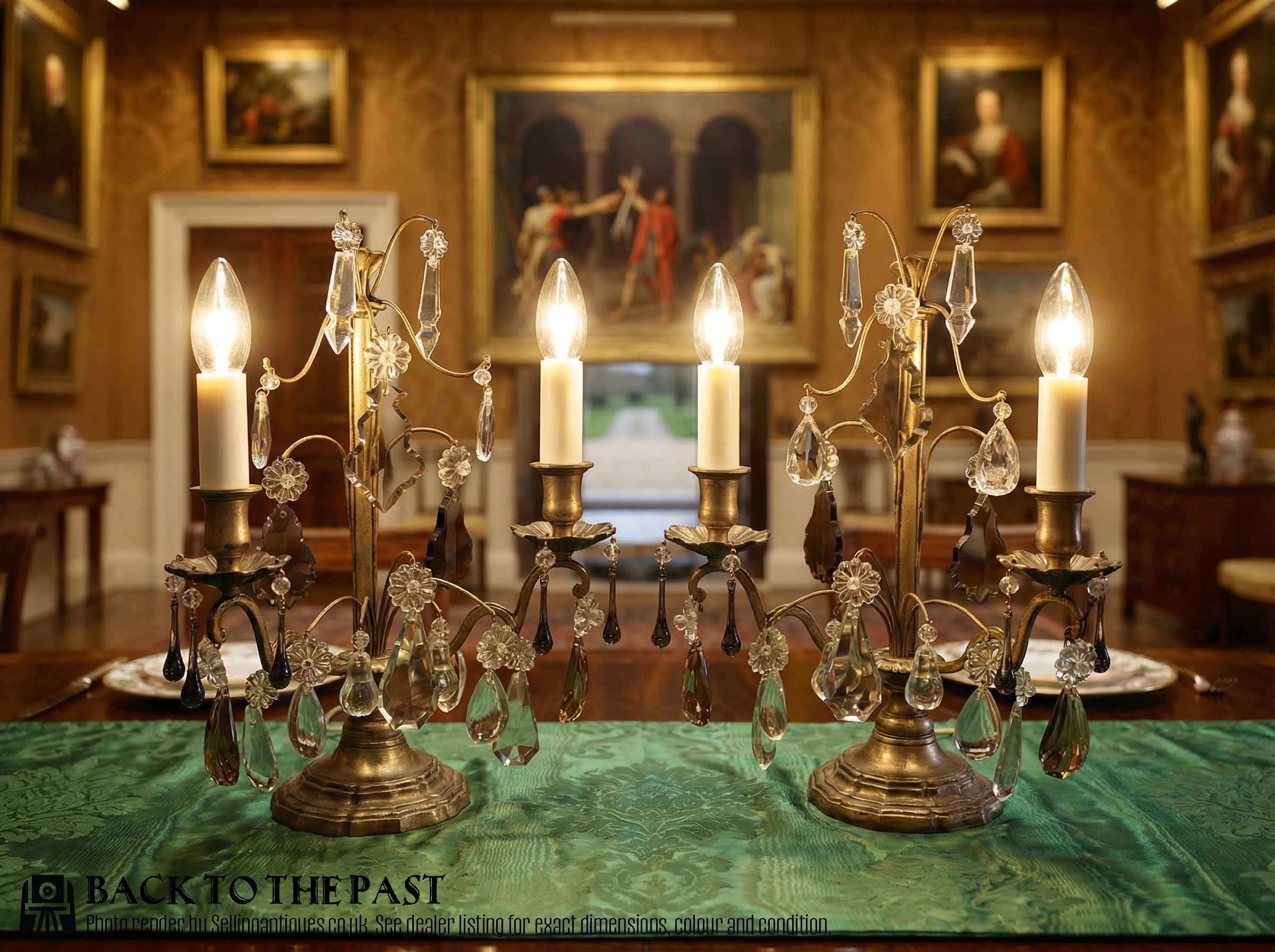
Twin Light Candelabra
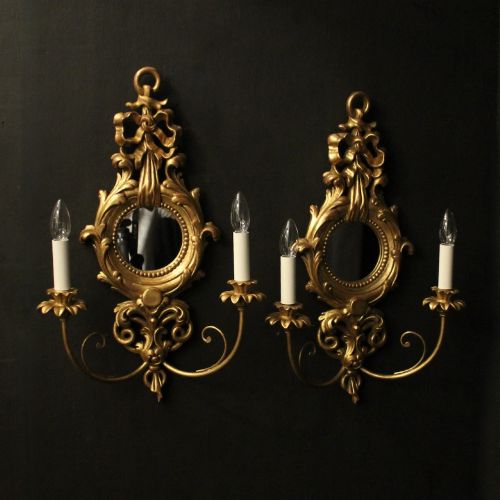
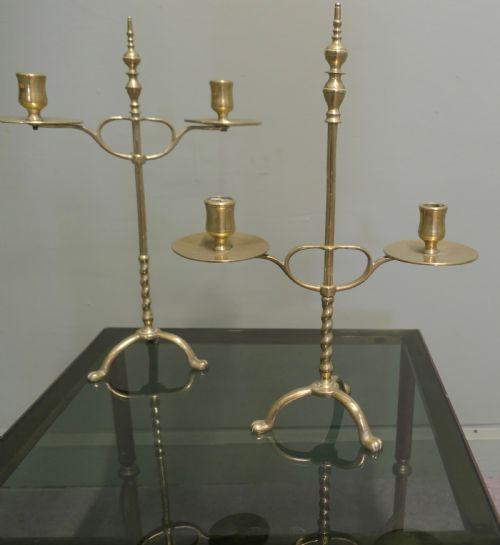
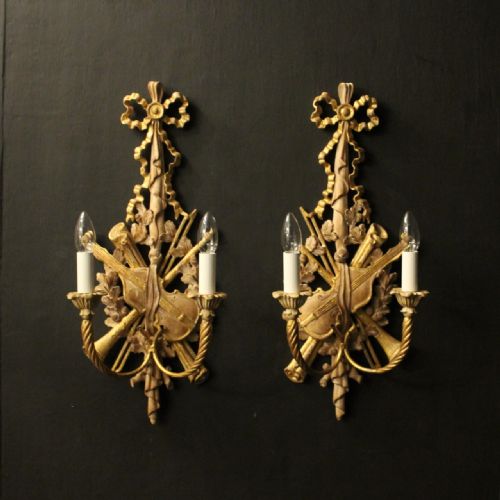
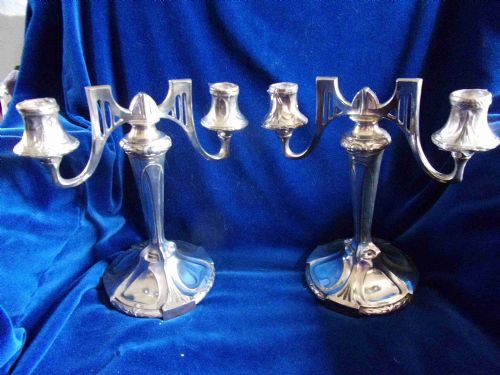
A twin light candelabra is a branched lighting fixture designed to hold two candles simultaneously, often encountered as matched pairs on this page. These pieces appear across various periods from the nineteenth century through the mid-twentieth century, showcasing forms like table candelabras, wall sconces, and girandoles.
The materials and styles span from heavy bronze and gilt brass in neoclassical or French chateau designs to sterling silver and silver plate executed in Arts and Crafts or Art Deco idioms. Buyers frequently find figural motifs incorporated into the stems, including cherubs, mermaids, and carved wooden figures supporting the double arms.
Originating largely from British, French, American, and Italian workshops, these items function equally well as decorative sculpture and practical candle holders. Their double branch configuration distinguishes them from single candlesticks while maintaining a more compact footprint than larger multi-light candelabras.
Materials and construction
Metals form the structural core of these items, utilising cast brass, bronze, gilt bronze, or ormolu alongside sterling silver and silver-plated white metal or spelter. Foundry work and silversmithing techniques allow for intricate figural casting and hand-wrought detailing on the twin arms and drip pans.
Secondary elements incorporate natural substances like marble for stable bases and crystal drops for reflective table chandeliers, while other examples employ carved and polychromed wood. Assembly methods involve threaded rods, pinning, and soldering to secure the branches to the central stems.
Listings feature twin light candelabra spanning the nineteenth century through the 1960s, utilising brass, bronze, marble, and sterling silver.
Distinctions in craftsmanship
Quality rests in the crispness of the cast detail and the integrity of the original surface finish, whether patinated bronze, fire gilt, or heavy silver plating over base metal. Superior examples exhibit finely rendered figural work and balanced proportions across both branches.
Weight and construction solidity also mark the difference between standard production pieces and superior workshop output, particularly in the thickness of the silver or bronze used. The integration of high-grade materials like solid marble bases or hand-wrought elements elevates the standard of execution.
Robert Edgar Stone·Elkington and Company
The Twin Light Candelabra Glossary
- Ormolu
- A golden-coloured bronze alloy used for decorative mounts and metalwork. It achieves its rich appearance through the application of a mercury and gold amalgam before being chased.
- Girandole
- A branched wall-mounted light fixture fitted with candles or lights. These pieces often incorporate mirrors or reflective backplates to amplify the illumination.
- Spelter
- A zinc alloy commonly utilised as a base metal for decorative figures and candelabras during the nineteenth and twentieth centuries. It takes patination and plating well to imitate bronze or silver.
- Silver plate
- A thin layer of silver fused or electroplated onto a base metal core such as copper, brass, or nickel. This technique provided the visual appeal of solid silver at a lower production cost.
- Neoclassical
- A design style drawing inspiration from classical antiquity, featuring balanced proportions, urn motifs, and symmetrical scrollwork. It influences many nineteenth-century bronze and brass lighting pieces.
Twin Light Candelabra: Frequently Asked Questions
How do I clean antique silver candelabra?
Use a soft cloth and a gentle silver cleaner specifically formulated for plated or solid sterling items. Avoid abrasive pads that can wear down thin silver layers.
Take care around soldered joints and chased details where polish can accumulate and harden over time.
Were these always sold as pairs?
Many twin light candelabra and wall lights were manufactured and marketed as matched pairs to flank mirrors, fireplaces, or sideboards. Single items do appear, but balanced pairs remain the traditional format for formal display.
Matching sets often show slight variations in hand-finished chasing or casting details due to period production methods.
Can these candelabra be converted to electricity?
Several examples on the market already feature period or vintage conversions into table lamps or wall sconces. Professional rewiring can adapt unadapted candle versions, though non-invasive methods preserve the original structure.
Consult a qualified restorer to ensure any electrical adaptation respects the historical integrity of the bronze or silver work.