

Antique Gillows Cabinet
An antique Gillows cabinet represents the pinnacle of English furniture-making, offering unmatched utility and timeless refinement for any interior.
Antique Gillows Cabinet
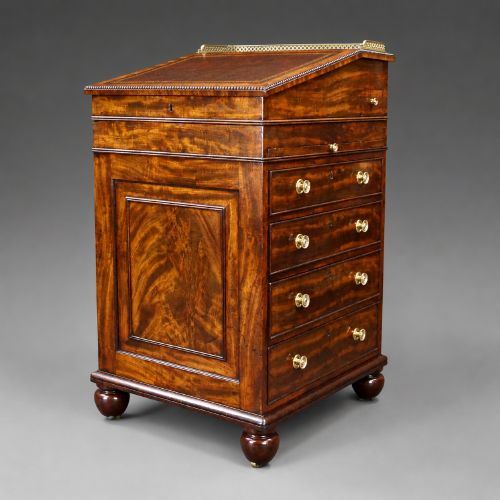
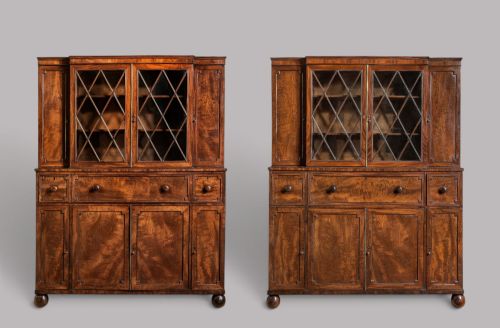
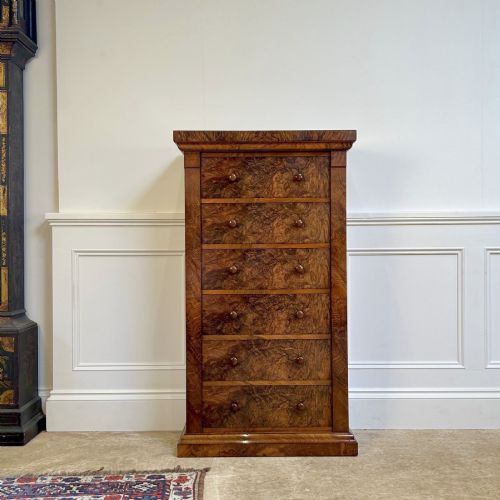
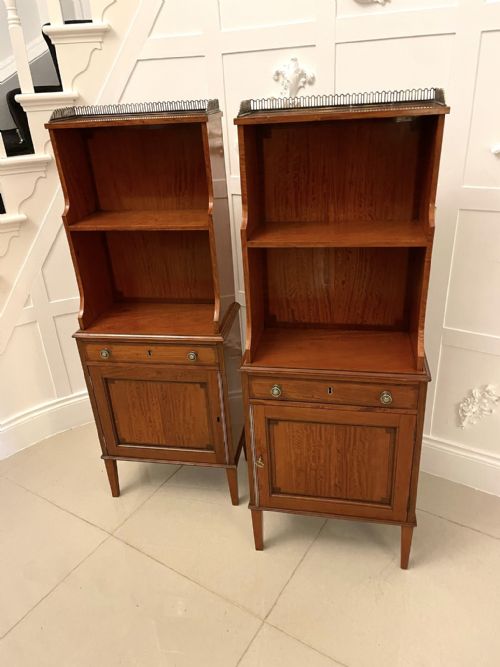
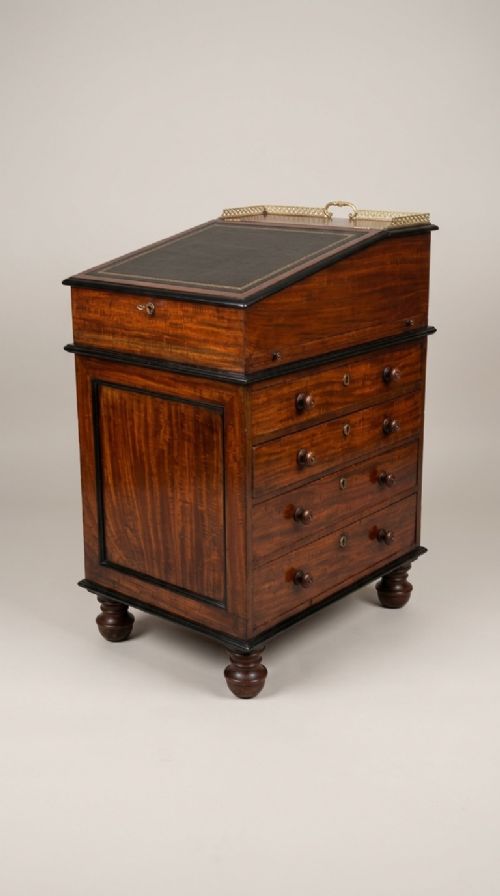
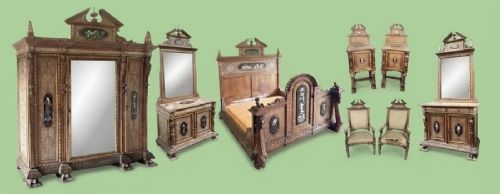
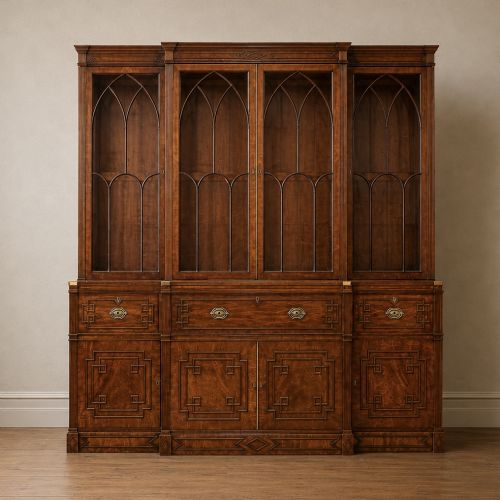
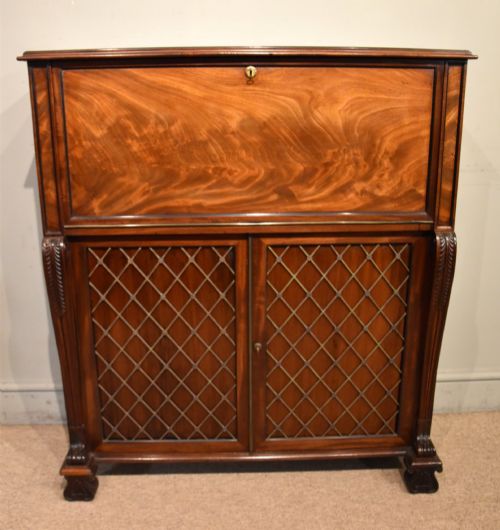
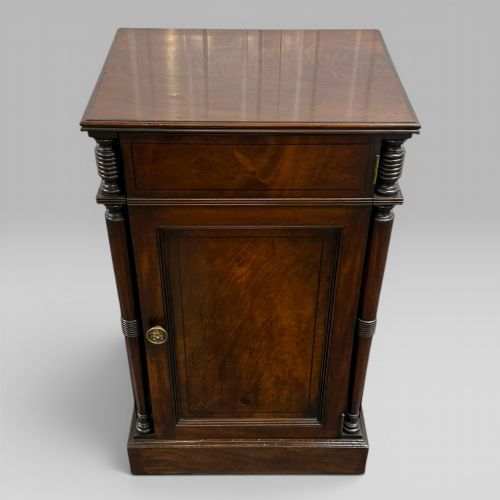
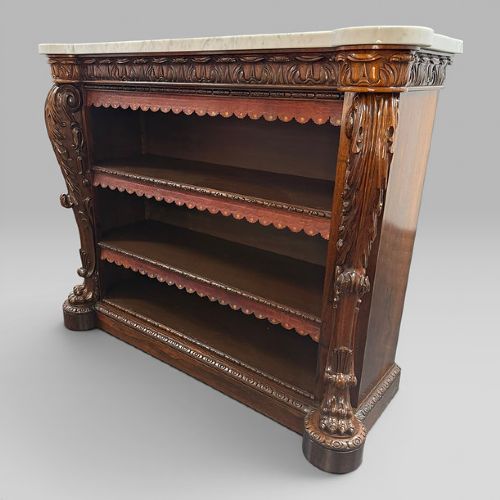
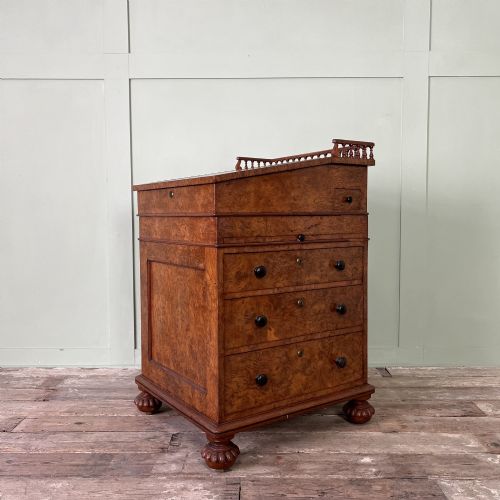
When you search for an antique gillows cabinet, you encounter works produced by the renowned Lancaster and London firm known for exceptional craftsmanship. The selections span diverse forms, including secretaire bookcases, bedside cabinets, Davenport desks, and large library bookcases.
The pieces date across several periods, stretching from the Georgian era through the Regency, Victorian, and Edwardian years, up to the early twentieth century under Waring and Gillow. Regency and nineteenth-century mahogany and burr walnut examples dominate the offerings, alongside satinwood and rosewood pieces.
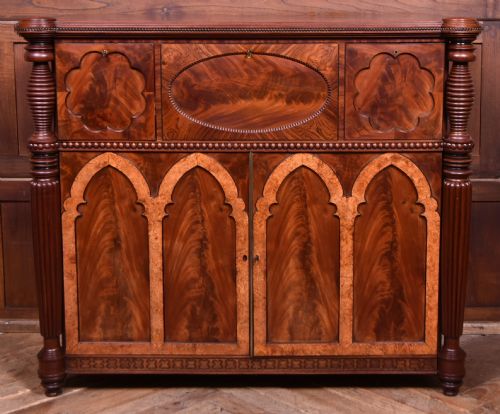
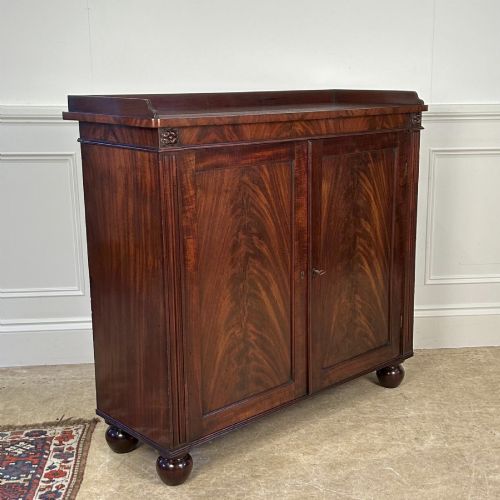
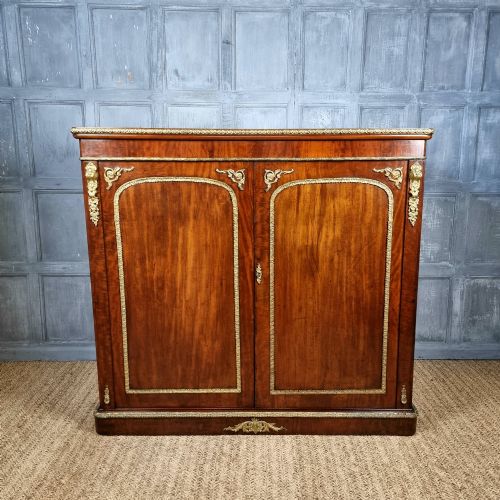
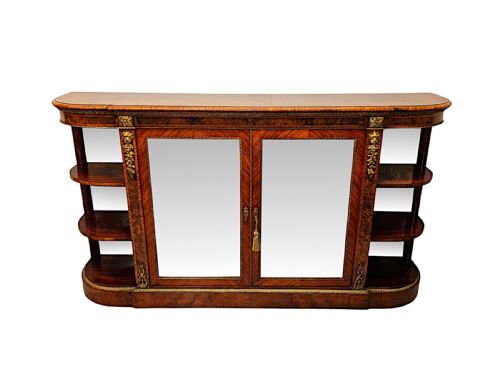
Buyers find everything from compact bedside cupboards and dwarf linen presses to grand breakfront bookcases and ormolu-mounted credenzas. Each item reflects the distinctive utility and architectural proportions characteristic of the firm's workshop traditions.
Materials and construction methods
Makers utilised dense timbers such as flame mahogany, burr walnut, rosewood, and satinwood, often accentuating the grain with intricate inlay and brass or ormolu mounts. Glass panels feature in bookcases and display cabinets, while leather frequently lines the writing surfaces of secretaire drawers.
Joinery techniques involve precise dovetailing, reeded legs, and astragal glazing bars, combined with functional mechanisms for secretaire drawers and Davenport writing slopes. Stamped signatures, paper labels, or attribution to Gillows of Lancaster confirm the meticulous workshop standards.
Plate-warmer pedestals kept dining plates pleasantly toasted before courses arrived at the table.
Distinctions in quality and finish
The hierarchy among these pieces rests upon the selection of timber veneers, the crispness of carved details, and the presence of original brass hardware or maker stamps. Matched pairs and documented works by Gillows of Lancaster command particular attention for their superior proportion and verified provenance.
Subtle differences in secondary timbers, the complexity of internal fittings such as pigeonholes and secret drawers, and the integrity of the original polish distinguish standard production items from masterworks.
Gillows of Lancaster·Waring and Gillow
The Antique Gillows Cabinet Glossary
- Secretaire
- A cabinet or desk featuring a pull-down drawer front that conceals a writing surface and small compartments. This form allowed owners to combine storage with correspondence facilities.
- Davenport
- A compact small desk featuring a sloped writing surface above a pedestal of drawers. It typically incorporates side compartments and stationary storage.
- Credenza
- A low cabinet, often fitted with glass doors or open shelving, frequently mounted with ormolu or decorative marquetry. These items served both display and storage functions in principal rooms.
- Astragal
- A moulded bar dividing panes of glass within a bookcase or cabinet door. They create geometric patterns across the frontage.
- Cellarette
- A fitted cabinet or box designed to hold bottles of wine securely. They often appear as pedestal forms or under-tier units.
Antique Gillows Cabinet: Frequently Asked Questions
How do I identify a genuine Gillows cabinet?
Look for physical maker stamps, distinctive brass locks, or documented construction traits typical of the Lancaster workshop. Many pieces also carry paper labels or specific structural signatures associated with known cabinetmakers.
Examine the secondary woods and internal dovetailing, as the firm maintained rigorous standards across all periods from the Georgian era onward.
What periods do these cabinets cover?
The inventory spans the Georgian, Regency, William IV, and Victorian eras, extending into Edwardian times with Waring and Gillow production. Regency and nineteenth-century examples appear most frequently in mahogany and burr walnut.
Each period imparts distinct stylistic markers, ranging from neoclassical restraint to Victorian Gothic Revival and Edwardian marquetry.
How were secretaire cabinets used?
Owners utilised secretaire cabinets as multi-purpose furniture for both storing household linens or books and writing letters. The pull-down front provided an instant desk without occupying the space of a full freestanding table.
Interior compartments kept stationery organised while concealing private correspondence behind locked doors.