


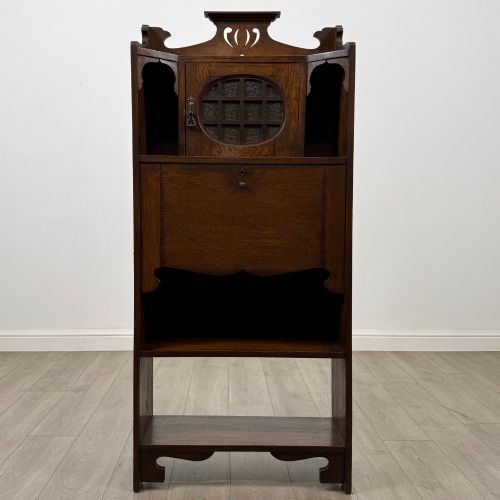
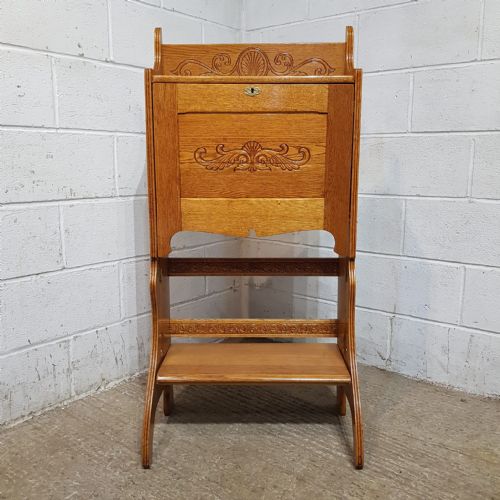
Vintage Drop Front Secretary
A vintage drop front secretary offers a clever writing surface that folds away when the letters are done.
Vintage Drop Front Secretary
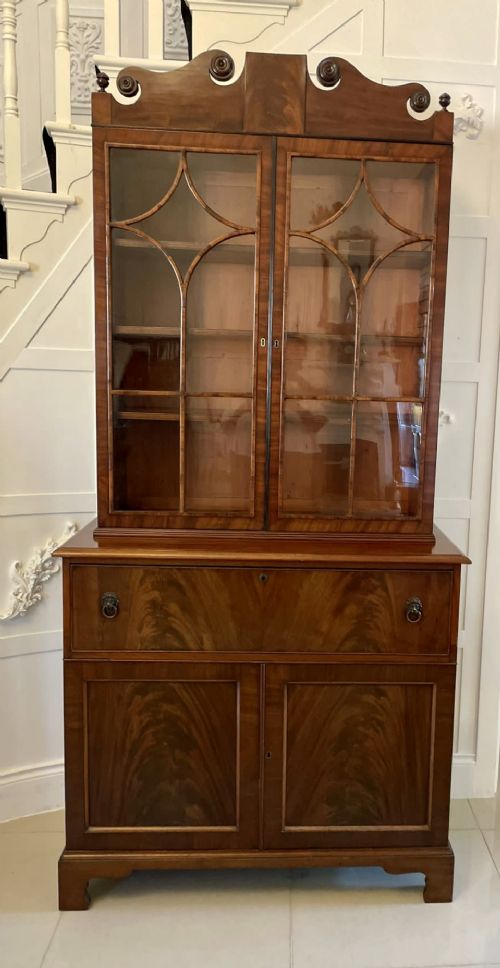
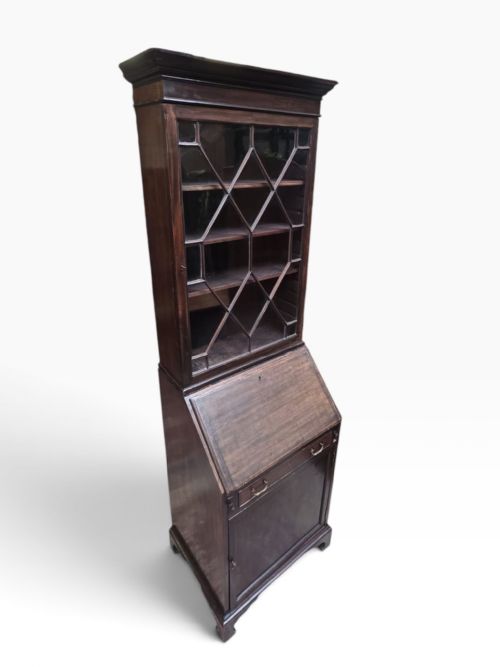
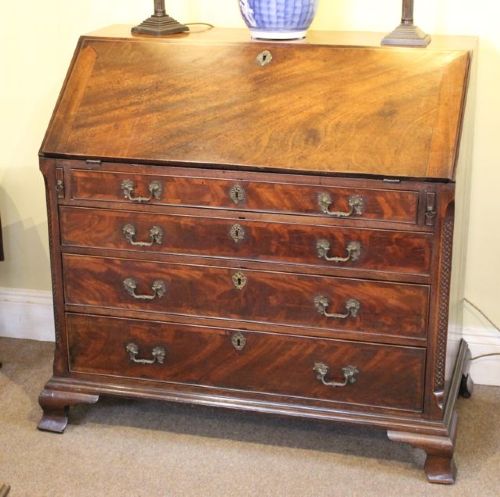
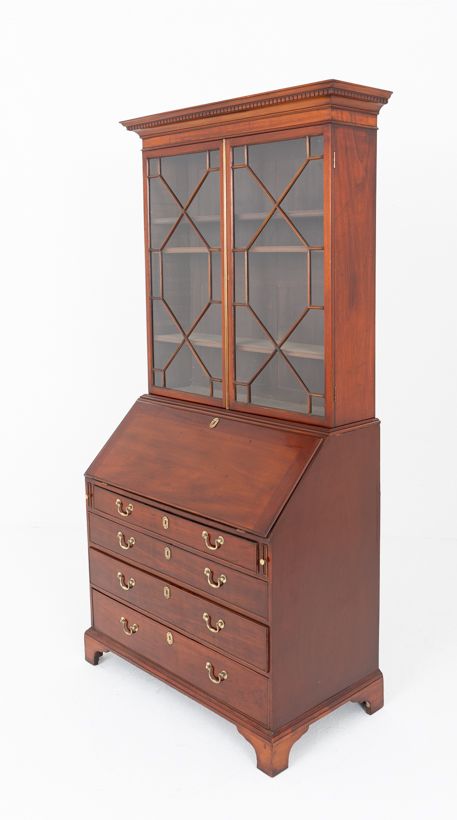
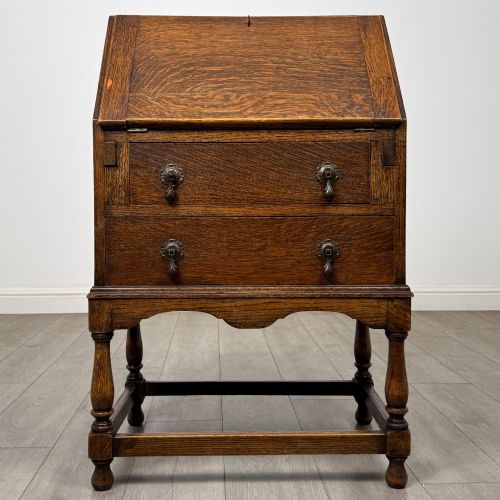
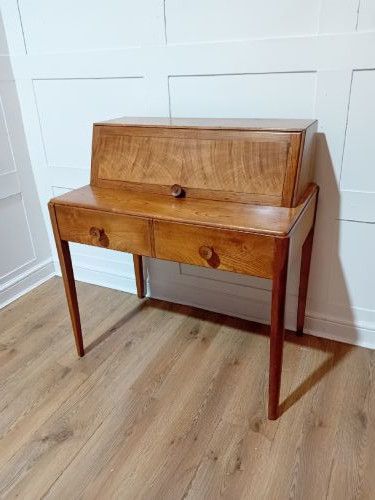
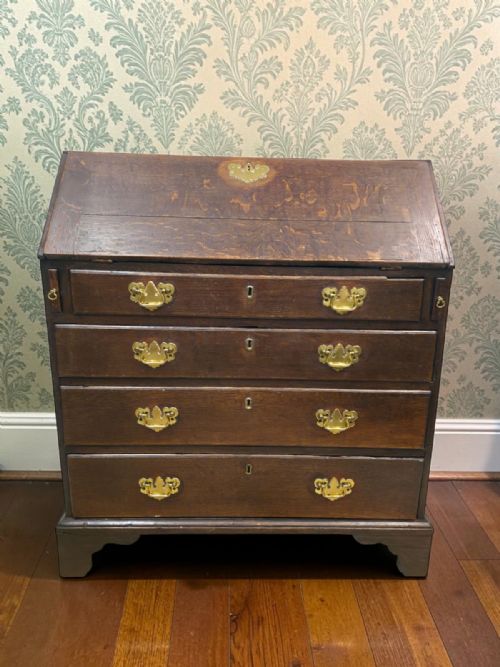
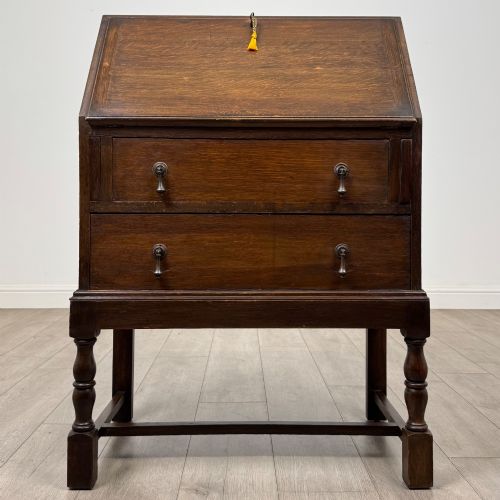
A vintage drop front secretary combines a concealed writing desk with drawers or a bookcase above. These pieces appear as compact fall front writing bureaux or tall bureau bookcases spanning several centuries.
The selections here run from simple Edwardian oak and walnut examples to grand Georgian and Regency mahogany secretaire bookcases. Buyers find both modest writing desks and large multi-tier cabinets suited for home storage.
How they were made
Cabinet makers utilised dense hardwoods including mahogany, oak and walnut, often applying burr walnut or satinwood veneers to the fall fronts. Brass handles and escutcheons secure the drawers and internal pigeon holes.
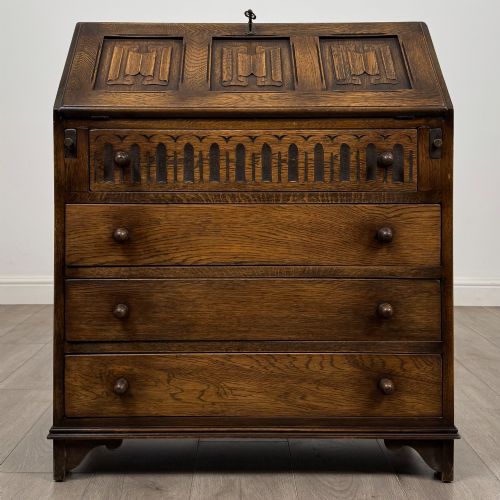
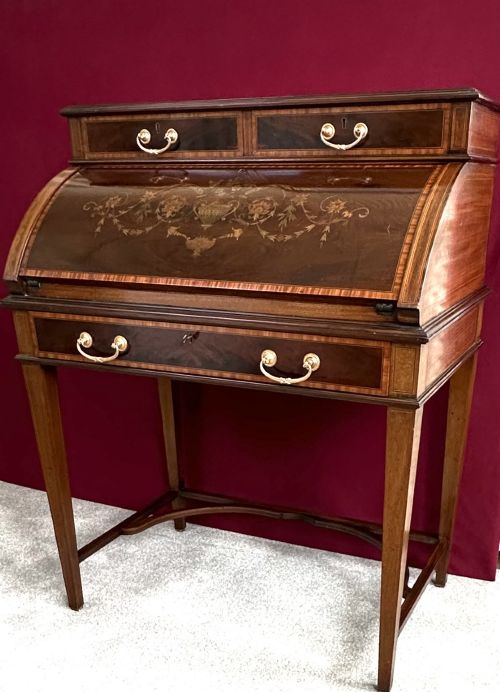
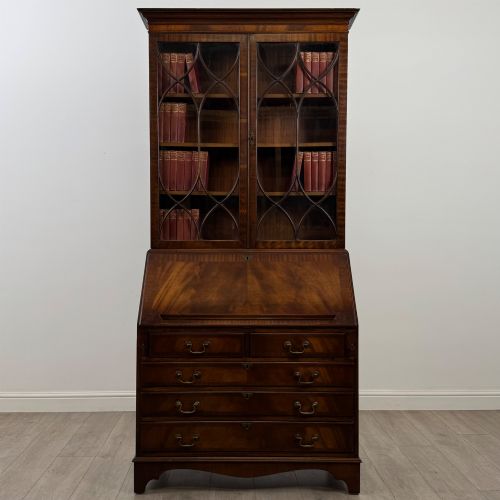
Joinery methods range from simple Edwardian panel construction to intricate 18th century marquetry inlay and carved linenfold detailing. Glass panels frequently feature in the upper bookcase doors of taller hybrid pieces.
The listings span multiple centuries, uniting 18th century Georgian craftsmanship with Edwardian oak utility and Art Deco walnut designs.
What varies in quality
The grade of timber and figured grain veneer dictate the visual weight of the piece, with burr walnut and figured mahogany sitting at the higher end. Subtle details like internal stationery compartments and secondary wood choices show the maker's hand.
Proportion and restrained decoration separate standard utility desks from sophisticated regional workshop items. Clean lines on Regency and George III forms contrast with heavier revival styles from later decades.
Arthur Basil Reynolds·Gillows of Lancaster·F.H. Marshall And Co Glasgow
The Vintage Drop Front Secretary Glossary
- Bureau
- A sloping front desk enclosing small drawers and pigeon holes. It often sits atop a chest of drawers or a sturdy wooden stand.
- Secretaire
- A piece of furniture containing a drawer or compartment that pulls down to form a writing surface. It appears across various chest and bookcase formats.
- Fall front
- A hinged flap that drops into a horizontal position to create a writing desk. It conceals internal stationery compartments when closed upright.
- Escritoire
- A writing cabinet or desk from earlier periods. The term shares origins with the classic bureau and secretary forms.
- Marquetry
- Decorative veneer work formed by fitting together small pieces of wood or other materials. It creates pictorial patterns on cabinet surfaces.
Vintage Drop Front Secretary: Frequently Asked Questions
How do I use a drop front desk?
Lower the hinged flap to reveal the internal writing surface and small compartments for paper and ink. Prop up your writing materials and fold the front back up when finished to hide the clutter.
Ensure the brass support arms or wooden sliders take the weight of the flap before leaning on the surface. This protects the hinges and keeps the fall front level during use.
Where does a secretary fit at home?
These compact writing cabinets suit studies, living rooms or hallways where a full sized desk takes up too much floor space. The vertical storage provides room for books and paperwork without expanding the footprint.
Keep wooden pieces away from direct heat sources and strong sunlight to protect the mahogany, walnut or oak finishes. Consistent indoor climates prevent the veneer from lifting over time.
How do I date an antique bureau?
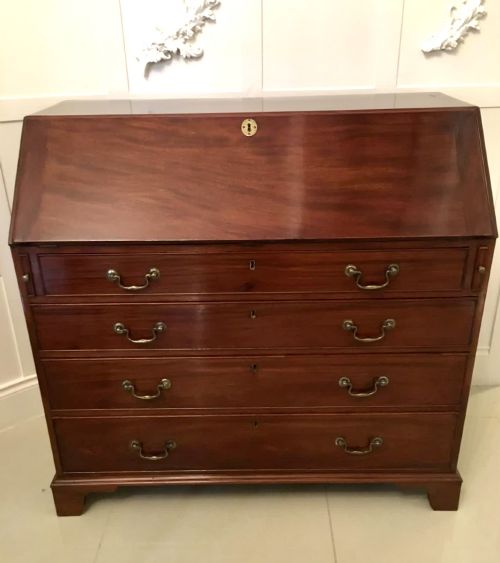
Examine the timber species, construction joints and overall style to narrow down the period. Georgian examples often feature cockbeaded drawer edges and fine mahogany, while Edwardian pieces lean toward golden oak and lighter proportions.
Look at the secondary woods inside the drawers and the style of the brass hardware for further clues. Drawer construction changes from hand cut dovetails on 18th century pieces to machine precision later on.