

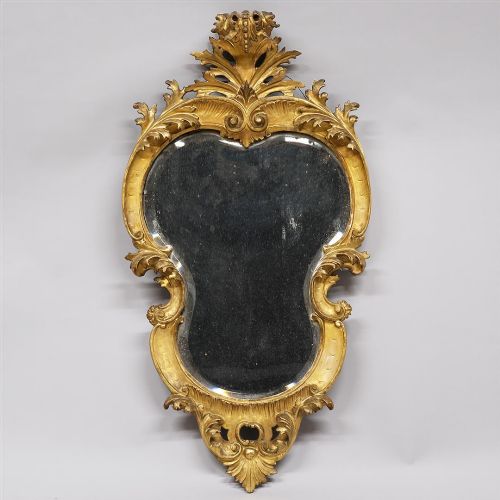
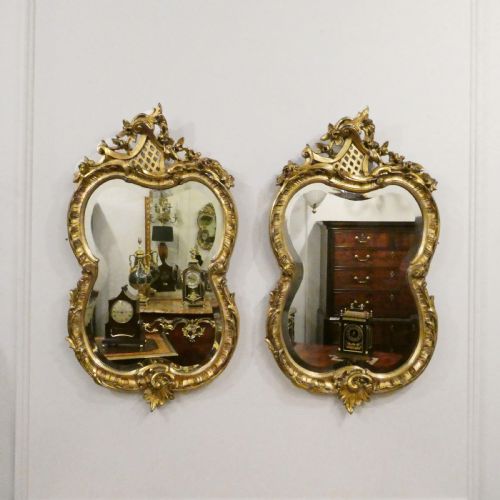


Antique Gilded Look Glass
An antique gilded look glass brings warmth and reflected light to a room through centuries-old craftsmanship.
Antique Gilded Look Glass
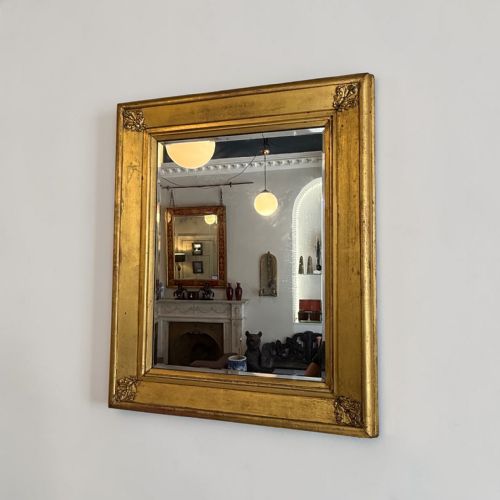
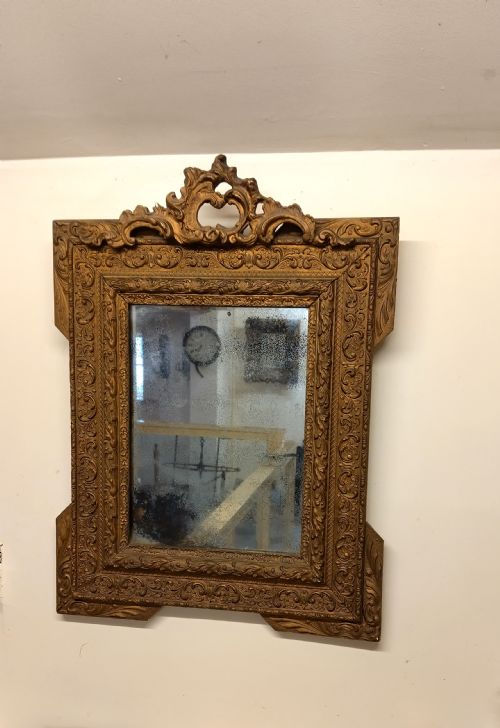
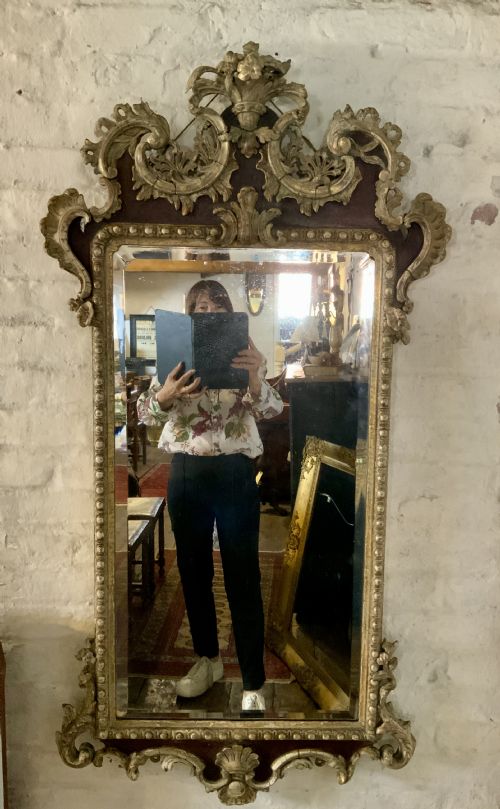
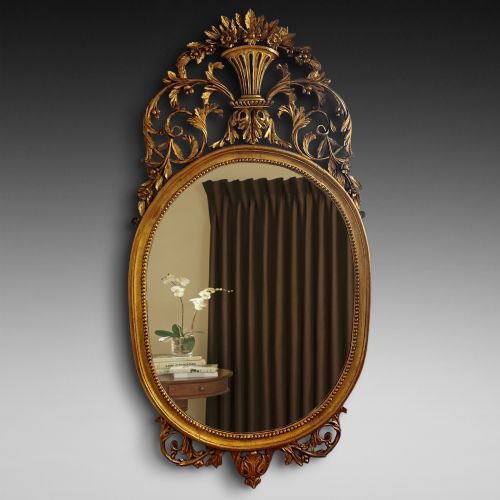
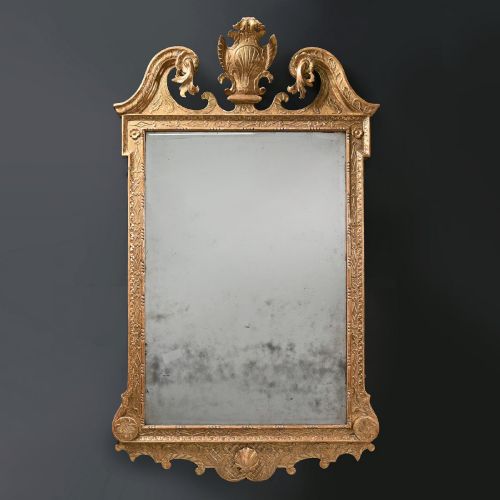
An antique gilded look glass functions primarily as a wall mirror designed to brighten interiors and reflect candlelight or daylight. When searching for an antique gilded look glass, buyers encounter various wall mirrors, pier glasses, and overmantle mirrors spanning multiple centuries.
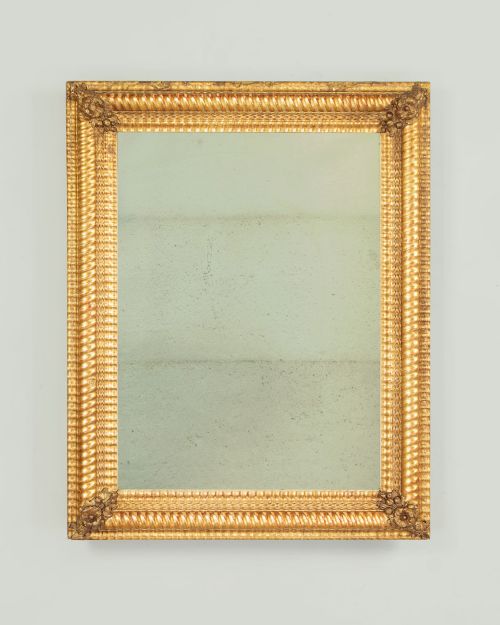
The pieces on this page originate predominantly from the eighteenth and nineteenth centuries, taking forms such as oval wall mirrors, rectangular pier mirrors, and fretwork frames. Georgian, Regency, and Victorian periods dominate the selection, alongside revival styles like Rococo and Louis XVI.
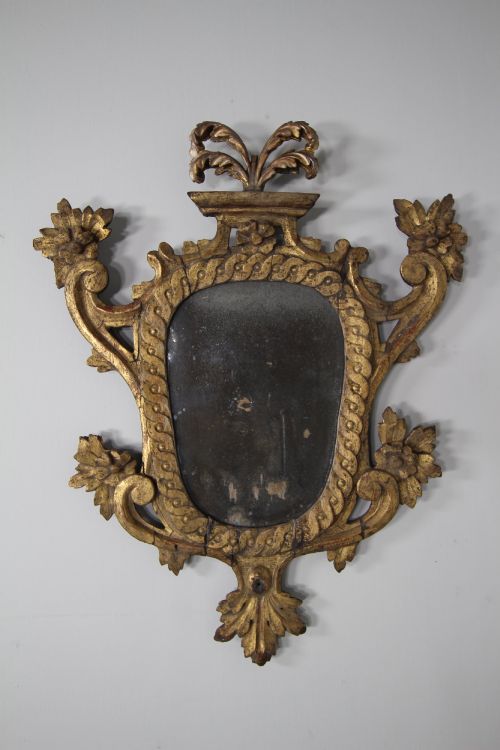
Makers and workshops across England, France, Italy, and Sweden produced these looking glasses using timber frames enhanced with applied decoration. Buyers frequently find carved giltwood frames, walnut with parcel gilt details, and gesso ornamentations.
Materials and Construction Techniques
Craftsmen built the underlying structures using timbers such as mahogany, walnut, and general wood, shaping them into frets, scrolls, and architectural mouldings. These wooden foundations provided the necessary stability for heavy decorative elements.
Makers applied layers of gesso - a mixture of plaster and size - onto the timber base to form intricate relief carvings like ribbons, bows, and foliage. Guilders then laid gold leaf over the gesso, often burnishing parts to achieve a brilliant reflective finish alongside matte surfaces.
Mirror plates were inserted into the rebated frames, sometimes featuring hand engraving or bevelled edges. Backboards made of pine or other secondary woods secured the glass within the frame.
Listings feature periods ranging from George II and Georgian up through Regency, Victorian, and early twentieth-century revival styles.
Distinctions in Quality and Execution
The crispness of the carved detail in the gesso and wood separates standard production from superior craftsmanship. Master carvers achieved deep undercut foliage and sharply defined motifs that maintain their integrity beneath layers of gilding.
The quality of the mercury or silvered mirror plate contributes significantly to the visual depth of the looking glass. Original plates often display characteristic oxidation and gentle foxing that mark their age authentically.
Proportion and balance define the better examples, where the frame dimensions harmonize with the scale of the glass plate. Well-executed pieces exhibit thoughtful design in their crests and aprons, whether following a Georgian, Regency, or French Rococo aesthetic.
Benjamin Goodison
The Antique Gilded Look Glass Glossary
- Gesso
- A preparation of plaster of Paris or chalk mixed with glue, used to coat wood before gilding. This mixture allowed artisans to carve intricate relief ornaments.
- Giltwood
- Timber that has been decorated with gold leaf. It forms the primary visual character of these framed mirrors.
- Pier glass
- A tall mirror designed to hang on the pier, the section of wall between two windows. These tall glasses often sat above console tables.
- Fretwork
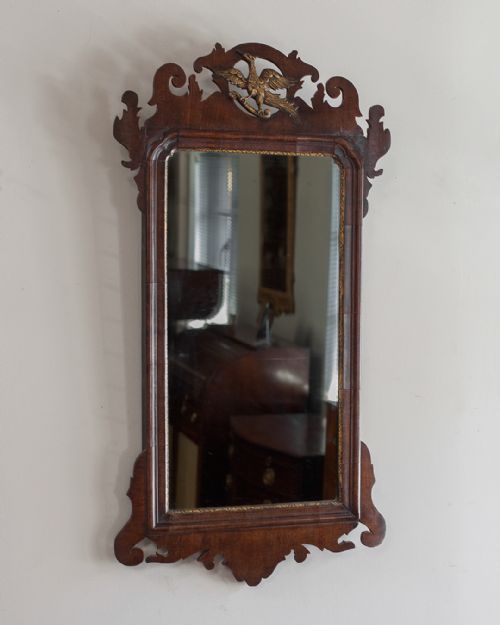
- Ornamental design consisting of pierced or perforated patterns carved into thin wood. This technique appears frequently on eighteenth-century mahogany frames.
- Overmantle
- A large horizontal mirror designed to sit directly above a fireplace mantelpiece. They filled significant wall space in nineteenth-century interiors.
Antique Gilded Look Glass: Frequently Asked Questions
How do I hang a heavy antique mirror safely?
Heavy gilded look glasses require secure fixing to solid wall studs or masonry using appropriate weight-rated brackets. Professional installation prevents strain on the original wooden frame joints and ancient fixings.
Ensure the hanging wire or mirror plates on the reverse distribute the load evenly across the structure. Avoid relying solely on old brass rings if the wood surrounding them shows signs of fatigue.
What is the difference between a pier glass and an overmantle?
Pier glasses were traditionally narrow and tall to fit the narrow wall space between windows. Their vertical orientation maximised the reflection of natural daylight into eighteenth and nineteenth-century rooms.
Overmantles, conversely, are wide horizontal mirrors created to occupy the expansive wall area above a fireplace. Their proportions complemented the hearth below rather than narrow architectural gaps.
How should I clean an antique gilded frame?
Dust antique gilded surfaces gently with a soft, dry ostrich feather duster or a clean microfiber cloth. Moisture can damage delicate gesso and lift fragile gold leaf, so liquids should be avoided entirely.
Professional conservators should handle any stubborn grime or structural repairs to prevent accidental removal of the original water gilding or oil gilding.
How can I tell a Georgian mirror from a Victorian one?
Georgian mirrors often feature architectural mahogany fretwork, understated walnut veneers, or early carved giltwood with restrained Rococo motifs. The timber choice and lighter framing constructions reflect eighteenth-century aesthetics.
Victorian pieces frequently display heavier cast brass elements, ornate plaster gesso overmantles, or revival styles with denser ornamentation and larger dimensions.