


Antique Gilded Dress Mirror
An antique gilded dress mirror brings functional elegance and warmth to a room, reflecting light while displaying period craftsmanship.
Antique Gilded Dress Mirror
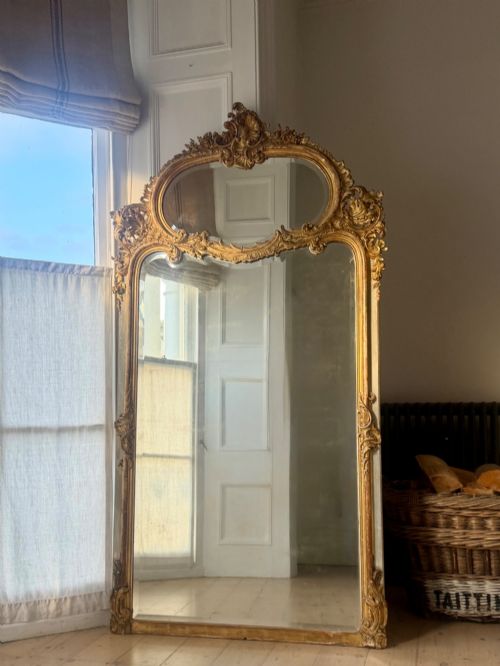
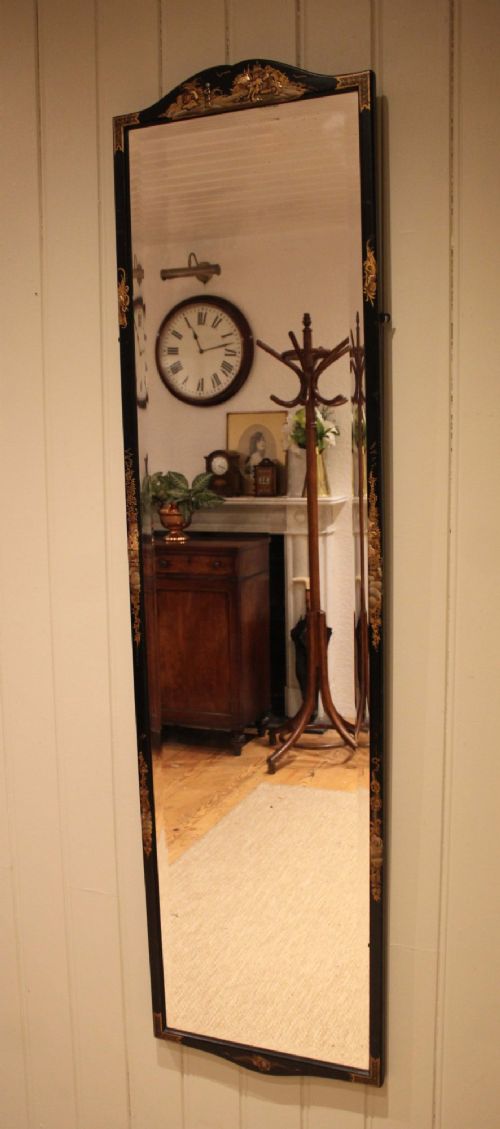
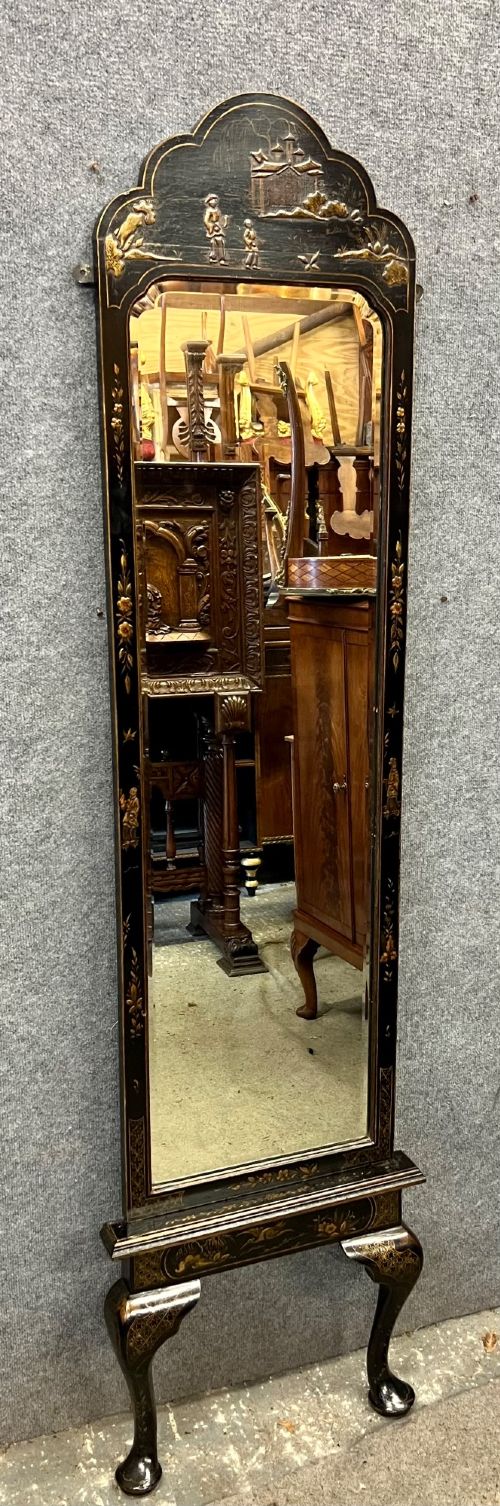
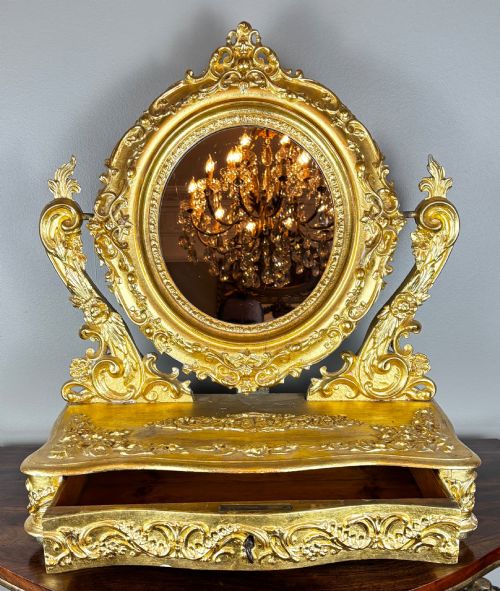
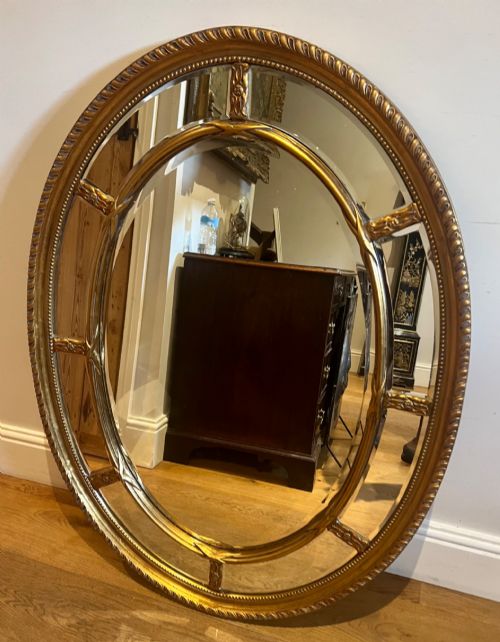
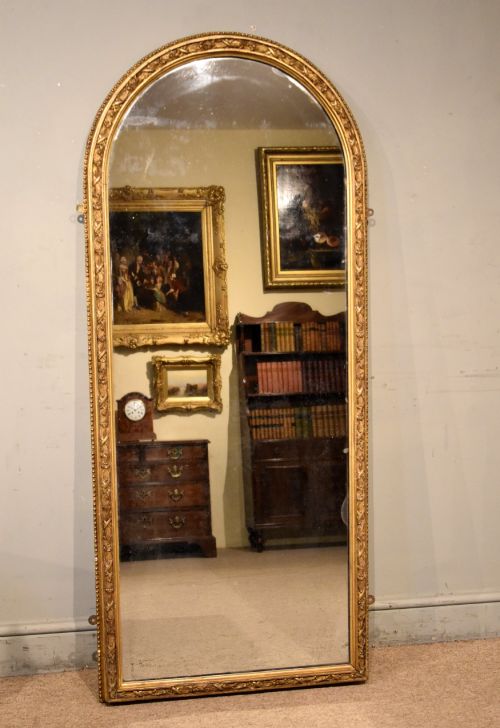
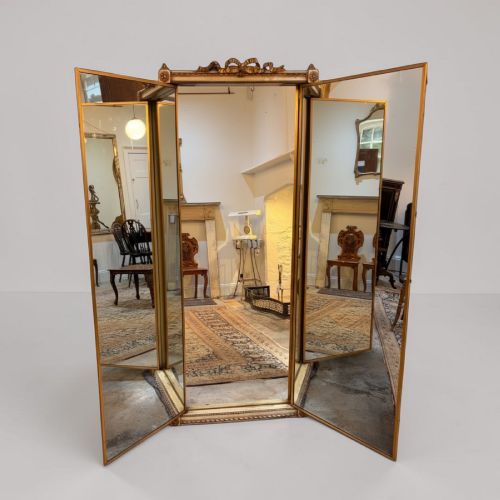
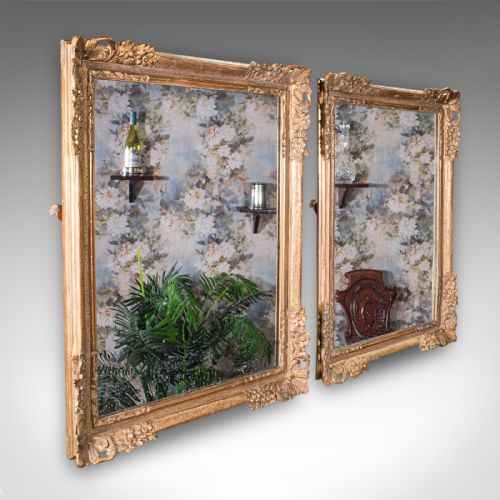
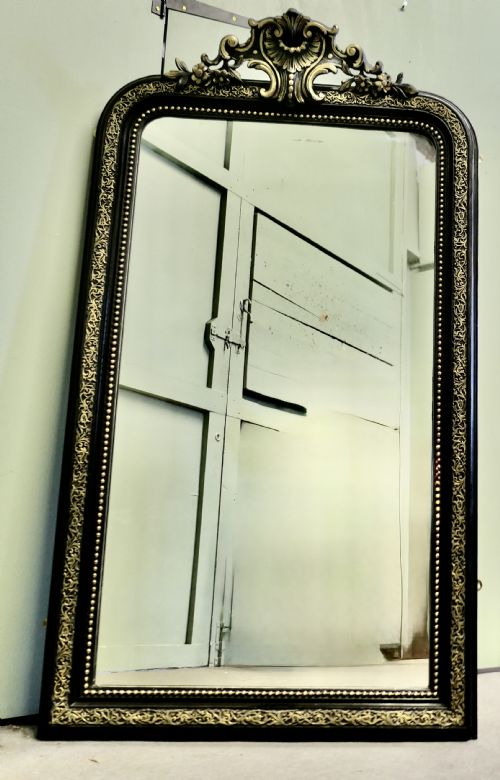
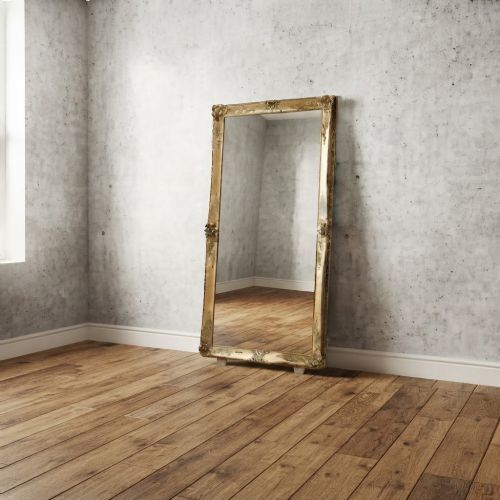
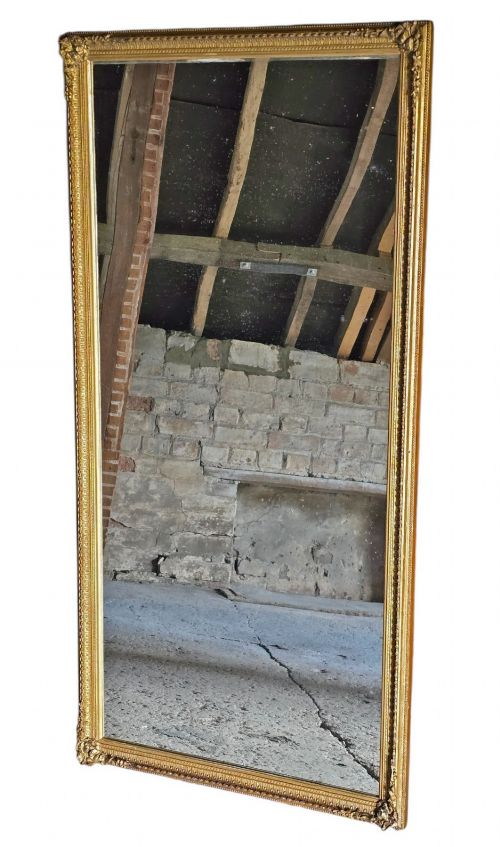
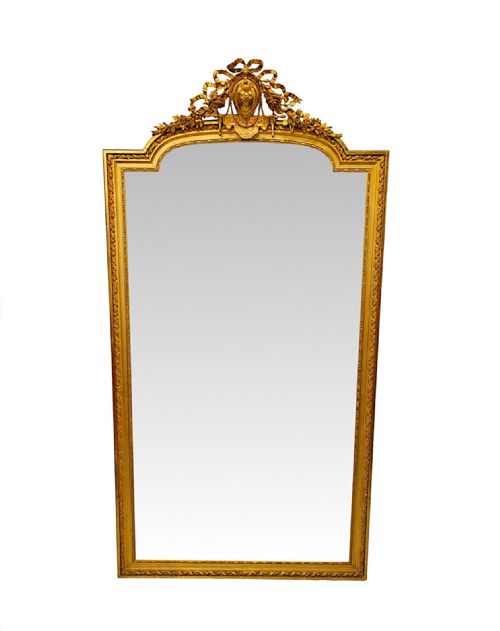
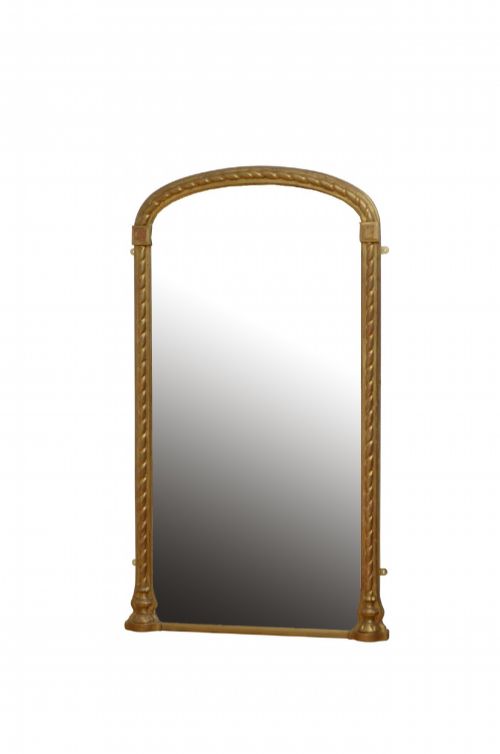
When you search for an antique gilded dress mirror, you are looking at tall floor-standing cheval frames, wall-mounted leaner glasses and smaller dressing table toilet mirrors. These pieces span the eighteenth, nineteenth and early twentieth centuries, reflecting changing domestic interiors and personal grooming habits.
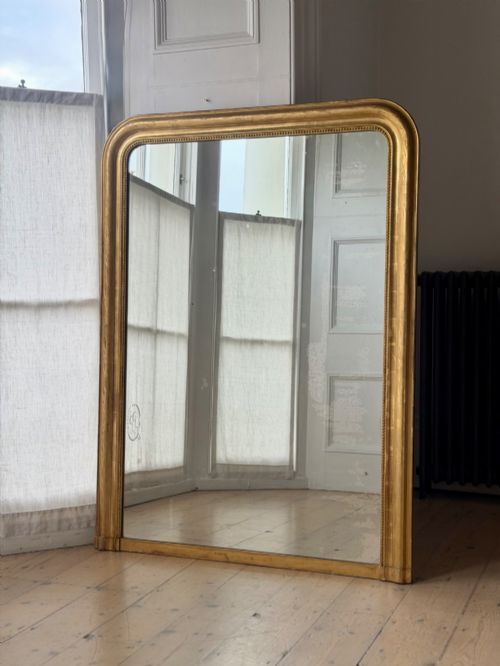
The most common examples you will encounter on this page date from the nineteenth century, particularly originating from France and England. These range from large Louis Philippe wall mirrors to tall giltwood dressing and leaner mirrors designed to capture full-length reflections.
Materials and construction methods
Craftsmen built these frames using woods such as mahogany, walnut and general timber carcase foundations, which were then layered with gesso to receive intricate surface ornamentation. Gilding was applied using gold leaf or fine metallic leaf to achieve a luminous, reflective finish.
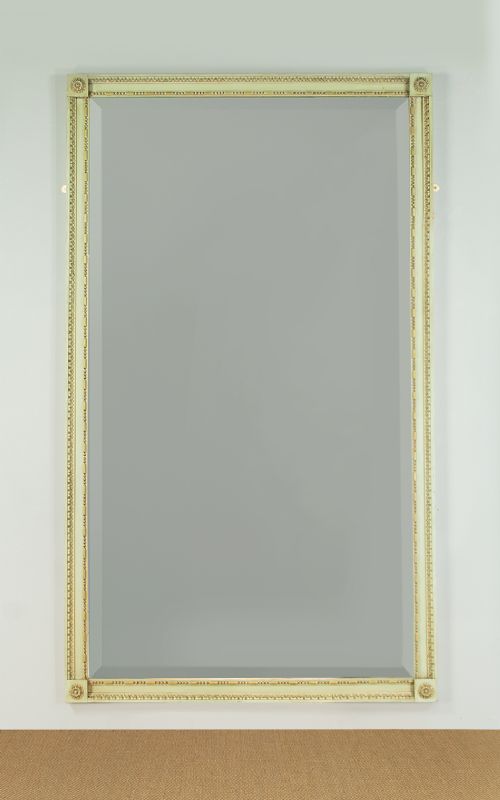
Glass plates varied by era, with earlier examples utilising mercury glass and later pieces featuring bevelled edges. Frames often incorporated carved details, rope mouldings, and applied porcelain or lacquered panels in styles from Rococo Revival and Neoclassical to Chinoiserie.
Antique Gilded Dress Mirror Retail Price Guide 2026
Typical asking prices for gilded dress mirror among the pieces listed under this phrase on Sellingantiques today, from the lower quarter to the upper quarter. They describe what is for sale here now, not the wider market.
The listings here include pieces spanning the Georgian, Regency, Victorian, Edwardian and Art Deco periods, utilising materials from mercury glass to ebonised lacquer.
Assessing quality in period mirrors
The standard of carving and the depth of the gesso relief largely determine the standing of an antique gilded dress mirror. Hand-carved wooden elements show crispness and precision, whereas massed composition ornament can appear softer and more uniform.
Originality of the glass plate and the backing boards contributes significantly to the integrity of the piece. Period mercury glass or early bevelled mirror plates that retain their original silvering and backing indicate a well-preserved survival.
The Antique Gilded Dress Mirror Glossary
- Gesso
- A plaster-like mixture applied to wood frames to create a smooth surface for gilding. It is carved or moulded into decorative motifs before the gold leaf is laid down.
- Cheval mirror
- A freestanding full-length mirror hung on a central vertical pivot between upright posts. This allows the glass plate to tilt freely to various angles.
- Mercury glass
- A double-walled glass blown with a silvering mixture inserted between the layers, commonly found in nineteenth-century French mirrors. It creates a characteristic mottled, deep reflection.
- Margin mirror
- A mirror plate surrounded by smaller separate panels of bevelled glass held by decorative rosettes or strips. This style creates a faceted border around the central reflection.
- Leaner mirror
- A large floor-standing mirror designed to rest securely against a wall rather than hang from brackets. These tall pieces maximise reflected light in principal reception rooms.
Antique Gilded Dress Mirror: Frequently Asked Questions
How do I choose the right size dress mirror?
Consider the proportions of your room and whether you need a full-length reflection or a tabletop piece for a dressing surface. Tall leaner mirrors require adequate floor space and a secure wall anchor.
Smaller cheval mirrors or toilet mirrors suit bedrooms and smaller dressing areas, providing adjustable angles for personal use without dominating the floor plan.
How do I tell an original Victorian mirror from a reproduction?
Examine the construction of the frame joints, the backing boards, and the fixings holding the glass in place. Older pieces often show hand-cut screws, oxidation on the mirror plate, and shrinkage cracks in the gesso.
Reproduction frames frequently use modern synthetic resins for mouldings and lack the subtle wear patterns and patination accumulated over a century or more of use.
How should I clean an antique mirror glass?
Use a soft, dry microfibre cloth to gently remove dust from the surface of the glass and the gilded frame. Avoid spraying liquids directly onto the mirror plate or the carved gesso.
If moisture is necessary, apply a small amount of mild soapy water to the cloth rather than the glass, ensuring no liquid seeps behind the edges where it can damage the original silvering.