




Antique German Ceramic Sculptures
These antique german ceramic sculptures bring domestic animals, allegorical groups, and human figures to life in porcelain and bisque.
Antique German Ceramic Sculptures
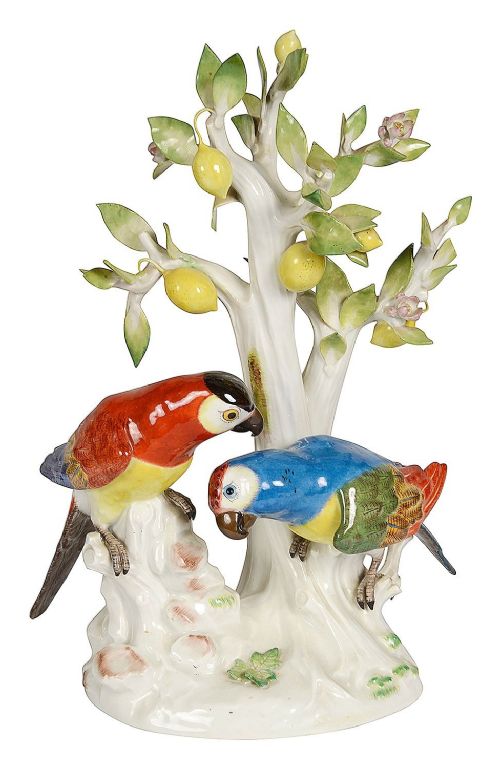
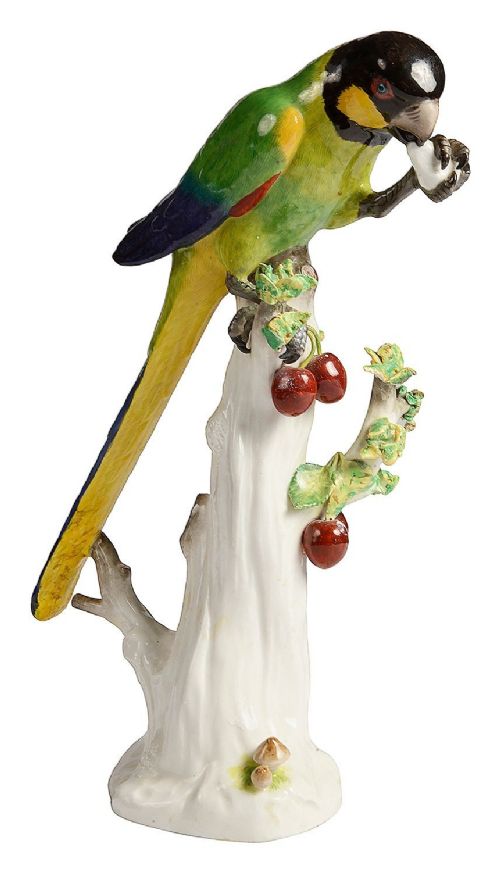
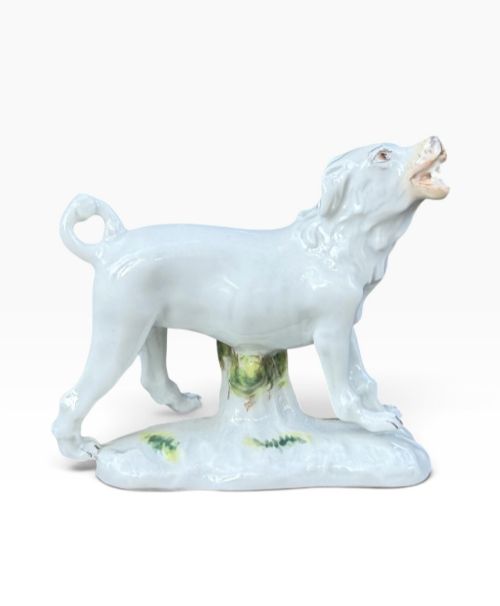
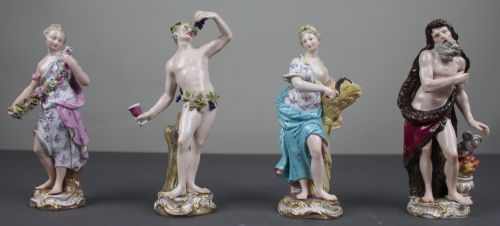
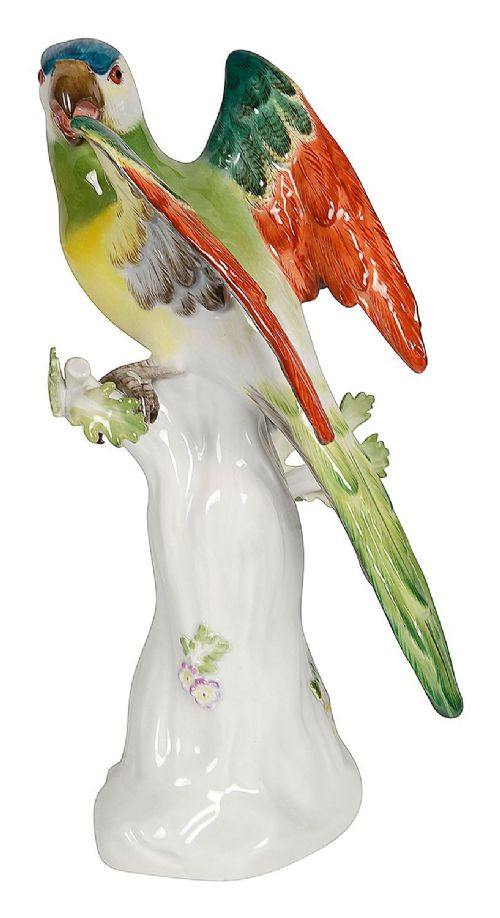
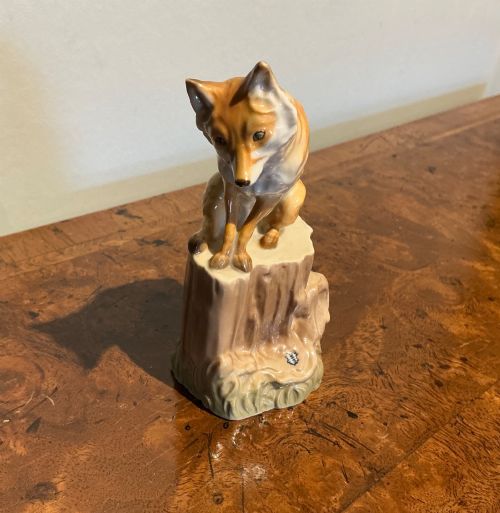
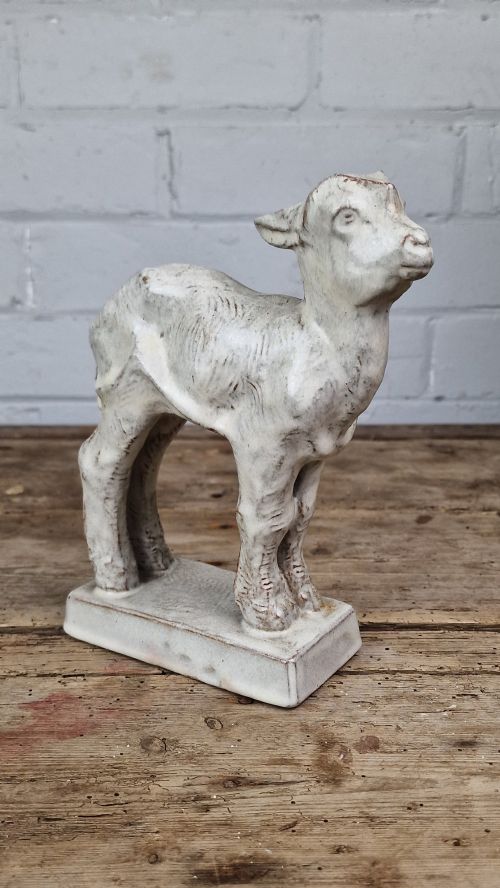
When someone searches for antique german ceramic sculptures, they find figures and groups spanning the eighteenth through the early twentieth centuries. The selection centres heavily on porcelain figures, ranging from eighteenth-century pastoral scenes to nineteenth-century birds and animals.
Makers such as Meissen dominate the forms alongside pieces from Volkstedt, Plaue, and Ludwigsburg. Collectors encounter individual figures like street traders alongside large pairs of parrots, elephants, and monkeys.
Stylistic influences shift from Rococo and Neoclassical designs to later Victorian, Art Deco, and German Decorative Porcelain movements. The forms span small tabletop ornaments up to substantial sculptural groups exceeding fifty centimetres.
How they were made
The physical pieces rely heavily on hard-paste porcelain and bisque porcelain, shaped into figures and detailed groups. Glaze and enamel provide surface colour, supplemented occasionally by gold leaf, gilt, and painted details.
Specialised techniques include lace figural modelling, where actual fabric dipped in slip burned away during firing, leaving delicate porcelain lace. Complex groups combine moulded elements with hand-modelled botanical details, tree trunks, and plumage.
Antique German Ceramic Sculptures Retail Price Guide 2026
Typical asking prices for german ceramic sculptures among the pieces listed under this phrase on Sellingantiques today, from the lower quarter to the upper quarter. They describe what is for sale here now, not the wider market.
Listings span the eighteenth, nineteenth, and twentieth centuries, utilising hard-paste porcelain, bisque, enamel, and gold leaf across multiple distinct European decorative styles.
What varies in quality
Quality rests in the crispness of the modelling and the precision of the hand-painted enamel work across feathers, garments, and facial expressions. Early eighteenth-century productions show different sculptural depth compared to nineteenth-century revival pieces or later Art Deco forms.
The complexity of the composition dictates distinction, separating simple single figurines from multi-figure pastoral or allegorical groups with intricate props. Superior examples maintain intact delicate appendages, applied foliage, and undamaged lace work.
Meissen·Paul Scheurich·George Kemper·C G Schierholz·Ernst Bohne Sohne·Volkstedt·Helena Wolfsohn·Triebner Ens And Co·Karl Tutter·Ludwigsburg
The Antique German Ceramic Sculptures Glossary
- Hard-paste porcelain
- A dense, durable ceramic body composed of kaolin and petuntse, fired at high temperatures. It forms the structural base for the majority of these figures.
- Bisque porcelain
- Unglazed porcelain with a matte, fine-grained texture resembling marble. It appears frequently on nineteenth-century figures and portrait groups.
- Blanc de Chine
- A pure white glaze applied to porcelain bodies. It highlights sculptural contours without relying on polychrome enamel colours.
- Gilt
- A thin layer of gold applied to surface details such as clothing edges, bases, or decorative trim. It enhances the decorative presence of the piece.
Antique German Ceramic Sculptures: Frequently Asked Questions
How do I identify early Meissen figures?
Early Meissen figures typically reflect eighteenth-century styles such as Rococo or Neoclassical pastoral themes. They feature hand-modelled details and painted enamel surfaces characteristic of early European hard-paste porcelain production.
Examination of the modelling style and subject matter, such as street traders or allegorical groups, helps separate eighteenth-century works from later nineteenth-century revival pieces.
What are porcelain lace figures?
Porcelain lace figures incorporate actual fabric dipped into liquid porcelain slip before firing. The intense kiln heat burns away the textile, leaving a delicate ceramic replica of lace trim on clothing.
This technique requires immense skill and appears on nineteenth-century German salon figures and group scenes.
Where were these sculptures displayed?
Historically, these ceramic sculptures served as ornamental centrepieces for dining tables or decorative objects displayed within nineteenth-century drawing rooms and cabinets. Large animal figures and pastoral groups functioned as status symbols in wealthy European homes.
Today, collectors place them on mantelpieces, inside glass display cabinets, or on dedicated console tables.
How should I clean antique porcelain?
Cleaning antique porcelain requires gentle dusting with a soft, dry brush to remove surface particles without stressing delicate areas like applied flowers or lace. Moisture should be avoided if the piece has exposed enamel or gilt that might lift.
Harsh cleaning agents or immersion in water risk damaging unglazed bisque surfaces and fragile painted details.