






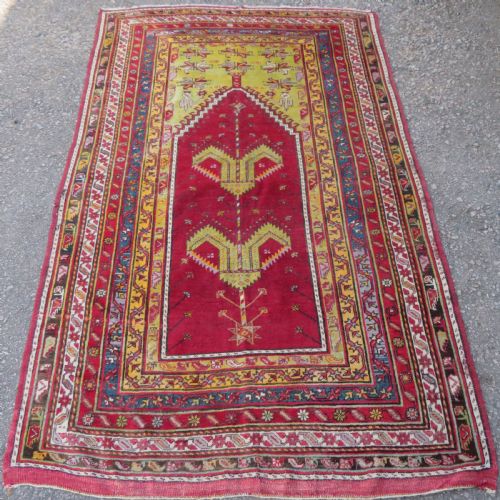
Antique Geometric Carpet Runner
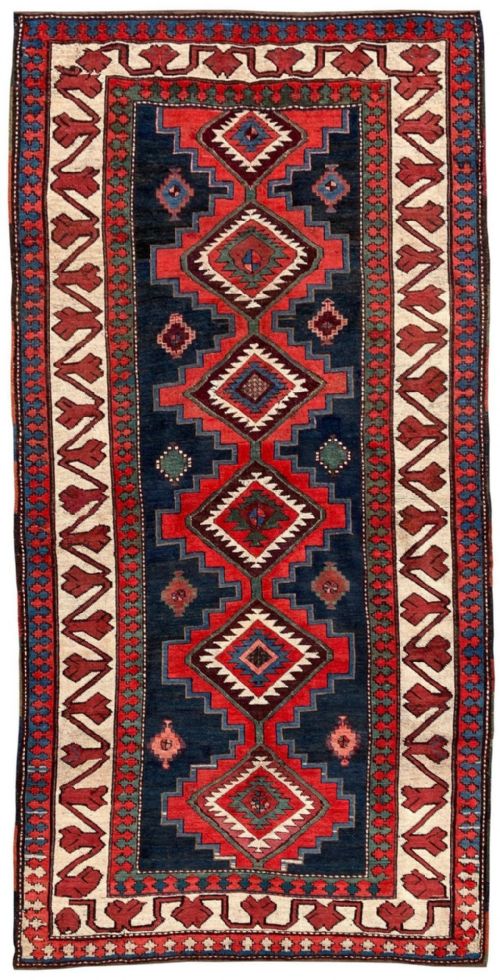
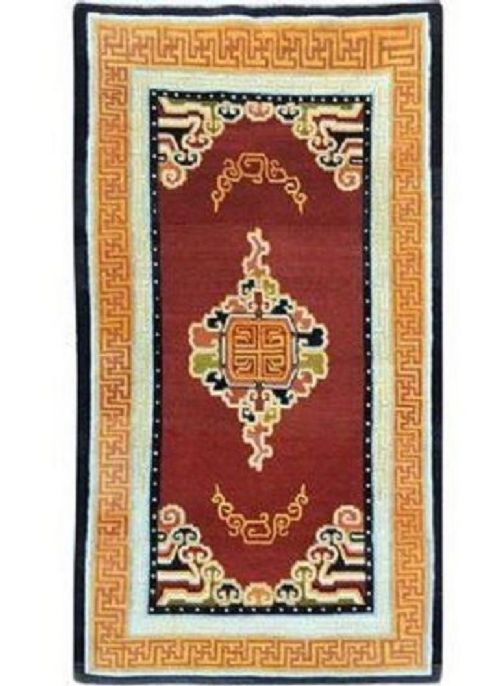
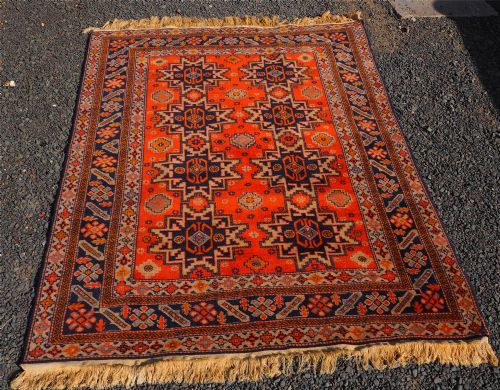
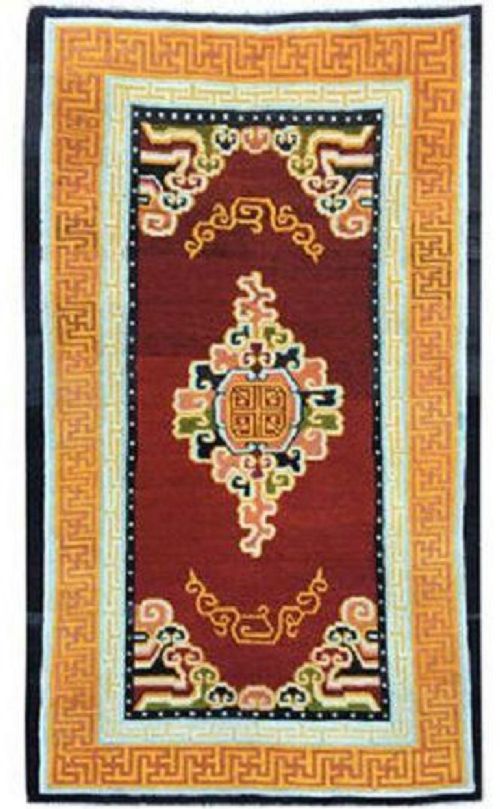
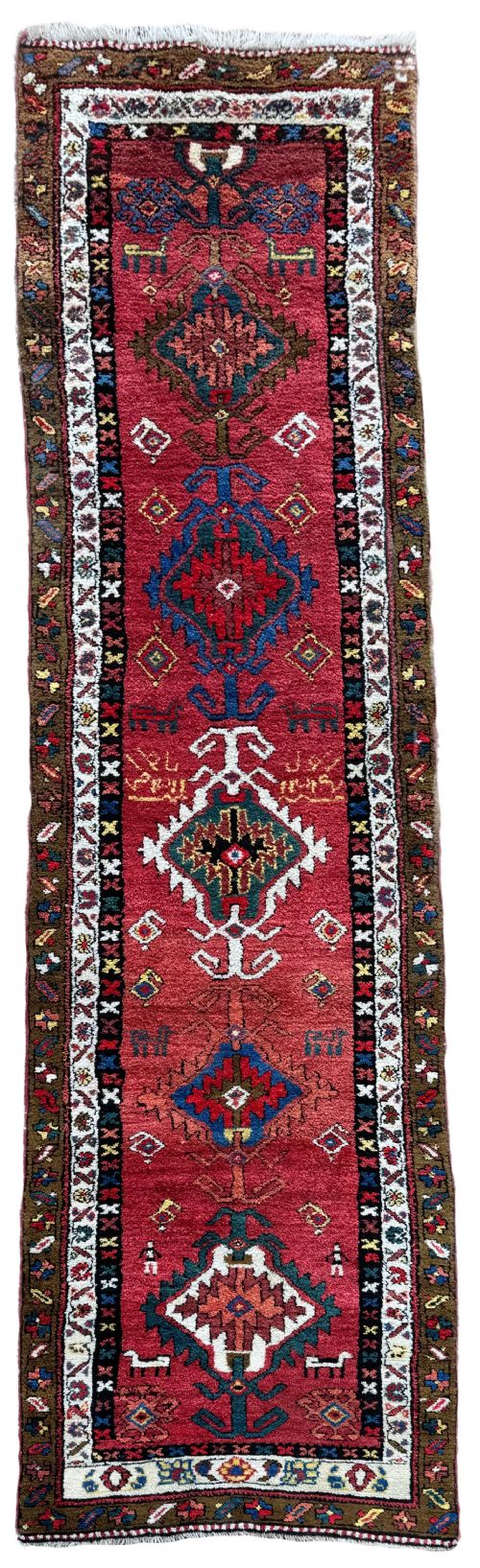
When you search for an antique geometric carpet runner, you are looking at narrow, long-format floor coverings driven by repeating medallions, lattice networks, and angular tribal motifs.
Antique Geometric Carpet Runner
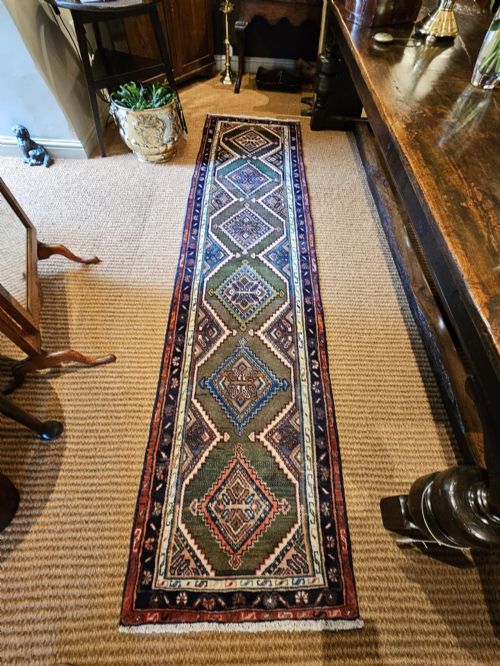
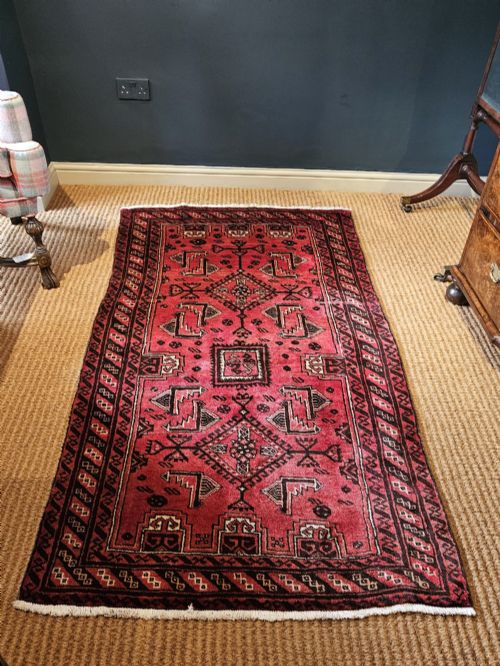
An antique geometric carpet runner typically spans the nineteenth and early twentieth centuries, drawing on traditions from Persia, the Caucasus, Anatolia, and Central Asia. These narrow textiles serve long hallways, corridors, and passage spaces where linear designs guide the eye along the floor. You will frequently encounter regional weaves attributed to Kurdish, Baluch, Kazak, and Hamadan makers, alongside specific formats like the Talish or Seychor runner.
The patterns rely on straight lines, hooked polygons, diamonds, and guls rather than floral curves, reflecting the nomadic and village origins of the weavers. Long formats often repeat medallion motifs down the central axis, framed by intricate borders of latch-hooks and rosettes. While many pieces survive as broad carpets or square rugs, the runner format demands a disciplined arrangement of motifs to fit the elongated proportions.
Materials and Construction
These textiles rely on hand-spun wool for the pile, often combined with cotton foundations for warp and weft threads, though camel hair also appears in specific tribal pieces. The tactile quality comes from the natural lanolin retained in hand-spun wool, which responds to traditional dyeing methods.
Makers utilised natural dyes to achieve rich colour palettes, ranging from deep indigo blues and madder reds to olive greens and mellow earth tones. The pile is hand-knotted onto the foundation threads, creating a dense, durable surface designed to withstand decades of heavy foot traffic in domestic hallways.
Listings feature pieces dated from the nineteenth century through the 1930s, incorporating wool, camel hair, and natural dyes across Persian, Caucasian, and Anatolian traditions.
Assessing Quality
Quality rests upon the precision of the knotting, the complexity of the geometric layout, and the depth achieved by natural dyestuffs. Finer pieces demonstrate tight, uniform knot counts that keep angular lines crisp and prevent the pattern from blurring over distance.
The integrity of the wool pile and the retention of original, uncompromised side cordings and end finishes also distinguish superior examples. Furthermore, harmony in the colour palette - where vegetable dyes age gracefully and interact without harsh contrasts - separates standard village work from master tribal weaving.
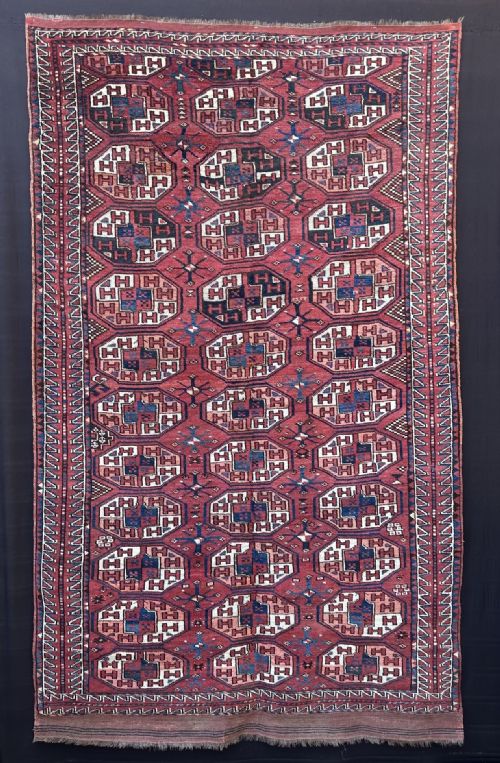
Kizyl Ayak Tribe
The Antique Geometric Carpet Runner Glossary
- Gul
- A repeating octagonal medallion motif frequently found in Turkmen and Baluch tribal weaving. This emblem acts as a central visual anchor within the field.
- Warp
- The vertical foundation threads stretched tightly on the loom before knotting begins. All subsequent pile knots are tied around these stationary parallel lines.
- Weft
- The horizontal threads passed back and forth across the warp strings to secure the rows of knots. They bind the structure together after each completed row.
- Natural Dyes
- Colourants extracted from plants, insects, and minerals rather than synthetic chemical compounds. They yield complex hues that develop a soft patina over time.
Antique Geometric Carpet Runner: Frequently Asked Questions
How are antique geometric carpet runners structured?
These runners are built on a rectangular grid where weavers repeat medallions, hooked polygons, and lattice frameworks along a narrow central axis. The field is typically enclosed by multiple guard borders that frame the linear composition.
Nomadic and village makers constructed these pieces on vertical looms, translating tribal symbols into structured, repeating geometry suited to long hallway spaces.
What materials were used in these runners?
The pile consists predominantly of hand-spun wool, sometimes supplemented by camel hair for natural brown and golden tones. Foundations typically utilise wool or cotton for the warp and weft threads.
Natural dyes derived from local plants and minerals provide the palette, creating stable colours that mellow gracefully across decades of exposure.
How do I distinguish regional Kazak runners?
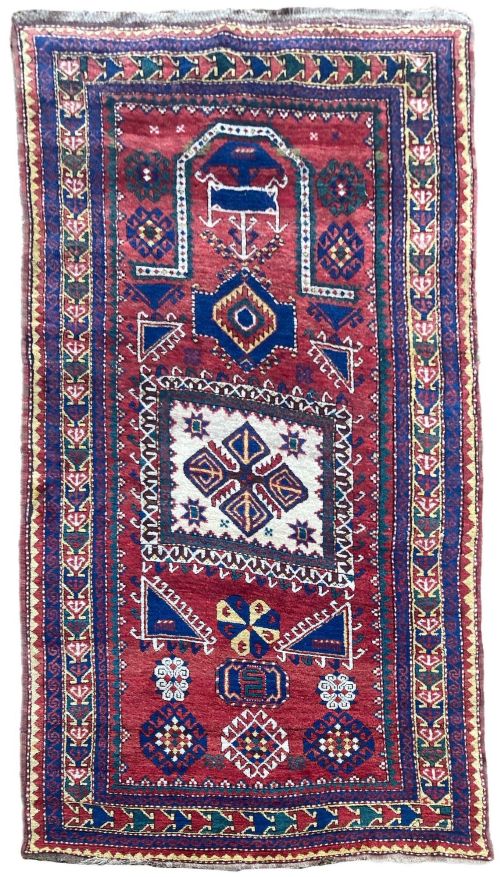
Kazak pieces from the Caucasus are known for bright, saturated primary colours, bold geometric medallions, and stark, uncluttered fields. They often feature stepped polygons and white-ground borders.
By contrast, Persian village runners like Hamadan or Heriz incorporate denser overall patterns, finer borders, and more muted earth tones or deep indigo backgrounds.
Where should I place a runner?
Runners are traditionally designed for narrow spaces such as hallways, corridors, and staircases where foot traffic is concentrated. Their elongated proportions also suit gallery spaces and narrow entryways.
Placing them over a breathable rug underlay helps protect the historical cotton and wool foundation from friction against hard flooring.