



Antique Gentleman Drawing
An antique gentleman drawing brings a distinct human presence into a room, capturing character through graphite, charcoal, or pastel on paper.
Antique Gentleman Drawing
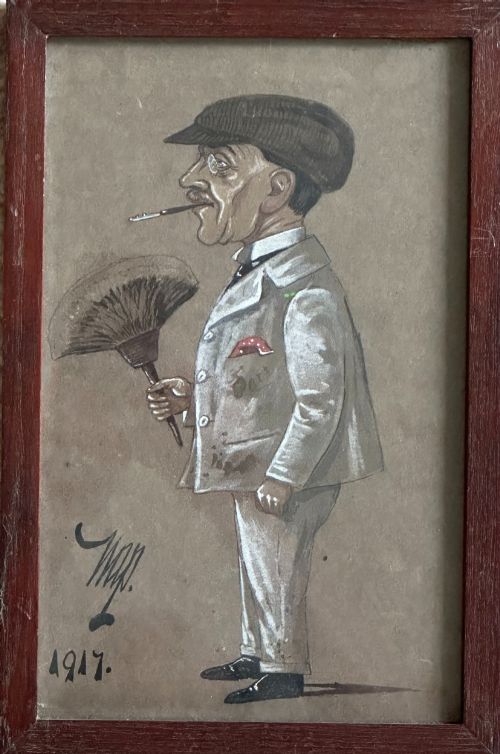
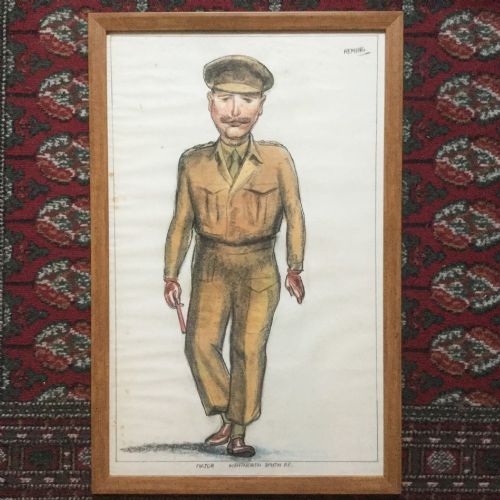
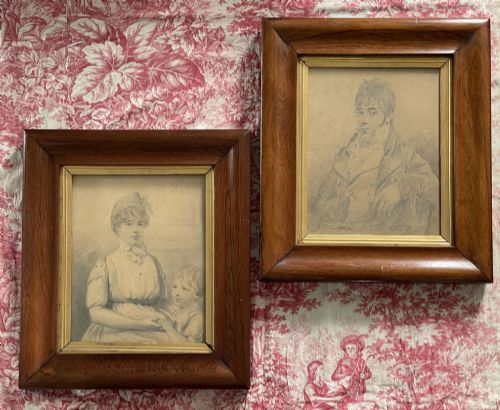
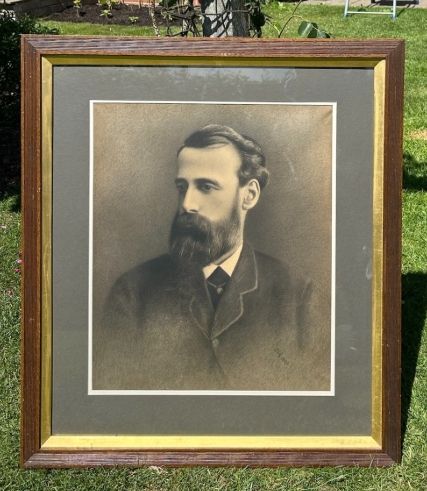
When you search for an antique gentleman drawing, you encounter portrait works executed in media such as graphite, charcoal, pastel, and plumbago. These pieces capture male subjects from the eighteenth, nineteenth, and early twentieth centuries, rendered by various regional and named artists.
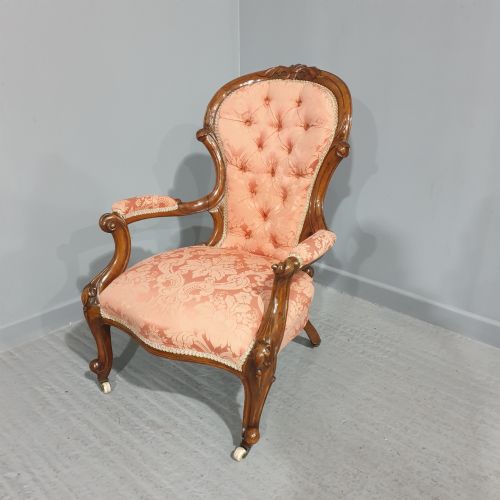
The selections on this page also span physical drawing room furnishings and related portraiture, reflecting the historical domestic spaces where such art was displayed. You will find framed portrait drawings alongside armchairs, salon suites, and folio cabinets associated with gentleman's drawing rooms.
Dating ranges from the Georgian era through the Victorian period and into the early twentieth century. These works capture changing social dress and artistic techniques, moving from formal plumbago studies to expressive charcoal sketches.
Materials and technique
Artists relied on paper supports paired with dry or water-soluble media like graphite, charcoal, pastel, gouache, and ink. These substances allowed for fine line work as well as soft tonal blending.
Framing utilised traditional woods and finishes, including walnut, mahogany, birds-eye maple, and gilt gesso. Protective glass preserved the delicate paper surfaces from atmospheric moisture and handling.
Materials span paper, glass, wood, graphite, brass, charcoal, walnut, and mahogany across various periods.
Separating top tier pieces from ordinary examples
Quality rests in the precision of the draughtsmanship and the psychological depth of the portrait. A skilled hand captures bone structure and expression with minimal, confident strokes rather than heavy, hesitant shading.
Condition of the paper and the preservation of original framing materials dictate value. Unfaded pigments and minimal foxing separate museum-grade paper works from compromised examples.
John Taylor·Nathaniel Bermingham·Arthur Pond·J Bizo·Henri Josephe Hesse·Josiah Gilbert·John Seymour Lucas·Ernest Borough Johnson·George Richmond·Sir Nathaniel Dance-Holland·Arthur Ludwig Ratzka·Ernest Henry Griset
The Antique Gentleman Drawing Glossary
- Plumbago
- A drawing executed in lead ore, precursor to the modern graphite pencil. It typically results in highly detailed, monochromatic miniature portraits popular during the eighteenth century.
- Pastel
- A medium consisting of powdered pigment and a binder rolled into sticks. It offers vibrant, matte colour that requires glass protection to prevent smudging.
- Gouache
- An opaque water-based paint that includes a white pigment filler. Artists use it alongside pastel or watercolour to add solid highlights to portraits.
- Gilt gesso
- A plaster-based material applied to wood frames and carved before being gilded with gold leaf. It provides ornate decorative borders for period artwork.
- Folio cabinet
- A specialised piece of furniture designed to store large flat sheets of paper, prints, and drawings. Walnut and mahogany were common timbers for these domestic storage pieces.
Antique Gentleman Drawing: Frequently Asked Questions
What is an antique gentleman drawing?
An antique gentleman drawing is a historical portrait artwork depicting a male subject, typically created using media such as graphite, charcoal, pastel, or ink on paper.
These pieces range from intimate preparatory sketches to finished exhibition portraits created across the eighteenth, nineteenth, and early twentieth centuries.
How were these drawings displayed?
Period drawings were typically mounted behind glass within wooden or gilt frames to protect the fragile paper substrate from environmental damage.
They hung in private studies, libraries, and drawing rooms alongside seating furniture and folio cabinets designed for paper storage.
How do I care for antique paper art?
Protect works on paper from direct sunlight and high humidity to prevent fading, yellowing, and the development of mould or foxing spots.
Ensure framing remains sealed against dust while avoiding placement near heat sources that dry out historical paper fibres.
How can I tell the period of a drawing?
Dating relies on stylistic indicators within the subject's attire, hairstyle, and facial hair, alongside the specific drawing medium and framing technique used.
Georgian works often feature powdered wigs and fine plumbago lines, while Victorian examples display distinct button-back seating and heavier charcoal shading.