


Antique Games Compendium Set
An antique games compendium set brings together multiple pastimes in a single fitted box, offering a tactile slice of nineteenth and early twentieth century leisure.
Antique Games Compendium Set
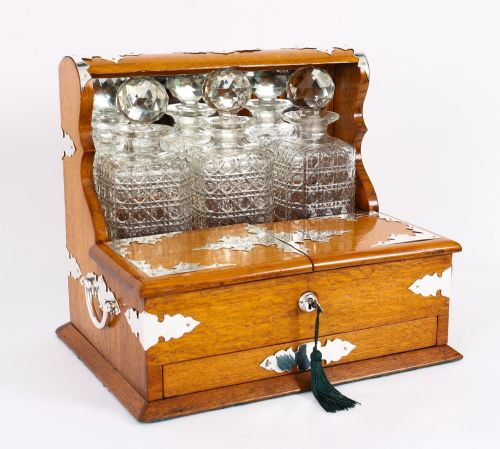
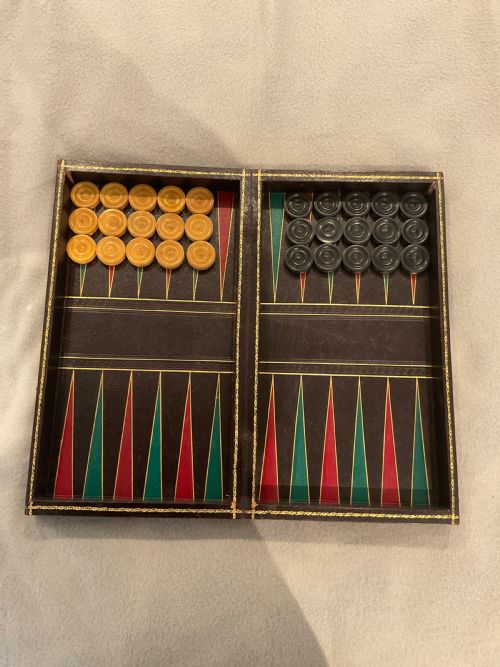
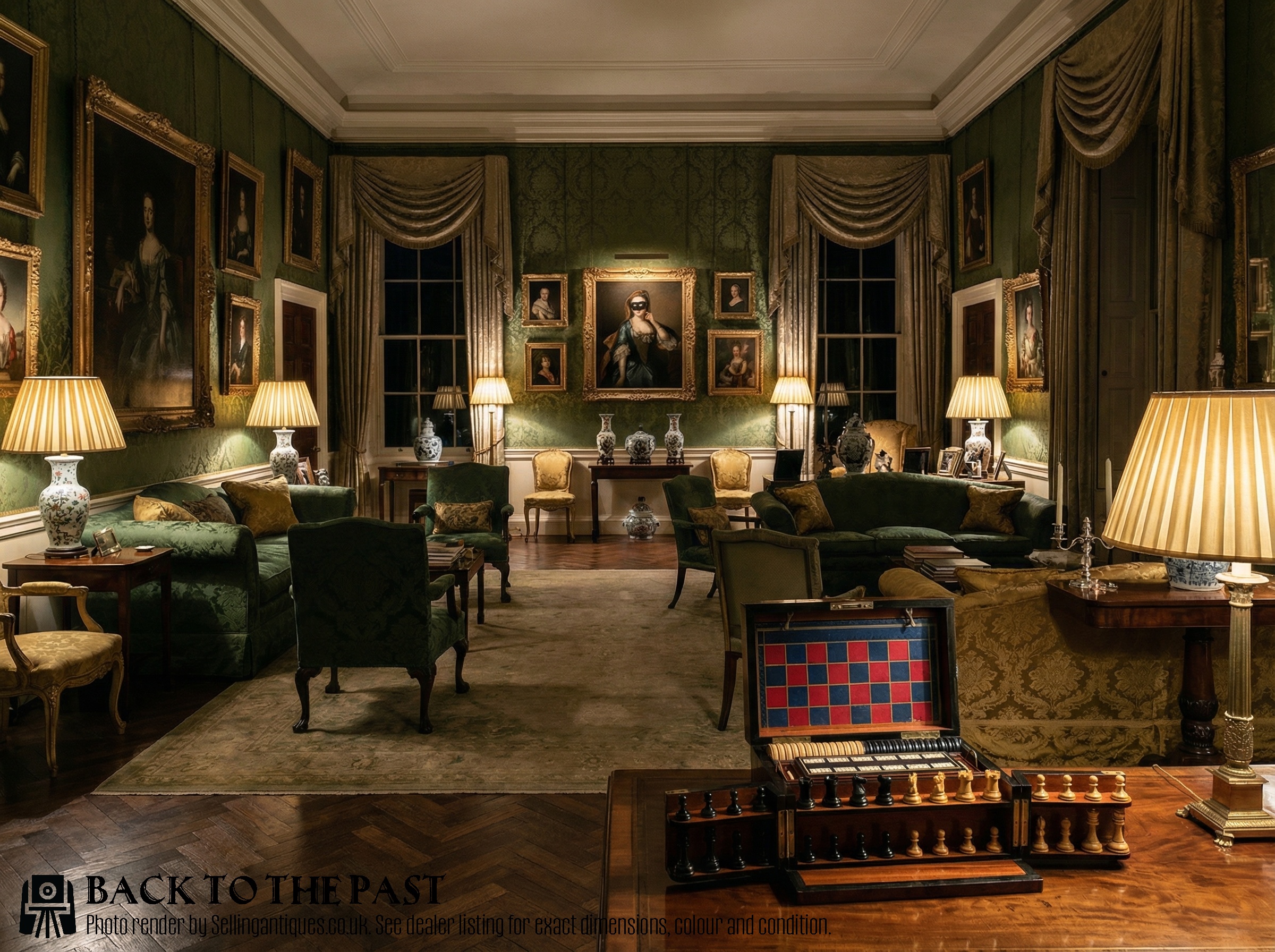
An antique games compendium set gathers boards, pieces, cards, and counters into one dedicated container, designed for domestic entertainment during the Victorian and Edwardian eras. These boxes frequently combine chess, backgammon, dominoes, and card games within clever internal partitions, often accompanied by folding boards or leather-bound folios.
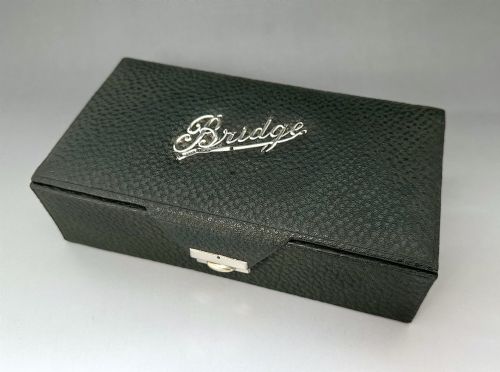
The objects span simpler travelling sets in leather cases to large, elaborate cabinets featuring brass mounts and inlaid woodwork. Each piece reflects the structured social habits of households that valued both intellectual pastimes and orderly storage.
Materials and methods of construction
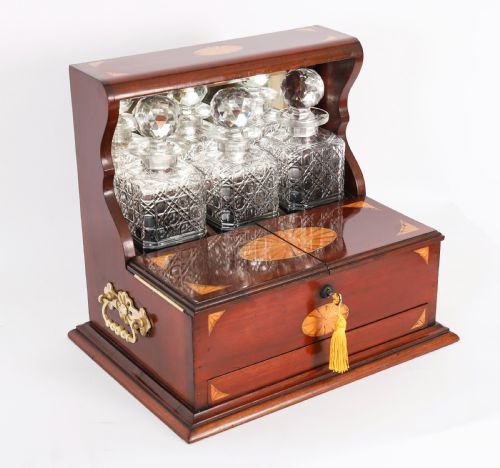
Cabinet makers constructed the outer boxes using sturdy timbers like oak, walnut, and mahogany, frequently applying decorative veneers, brass banding, or satinwood inlay to elevate the exterior appearance. Internal compartments required precise carpentry to house varying components securely, from tiny bone chess pieces to heavy cut glass decanters.
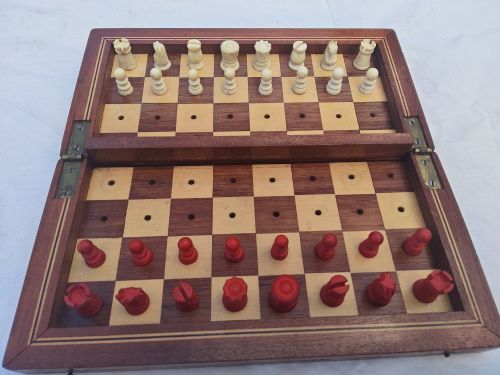
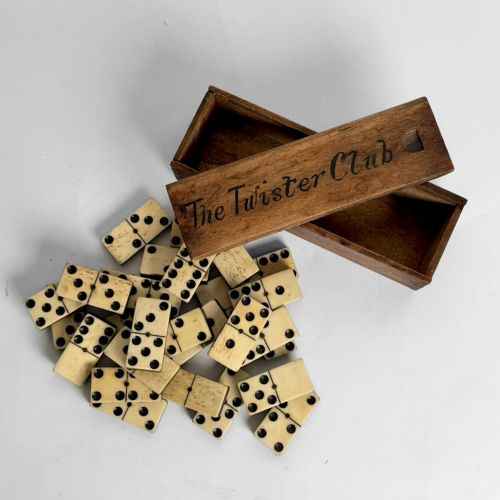
Game pieces and boards utilised contrasting natural materials, pairing boxwood and ebony for chess sets, or carving bone and mother of pearl for dominoes and gaming counters. Leather binding, silver plating, and enamel detailing further distinguished finer travelling and stationary editions.
The available selection spans Victorian, Edwardian, and Art Deco periods, encompassing both table cabinets and portable leather cases.
What separates the finest examples
Quality rests in the integrity of the fitted interior and the precision of the joinery, where specialised compartments hold every piece without looseness or crowding. Superior boxes use dense, figured hardwoods and substantial brass hardware that withstands generations of opening and closing.
The execution of the contents dictates the standing of a compendium, distinguishing mass-produced pastimes from finely carved bone chess sets, heavy cut crystal decanters, and hand-tooled leather boards. Completeness of the original gaming pieces and retention of functioning locks further elevate an example.
F. H. Ayres·George Betjemann
The Antique Games Compendium Set Glossary
- Compendium
- A collection of different games housed together in a single fitted box or cabinet. These sets typically include boards, dice, counters, and playing pieces for multiple pastimes.
- Tantalus
- A locking wooden frame holding decanters that prevents access to the contents without a key. They appear frequently in larger nineteenth century combination drink and game cabinets.
- Staunton
- A standardised pattern of chess pieces introduced in the mid nineteenth century featuring realistic, highly recognisable forms. It remains the definitive style for tournament and fine antique sets.
- Coromandel
- A dense, heavily figured exotic timber from Asia with dark brown and black graining. Makers utilised it for high-end Victorian luxury boxes and games compendiums.
- Shagreen
- Undyed shark or ray skin with a distinctive rough, granular texture used to cover luxury gaming boxes and poker chip containers. It adds an tactile, decorative finish to twentieth century pieces.
Antique Games Compendium Set: Frequently Asked Questions
What is inside an antique games compendium set?
These sets typically contain a mix of folding boards, chess pieces, backgammon markers, dominoes, and card counters arranged in tiered wooden trays. Some larger examples incorporate silver mounted bridges, barware, or crystal decanters.
Everything fits into designated slots within the main box to keep the components organised and safe during transport or storage.
How do I date a games compendium?
Dating relies on the primary timber, hardware style, and construction methods used in the box. Victorian examples often feature heavy walnut or coromandel with brass banding, whilst Edwardian editions lean towards lighter oaks and simpler fitted interiors.
Makers' marks, patent stamps, or distinctive styles like weighted Staunton chess pieces also help narrow down the period of manufacture.
Were these sets meant for travel?
Some compendiums were specifically designed for travel, featuring compact dimensions, leather cases, and miniature pieces that lock securely into place. Others were substantial stationary cabinets intended to stay permanently on a drawing room table.
Travelling versions focus on lightweight utility and secure closures, whereas static parlour sets prioritise grand materials and expansive multi-game layouts.
How should I care for a wooden games box?
Keep wooden compendiums out of direct sunlight and away from rapid temperature changes to prevent the timber from warping and veneers from lifting. Occasional light dusting and gentle conditioning help preserve the finish of antique woods and leather.
Avoid using harsh chemical cleaners on brass mounts, glass decanters, or delicate bone game pieces to maintain their original surface patina.