

Antique Furniture Credenza
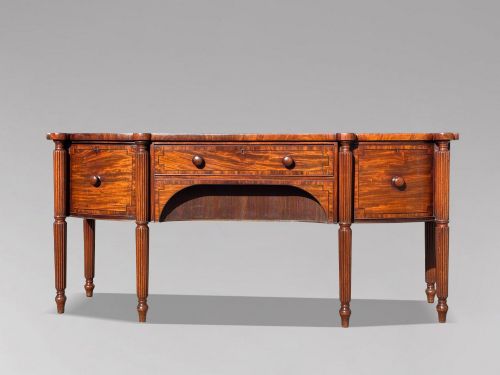
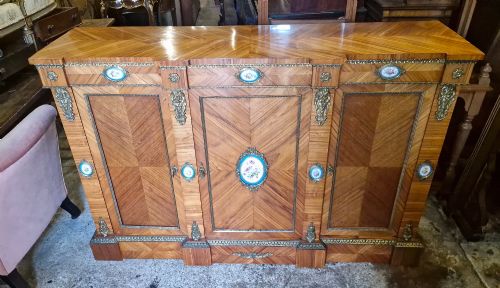
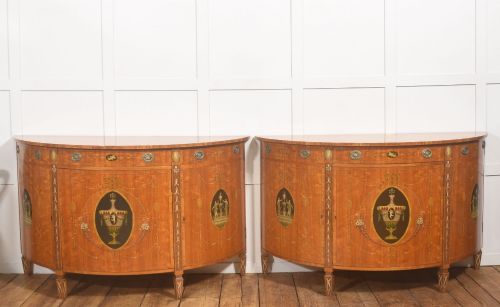
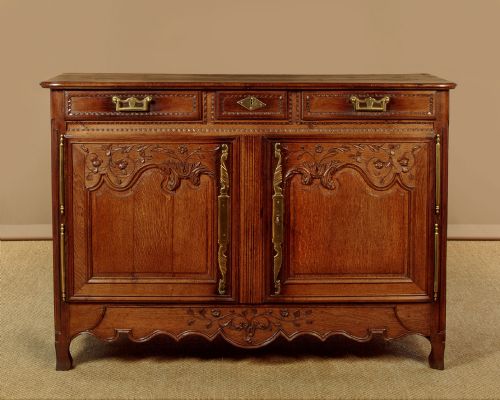
An antique furniture credenza or related sideboard offers grand proportions and rich timber to anchor a formal dining room or hallway.
Antique Furniture Credenza
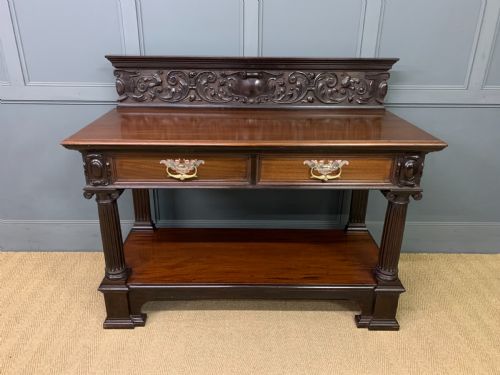
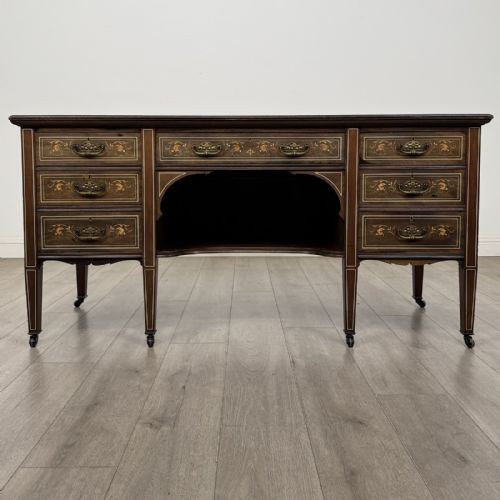
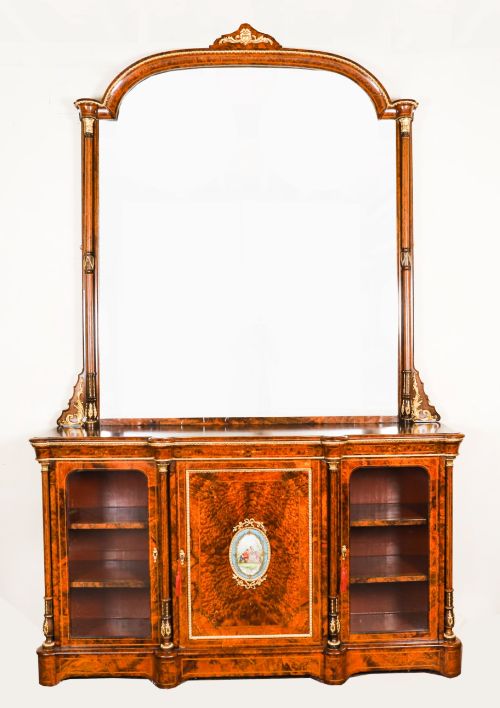
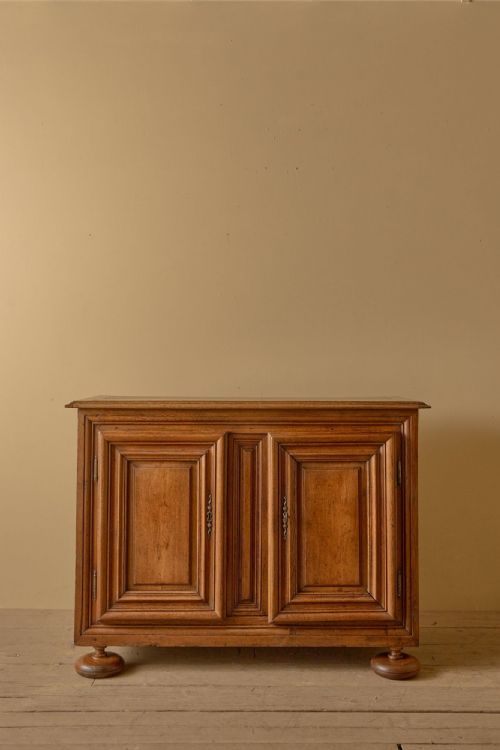
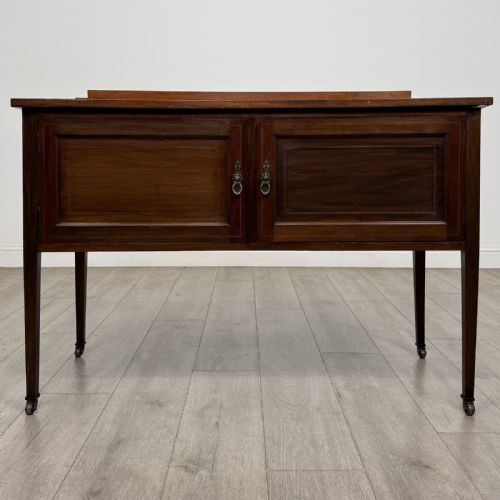
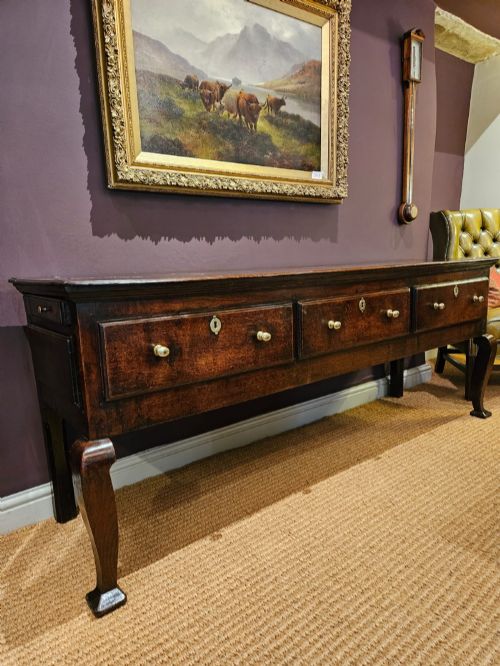
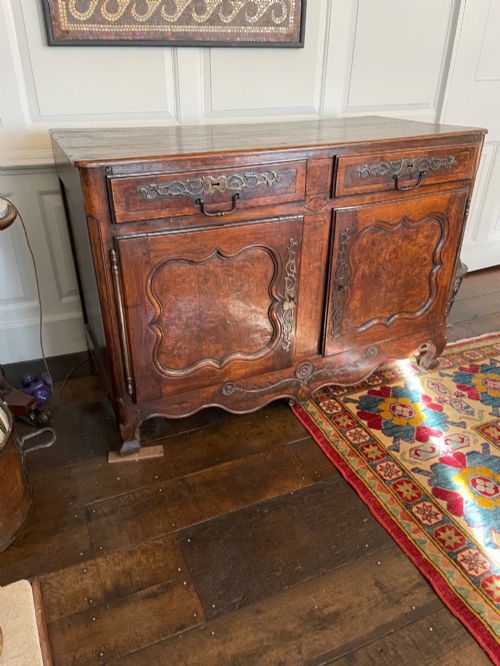
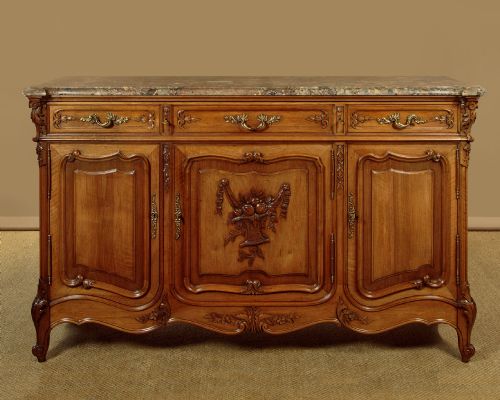
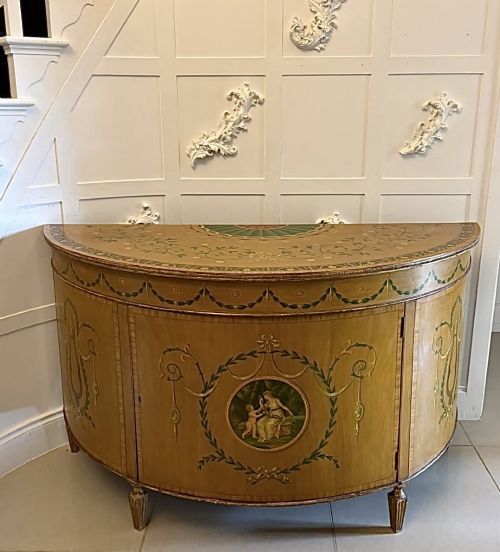
When you search for an antique furniture credenza, you encounter a diverse group of low storage pieces including sideboards, cabinets, chiffoniers, and dresser bases originating from the seventeenth century through to the 1930s. These pieces serve primarily for display and storage in domestic interiors, utilising horizontal surfaces and enclosed cupboards.
The versions met most frequently on this page span the Victorian and Edwardian eras, alongside Georgian and Regency examples. Alongside traditional sideboards, the selection encompasses specialised forms such as Dutch travelling cabinets, Swedish Grace sideboards, and gothic revival display units.
Makers and regional workshops from England, France, Scotland, Sweden, and Italy contributed to this variety, working in styles from Jacobean to Arts and Crafts and Biedermeier. Each variation reflects the specific storage needs and decorative tastes of its period, from the carved oak of earlier centuries to the figured mahoganies and rosewoods of the nineteenth.
Materials and construction methods
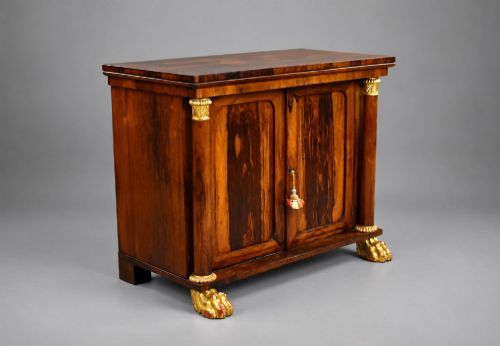
Cabinet makers built these pieces using dense hardwoods such as oak, mahogany, walnut, and rosewood, frequently applying burr, flame, or pollard veneers to create striking surface patterns. Secondary timbers provided structural stability to the carcase and drawer linings.
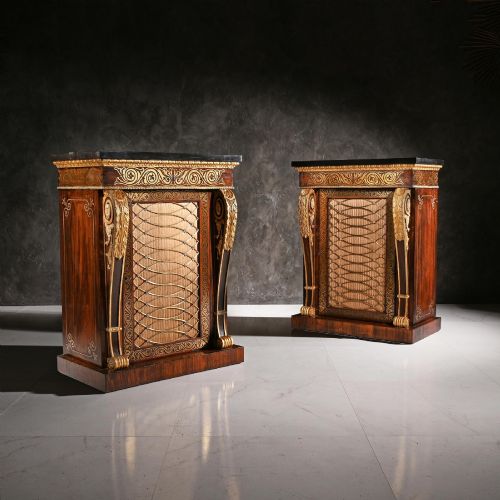
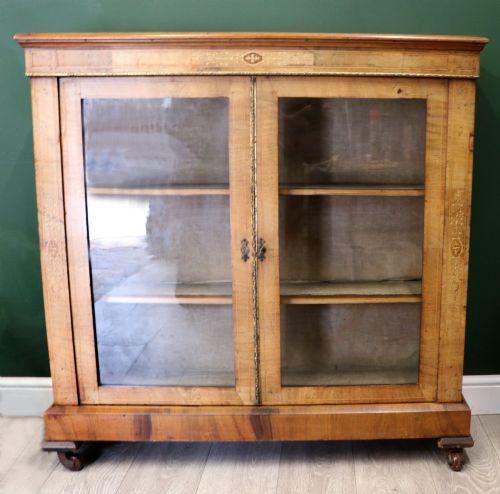
Decorative detailing relied on precision brass inlays, marquetry, and gilt-bronze or ormolu mounts, alongside hand-carved linenfold panels and geometric mouldings. Glass doors and mirrored backs appeared on later display cabinets to lighten the visual weight of the heavy timber construction.
Construction techniques evolved from joined solid oak frames in the seventeenth century to sophisticated veneered carcases with mahogany or deal framing during the Georgian and Victorian periods. Dovetail joints secured the drawers, while turned legs, cabriole legs, or plinth bases supported the substantial weight.
Antique Furniture Credenza Retail Price Guide 2026
Typical asking prices for furniture credenza among the pieces listed under this phrase on Sellingantiques today, from the lower quarter to the upper quarter. They describe what is for sale here now, not the wider market.
The inventory encompasses seventeenth-century oak dressers alongside Edwardian oak cupboards and 1930s Swedish Grace sideboards.
Factors of craftsmanship and distinction
The distinction between ordinary and exceptional pieces rests upon the selection of timber figures, such as matched flame mahogany or burr walnut veneers, and the crispness of hand-carved details. Superior examples exhibit continuous grain alignment across drawer fronts and doors, revealing deliberate planning by the maker.
Internal execution signals overall grade, seen in secondary woods used for drawer linings, hand-cut dovetails, and the retention of original brass hardware or locks. Pieces bearing signatures or stamps from recognised firms demonstrate a higher standard of workshop supervision and material selection.
The integration of decorative elements like fine marquetry, ormolu mounts, or intricate inlay work separates standard utility furniture from high-status artistic commissions. Proportions, structural integrity, and the preservation of original surfaces determine the enduring merit of each piece.
Leonard Wyburd for Liberty And Co·Hewetsons London·Shoolbred And Co·Whytock And Reid
The Antique Furniture Credenza Glossary
- Credenza
- A low cabinet or sideboard designed for dining rooms or reception areas, often featuring central cupboards flanked by doors or display shelves. This form evolved from Renaissance Italian serving tables into the enclosed display furniture of the nineteenth century.
- Breakfront
- A piece of furniture whose central section projects forward from the flanking outer sections. This architectural arrangement creates depth and shadow across the front elevation of large sideboards and bookcases.
- Chiffonier
- A compact sideboard or cabinet featuring a small enclosed cupboard beneath a tier of drawers or open shelves. Originating in the nineteenth century, it provided convenient storage in smaller drawing rooms.
- Marquetry
- The art of forming decorative patterns on a wooden carcase by applying thin veneers of various woods, tinted bone, or ivory. Master craftsmen cut these contrasting pieces to fit flush within geometric or pictorial designs.
- Ormolu
- Gilded bronze mounts and decorative hardware applied to furniture during the eighteenth and nineteenth centuries. The technique involves treating brass or bronze with a gold amalgam to produce a rich metallic lustre.
- Pollard Oak
- Timber taken from oak trees that have been pollarded, resulting in pollard growth rings that produce a dense, clustered grain pattern. Cabinet makers valued this burr-like figuring for high-status Victorian veneers.
Antique Furniture Credenza: Frequently Asked Questions
What is the difference between a sideboard and a credenza?
A sideboard traditionally serves a dining room function with surface space for serving food and drawers for cutlery. A credenza typically refers to a lower, enclosed cabinet style with origins in continental Europe, often featuring glazed doors or decorative mounts.
Over time, British furniture makers adopted the term credenza for high-status Victorian drawing room cabinets featuring elaborate inlay and glass display sections.
How do I identify a Victorian piece from a Georgian one?
Georgian pieces generally display cleaner classical proportions, solid mahogany or oak construction, and restrained brass handles without heavy carving. They date from the eighteenth and early nineteenth centuries.
Victorian items frequently exhibit darker ebonised finishes, heavier mirror backs, burr walnut veneers, and more exuberant carved ornamentation reflecting industrial manufacturing capabilities.
Where were these cabinets placed in a historic home?
Large sideboards stood in formal dining rooms against the main wall to hold silver, linen, and serving dishes during meals. Smaller chiffoniers and display cabinets occupied drawing rooms and reception halls for books and ornaments.
Specialist pieces like travelling cabinets or hall cupboards served specific utilitarian functions in bedrooms or entrance passages.
How should I care for antique timber surfaces?
Maintain antique wood by keeping it away from direct sunlight and sudden temperature shifts that cause timber to split. Apply a microcrystalline wax periodically to nourish the polish rather than liquid silicone sprays.
Dust regularly with a soft, dry cloth to prevent abrasive particles from scratching vulnerable veneer surfaces.