
Antique Furniture Canterbury
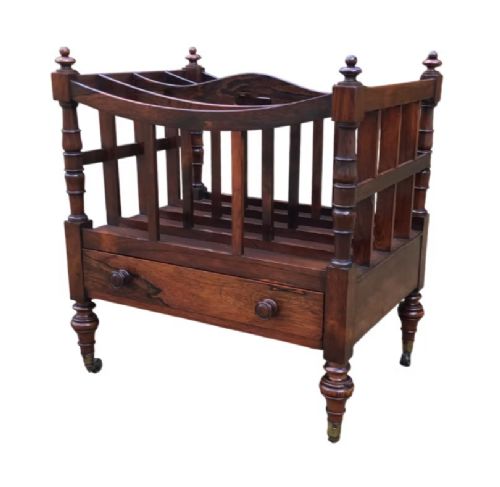
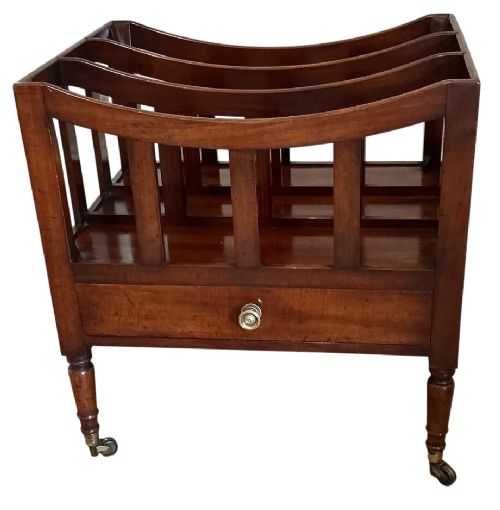
Antique furniture canterbury pieces are elegant partitioned stands designed for holding folios, sheet music and periodicals.
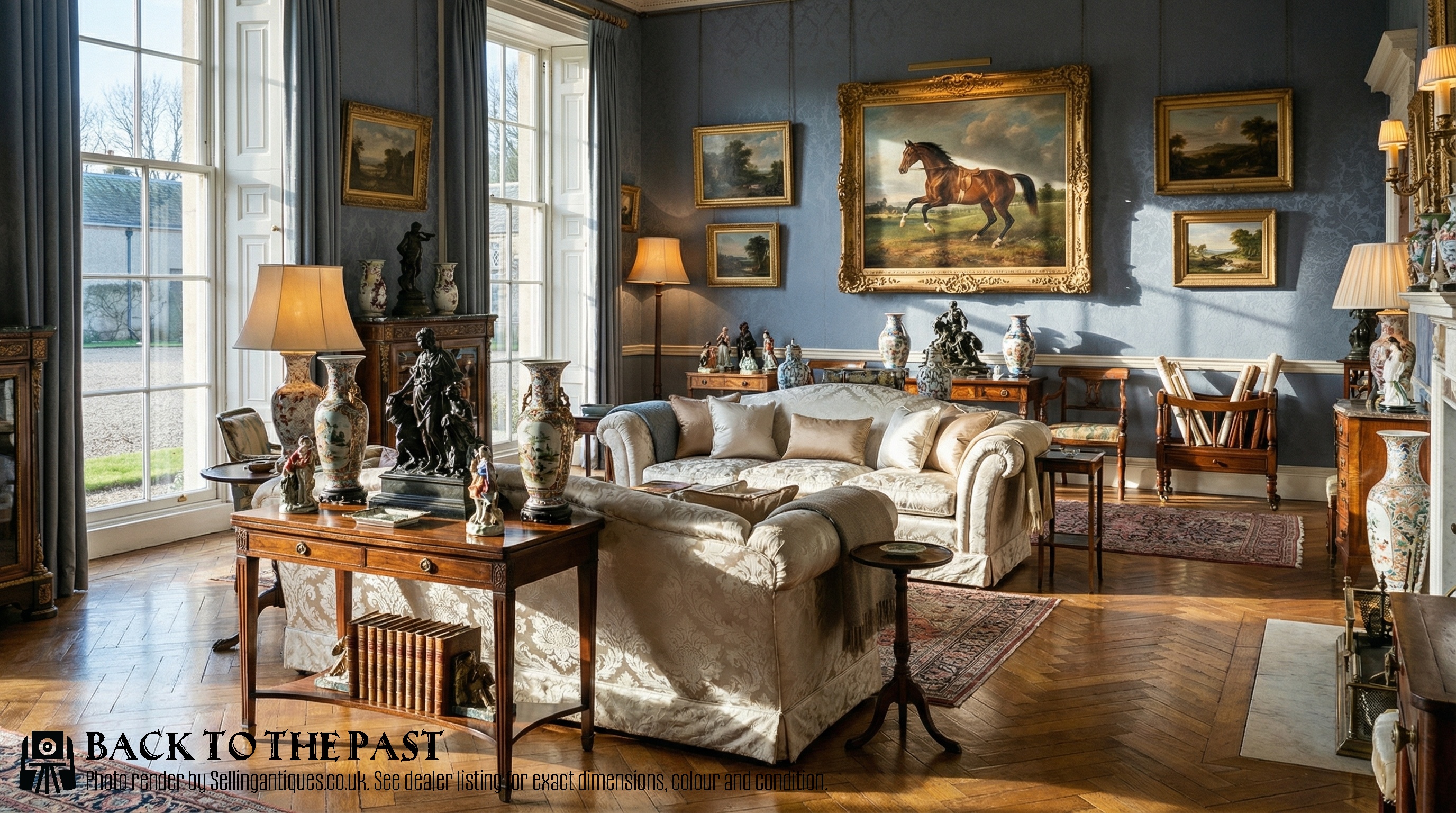
Antique Furniture Canterbury
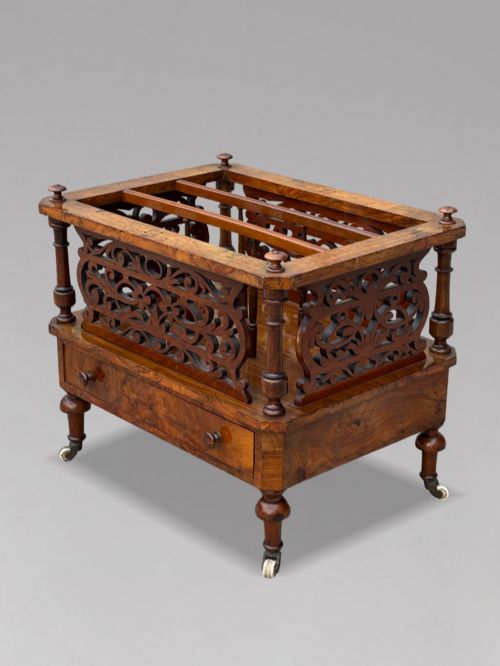
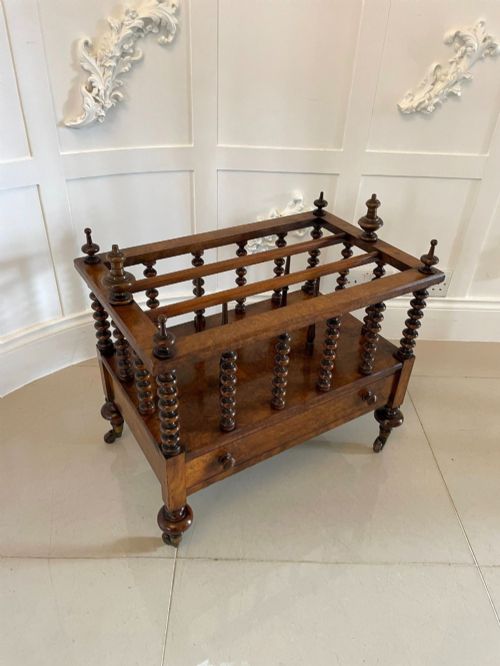
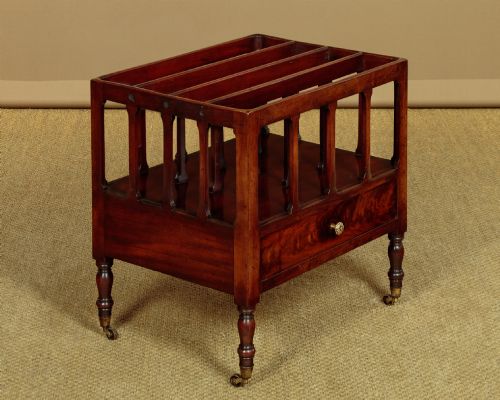
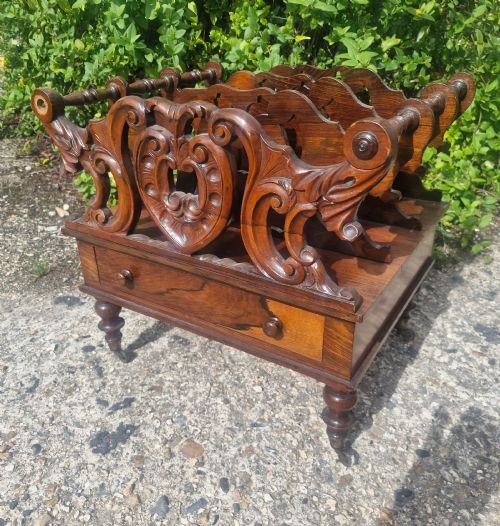
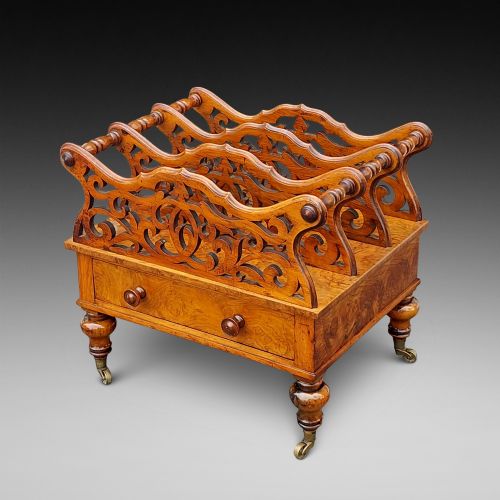
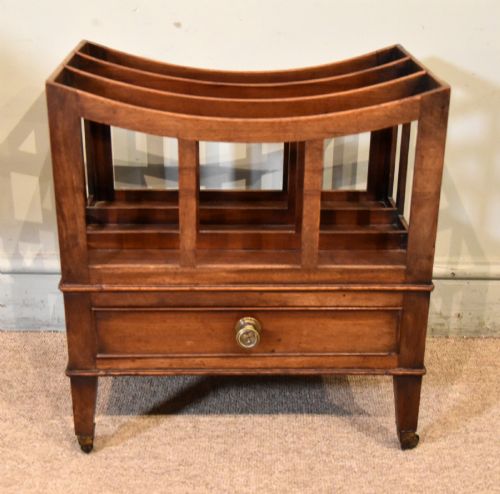
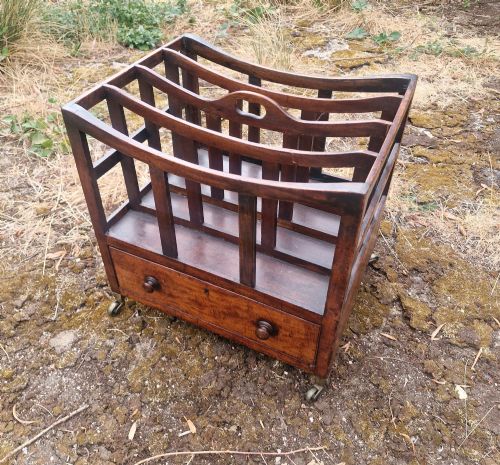
When you search for antique furniture canterbury, you encounter open wooden compartment stands developed in the late eighteenth century for domestic sitting rooms. These pieces typically feature slatted or partitioned sections above a low drawer, designed specifically to keep folios, sheet music and periodicals orderly. The versions you are most likely to meet on this page date from the nineteenth century, spanning the Regency and Victorian eras.
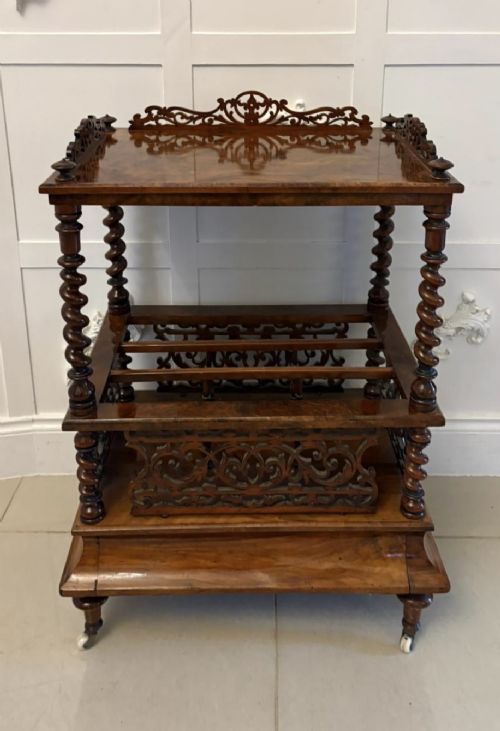
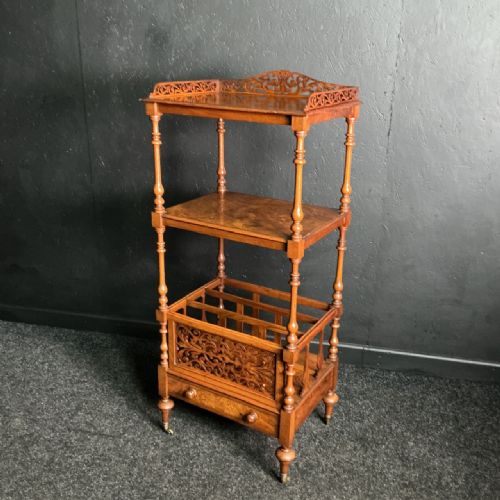
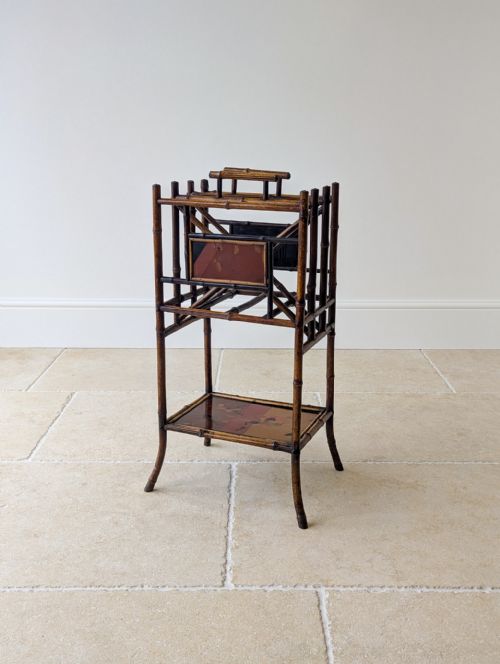
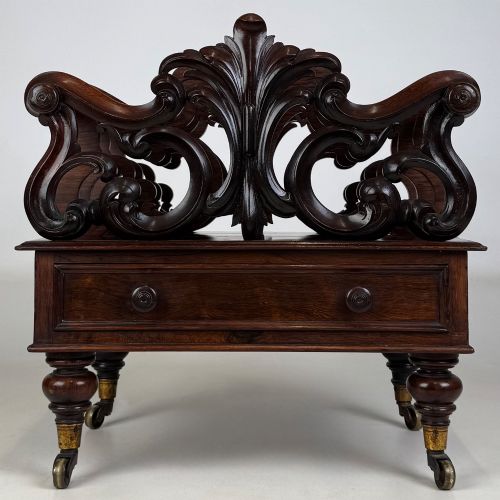
Makers produced these tiered holders in various woods, with mahogany dominating the earlier Regency examples and burr walnut defining the mid-Victorian pieces. Many incorporate lower drawers and small castors, allowing them to function easily as moveable side units next to seating. Later examples shift into the Edwardian period, sometimes taking the form of combined music cabinets or incorporating bamboo for an aesthetic taste.
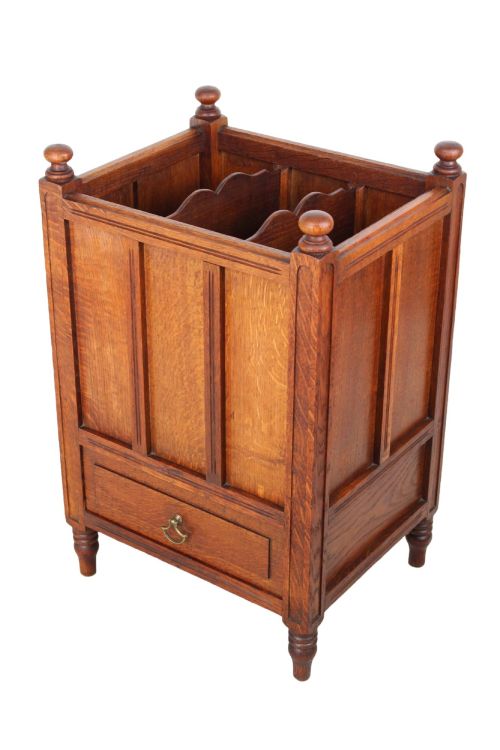
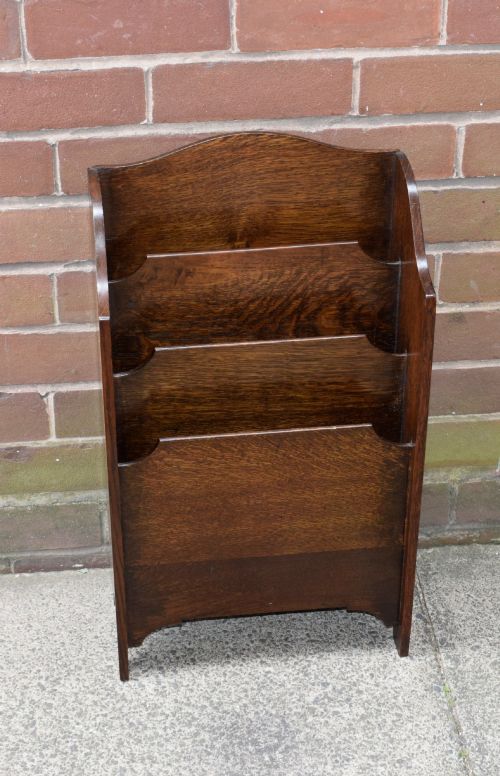
The form evolved from simple upright partitions into elaborate freestanding pieces that often combined display shelves with book storage. Whether executed in rich rosewood, figured walnut or plain oak, each piece reflects the changing demands of domestic entertainment across the Georgian, Victorian and Edwardian periods.
Materials and construction
Cabinet makers built these pieces using solid timbers and decorative veneers, selecting mahogany for early structural frames and burr walnut for highly figured mid-Victorian tops. Craftsmen shaped delicate turned spindles, pierced vertical slats and serpentine framework to form the distinct compartments necessary for holding paper items upright without damage.
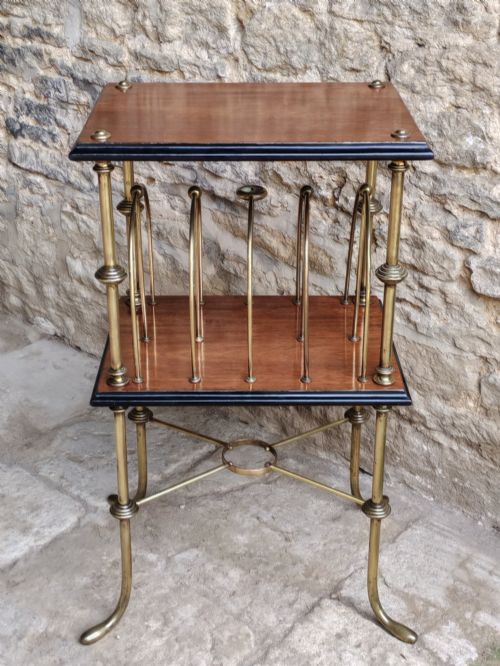
Many examples incorporate fine brass castors, delicate ceramic elements and subtle inlay work to enhance their portability and appearance in formal drawing rooms. The structural integrity relies on traditional joinery techniques, ensuring the slatted divisions withstand the weight of heavy folios and bound volumes over centuries of daily use.
Periods recorded span from the Georgian era through Regency, Victorian and Edwardian times.
Distinctions in quality
The distinction between ordinary and superior pieces rests on the choice of timber and the crispness of the turning on the upright supports. Top-tier examples display richly figured burr walnut or carefully selected flame mahogany, whereas simpler items utilise plain fruitwood or standard oak without decorative grain.
Construction refinement also separates standard production from exceptional cabinet work, seen particularly in the dovetailing of lower drawers and the integration of fine brass fittings. Pieces that retain their original castors and delicate fretwork divisions command greater appreciation among collectors for their untouched authenticity.
Edwards and Roberts·Gillow s
The Antique Furniture Canterbury Glossary
- Canterbury
- A low stand with partitioned sections used originally for sheet music and folios. It frequently includes a small drawer beneath the divisions.
- Folio
- A large volume or unbound collection of paper sheets. These stands were originally sized specifically to hold such items.
- Burr walnut
- A highly figured timber prized for its swirling grain patterns. It became especially popular on Victorian furniture surfaces.
- Whatnot
- A multi-tiered piece of freestanding furniture used for displaying ornaments. Some examples combine this open shelving with canterbury compartments.
- Aesthetic Movement
- A late nineteenth-century design style that embraced simplicity and Japanese influences. It popularised alternative materials such as bamboo.
Antique Furniture Canterbury: Frequently Asked Questions
What is an antique furniture canterbury used for?
These pieces served originally as dedicated stands for holding sheet music, folios, newspapers and magazines near a piano or seating area. The partitioned upper sections kept soft-covered papers upright and separated.
Over time, owners also utilised the lower drawers for smaller writing accessories or loose documents. Today, they function similarly in modern rooms for organising periodicals or as decorative side tables.
How do I identify a Regency canterbury?
Regency examples typically feature rich mahogany timber, clean architectural lines and classical design motifs such as reeded uprights. They often incorporate boat-shaped frames or brass carrying handles.
These earlier pieces generally date from the early nineteenth century and possess a lighter, more restrained aesthetic compared to later Victorian iterations.
Are all canterburys made of wood?
The vast majority of these pieces utilise traditional cabinet timbers such as mahogany, walnut, rosewood and oak for their primary structures. Craftsmen sometimes combined these with ceramic elements or brass fittings.
By the late nineteenth century, alternative materials emerged, resulting in pieces constructed entirely from bamboo during the Aesthetic Movement.
How do Victorian canterburys differ from Edwardian ones?
Victorian examples frequently showcase highly figured burr walnut veneers, serpentine shapes and elaborate inlays, often combining the compartment rack with a lower whatnot tier. They emphasise rich textures and darker polished finishes.
Edwardian versions tend to be lighter in construction, occasionally taking the form of enclosed sheet music cabinets with multiple small drawers and simpler oak or mahogany frames.