

Antique Furniture Base
When you search for antique furniture base, you are looking at the foundational structural supports and lower sections of tables, chests, and dressers from past centuries.
Antique Furniture Base
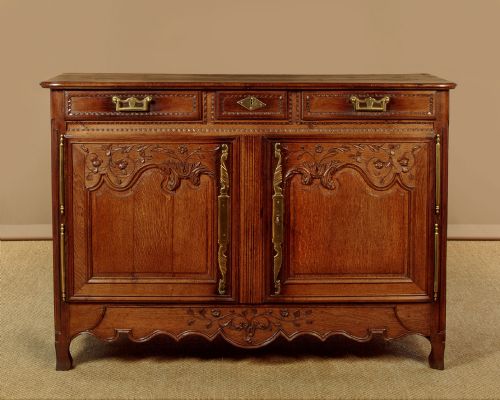
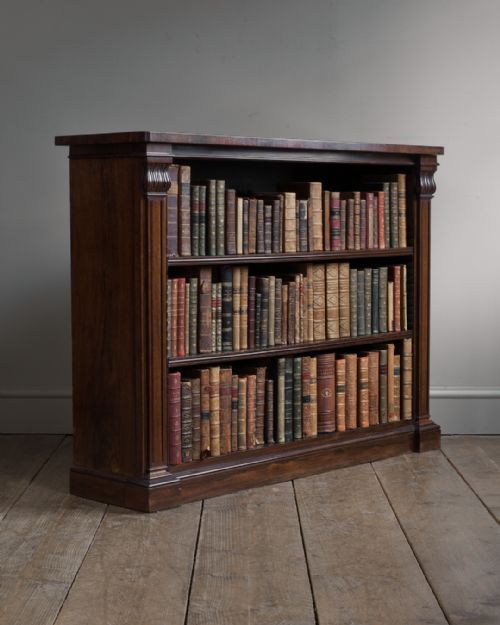
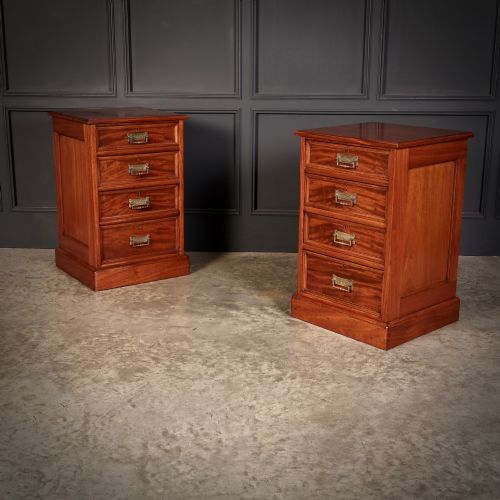
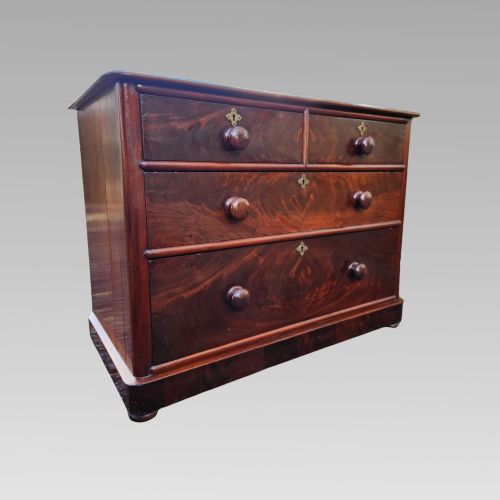
The phrase antique furniture base covers a diverse range of lower structures, including dresser bases, low dressers, and specialised table pedestals originating from the seventeenth to the nineteenth centuries. These pieces function independently as low sideboards or console tables, or support upper bodies such as cabinets and bookcases.
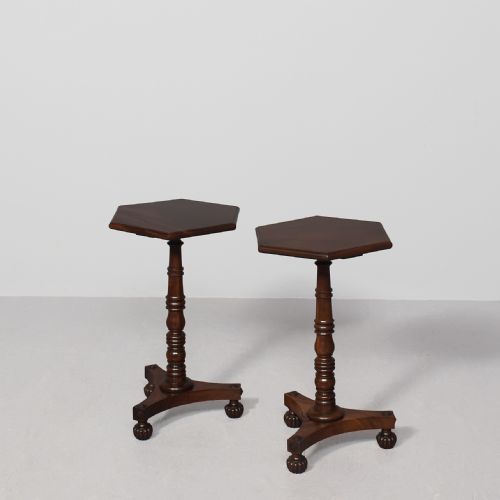
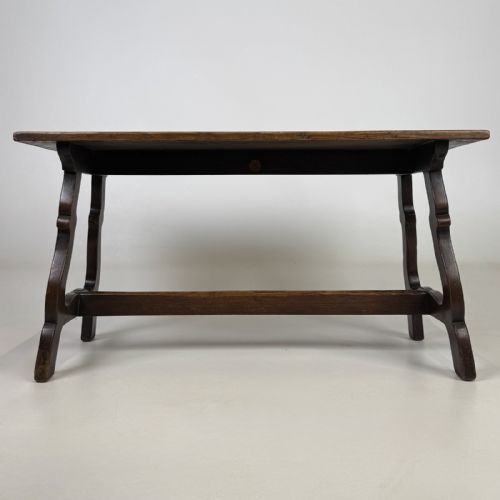
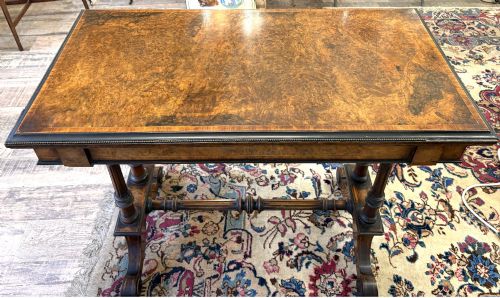
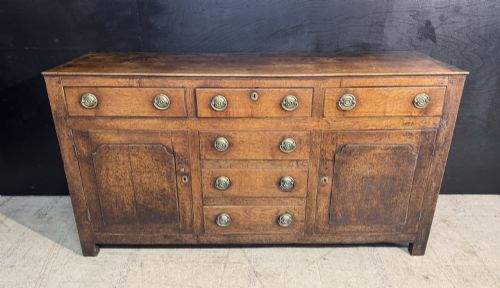
Most items encountered on this page belong to the oak, mahogany, and rosewood traditions, spanning Georgian, Victorian, and earlier periods. Common forms include eighteenth-century oak dresser bases, nineteenth-century centre table pedestals, and various specialised stands.
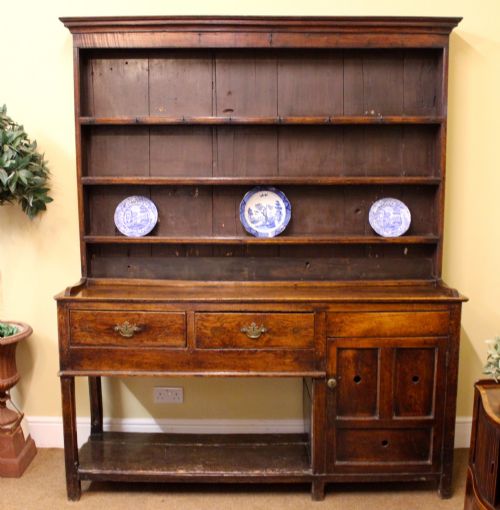
Regional variations appear frequently, from Scottish farmhouse potboard bases to Welsh and English vernacular designs. Buyers encounter heavy timber constructions intended for utilitarian household storage as well as refined reception room pedestals.
Materials and construction methods
Cabinet makers relied heavily on native hardwoods like oak and walnut during the seventeenth and eighteenth centuries, shifting towards exotic imported timbers such as rosewood and mahogany by the Victorian era. Brass hardware, glass elements, and pine secondary woods appear across various domestic forms.
Construction techniques involve traditional joinery including mortise and tenon frames for early oak pieces, alongside hand-dovetailed drawer boxes and turned or carved structural supports. Many bases incorporate heavy plank tops or fixed lower potboards designed to bear significant weight.
Antique Furniture Base Retail Price Guide 2026
Typical asking prices for furniture base among the pieces listed under this phrase on Sellingantiques today, from the lower quarter to the upper quarter. They describe what is for sale here now, not the wider market.
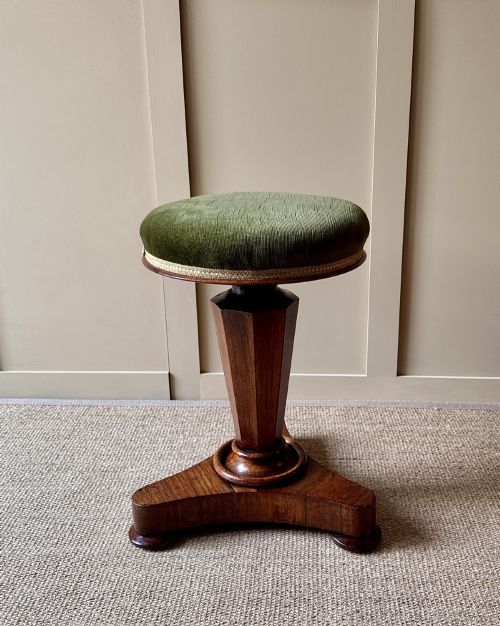
An adjustable piano stool survives from the Victorian era, offering comfortable seating while you practice your scales.
Assessing construction and finish
Quality rests upon the selection of timber and the crispness of hand carving on structural legs and aprons. Superior examples display dense, well-figured grain in woods like pollard oak or rosewood, combined with original brass handles and uncompromised structural joints.
Finer pieces maintain integrity in their secondary woods and internal drawer construction, showing minimal replacement timber. The depth of the hand-waxed finish and the harmonious proportion of the base to its overall form separate standard utilitarian items from exceptional workshop productions.
Gillows
The Antique Furniture Base Glossary
- Dresser base
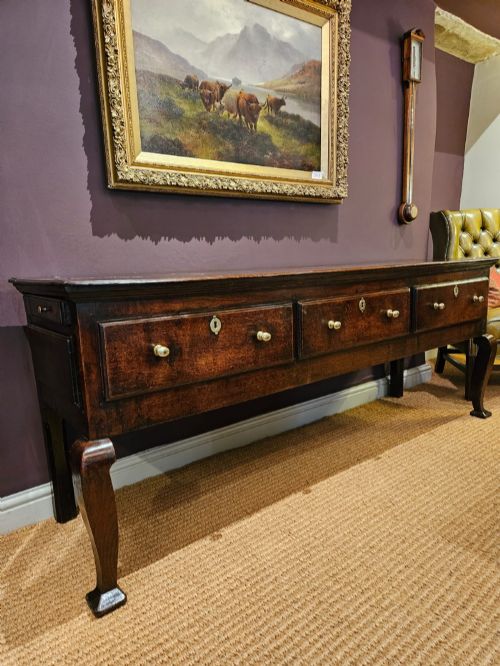
- A lower kitchen or dining sideboard featuring drawers and cupboards, originally constructed without the upper plate rack. These low wooden units serve well as modern sideboards.
- Potboard
- An open slatted lower shelf incorporated into the base of traditional dressers or tables. This shelf provided storage space for pots and heavy kitchen utensils.
- Centre table
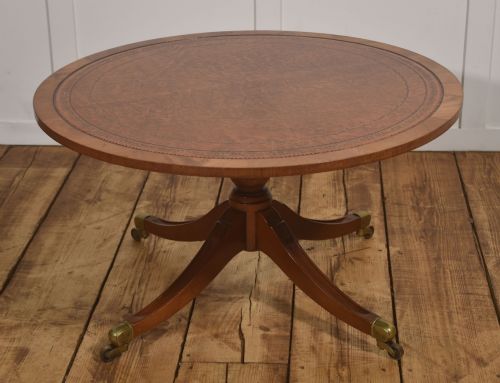
- A freestanding table designed to be viewed from all sides, often featuring a heavy central pillar or a multi-legged tripod base. They typically occupy the middle of a principal room.
- Geometric moulded
- A decorative front style utilising applied raised mouldings in geometric patterns on drawer fronts. This technique is typical of seventeenth-century oak furniture.
- Cabriole leg
- A furniture leg that curves out gracefully and tapers down to a pad or claw foot, mimicking animal legs. This stylistic form gained popularity during the Queen Anne and Georgian periods.
Antique Furniture Base: Frequently Asked Questions
What is an antique furniture base used for today?
These lower sections function effectively as sideboards, console tables, or low television stands in modern interiors. Their sturdy construction provides practical surface area and enclosed storage.
Many collectors utilise them in hallways or dining rooms to display decorative objects while keeping everyday items concealed within their drawers and cupboards.
How do I care for an antique wooden base?
Maintain the finish by applying natural beeswax periodically and avoiding direct placement near heat sources or strong sunlight. These precautions prevent timber from drying out or splitting.
Clean surfaces gently with a dry or slightly damp soft cloth, avoiding modern chemical polishes that can degrade historical wax finishes.
How do I tell eighteenth-century oak from Victorian pieces?
Eighteenth-century oak pieces display hand-sawn timber marks, pegged mortise and tenon joints, and rich patination acquired through centuries of use. The wood tends to have a more open grain and heavier structural proportions.
Victorian pieces often feature tighter-grained exotic woods like rosewood or mahogany, machine-planed secondary components, and factory-produced brass hardware or intricate applied mouldings.
Can I use a table base without its top?
Most surviving table and cabinet bases were manufactured as complete integrated units with their original tops attached. Removing a top usually compromises the structural integrity and historical value of the piece.
Some specialist items, such as occasional table bases or architectural supports, were designed specifically to accept interchangeable tops, but this should be verified before purchase.