

Antique Furniture Armoire
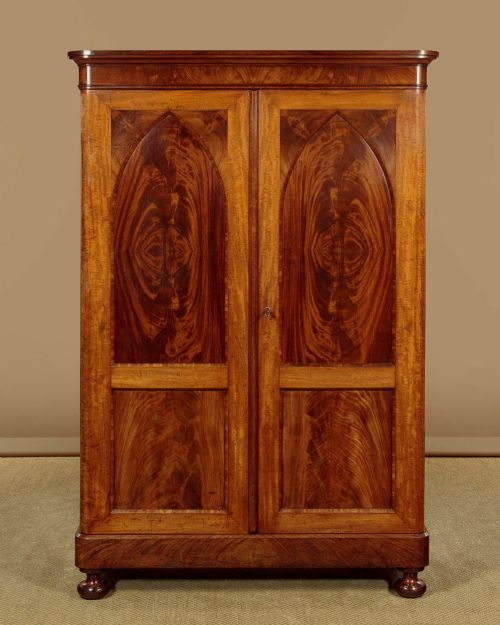
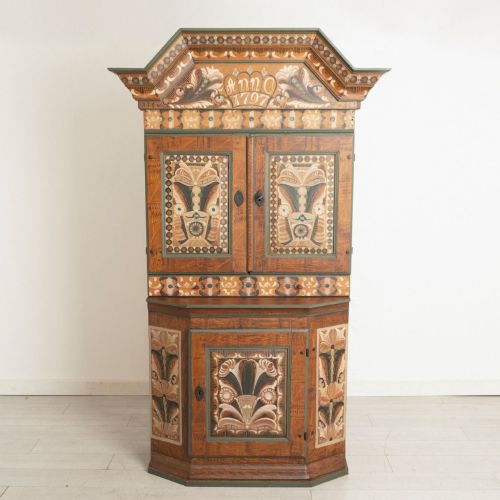
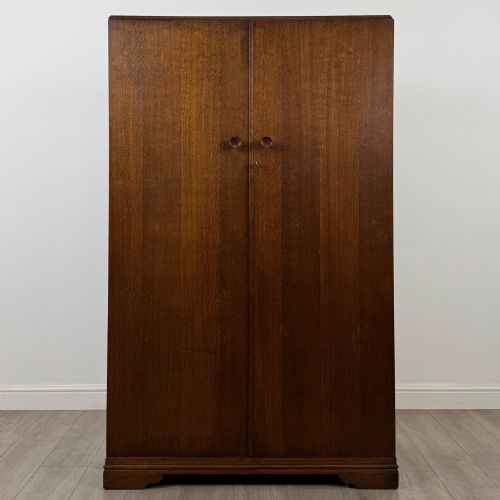
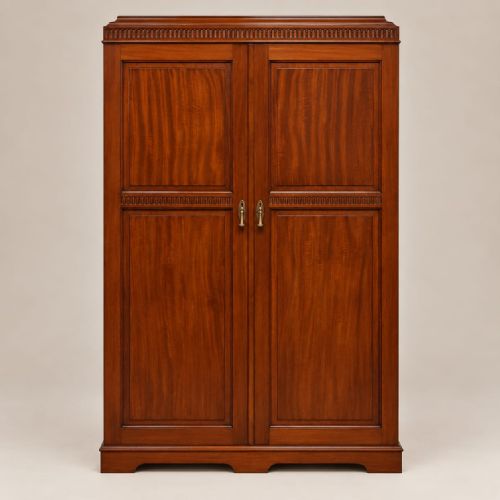
These antique furniture armoire pieces provide grand storage through centuries of craftsmanship, spanning robust oak wardrobes to intricate marquetry cabinets.
Antique Furniture Armoire
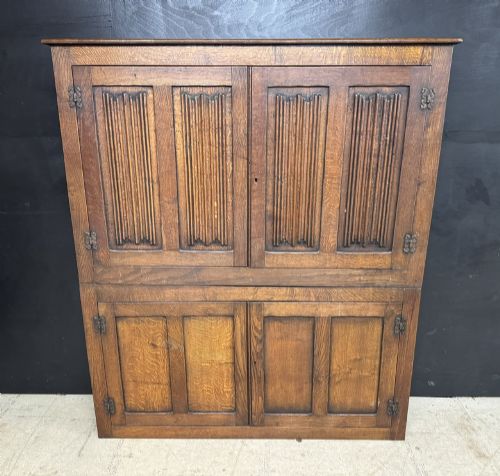
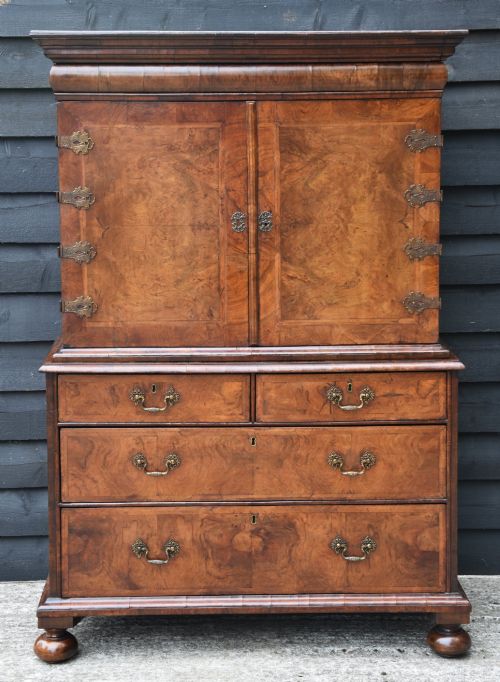
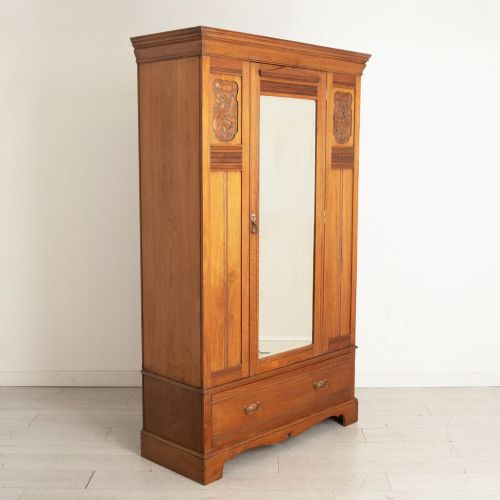
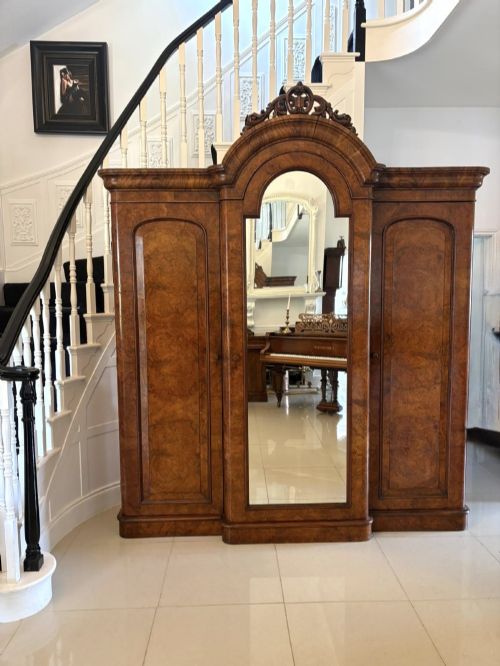
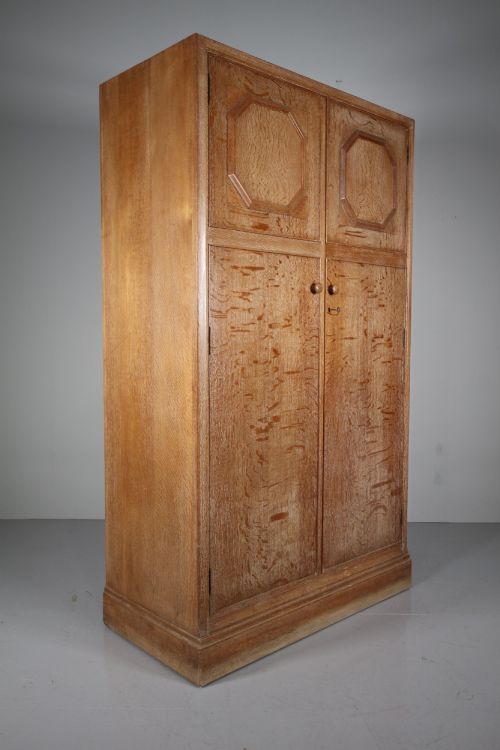
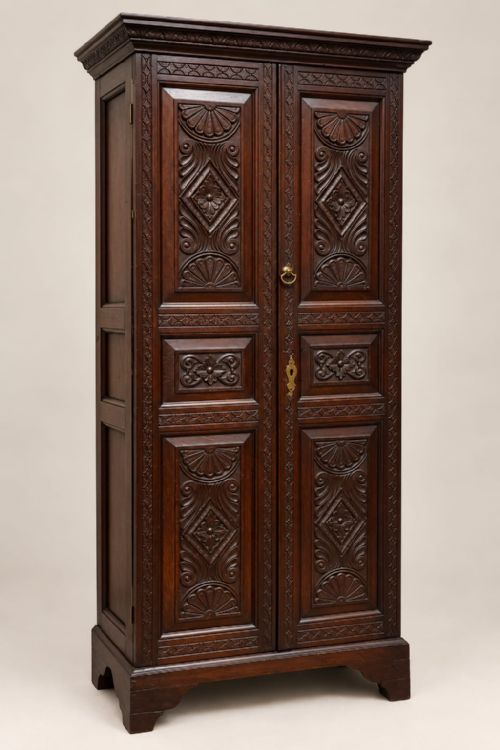
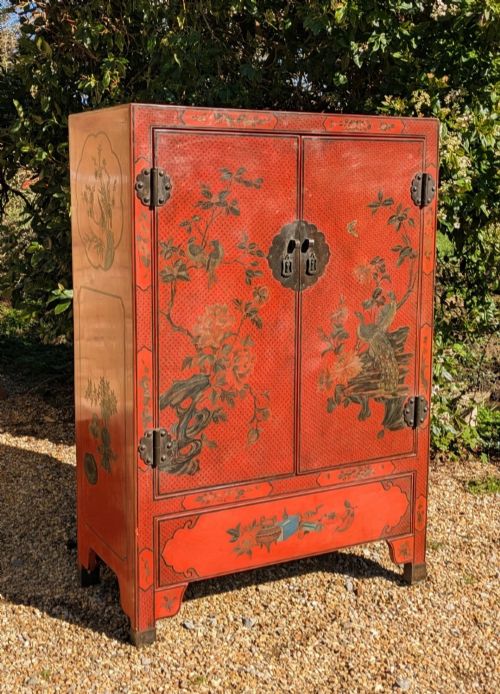
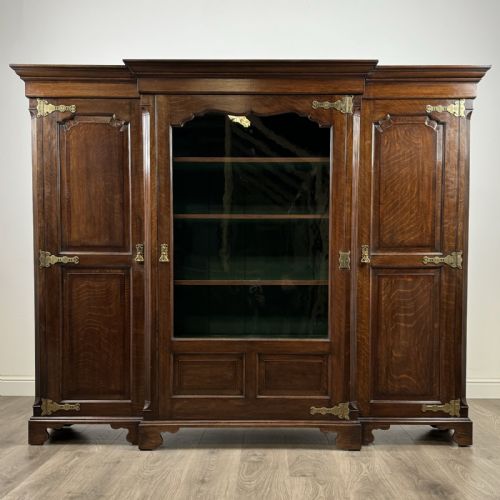
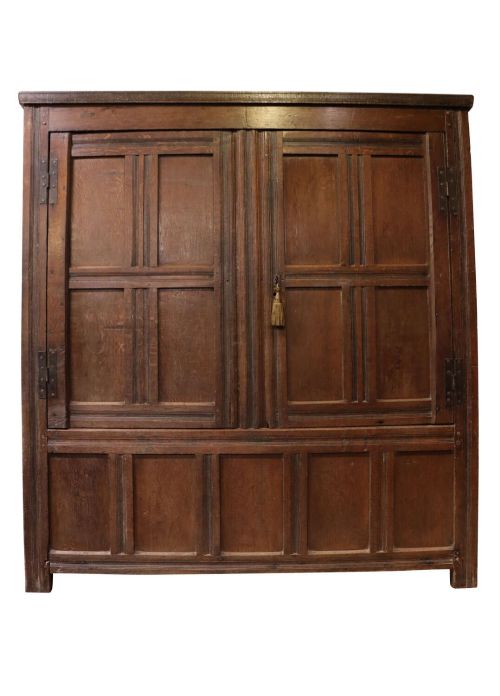
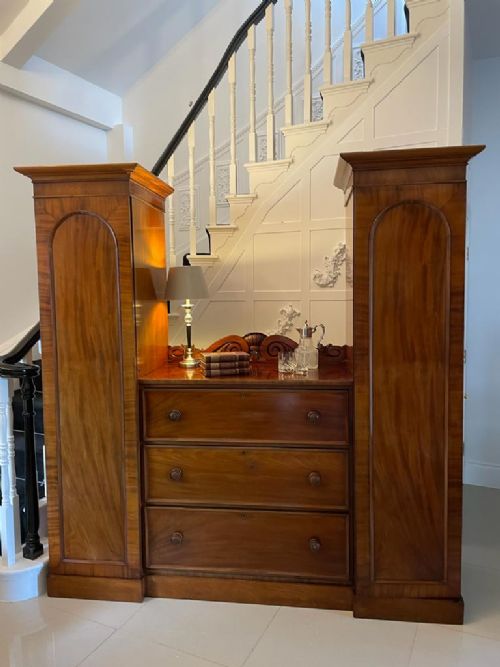
An antique furniture armoire encompasses large storage pieces such as wardrobes, linen presses, cupboards, and display cabinets designed to hold garments and household textiles. When exploring this selection, buyers encounter formats ranging from early oak vestment cupboards to Edwardian mirrored wardrobes.
The objects stem from periods spanning the seventeenth century through to the early twentieth century, incorporating regional British styles alongside Dutch, French, and Chinese designs. Oak and mahogany dominate the offerings, appearing alongside walnut, pine, and painted surfaces.
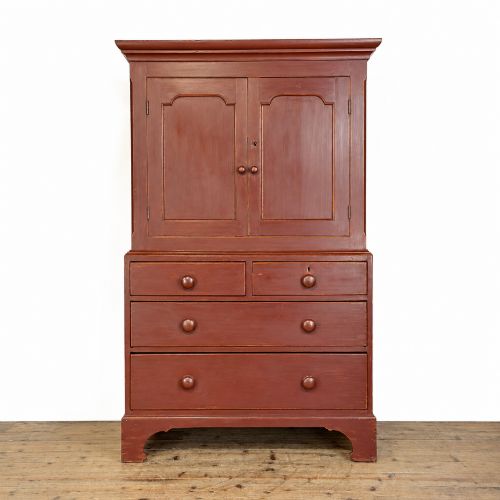
Wardrobes and linen presses form the bulk of the domestic pieces, often featuring interior hanging space or sliding trays. Cabinets and display units provide alternative storage forms with glass doors or decorative marquetry.
Materials and construction methods
Carpenters relied heavily on solid hardwoods such as oak and mahogany, joining panels using traditional framing and panelling techniques that allowed wood to move with seasonal humidity. Walnut and burr walnut veneers appeared on finer pieces, applied carefully to carcases made of secondary timbers.
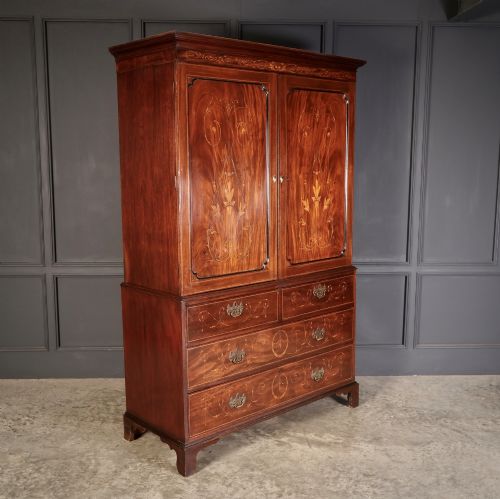
Decorative detailing involved hand-carving, floral marquetry inlay in contrasting woods, and applied mouldings. Iron and brass hinges, lock plates, and handles secured doors and drawers, while painted finishes utilised hand-applied pigments on pine and folk art pieces.
Antique Furniture Armoire Retail Price Guide 2026
Typical asking prices for furniture armoire among the pieces listed under this phrase on Sellingantiques today, from the lower quarter to the upper quarter. They describe what is for sale here now, not the wider market.
Listings feature solid oak and mahogany pieces alongside burr walnut, pine, and painted finishes spanning the seventeenth to early twentieth centuries.
Distinguishing quality in storage pieces
Superior examples separate themselves through the selection of timber figures, such as highly figured burr walnut or dense, straight-grained mahogany. The precision of the joinery and the integrity of the original carcase dictate the structural longevity of the piece.
The refinement of decorative elements, including hand-cut dovetail joints in drawers, crisp carving, and complex marquetry patterns, marks the distinction between standard utilitarian cupboards and high-status commissions.
Heals Of London
The Antique Furniture Armoire Glossary
- Armoire
- A tall wardrobe or cupboard, traditionally used for storing clothes. The term frequently applies to large continental European cabinets.
- Linen Press
- A tall piece of furniture featuring upper cupboard doors enclosing sliding trays, placed above a chest of base drawers. These units originally stored folded linens and textiles.
- Marquetry
- Decorative veneer work consisting of thin pieces of wood, ivory, or metal assembled into elaborate pictorial patterns. Craftsmen applied these patterns to the external surfaces of high-status cabinets.
- Cornice
- The moulded projection that crowns the top of a wardrobe or cabinet. This architectural element provides a finished transition to the ceiling.
- Cupboard
- An enclosed piece of furniture fitted with doors and shelves. Early examples often served specific household functions such as vestment or food storage.
Antique Furniture Armoire: Frequently Asked Questions
What is an antique furniture armoire used for?
These pieces function primarily as storage for clothing, linens, and household goods, combining hanging space with internal shelving or drawers.
Historically, larger cupboards and presses organised domestic textiles before fitted wardrobes became standard in modern houses.
How do I date an antique furniture armoire?
Dating relies on examining the timber species, construction methods like hand-cut dovetails, and stylistic markers specific to periods from the seventeenth century onward.
Hardware such as hinges and locks also provides clues, though original fittings must be distinguished from later replacements.
Can I fit a modern coat hanger inside?
Older wardrobes often feature shallower depths or wooden pegs rather than modern rails, designed for period garments and folded storage.
Buyers should check internal dimensions carefully if planning to hang contemporary clothing inside older cabinets.
How do I care for timber armoires?
Wood surfaces require stable indoor humidity levels away from direct heat sources to prevent timber splitting or veneer lifting.
Regular dusting with a dry cloth and occasional application of appropriate wax maintains the finish of oak, mahogany, and walnut pieces.