



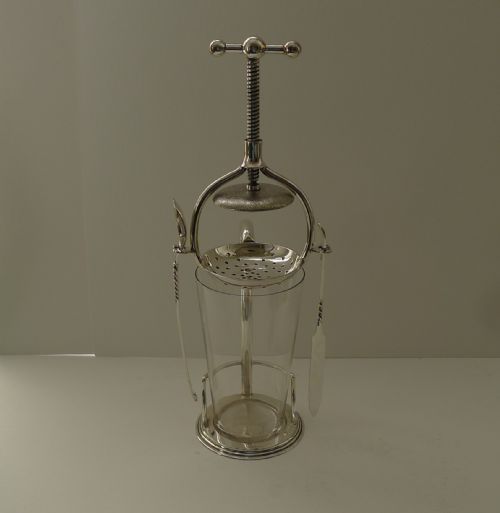

Antique Fruit Press
An antique fruit press brings tangible history to the table, offering clever mechanical utility and decorative charm through period craftsmanship.
Antique Fruit Press
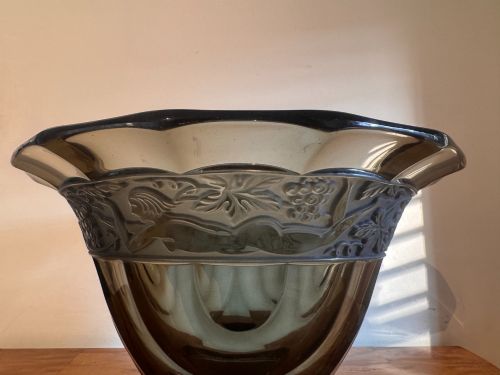
When searching for an antique fruit press, a buyer encounters a diverse selection of barware, kitchenalia, and decorative bowls spanning from the Victorian and Edwardian eras into the Art Deco period of the 1920s and 1930s.
The most common versions met on this page are functional lemon and citrus squeezers alongside prominent glass bowls, reflecting domestic and social habits of the nineteenth and early twentieth centuries.
Makers and materials range from treen boxwood and silver plate to sterling silver and opalescent glass, capturing the evolution of table service and interior fittings across different decades.
Materials and Manufacture
Makers utilised traditional boxwood to turn solid wooden kitchenalia into urn-shaped lemon squeezers, relying on simple woodturning lathes and hand finishing.
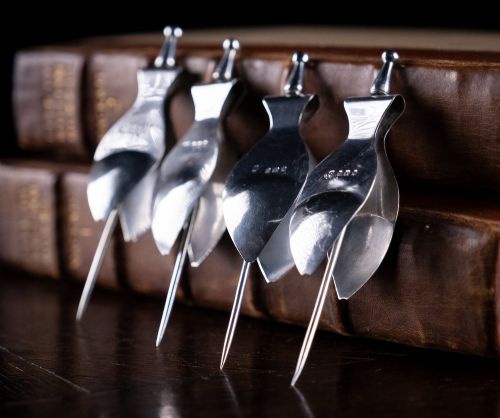
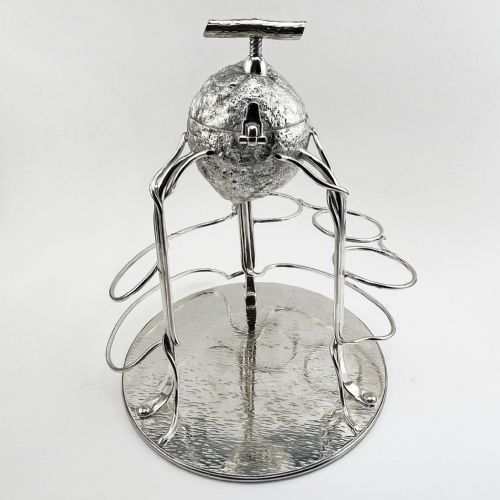
Metalworkers employed silver plate and sterling silver to fabricate articulated bar lemon and fruit squeezers, balancing mechanical leverage with polished surface decoration.
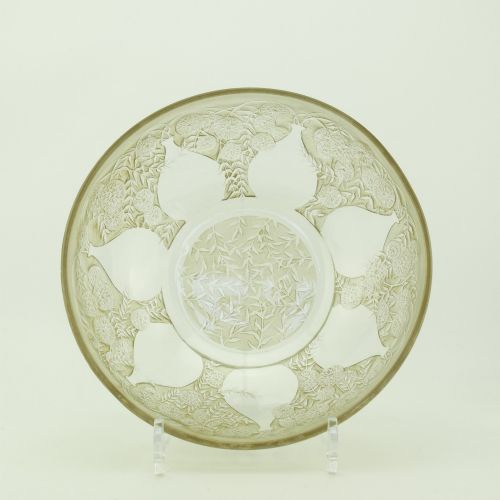
Glassmakers shaped clear, frosted, and opalescent glass into decorative bowls and lighting components, using moulds to capture intricate floral and geometric Art Deco motifs.
Antique Fruit Press Retail Price Guide 2026
Typical asking prices for fruit press among the pieces listed under this phrase on Sellingantiques today, from the lower quarter to the upper quarter. They describe what is for sale here now, not the wider market.
The listings here span the Victorian era through the 1930s, featuring materials from boxwood and silver plate to opalescent glass and bronze.
Assessing Quality and Merit
Superior examples demonstrate crisp definition in moulded glass flower heads or precise mechanical articulation in silver and metal barware, separating master output from ordinary production.
The distinction between a top-tier piece and a lesser item lies in the integrity of the material, whether the depth of opalescence in the glass or the crispness of maker marks on silver.
Rene Lalique·Richard Comyns·Hukin & Heath
The Antique Fruit Press Glossary
- Treen
- Small handmade wooden objects produced before the mass era. Boxwood is frequently used for these utilitarian kitchen items.
- Opalescent Glass
- Glass that displays milky, milky-blue or fire-like colour effects when lit from various angles. It was favoured by major interwar designers.
- Silver Plate
- A base metal foundation coated with a thin layer of silver. This technique allowed domestic items to achieve a precious metal appearance economically.
- Barware
- Implements and vessels designed specifically for the preparation of drinks. These range from citrus squeezers to cocktail accessories.
Antique Fruit Press: Frequently Asked Questions
What is an antique fruit press?
An antique fruit press is a functional or decorative domestic implement designed to extract juice from citrus fruits or present fruit at the table.
These pieces encompass handheld silver squeezers, turned wooden kitchenalia, and substantial glass bowls from the nineteenth and early twentieth centuries.
How do I date an antique fruit press?
Dating relies on stylistic markers, such as Victorian scrollwork or 1930s Art Deco geometries, combined with material evidence.
Maker marks, hallmarks on silver, and specific manufacturing techniques for opalescent glass also help establish the exact period of origin.
How were silver lemon squeezers used?
Silver lemon squeezers were utilised during formal dining and cocktail preparation to extract juice cleanly at the table or bar.
Set pieces with articulated levers allowed hosts to serve guests fresh citrus juice without seeds or pulp contaminating the drink.
How do I care for glass bowls?
Glass bowls require gentle hand washing in lukewarm water with mild soap to preserve their delicate surfaces and opalescent finishes.
Avoid abrasive sponges or harsh chemicals that can scratch clear glass or damage vintage patination.