
Antique Fruit Painted Plates
Antique fruit painted plates bring hand-rendered botanical studies to table settings and display cabinets, spanning from eighteenth-century soft-paste porcelain to twentieth-century bone china.
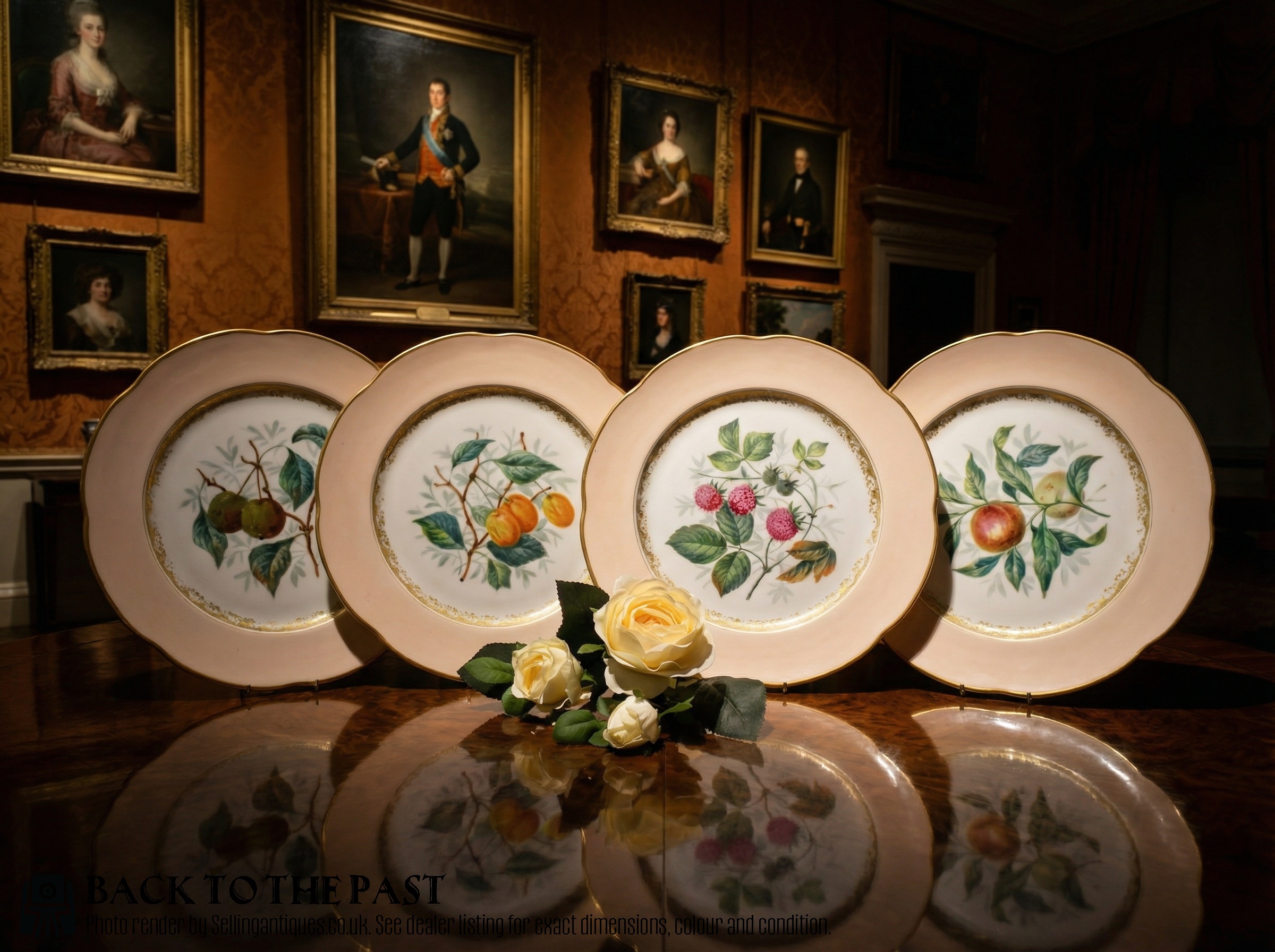
Antique Fruit Painted Plates
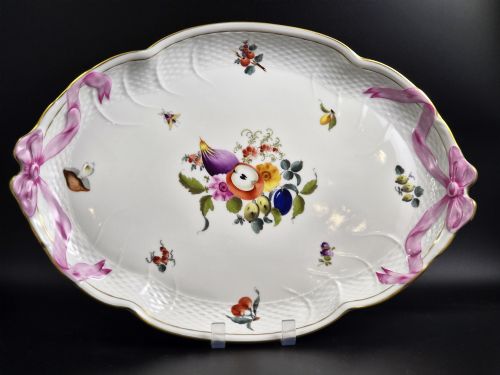
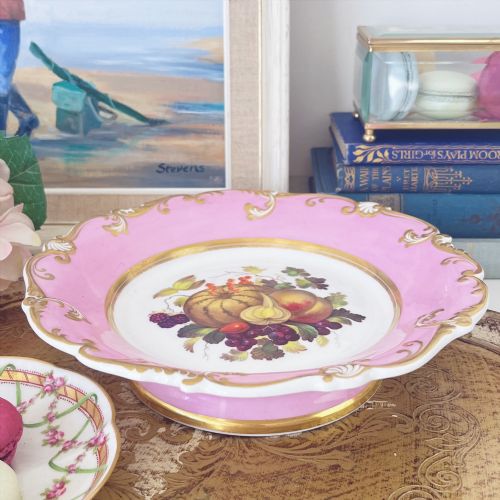
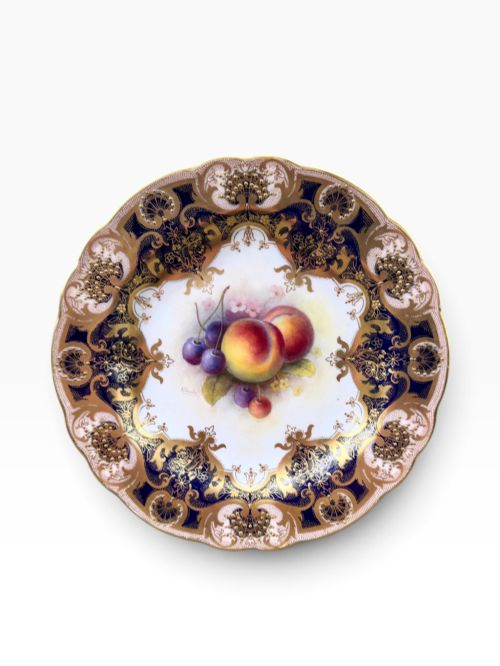
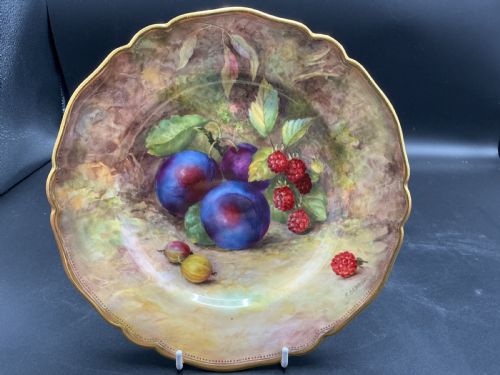
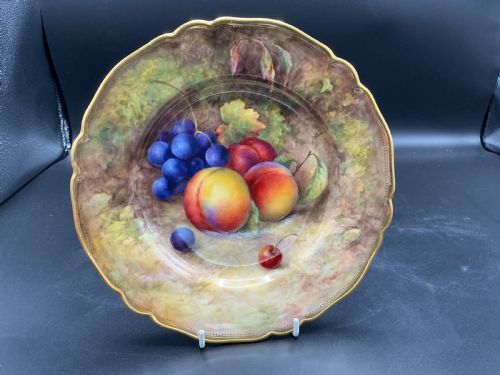
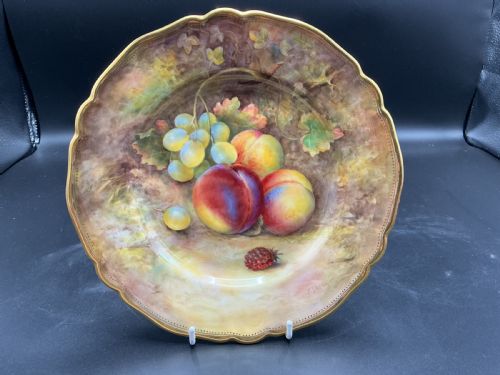
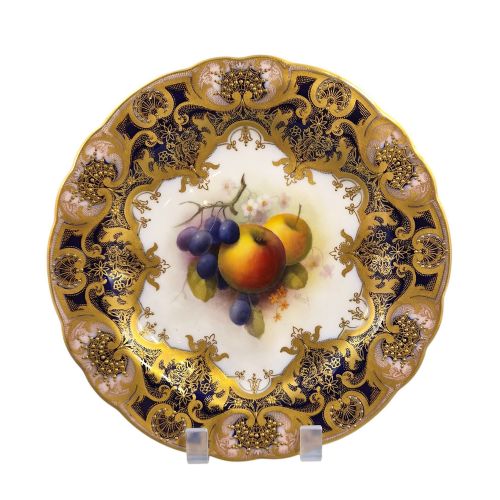
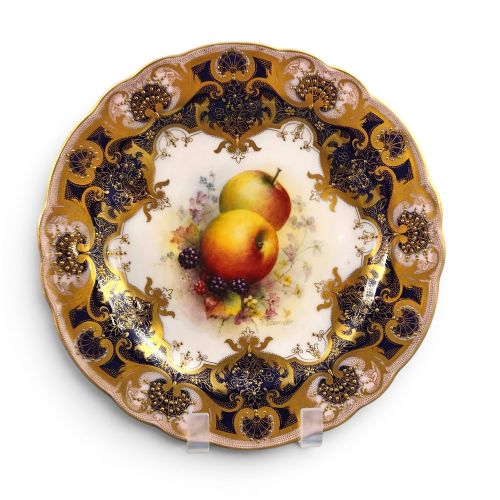
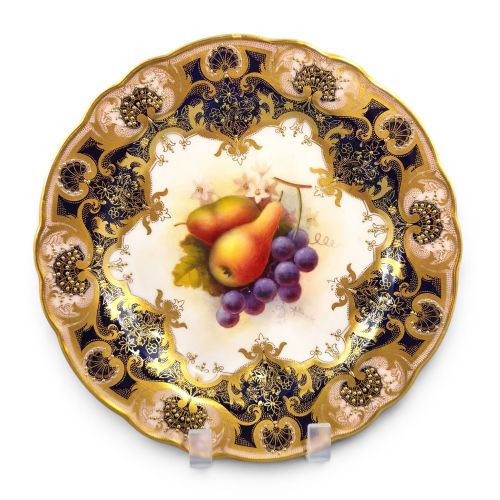
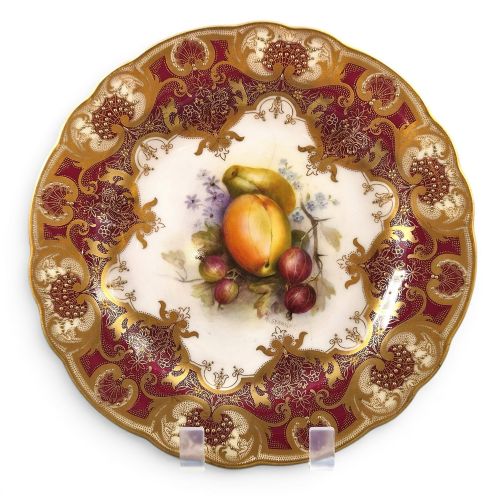
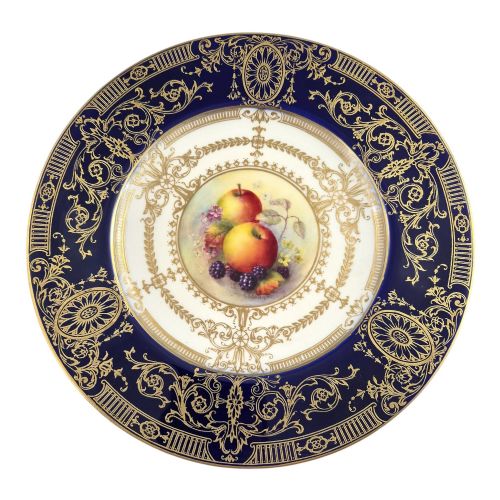
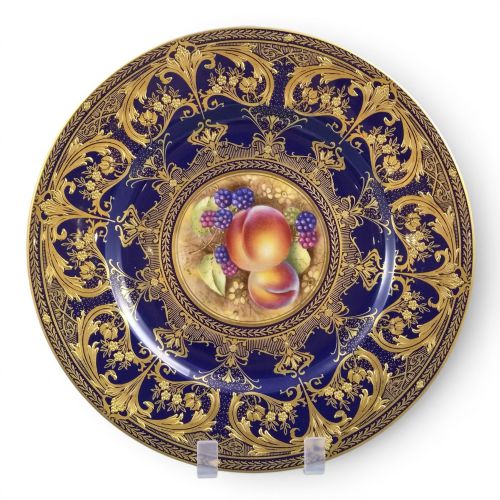
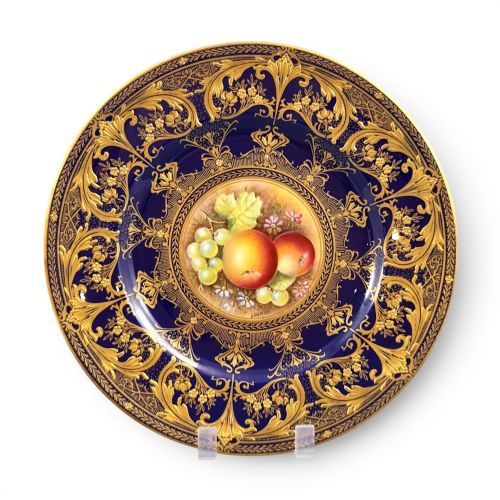
When searching for antique fruit painted plates, a buyer encounters cabinet pieces, dessert plates, and comports designed primarily for display rather than everyday dining. The selections here range from eighteenth-century soft-paste porcelain and creamware to twentieth-century bone china and porcelain.
The most common examples on this page are twentieth-century cabinet plates, particularly from Royal Worcester, alongside nineteenth-century earthenware and earlier porcelain dessert dishes. Forms vary from standard round dinner plates to rope-edge plates, square lobed dessert dishes, and footed comports.
Origins span English factories like Worcester, Derby, and Masons alongside continental porcelain and Japanese Imari ceramic platters. These items function as visual focal points, preserving detailed naturalistic studies of seasonal produce on glazed ceramic surfaces.
What Varies in Quality
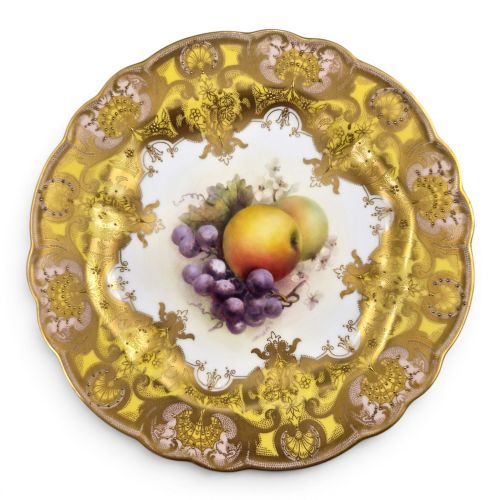
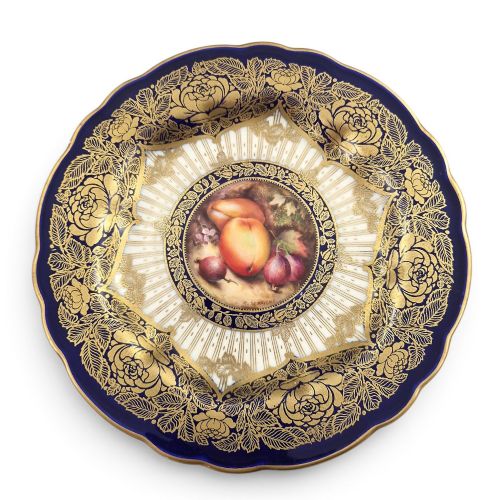
Quality rests significantly upon the skill of the artist, distinguishing standard factory output from pieces painted by recognised ceramic artists whose brushwork displays superior depth, shading, and botanical accuracy. The complexity of the surrounding border, whether gilt, coloured ground, or moulded shell and rope edges, contributes to the distinction.
The purity and translucency of the underlying porcelain or bone china body also separate standard domestic wares from high-status cabinet pieces. Preservation of the hand-painted enamel and the integrity of the original gilding complete the hierarchy of quality across these wares.
Several artists signed their painted fruit directly onto the porcelain, leaving tiny hidden brushstrokes that outlasted the empires which commissioned them.
Royal Worcester·H and R Daniel·Kornilov Brothers·Royal Doulton·Meissen
The Antique Fruit Painted Plates Glossary
- Cabinet plate
- A decorative plate intended for display in a cabinet rather than for regular dining use. These often feature elaborate hand-painted scenes and gilt borders.
- Comport
- A raised vessel or dish used for serving fruit or dessert, standing on a foot or pedestal. They frequently match dessert service plates.
- Soft-paste porcelain
- An artificial porcelain compound fired at lower temperatures than hard-paste, common in eighteenth-century English factories. It possesses a warm, slightly creamy glaze appearance.
- Bone china
- A type of porcelain incorporating animal bone ash, known for its high strength, whiteness, and translucency. It became a standard medium for fine English tablewares.
- Gilding
- The application of gold leaf or gold powder to ceramic surfaces, typically highlighting rims and handles. It provides a contrasting metallic border to painted fruit scenes.
Antique Fruit Painted Plates: Frequently Asked Questions
What are antique fruit painted plates?
These are decorative ceramic and porcelain plates featuring hand-painted studies of apples, peaches, grapes, and other seasonal produce. Makers produced them primarily as cabinet pieces or parts of grand dessert services.
They reflect shifting artistic styles from the eighteenth century through the mid-twentieth century. Collectors prize them for their detailed botanical artistry.
How were these plates used?
Upper-class households utilised them during the dessert course of formal dinners to serve fruit and sweetmeats. Footed comports and low dishes held the food centre-stage while individual plates went to guests.
As dining habits changed, many of these service pieces transitioned into pure display items kept within glass-fronted cabinets. Their delicate enamel and gilt surfaces suited visual appreciation rather than heavy daily use.
How do I identify the maker?
Makers mark their pieces on the underside using stamped factory ciphers, painted script, or impressed c. nineteenth-century symbols. Date ciphers on factories like Royal Worcester use dots or specific letter codes around the backstamp.
Artist signatures, such as Richard Sebright or Albert Shuck, frequently appear directly on the front near the fruit painting. Examining these painted monograms alongside factory stamps clarifies the origin and production date.
Are these plates safe for food?
Most antique fruit painted plates function best as decorative cabinet pieces or display items. Historic glazes and overglaze enamel paints can contain lead or other materials unsuited for modern culinary use.
Hand-washing gently preserves the fragile hand-painted details and historic gilding. Avoiding dishwashers prevents permanent damage to the nineteenth-century enamelwork.