

Antique Fruit Artwork
Antique fruit artwork captures the rich textures of harvest on canvas and paper, offering a lasting slice of classical and domestic calm for the home.
Antique Fruit Artwork
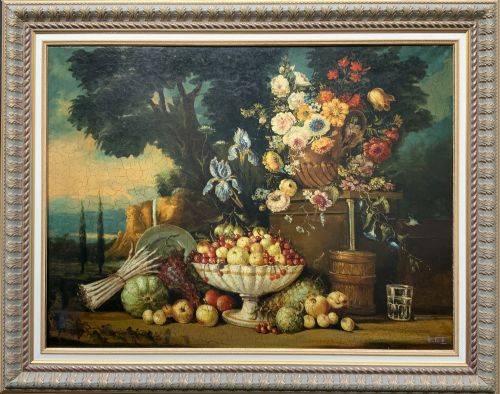
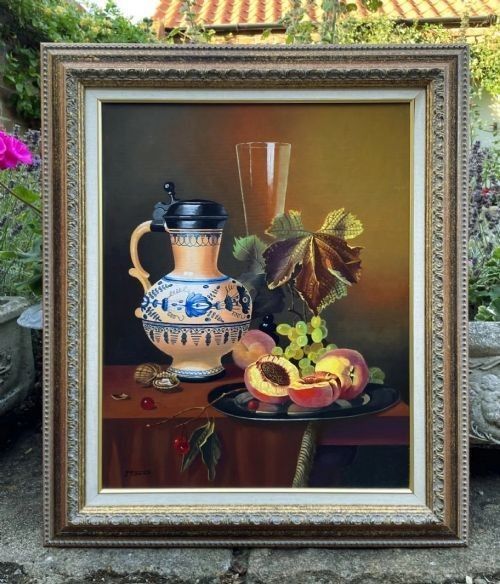
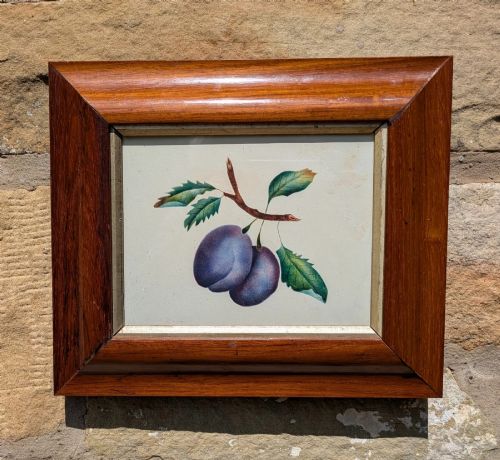
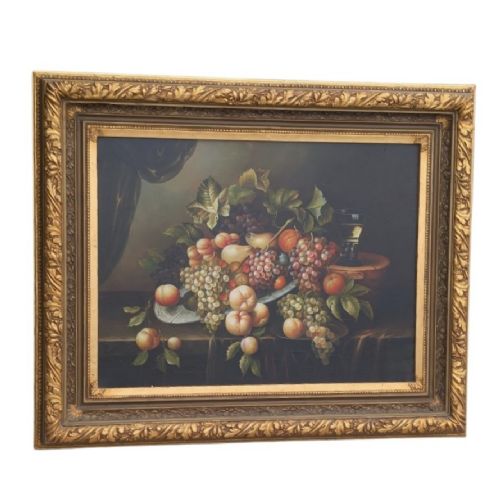
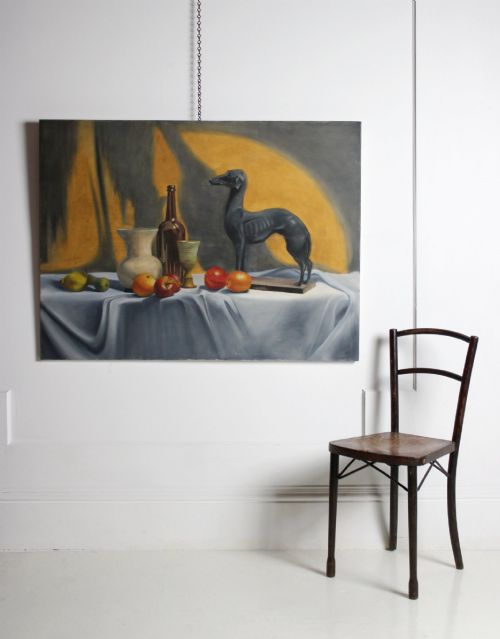
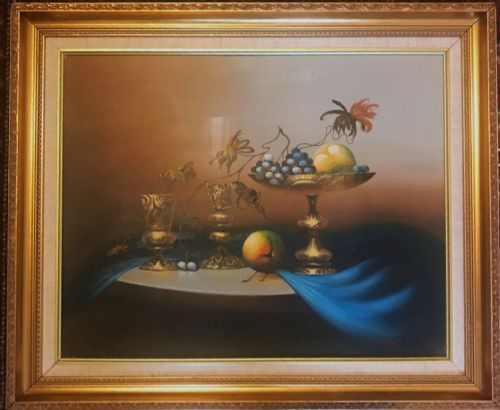
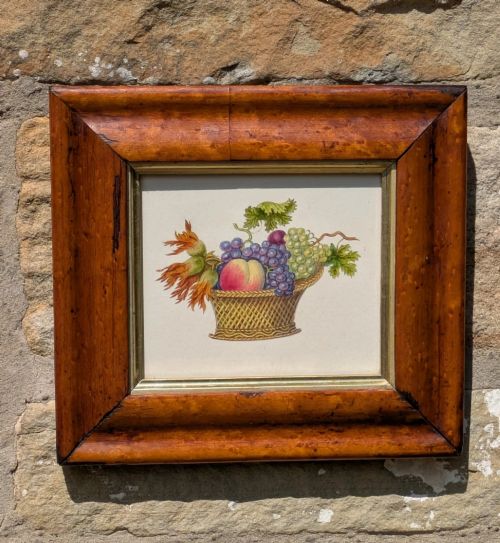
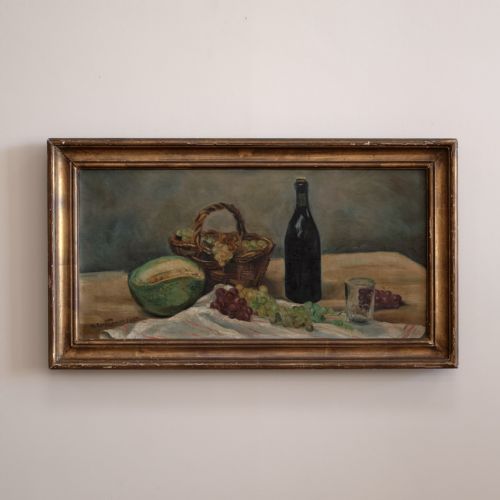
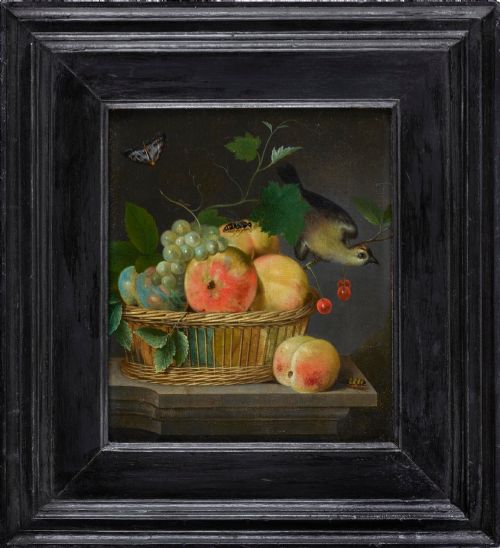
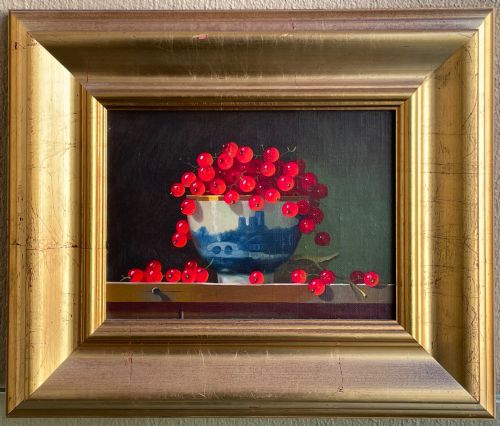
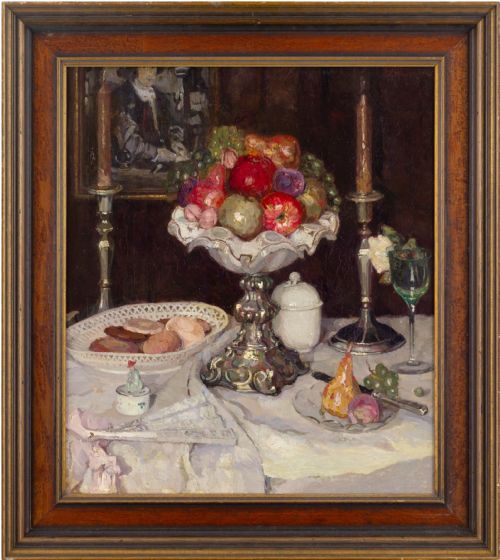
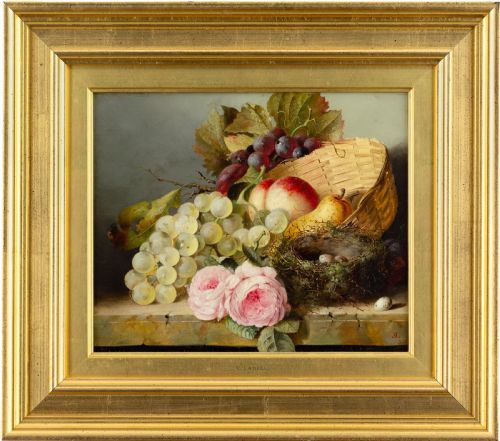
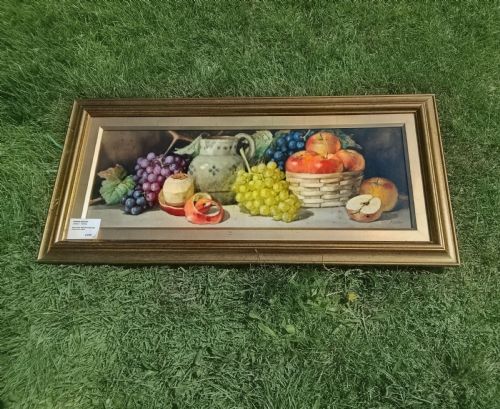
When searching for antique fruit artwork, collectors encounter a diverse selection of oil paintings, watercolours, and gouache studies spanning several centuries. These compositions frequently depict baskets brimming with seasonal produce, alongside vases, glassware, and occasional game.
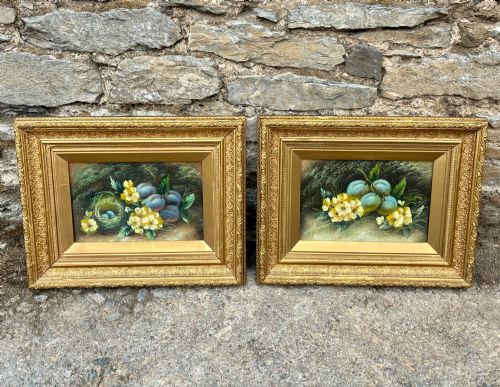
The pieces listed on this page range from 18th-century European school canvases to early 20th-century watercolours and porcelain plaques. Still life compositions predominate, though occasional portrait studies feature figures interacting with fruit harvest baskets.
Originating from British, continental, and Spanish traditions, these works reflect shifting tastes from Baroque opulence to Victorian realism and Edwardian refinement. Buyers will find both intimate watercolour studies and large-scale oil paintings suited to various interior settings.
How they were made
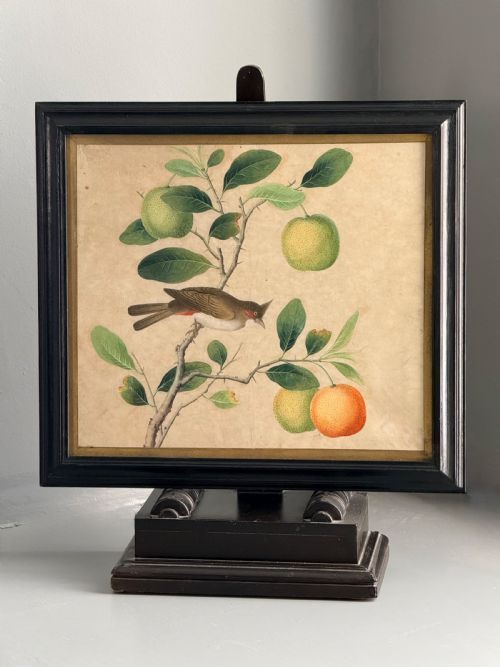
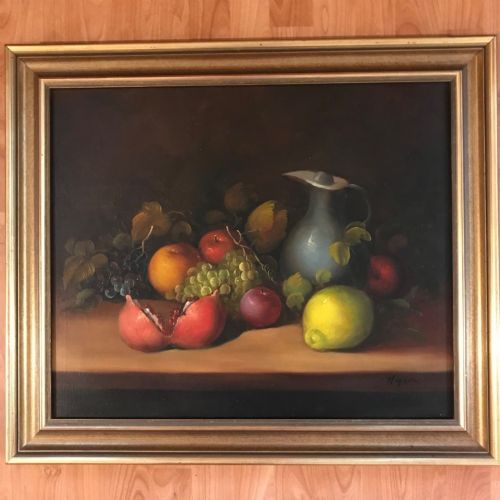
Artists typically applied oil paint to stretched canvas or solid wood panels, building rich layers to render the polished skins of apples, grapes, and pomegranates. Watercolours on paper or gouache on pith paper represent alternative mediums employed during the 18th and 19th centuries.
Antique Fruit Artwork Retail Price Guide 2026
Typical asking prices for fruit artwork among the pieces listed under this phrase on Sellingantiques today, from the lower quarter to the upper quarter. They describe what is for sale here now, not the wider market.
Several baskets appear suspiciously light on fruit because a bird has nested inside them.
What varies in quality
The standard of an antique fruit artwork rests upon the artist's ability to render light, shadow, and tactile surface qualities convincingly. Superior pieces display careful attention to the play of reflections on glass and the natural blemishes on fruit skins.
Framing and preservation contribute significantly to the overall merit of a piece. Original period frames in giltwood or carved wood enhance the presentation, while well-preserved canvases and watercolours maintain their original pigment depth without excessive restoration.
Edward Ladell·Gaspar Peeter Verbruggen·William Henry Ward·Else Preußner·Arthur Dudley·John Sherrin·Victor Simonin·Evelyn Chester·Vincent Clare·Helena Maguire·Thomas Hooper·William Joseph Carroll·J C de Bruin·John Robertson Reid
The Antique Fruit Artwork Glossary
- Still life
- A painting or drawing depicting inanimate subject matter, typically commonplace objects such as fruit, flowers, and tableware. This genre allows artists to focus heavily on composition, light, and texture.
- Gouache
- An opaque watercolour paint consisting of natural pigment, water, and a binding agent such as gum arabic, often heightened with white. It produces a dense, flat colour surface on paper or pith.
- Giltwood
- Wood that has been coated with a thin layer of gold leaf or powder, frequently utilised for ornate picture frames during the 18th and 19th centuries. This finish adds a reflective boundary to the artwork.
- Pith paper
- A traditional Asian material formed from the spongy interior of the rice-paper plant, used as a delicate surface for gouache paintings. Works on this medium require careful preservation behind glass.
- Baroque
- An artistic style prevalent in the 17th and 18th centuries characterised by dynamic movement and dramatic use of light and shadow. In fruit painting, this translates to lush, overflowing arrangements and deep, theatrical backgrounds.
Antique Fruit Artwork: Frequently Asked Questions
How should I hang antique fruit artwork?
These pieces suit dining rooms, kitchens, or drawing rooms where traditional domestic subjects complement the interior. Hang them at eye level away from direct sunlight to protect oil pigments and paper works from fading.
Ensure heavy giltwood frames are secured with appropriate wall fixings suited to the weight of the wood and canvas. Pairing smaller watercolours in groupings creates a striking display.
What is the difference between oil and watercolour fruit paintings?
Oil paintings utilise slow-drying pigments suspended in oil on canvas or wood panels, allowing for rich impasto and deep tonal blending. Watercolours use water-soluble pigments on paper, producing a lighter, more translucent finish.
Watercolours invariably require protective glass framing, whereas oil paintings on canvas often remain open to the air within their wooden frames.
How do I identify the period of a still life painting?
Stylistic clues such as the framing materials, canvas preparation, and the artist's signature help determine the era. Victorian works often feature heavier gilt frames and realistic detail, while 18th-century compositions display darker, more dramatic Baroque lighting.
Examining the reverse of the canvas or panel frequently reveals historical labels, stamps, or framing workshop marks that narrow down the date.
Were these paintings used in specific rooms historically?
Still life arrangements of food and harvest were traditionally commissioned for dining spaces, parlours, and country house larders. They celebrated agricultural abundance and hospitality during the Victorian and Georgian periods.
Larger European school canvases often hung in formal reception rooms as symbols of wealth, refinement, and cultured taste.