

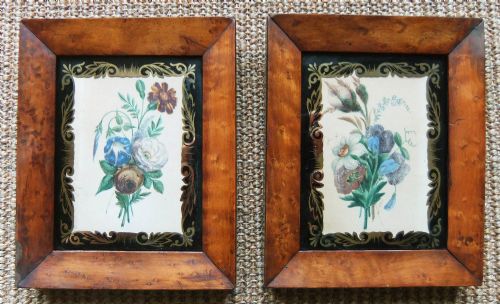
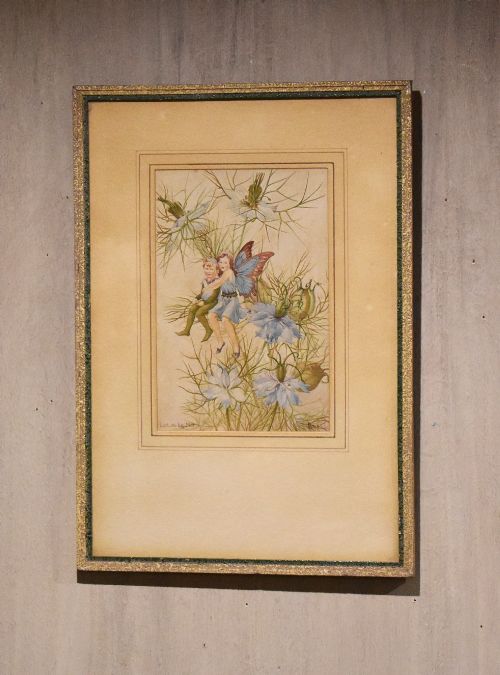
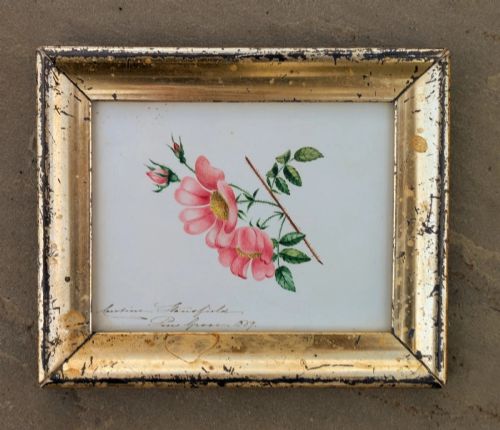
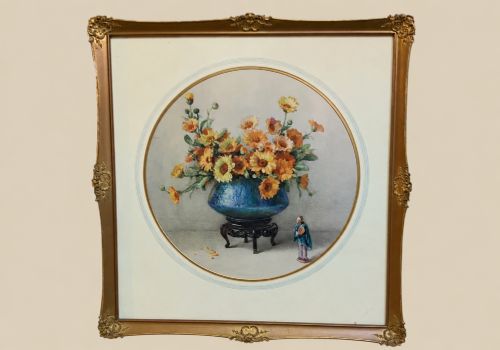


Gilt Framed Botanical Prints
These gilt framed botanical prints bring centuries of natural history and still life study directly to the wall.
Gilt Framed Botanical Prints
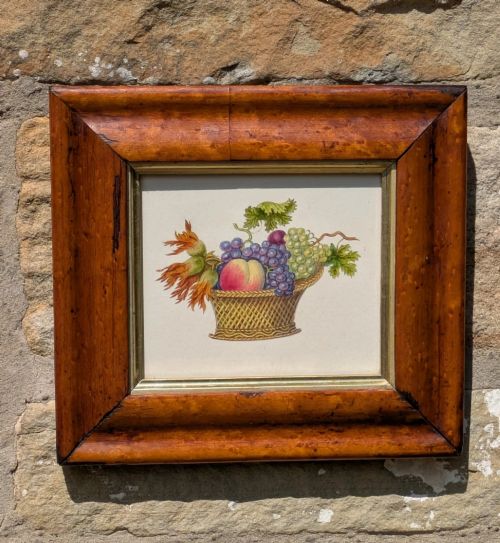
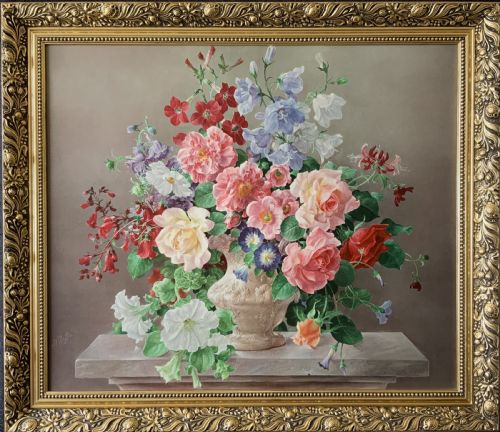
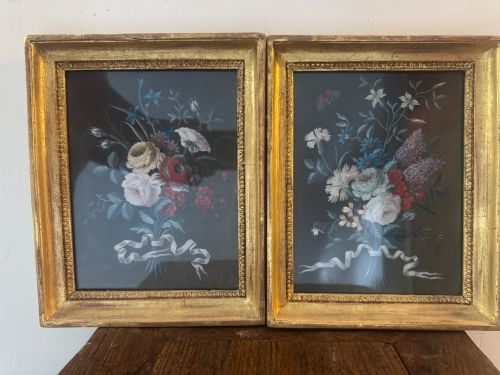
Gilt framed botanical prints encompass a diverse array of framed natural history works, ranging from hand-coloured engravings of birds and insects to delicate watercolour studies of flowers and fruit. The pieces spanning this category bridge the gap between scientific observation and decorative art, capturing floral subjects, butterflies, and ornithological studies.
The selections encountered here reflect Victorian sensibilities alongside Regency, Georgian, and seventeenth-century foundations. Most examples rely on paper surfaces mounted behind glass within traditional wooden surrounds finished in gold leaf or gilt.
Natural history plates and watercolours appear alongside mixed media pieces and oleograph prints, demonstrating the wide scope of artistic techniques applied to botanical and natural subjects over the centuries.
Materials and Techniques
The physical construction of these works combines paper supports with traditional printing and painting methods, including lithography, engraving, watercolour, and gouache. Hand-colouring frequently enhances engraved plates to render vivid ornithological and botanical details.
Wooden frames provide the structural border for these artworks, finished with layers of gilt, gold leaf, or standard wood treatments to highlight the visual composition within. Protective glass shields the delicate paper surfaces and pigments from atmospheric wear.
Mediums extend from oil on board and mixed media to classic watercolours and coloured lithographs, demonstrating a reliance on durable pigments and stable paper or board substrates.
Gilt Framed Botanical Prints Retail Price Guide 2026
Typical asking prices for gilt framed botanical prints among the pieces listed under this phrase on Sellingantiques today, from the lower quarter to the upper quarter. They describe what is for sale here now, not the wider market.
Listings feature works spanning from the seventeenth century through the Victorian era to the mid-twentieth century, utilising paper, wood, and gold leaf.
Factors of Quality
Quality within these works rests upon the precision of the initial engraving or painting and the vibrancy of any hand-applied pigment. Fine line work in bird engravings and subtle tonal gradations in floral watercolours elevate the artistic standing of a piece.
The preservation of the paper substrate and the integrity of the framing materials dictate the overall standard of survival. Intact gilt wood surrounds and clean, unblemished paper surfaces reflect superior historical care.
Oliver Goldsmith·Simon Pietersz Verelst·George Edwards·Arthur Wardle·William Swainson
The Gilt Framed Botanical Prints Glossary
- Lithograph
- A print made from a design drawn on limestone or a metal plate using an oily medium. This technique allows for detailed reproduction of coloured illustrations and botanical plates.
- Engraving
- A print produced by cutting lines into a metal plate which then holds ink for transfer onto paper. Hand-colouring was frequently applied afterward to accentuate natural history subjects.
- Gouache
- An opaque water-based paint that provides solid, matte areas of colour. It appears frequently in floral and still life studies.
- Gilt Wood
- Wood that has been coated with a thin layer of gold leaf or gold paint. This finish creates the characteristic bright borders seen on traditional picture frames.
Gilt Framed Botanical Prints: Frequently Asked Questions
How do I care for these framed prints?
Keep these works away from direct sunlight to prevent the fading of watercolour pigments and coloured lithographs.
maintain a stable room temperature to protect the paper substrates and wooden gilt frames from moisture damage.
Are these pieces original or reproductions?
The inventory comprises period pieces ranging from the seventeenth century through the Victorian era and later.
Examination of the paper stock, printing method, and framing helps confirm the historical period of each individual item.
How were these botanical illustrations originally used?
Many began as plates bound within scientific volumes or natural history folios before being separated and framed for display.
Others were created specifically as standalone watercolours or oil paintings intended for domestic interior decoration.
What periods do these artworks represent?
The selection spans multiple design eras, including Georgian, Regency, and Victorian periods alongside seventeenth-century Dutch influences.
Each era brings distinct stylistic preferences in framing and subject matter to the collection.