

19th Century Fruit Painting
When you search for 19th century fruit painting, you encounter richly rendered studies of harvest bounty on canvas, wood panel and porcelain.
19th Century Fruit Painting
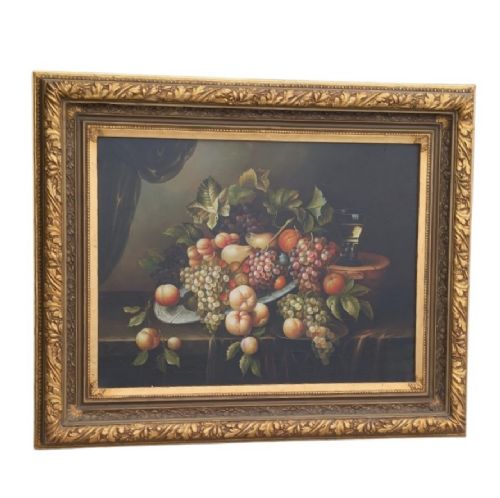
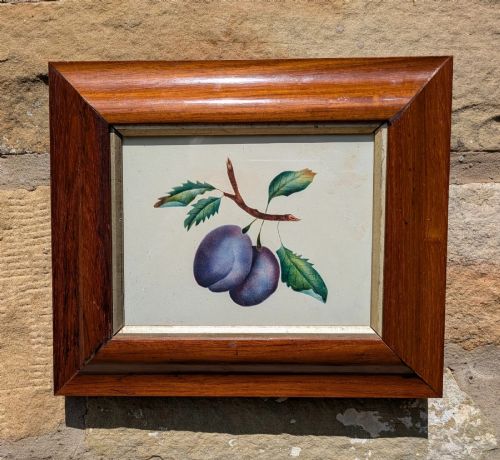
A 19th century fruit painting encompasses oil paintings on canvas or wood panel, delicate watercolours, and hand-painted ceramic surfaces depicting harvest subjects.
The selections on this page bridge domestic British and continental schools, featuring tabletop arrangements alongside broader still life compositions.
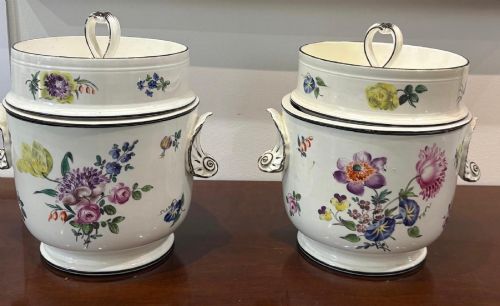
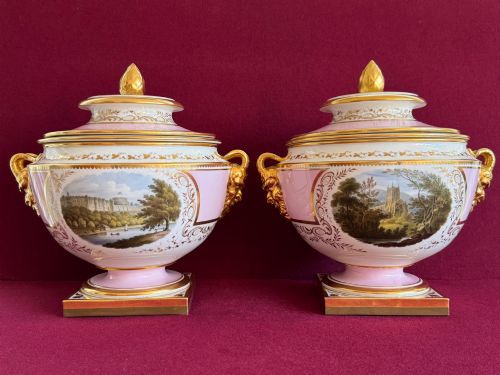
Buyers will find framed oil works by named artists sitting alongside decorative porcelain plates, bowls and comports bearing botanical studies.
Materials and Methods
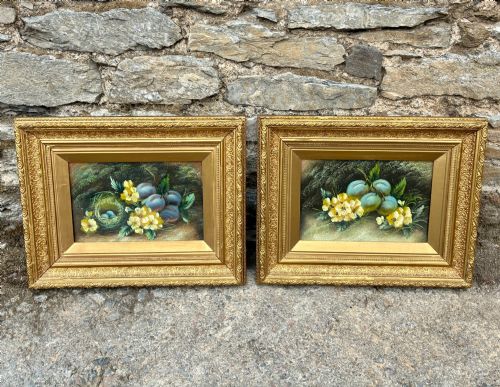
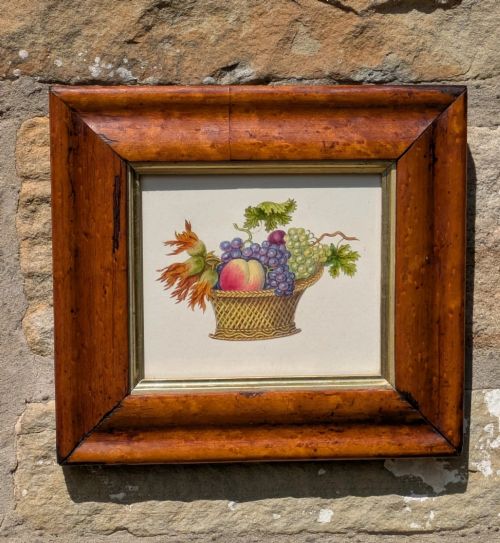
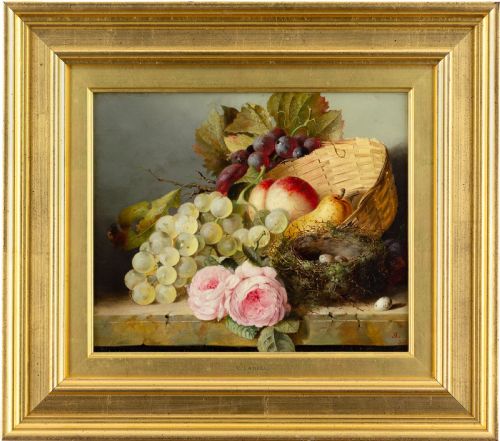
Painters utilised oil on canvas, wood panel or board, often finished with giltwood frames, while watercolourists worked on paper or rice paper.
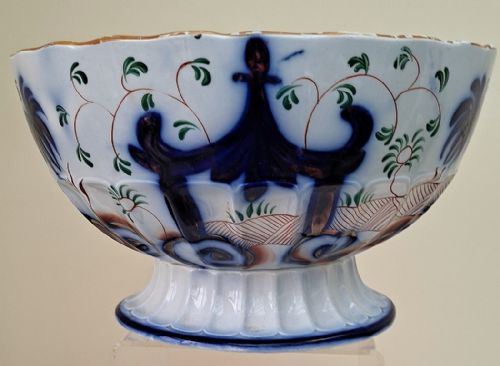
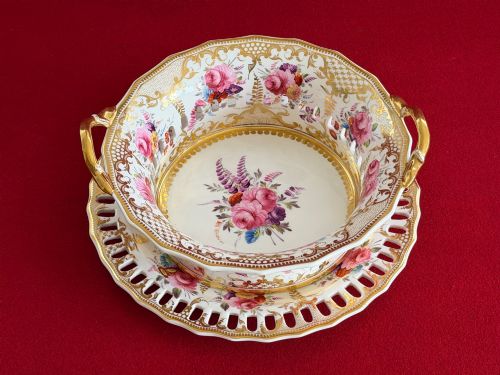
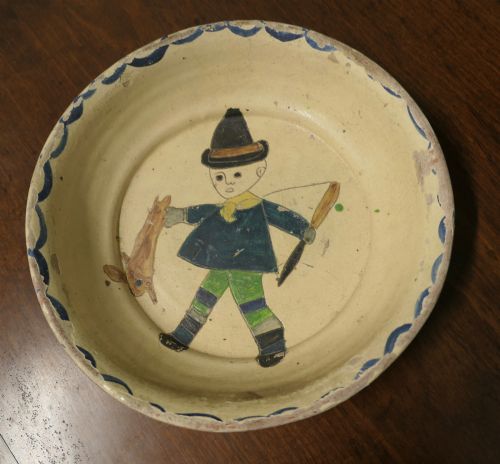
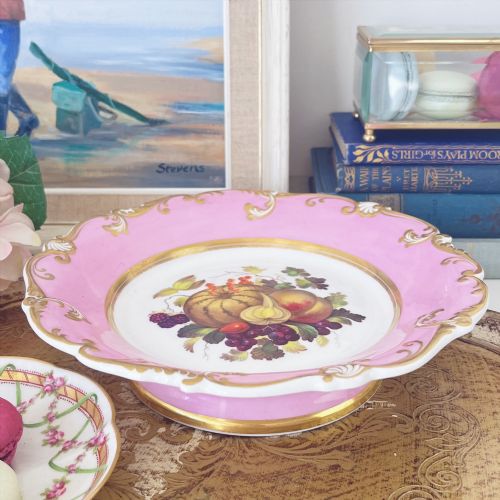
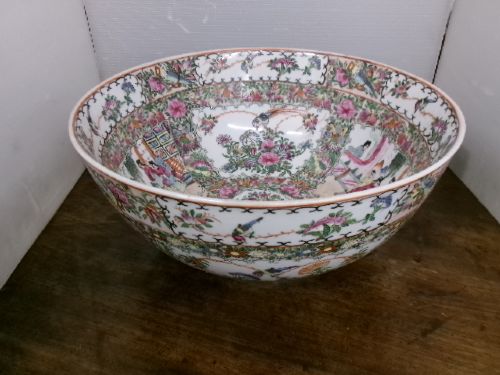
Ceramic pieces rely on porcelain or pottery bodies decorated with hand-painted enamel pigments, sometimes enhanced with gilt or copper lustre.
19th Century Fruit Painting Retail Price Guide 2026
Typical asking prices for 19th century fruit painting among the pieces listed under this phrase on Sellingantiques today, from the lower quarter to the upper quarter. They describe what is for sale here now, not the wider market.
A young foal occasionally steals fruit from a basket in nineteenth-century watercolour studies.
Quality and Execution
The standard of an oil painting rests on the depth of the brushwork, the natural rendering of light upon surfaces like grapes or peaches, and the preservation of the original panel or canvas.
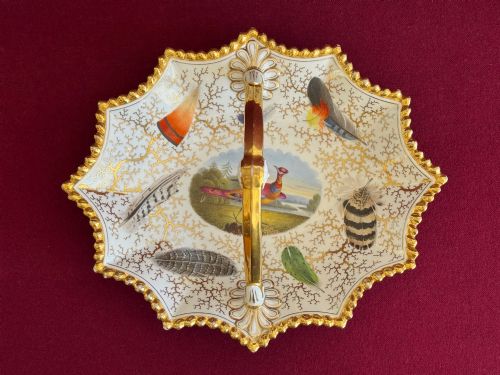
On porcelain items, quality is determined by the precision of the hand-painted enamel details and the crispness of the gilded borders applied by the pottery.
H & R Daniel·Edward Ladell·William Henry Ward·Coalport·Thomas Steele·Vincent Clare·Helena Maguire·Chamberlain Worcester·Flight Barr And Barr·Kpm·Samson Of Paris·John Robertson Reid·Evelyn Chester·Oliver Clare·George Clare·Auguste Braekevelt
The 19th Century Fruit Painting Glossary
- Comport
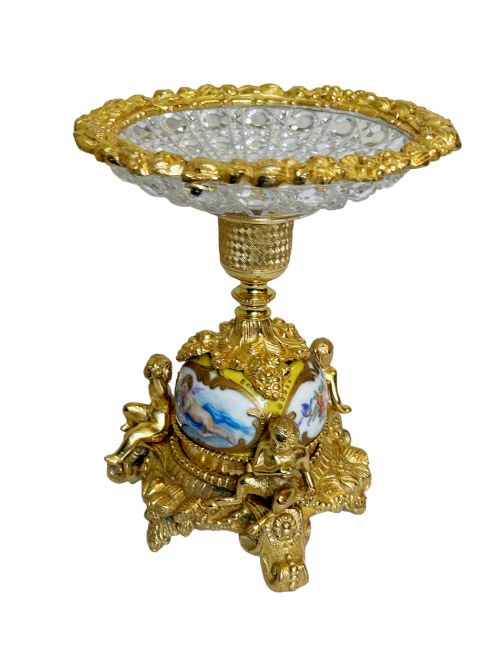
- A raised decorative dish used for serving fruit or sweets on a dining table.
- Giltwood
- Wood that has been coated with a thin layer of gold leaf or gold paint, frequently seen on period picture frames.
- Famille Rose
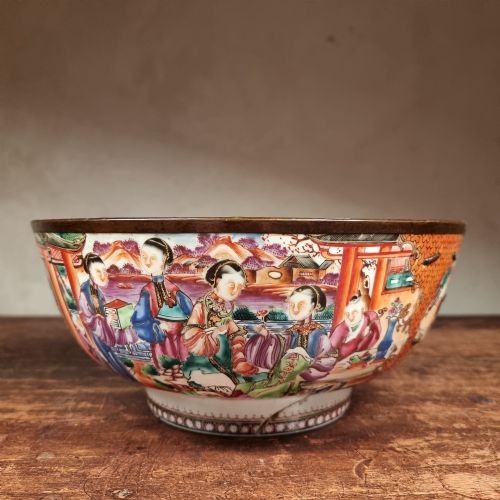
- A Chinese ceramic palette characterised by opaque pink enamel colours, prominent on export porcelain bowls.
- Gouache
- An opaque watercolour medium that provides dense, vibrant pigment in works on paper.
19th Century Fruit Painting: Frequently Asked Questions
Where were these painted?
These works originate from British, French, Dutch, German, and Chinese workshops and studios active during the eighteen-hundreds.
Artists worked both within established continental schools and prominent British regional pottery centres.
How do I display an oil painting?
Oil works on canvas or wood panel benefit from placement away from direct sunlight and excessive humidity.
Matching the original giltwood or wooden frame helps preserve the structural integrity of the piece.
What is a tazza?
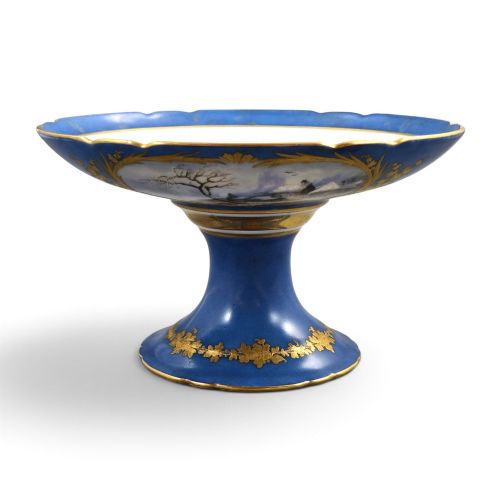
A tazza is a shallow decorative saucer or plate mounted upon a central foot or pedestal.
In nineteenth-century ceramics, these pieces frequently featured hand-painted botanical or fruit motifs.
Are ceramic pieces signed?
Porcelain items from major factories often bear factory backstamps or pattern numbers rather than individual artist signatures.
Specialist decorators like Thomas Steele painted specific plates at factories such as Derby.