



Traditional Dining Room Artwork
Traditional dining room artwork brings character to walls through oil paintings of fruit and interiors.
Traditional Dining Room Artwork
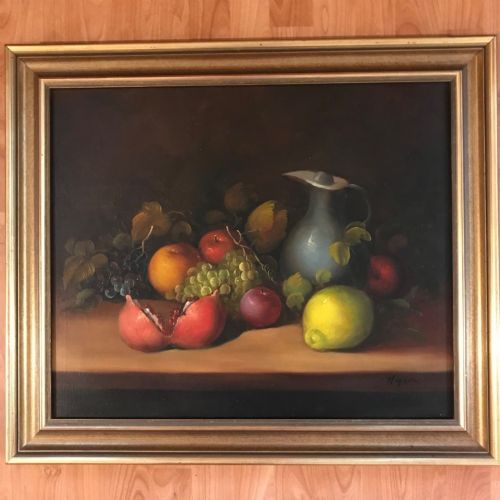
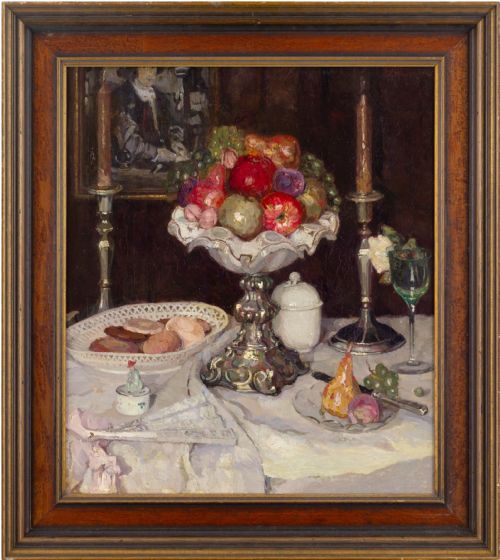
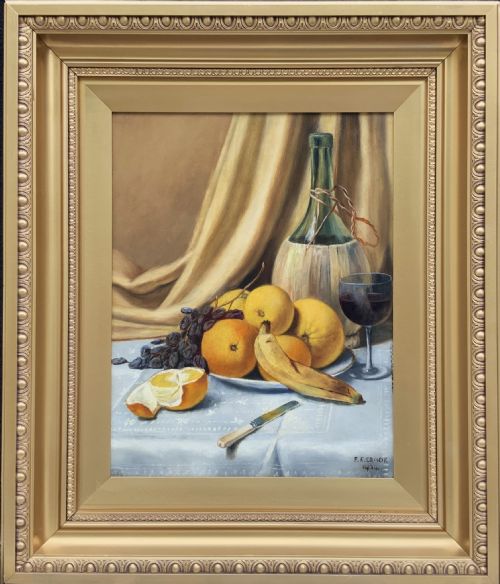
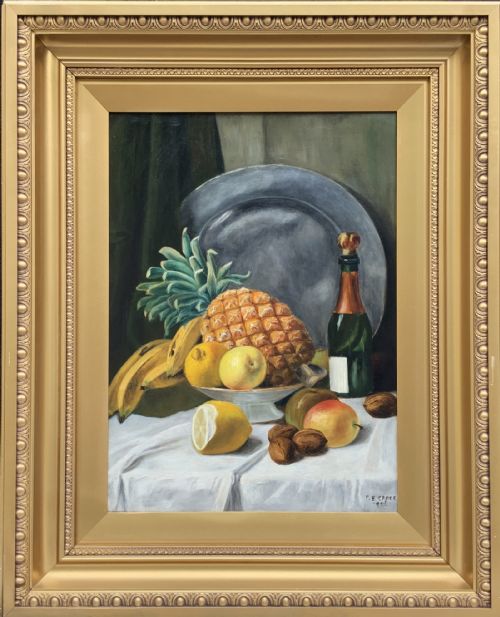
Traditional dining room artwork encompasses oil paintings on canvas depicting still life fruit, baskets, and interior scenes. These pieces anchor a room with classical compositions spanning the Victorian, Edwardian, and mid-twentieth century periods.
The selections on this page lean heavily towards still life fruit studies rendered in oil paint, often housed within gilt or wood frames. Viewers encounter works attributed to named artists alongside signed original compositions.
Forms range from intimate fruit studies to large canvas works and paired Victorian hand-painted panels. Each piece contributes a settled atmosphere suited to a formal dining space.
How these pieces were made
Makers utilised oil paint applied to canvas supports, building up rich colour values and textures in the depiction of fruit, jugs, and tableware. This medium allowed artists to achieve subtle tonal gradations and depth.
Works are typically mounted in wood frames, frequently enhanced with gilt finishes that complement the warm palettes of the paintings. The combination of oil on canvas and a solid frame ensured longevity for domestic display.
Traditional Dining Room Artwork Retail Price Guide 2026
Typical asking prices for traditional dining room artwork among the pieces listed under this phrase on Sellingantiques today, from the lower quarter to the upper quarter. They describe what is for sale here now, not the wider market.
Listings span from eighteen-fifty through to nineteen-sixty, using oil paint on canvas within wood and gilt frames.
What varies in quality
Quality rests upon the handling of light and form within the oil paint, distinguishing masterly brushwork from more mechanical studio output. The convincing rendering of texture in fruit and ceramic surfaces separates superior examples.
The integrity and period appropriateness of the wood or gilded frame also influence the overall standing of a piece. Original artist signatures and legible provenance add further weight to a work.
Else Preußner·John Exley
The Traditional Dining Room Artwork Glossary
- Oil on Canvas
- A traditional painting medium where pigments suspended in oil are applied to stretched fabric. This technique allows for rich blending and enduring colour.
- Still Life
- An artwork depicting inanimate subject matter, typically everyday objects such as fruit, vessels, and candlesticks. It remains a staple genre for dining room decoration.
- Gilt
- A thin layer of gold leaf or gold paint applied to wood frames. This finish adds reflective warmth and a formal appearance.
- Classical Realism
- An artistic approach focused on accurate representation of the physical world. It prioritises precise drawing and observational truth.
Traditional Dining Room Artwork: Frequently Asked Questions
What subjects suit a dining room?
Fruit and tabletop still life arrangements have traditionally hung in dining spaces to complement the room's function. These compositions often feature familiar domestic objects like jugs and biscuits.
Interior scenes depicting cottage dining rooms also appear in this category, offering a narrative element for wall display.
How do I identify period frames?
Victorian and Edwardian frames display specific joinery techniques and gilding methods characteristic of their era of manufacture. Examining the reverse of the wood reveals the age of the construction.
Original frames usually show honest signs of age that match the canvas they enclose.
Are these paintings signed?
Several works carry artist signatures, such as pieces by John Exley or Else Preußner. Signed originals provide a direct connection to the creator.
Unsigned paintings still offer strong stylistic markers relating to nineteenth and twentieth-century traditions.
How should I clean an oil painting?
Dust accumulation on canvas and frames requires gentle removal with a soft, dry brush. Professional conservators should handle deeper cleaning of the oil paint layer.
Avoiding moisture and direct sunlight preserves the stability of the canvas and gilt surfaces.