
Antique French Wooden Armchair
An antique french wooden armchair brings substance and historical character to a room, offering comfortable seating shaped by centuries of craftsmanship.
Antique French Wooden Armchair
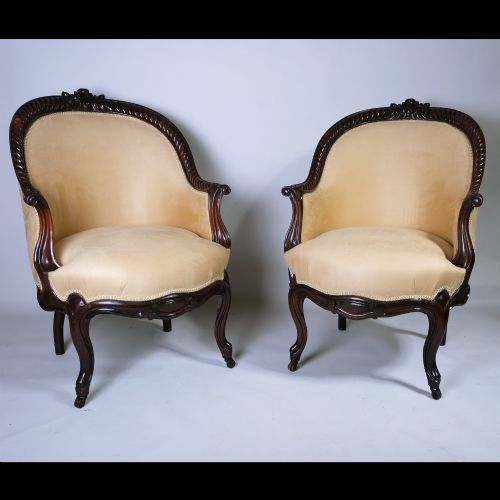
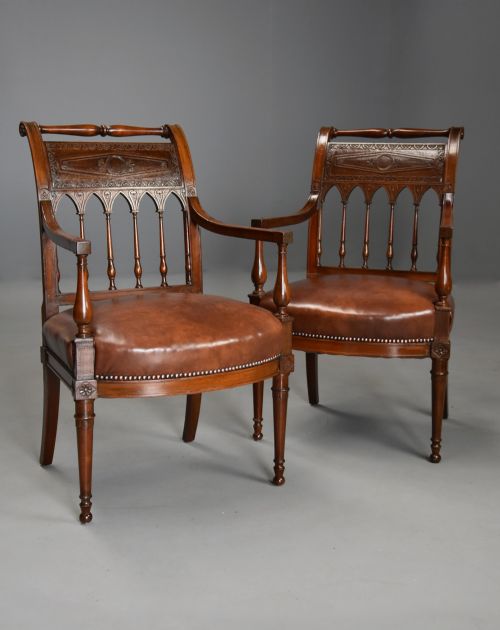
An antique french wooden armchair spans centuries of seating design, ranging from formal court aesthetics to relaxed provincial forms. These chairs appear across various periods, notably the eighteenth and nineteenth centuries, reflecting shifts in taste from elaborate Baroque carvings to restrained neoclassical lines.
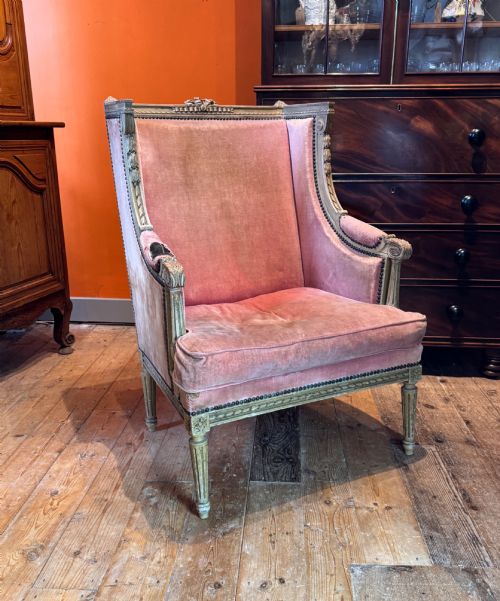
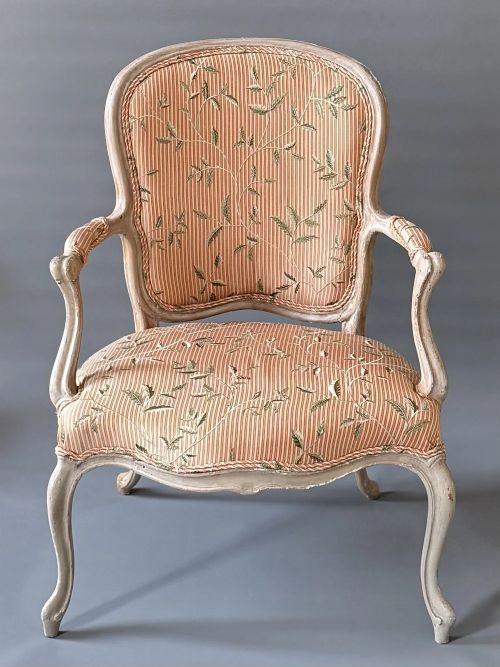
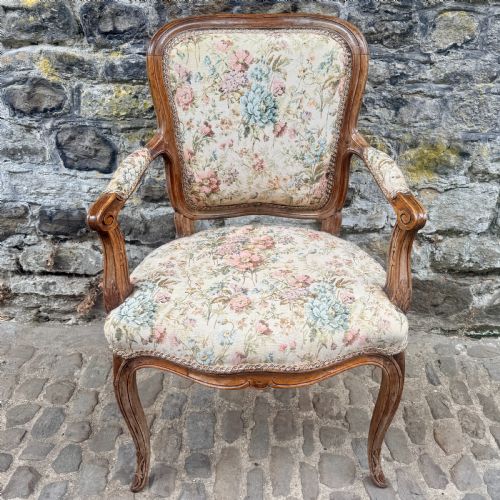
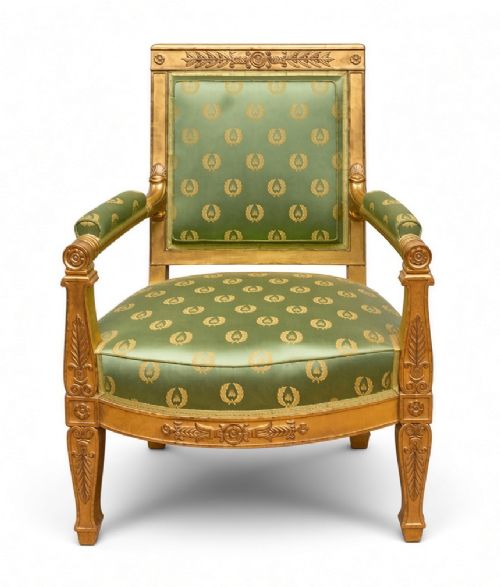
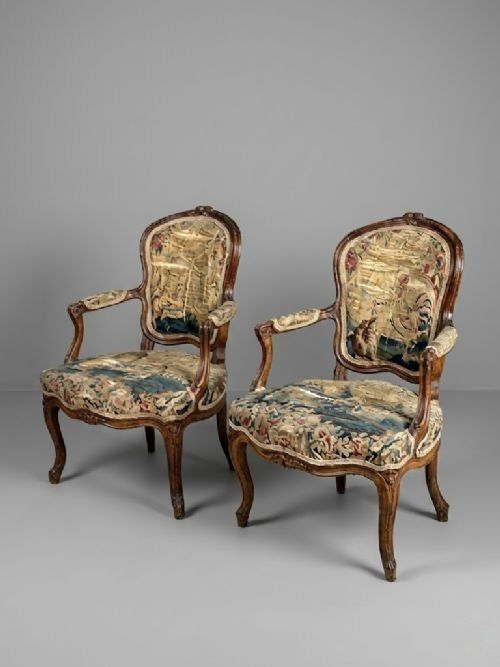
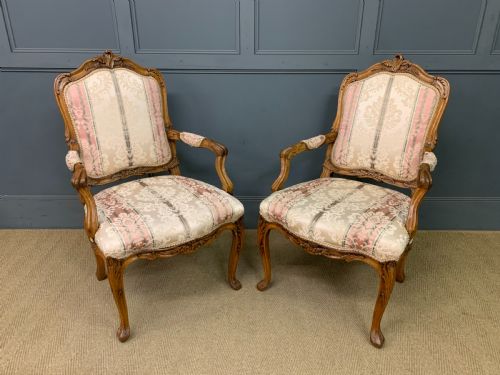
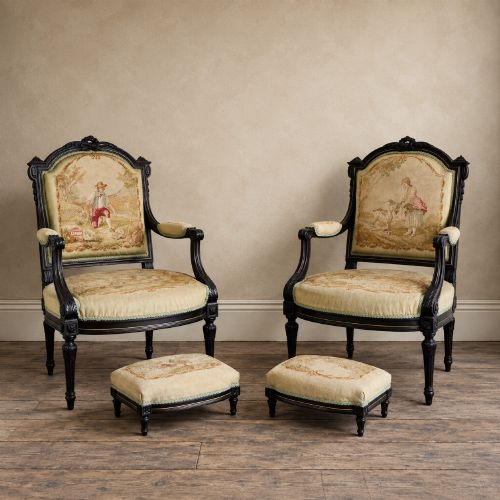
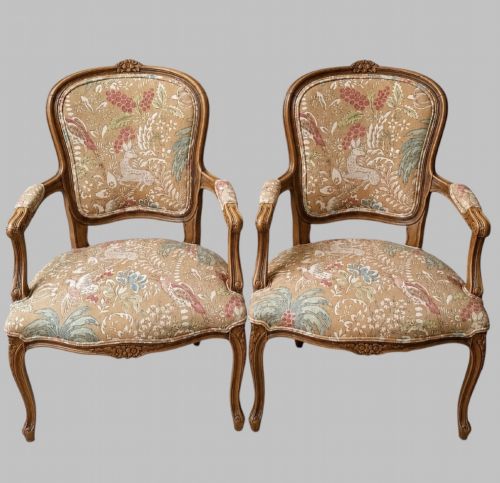
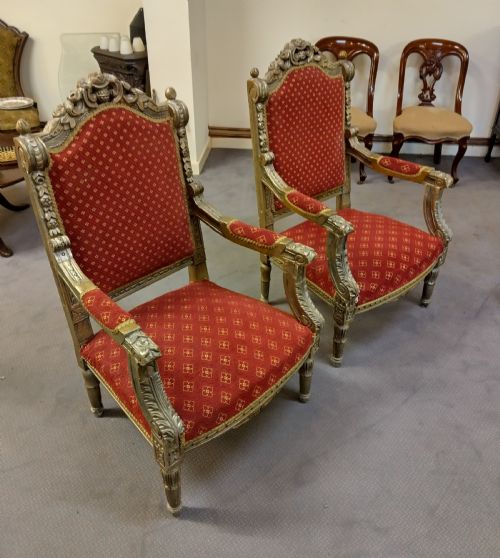
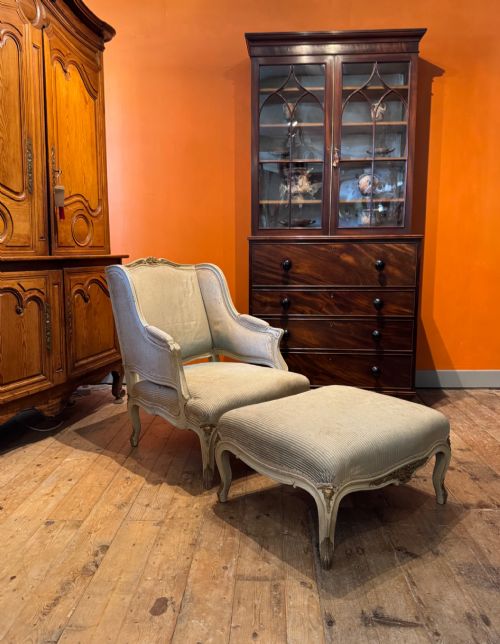
The versions most commonly met on this page include Louis XV and Louis XVI revival styles, alongside provincial walnut frames and painted finishes. Buyers encounter open armchairs, known as fauteuils, as well as enclosed bergères and occasional deck chairs from the early twentieth century.
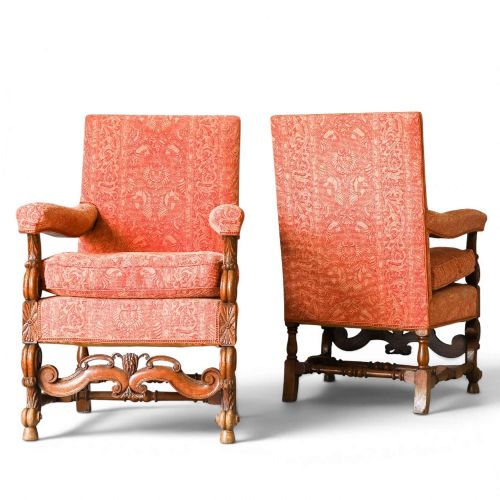
Makers and workshops utilised sturdy timbers to build robust frames that survived generations of domestic use. Regional variations introduce distinct regional characteristics, such as Breton styles or carved oak constructions that highlight local cabinet-making traditions.
How They Were Made
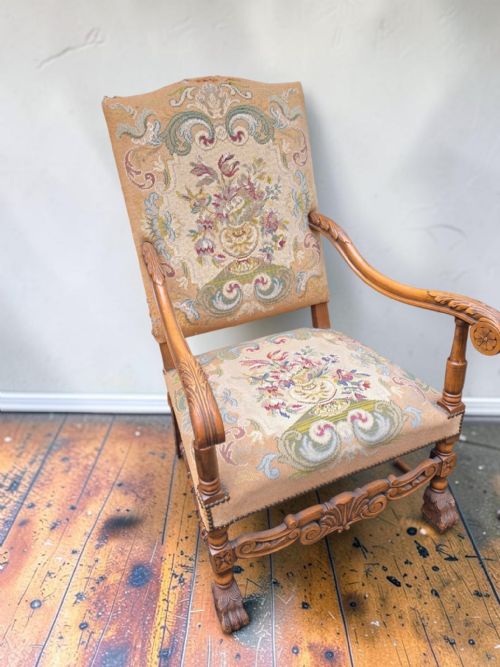
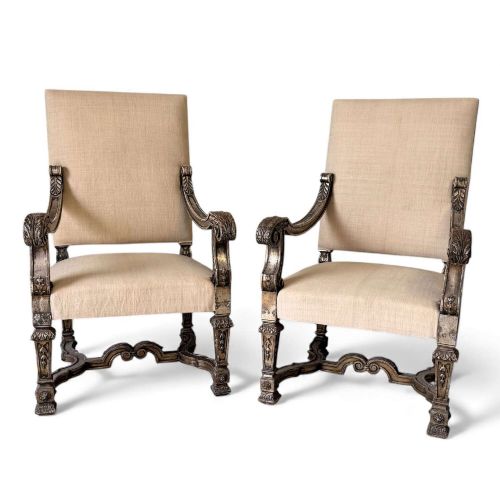
Joiners and cabinet-makers shaped structural frames predominantly from dense hardwoods such as walnut, beech, and oak, utilising mortise and tenon joints for stability. These wooden skeletons were often carved by hand with floral motifs, scrolls, or fluted legs depending on the prevailing style of the period.
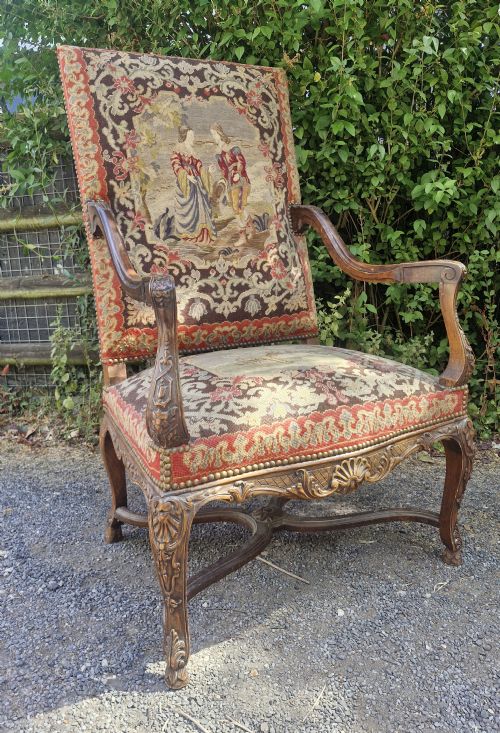
Surface treatments varied from polished wood and ebonised beech to gesso and original paint finishes, sometimes enriched with giltwood. Upholstery techniques involved webbing and stuffing applied directly to the frame or drop-in seats, subsequently covered in needlework, tapestry, velvet, or brocade.
Listings feature pieces spanning from the 18th century through the 1930s, utilising walnut, beech, oak, and giltwood.
What Varies In Quality
The distinction between ordinary and exceptional pieces lies in the crispness of the hand carving and the integrity of the timber frame. Superior examples display deeply undercut wooden ornament and smooth, harmonious proportions that reflect the rigorous standards of metropolitan workshops rather than provincial repetition.
Survival of original surface treatments, such as early paint layers or period gilding, significantly elevates an example. Furthermore, pieces retaining authentic period upholstery or needlework tapestries hold greater historical coherence than those subject to modern re-covering.
Jacob-Desmalter
The Antique French Wooden Armchair Glossary
- Fauteuil
- An open-arm armchair with upholstered back and seat, typically featuring exposed wooden arms and carved frame details.
- Bergère
- An enclosed upholstered armchair with solid upholstered sides and a loose seat cushion, originating in the eighteenth century.
- Giltwood
- Timber coated with a thin layer of gold leaf over a prepared gesso ground, frequently used on formal salon seating.
- Caned
- Woven rattan or split cane panels used for chair backs or seats to provide a lightweight, flexible surface.
- Tapisserie
- Woven textile panels, often needlepoint or Aubusson, used to cover the back and seat of formal chairs.
Antique French Wooden Armchair: Frequently Asked Questions
What is a fauteuil armchair?
A fauteuil is an open-framed French armchair characterised by upholstered armrests and exposed wooden structure. These chairs gained prominence during the seventeenth and eighteenth centuries for use in formal salons.
Craftsmen carved the walnut or beech frames with decorative motifs that matched contemporary interior styles. They combine structural rigidity with cushioned comfort for daily seating.
Are these chairs comfortable for daily use?
Many antique armchairs offer supportive seating due to traditional webbed upholstery and sprung or stuffed bases. Their ergonomic proportions were designed for long periods of conversation and relaxation.
Maintenance of the internal webbing and padding determines the current feel of the seat. Buyers often appreciate the generous proportions found in nineteenth-century revival models.
What is the difference between provincial and court styles?
Provincial chairs were made in regional workshops outside Paris, featuring simpler construction and local timbers. They often exhibit charming irregularities and less elaborate carved ornamentation.
Court styles followed metropolitan fashions closely, utilising sophisticated gilding, precise joinery, and expensive fabrics. Both types offer durability, but court pieces prioritize formal elegance.