

Antique French Wall Plates
These antique french wall plates bring together decorative porcelain chargers, tin-glazed faience, and metal display pieces that transform an interior wall.
Antique French Wall Plates
When searching for antique french wall plates, buyers encounter a diverse selection centred on decorative porcelain, tin-glazed earthenware, and metal commemorative dishes. The pieces span the eighteenth, nineteenth, and early twentieth centuries, reflecting changing tastes from formal Louis-style dining ware to hand-painted cabinet displays.
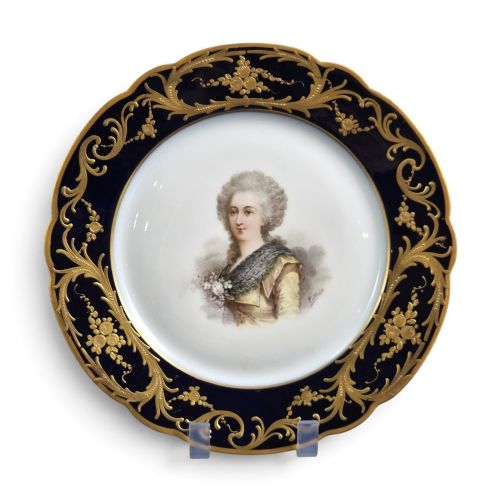
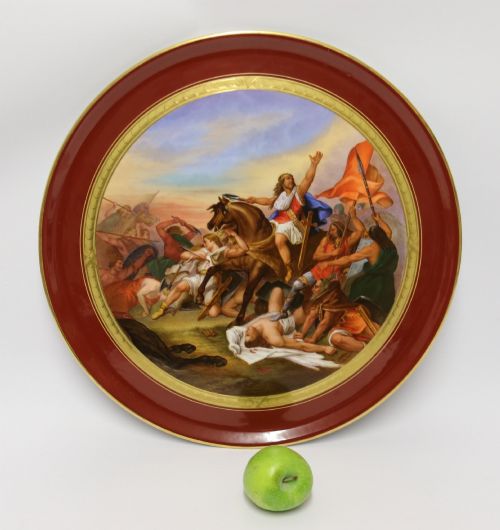
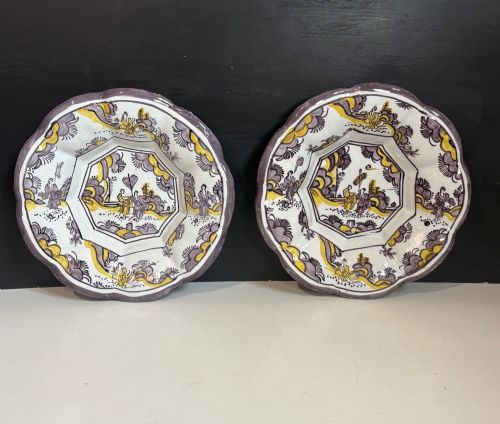
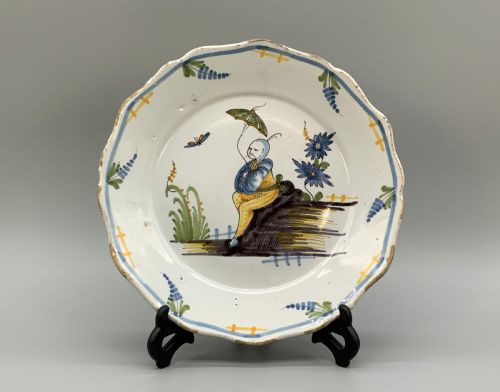
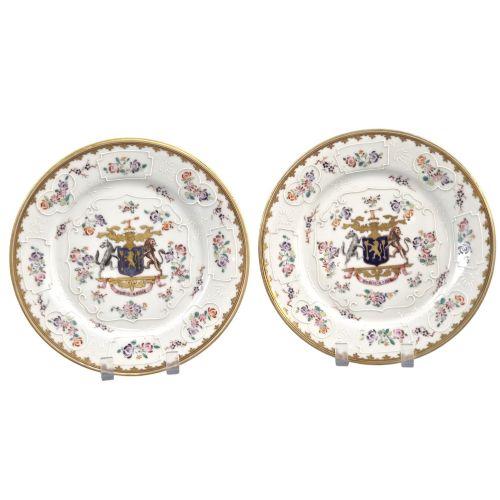
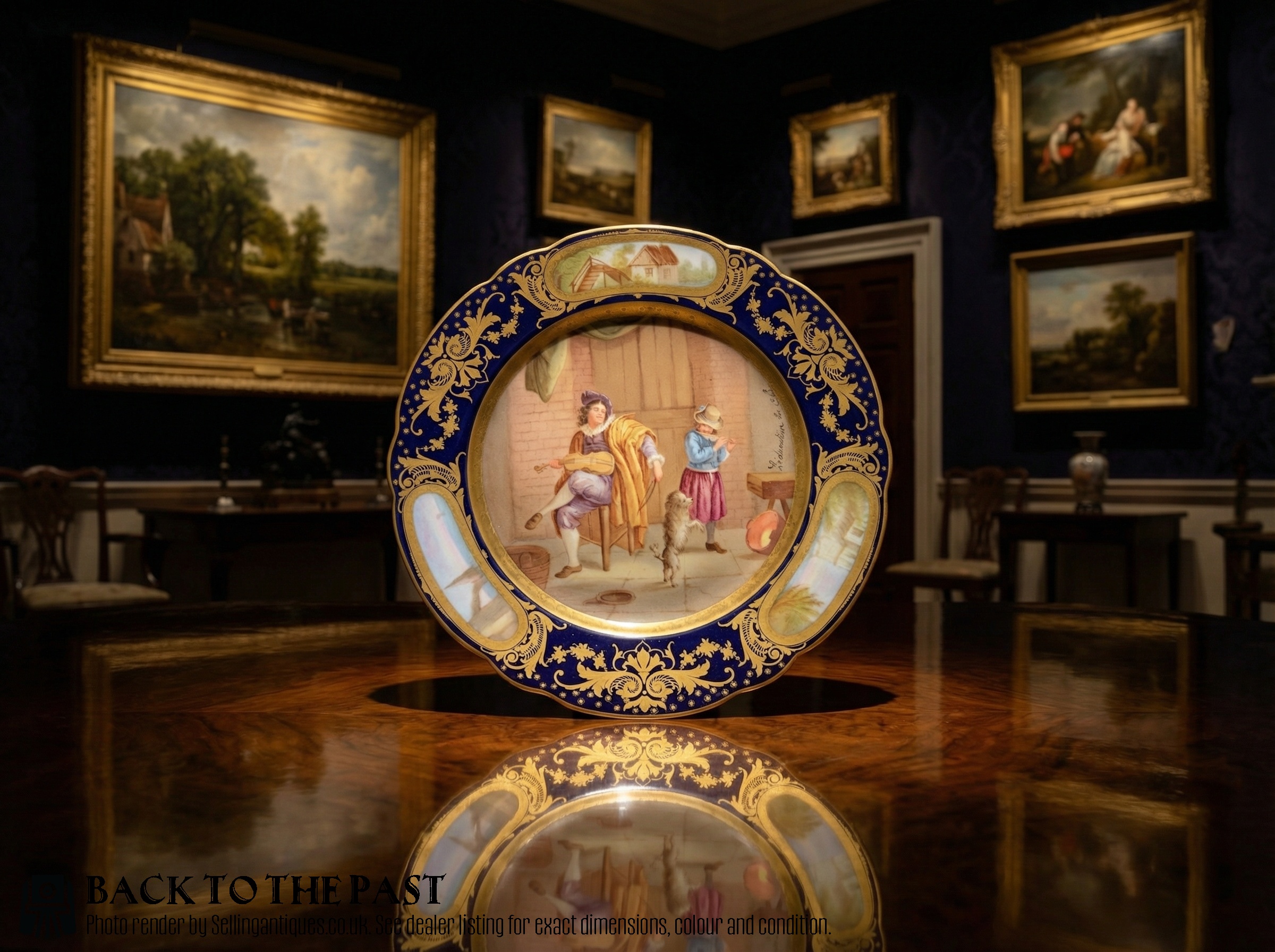
The category encompasses Paris porcelain chargers, tin-glazed faience dishes from centres like Desvres and Quimper, and metal plates cast with armorial motifs or royal portraits. Porcelain examples frequently feature hand-painted figural scenes or cobalt blue detailing, while earthenware vessels display traditional provincial patterns.
Most items survive from the nineteenth century, including Paris porcelain and various faience traditions, alongside eighteenth-century tin-glazed dishes and pewter commemoratives. These objects were designed both for formal display in reception rooms and as practical serving pieces that transitioned to wall decoration.
How they were made
Makers utilised traditional ceramic techniques, shaping soft-paste or hard-paste porcelain bodies and applying tin glazes to earthenware before hand-painting intricate subjects. Artisans employed cobalt, manganese, and polychrome enamels to build up portraits, armorials, and Chinoiserie landscapes directly onto the ceramic surface.
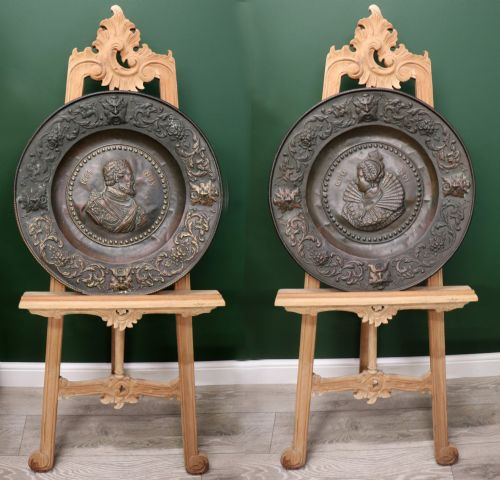
Metal plates and chargers relied on casting and plating methods, using copper, brass, pewter, and silver-plated brass to render relief ornamentation. Skilled metalworkers chased the surfaces to define portraits of historical figures and coats of arms with notable clarity.
Listings feature ceramics and metalwork spanning the eighteenth century through the 1920s, including Paris porcelain, Quimper faience, and pewter.
What varies in quality
Quality rests upon the crispness of the hand-painting and the depth of the modelling in both ceramics and cast metals. Superior porcelain plates display finely executed portraits and rich gilding, while better faience dishes exhibit confident brushwork and well-preserved tin glazes.
Edmé Samson & Cie·Darte Brothers·Pucher Deroche
The Antique French Wall Plates Glossary
- Faience
- Tin-glazed earthenware produced in France, typically decorated with hand-painted pigments over an opaque white glaze.
- Charger
- A large decorative plate or dish intended for display on a wall or sideboard rather than daily dining use.
- Armorial
- A plate decorated with a coat of arms or heraldic insignia associated with a specific family or institution.
- Chinoiserie
- A decorative style reflecting European interpretations of Chinese artistic traditions, common on eighteenth-century ceramic dishes.
Antique French Wall Plates: Frequently Asked Questions
How do I hang antique plates on the wall?
Utilise coated wire spring hangers that secure around the rim without causing damage to the ceramic or metal body.
Ensure the wall fixing engages securely with a stud or proper wall plug to support the weight of denser porcelain and metal chargers.
Are these plates safe for serving food?
Antique ceramic and metal plates are best reserved for display rather than culinary use due to historical glazes and composition.
Cleaning should be limited to gentle dusting or careful wiping with a dry cloth to protect delicate hand-painted surfaces and gilding.
What is the difference between porcelain and faience?
Porcelain is a vitrified, hard-paste or soft-paste ceramic fired at high temperatures, offering a translucent body and smooth finish.
Faience is a tin-glazed earthenware that presents an opaque, white background suitable for colourful painted folk designs.
How do I identify eighteenth-century pieces?
Eighteenth-century examples often display characteristic tin glazes, hand-mixed pigments, and subtle irregularities from early kiln firings.
Examining the foot ring and reverse of the plate reveals unglazed paste and wear patterns consistent with age.