
Antique French Vase
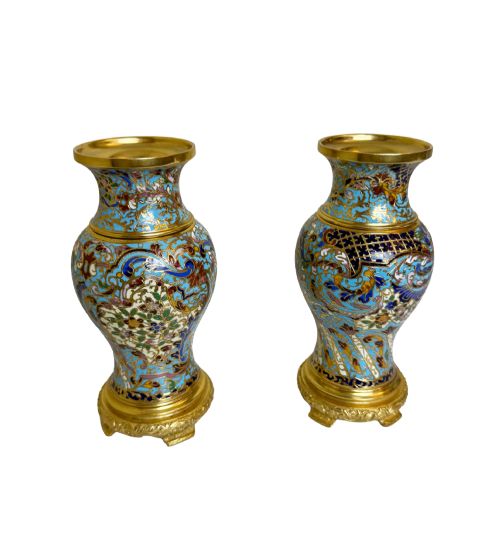
When acquiring an antique French vase, you invite the sculptural elegance of nineteenth-century porcelain, bronze and cameo glass into your interior.
Antique French Vase
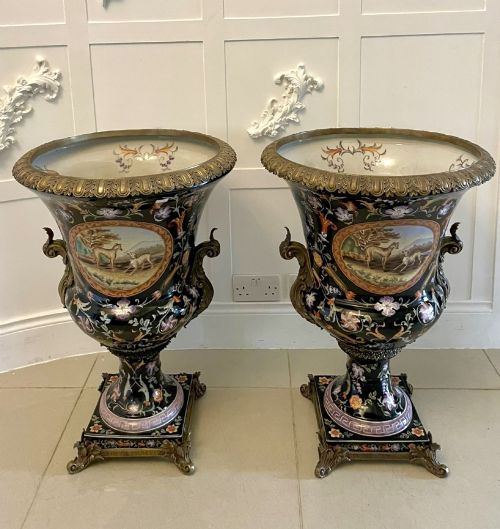
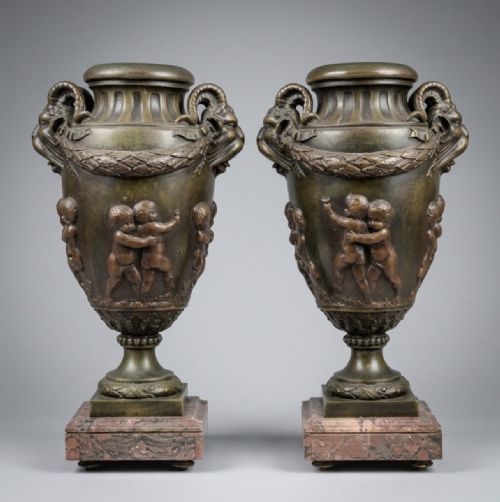
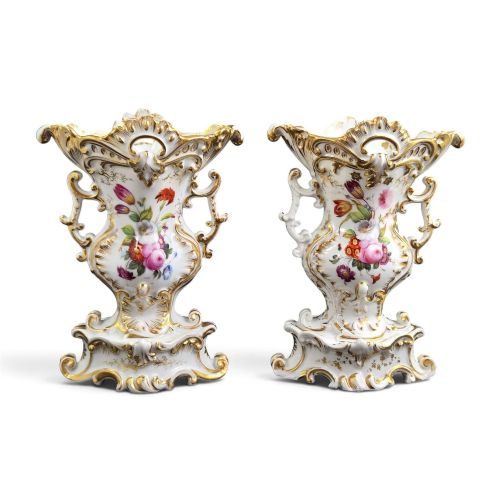
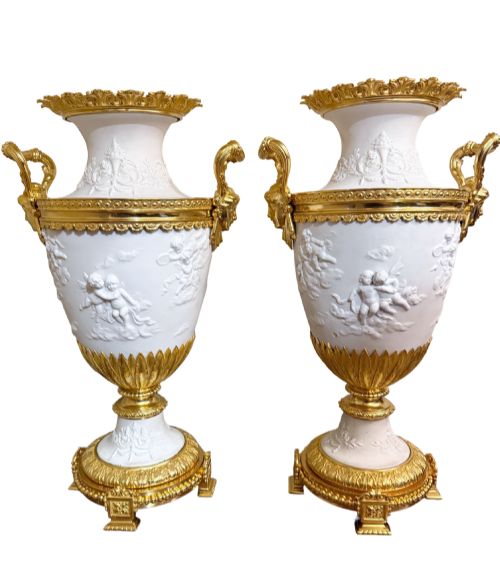
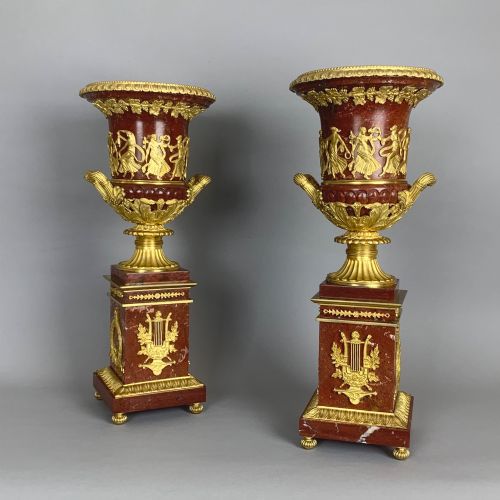
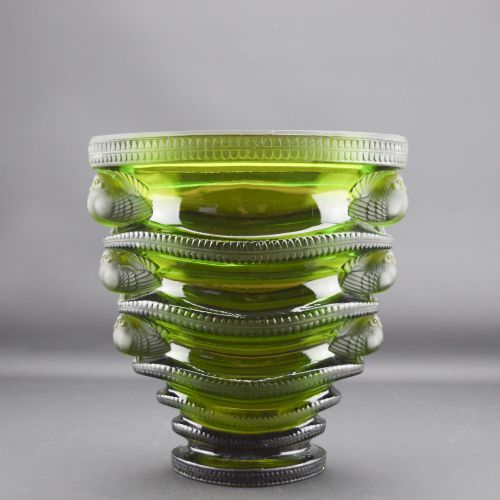
The search for an antique french vase reveals a rich variety of decorative forms originating from workshops across France, spanning the nineteenth and early twentieth centuries. Pieces range from grand porcelain urns mounted in gilt bronze to delicate glass vessels shaped during the height of the Art Nouveau movement.
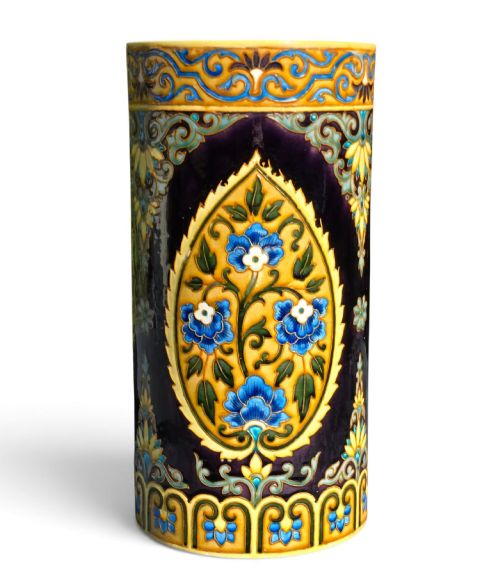
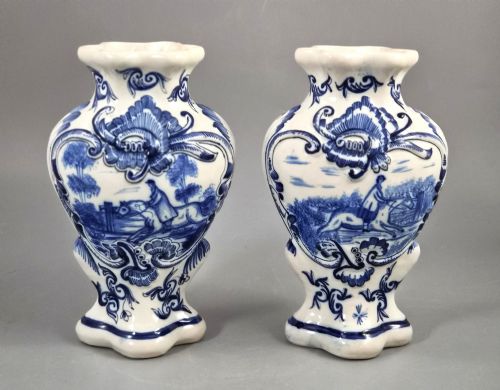
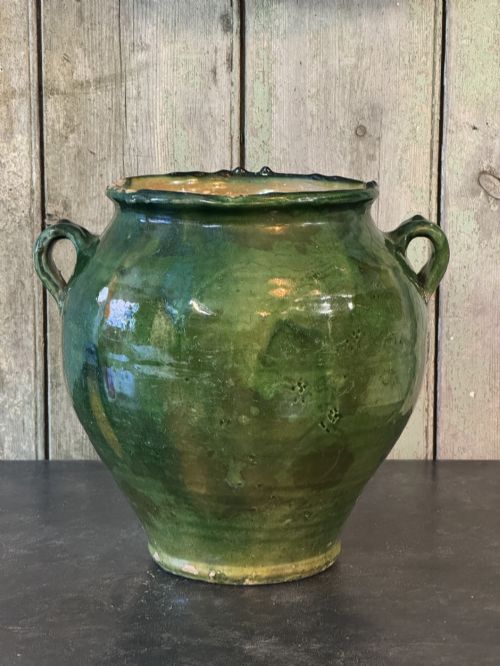
Buyers frequently encounter porcelain bodies finished in rich blue glazes, alongside earthenware faience and cast metal urns. These objects served diverse ornamental functions in period interiors, from traditional mantel garnitures to large floor-standing umbrella stands.
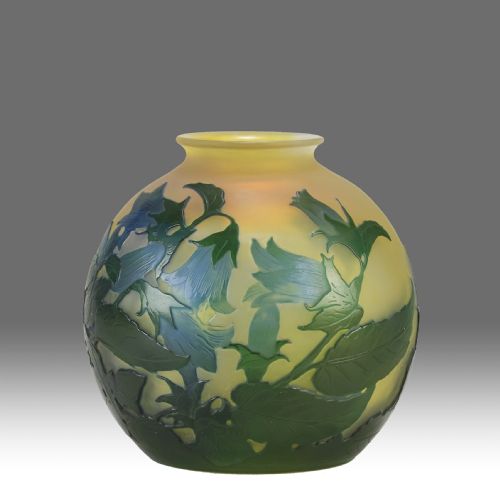
Stylistic influences shift from neoclassical revivals and ornate rococo designs to botanical motifs executed in acid-etched cameo glass. This broad spectrum reflects changing domestic tastes across successive decades of French decorative arts.
How they were made
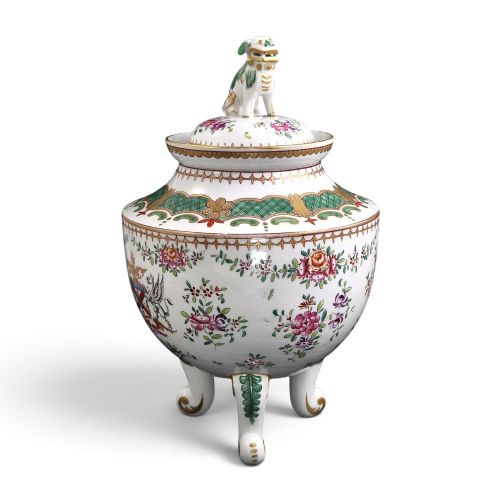
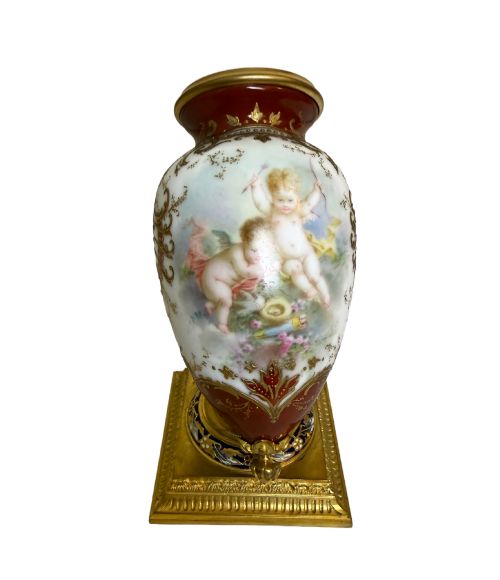
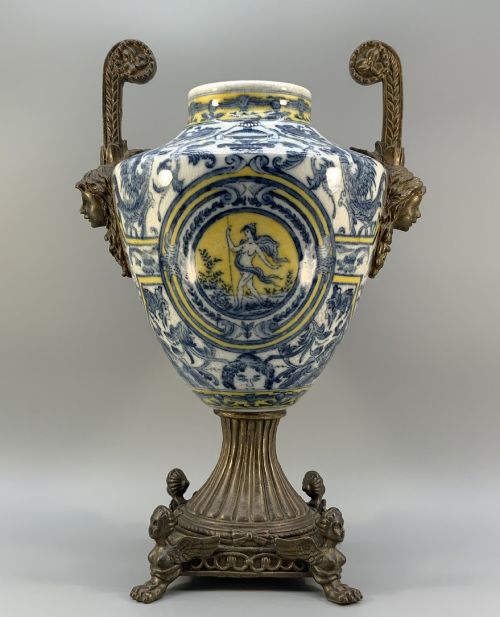
Porcelain and ceramic bodies were shaped, glazed, and hand-painted, often incorporating meticulous enamel work or armorial details before being fired in kilns. Many porcelain vessels were subsequently fitted with cast or chased gilt bronze, ormolu, and brass mounts.
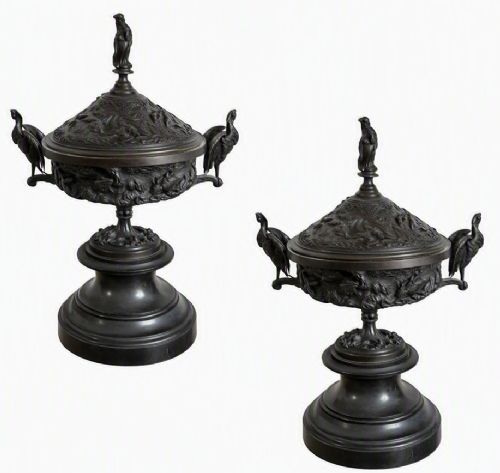
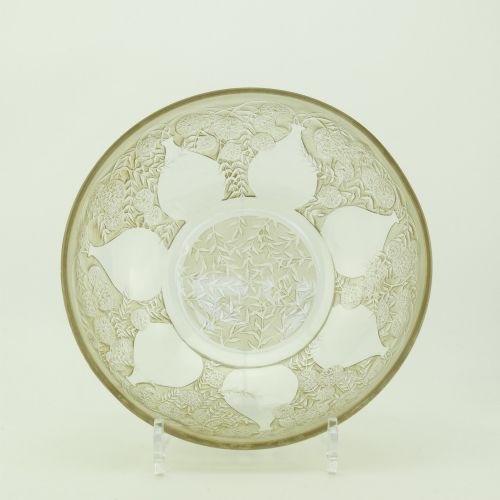
Glass vessels utilised techniques such as hand-blowing, acid-etching, and multilayered cameo carving to achieve depth and texture. Metal elements relied on bronze casting, spelter shaping, and mercury gilding to produce decorative bases and handles.
Listings feature nineteenth-century porcelain, gilt bronze, and cameo glass forms created across various French decorative movements.
What varies in quality
Quality rests upon the crispness of the casting in metal mounts and the precision of hand-painted or acid-etched details on glass and ceramic surfaces. Superior examples demonstrate a harmonious integration between the primary vessel and its secondary mounts or handles.
The reputation of the maker, whether a celebrated glass house or a prominent porcelain manufactory, dictates the standing of an individual piece within the field. Original gilding condition and the depth of colour in glazes further distinguish finer output from standard commercial production.
Rene Lalique·Emile Galle·Daum Freres·Samson Paris·Jacob Petit·Fourmaintraux-Courquin·Amalric Walter
The Antique French Vase Glossary
- Ormolu
- Gilded bronze mounts applied to furniture, ceramics, and vases. This technique involves fusing a mercury and gold amalgam to a bronze base through intense heat.
- Cameo Glass
- Glass vessels created by fusing layers of different colours and carving away the exterior layer to reveal a contrasting design. This method demands immense skill from the glassblower.
- Bleu Céleste
- A brilliant turquoise blue enamel colour famously utilised on porcelain bodies. It is strongly associated with eighteenth and nineteenth-century Sèvres aesthetic traditions.
- Spelter
- A zinc alloy frequently cast as an economical alternative to bronze. It was often given a bronzed finish to imitate heavier metal work on decorative urns.
Antique French Vase: Frequently Asked Questions
What is an ormolu mount?
Ormolu refers to finely cast bronze elements that have been heavily gilded with gold leaf or mercury gilt. These decorative mounts were added to porcelain and glass vases to enhance their luxury and visual impact.
Craftsmen meticulously fitted these metal collars, handles, and bases to the ceramic or glass bodies, frequently employing neoclassical motifs such as acanthus leaves and scrolling ribbons.
How do I identify cameo glass?
Cameo glass is characterised by raised designs that stand out in a contrasting colour against the background of the vessel. This effect is achieved by layering different coloured glass gathers and carving down through the exterior layers.
Master glassmakers utilised acid-etching alongside hand-carving wheels to reveal intricate floral or landscape scenes across the surface of the vase.
Where were these pieces displayed?
In period interiors, large decorative urns and vases were typically arranged upon mantelpieces as part of symmetrical garniture sets. They also stood on console tables, pedestals, and desks within formal reception rooms.
Certain robust forms, such as faience umbrella stands or heavy ceramic jars, were placed in hallways to hold walking sticks and dried botanical stems.
What defines Sevres style porcelain?
Sèvres style porcelain draws inspiration from the royal French manufactory, featuring rich coloured grounds like bleu céleste alongside elaborate gilt tracery and hand-painted reserves. These pieces often depict romantic landscapes or exotic birds within gilded cartouches.
Later nineteenth-century workshops frequently produced pieces in this aesthetic taste to satisfy the collector demand for eighteenth-century court luxury.