




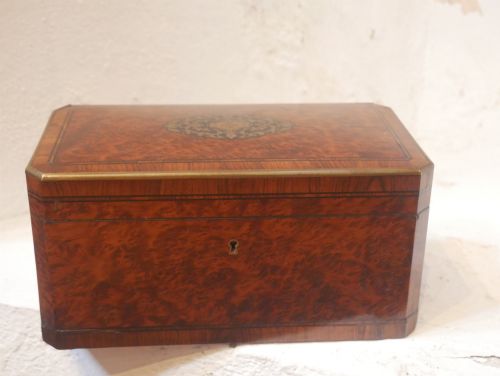
Antique French Vanity
An antique french vanity brings centuries of continental elegance and refined craftsmanship straight into a private bedroom or dressing space.
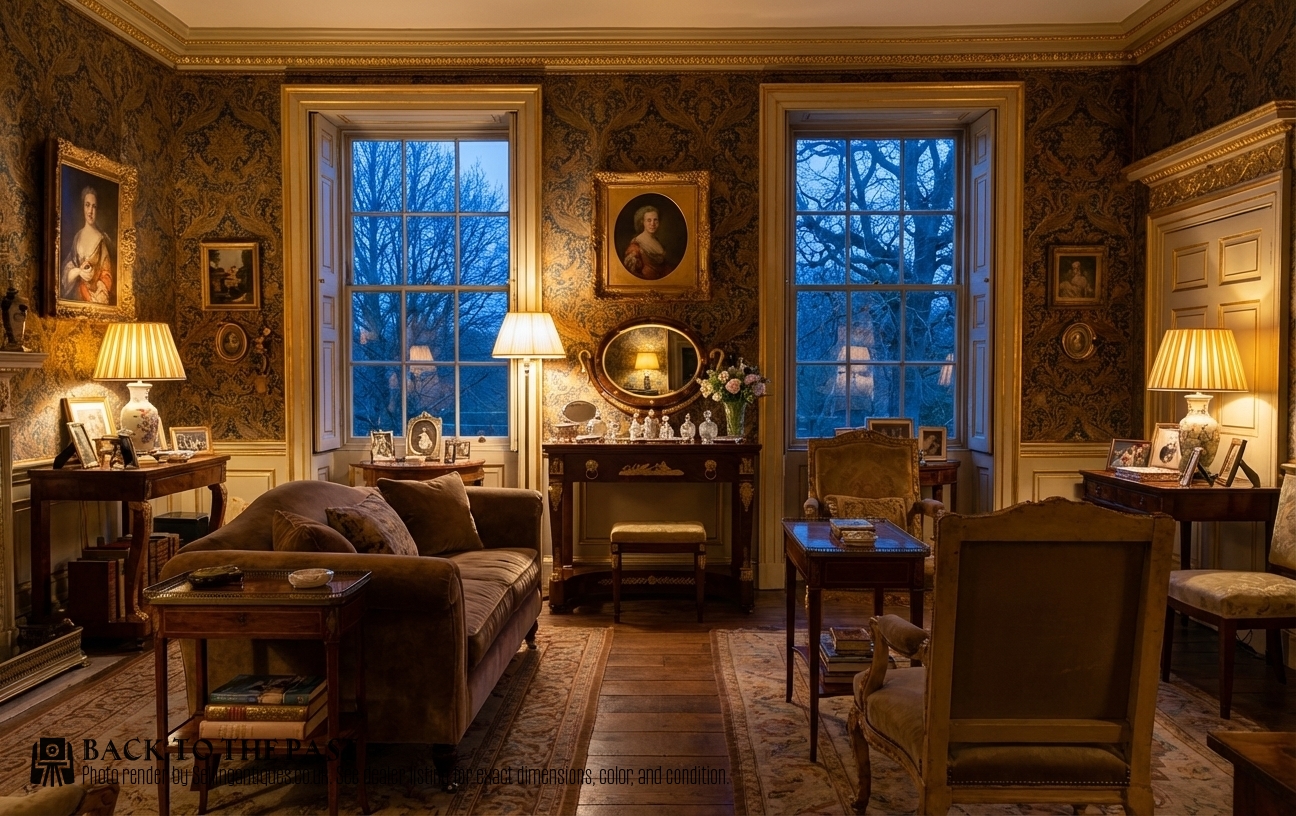
Antique French Vanity
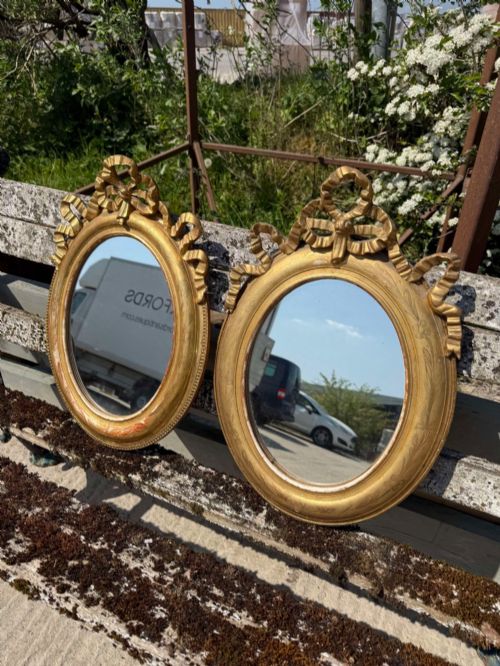
When you search for an antique french vanity, you are exploring a range of personal grooming furniture spanning several distinct periods and styles. These pieces function as dressing tables, washstands, or smaller vanity chests, designed for daily toilette and storage. The selection draws on traditions from the eighteenth century onwards, encompassing revival movements and empire designs.
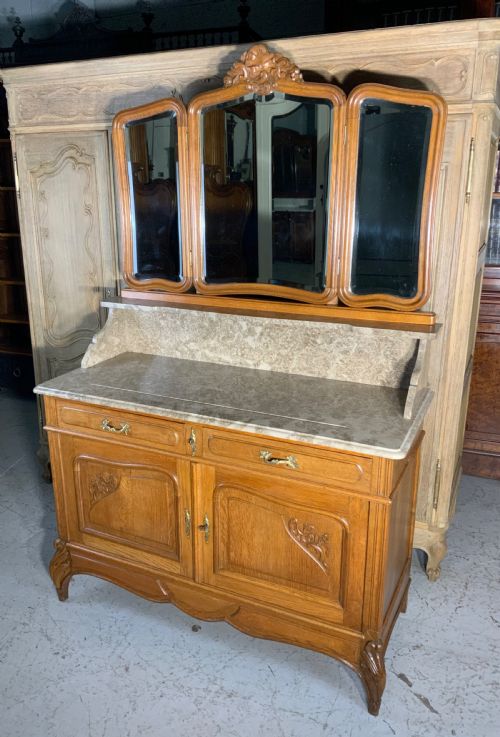
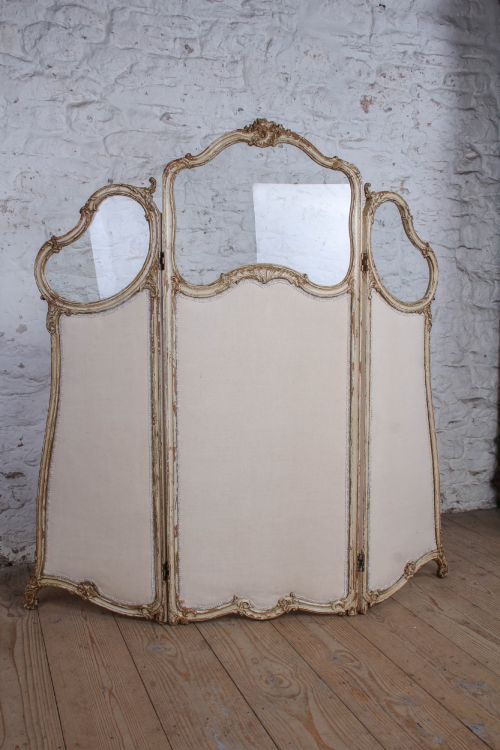
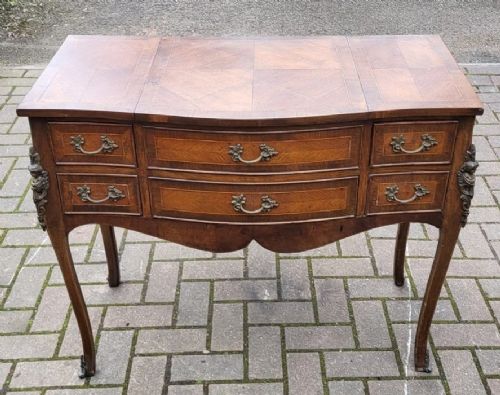
The version you are most likely to meet on this page is a nineteenth-century mahogany or marble-topped dressing table. Many examples incorporate brass or ormolu mounts, reflecting the enduring influence of Louis styles and the French Empire. Alongside larger tables, the record includes specialised vanity chests, gilt wood screens, and smaller occasional tables.
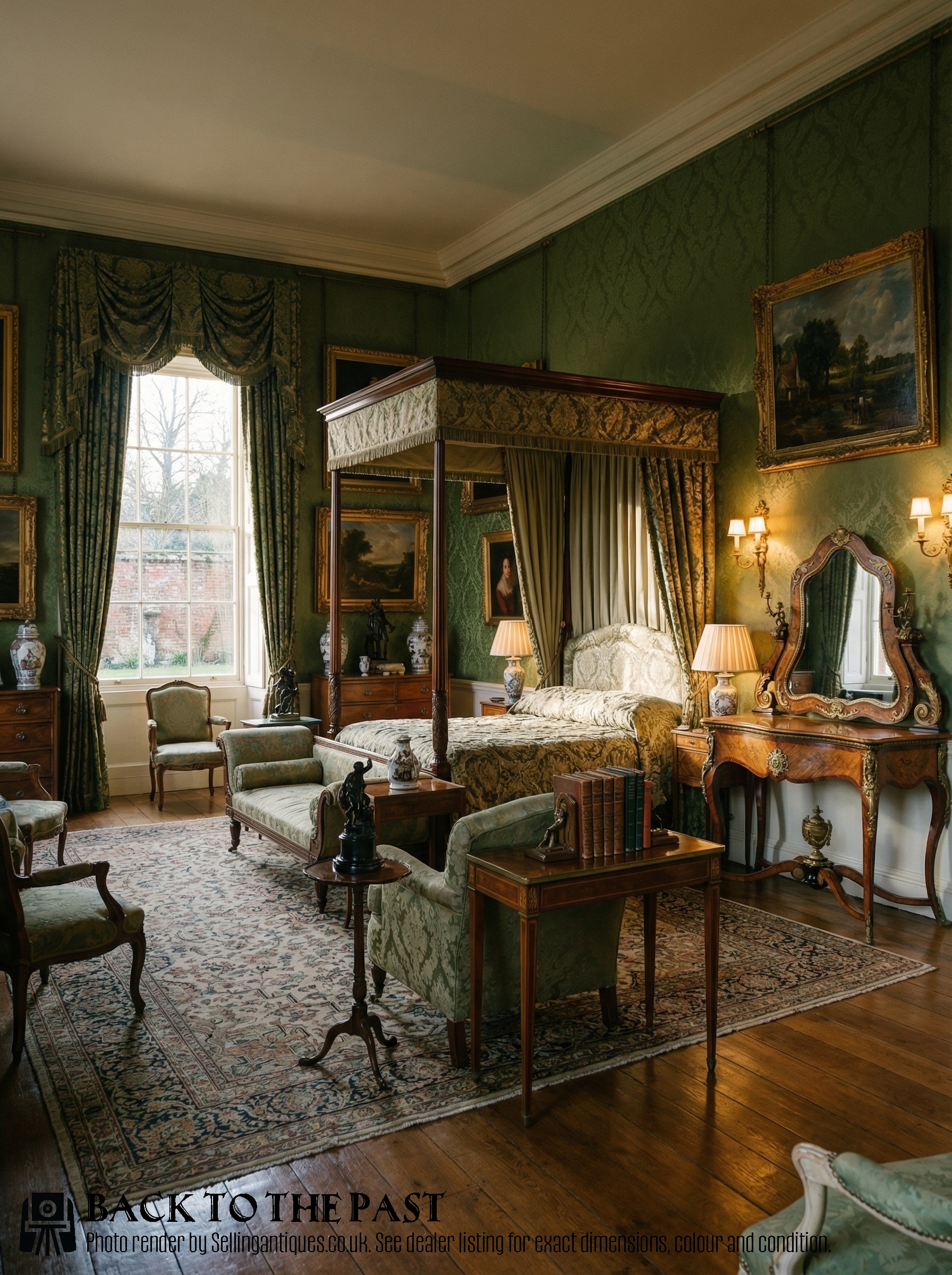
Materials and construction methods
Cabinetmakers utilised a variety of timbers including mahogany, walnut, tulipwood, birds-eye maple, kingwood, and oak. Surfaces often feature intricate marquetry inlay or painted decoration, paired with specialised structural framing. Faux-bamboo turning and carved gilt wood also appear across different regional workshops.
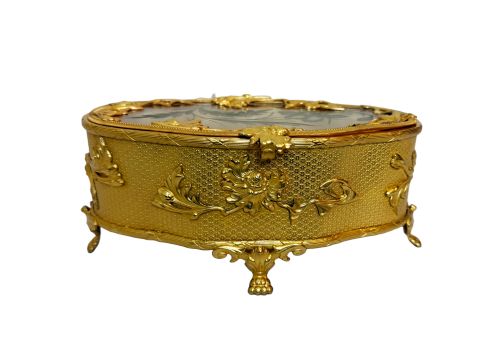
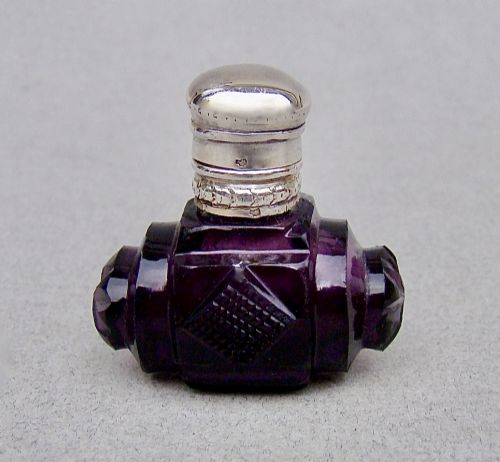
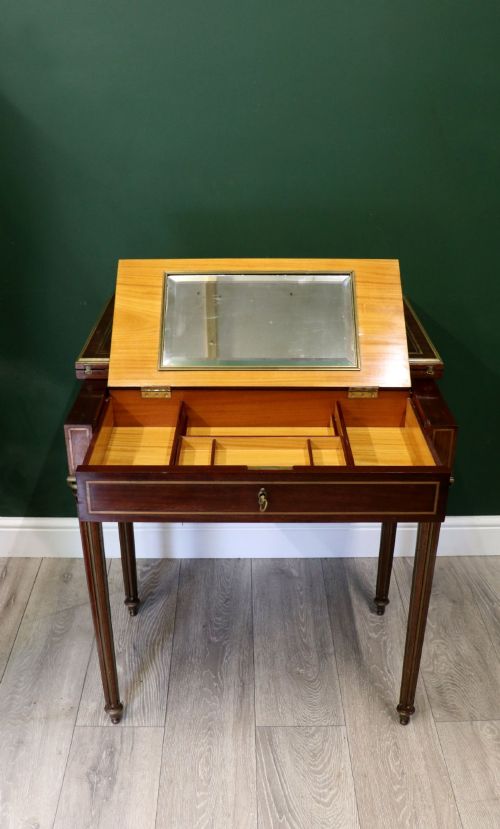
Many tables incorporate heavy marble tops, which required sturdy wooden carcases to bear the weight of stone surfaces. Metalwork plays a prominent role, with cast ormolu and brass mounts secured to the timber frames. Glass components, including swinging mirrors and dressing jar lids, complete the functional assembly.
Antique French Vanity Retail Price Guide 2026
Typical asking prices for french vanity among the pieces listed under this phrase on Sellingantiques today, from the lower quarter to the upper quarter. They describe what is for sale here now, not the wider market.
Listings feature mahogany, birds-eye maple, tulipwood, and oak alongside marble, glass, and ormolu mounts.
Assessing quality in continental furniture
Quality rests in the precision of the cabinetwork and the selection of fine veneers such as tulipwood or birds-eye maple. Superior examples display seamless marquetry patterns and well-balanced proportions that respect historical design canons.
The integration of decorative hardware separates standard production from finer work. Finely chased ormolu mounts and heavy, unblemished marble slabs indicate a higher grade of manufacture from established Parisian or regional makers.
Maison Pretot Paris·L. Dujat·Henri Lapeyre
The Antique French Vanity Glossary
- Ormolu
- Gilded bronze or brass applied as a decorative mount on furniture and decorative objects. It provides bright metallic contrast against dark timbers like mahogany.
- Marquetry
- The art of applying pieces of veneer to a structure to form decorative patterns and pictures. Cabinetmakers used contrasting woods to create complex geometric or floral motifs.
- Tulipwood
- A pale, striped timber prized for its decorative grain in eighteenth- and nineteenth-century furniture. It frequently appears in finely inlaid table surfaces.
- Cheval mirror
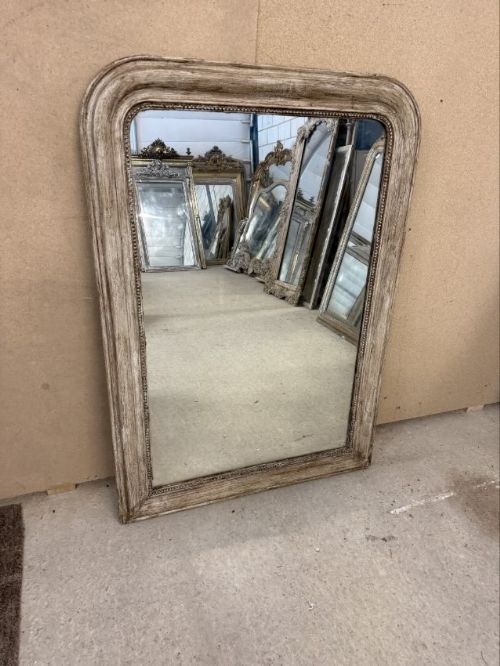
- A full-length plate glass mirror suspended on a vertical swivelling frame. These freestanding glasses allowed a complete view for dressing.
- Necessaire
- A fitted vanity chest or box containing compartments for small personal items like bottles and jars. They often feature luxury linings and metal hardware.
Antique French Vanity: Frequently Asked Questions
What is an antique french vanity?
An antique french vanity is a piece of historical continental furniture created for personal grooming, dressing, and the storage of cosmetics or jewellery. These items typically include dressing tables, washstands, and small chests originating from the eighteenth to early twentieth centuries.
They combine practical surfaces with decorative elements characteristic of French design periods such as the Empire and Louis styles. Materials range from solid mahogany and oak to exotic veneers adorned with marble and ormolu.
How do I identify the period?
Identifying the period involves looking at the prevailing design vocabulary, timber selection, and hardware used in the construction. Eighteenth-century pieces often display flowing lines and marquetry, while nineteenth-century Empire and revival pieces favor heavier symmetry and prominent brass mounts.
Changes in styling from classical revival to art nouveau shifts help narrow down the date of manufacture. Structural clues like joinery techniques and the presence of original mirror glass further support period attribution.
How were marble tops used?
Marble tops provided a durable, water-resistant surface on dressing tables and washstands where water and cosmetics were handled. The stone protected the underlying timber from spills and daily wear during toilette routines.
These heavy slabs were selected to complement the wood of the carcase, often contrasting dark mahogany or adding texture to lighter maple and walnut frameworks.
Where should I place it?
A vanity fits naturally into a bedroom, dressing room, or large bathroom where its surface and storage can be utilised daily. Freestanding mirror-backed versions work well against feature walls or near natural light sources.
Smaller occasional tables and vanity chests can serve as decorative accent pieces in hallways or sitting rooms while offering practical interior storage.