
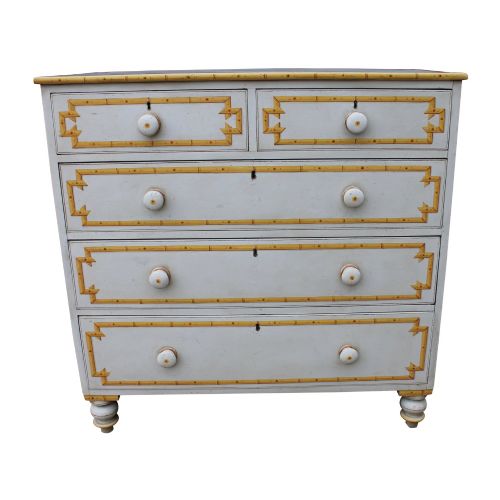
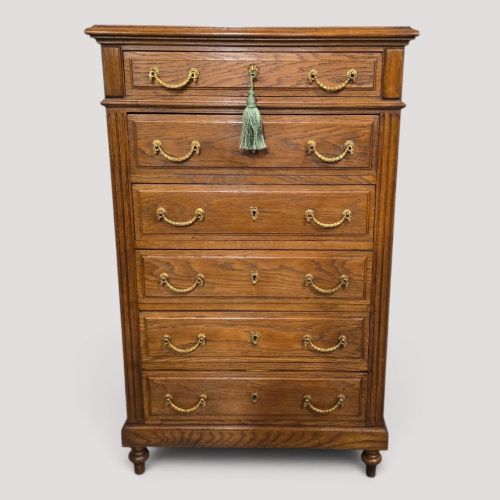
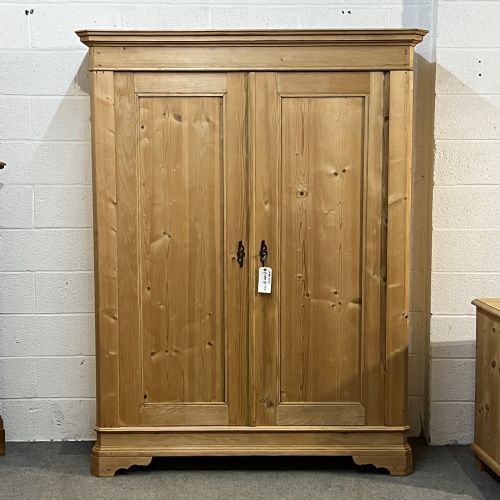
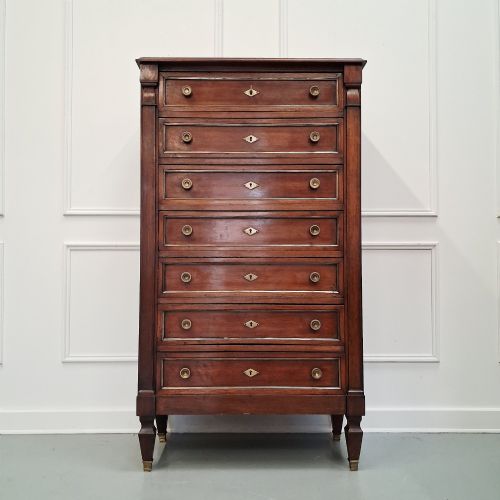
Antique French Tallboy
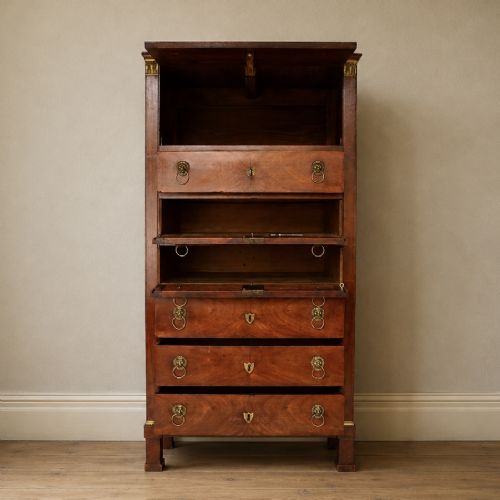
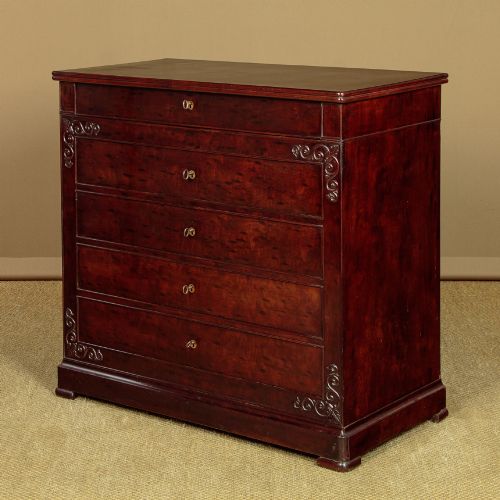
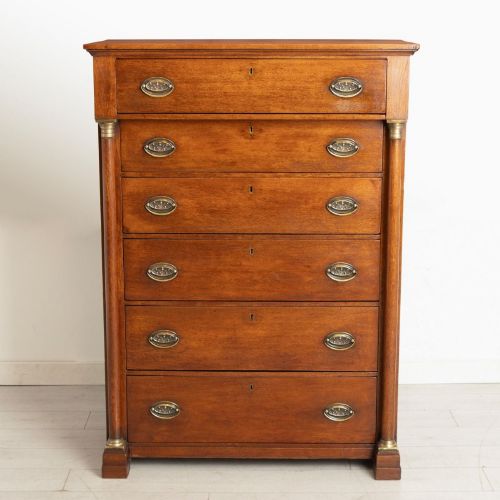
An antique french tallboy offers serious vertical storage with continental elegance, bringing proportion and deep mahogany, walnut, or burr walnut timber to a bedroom.
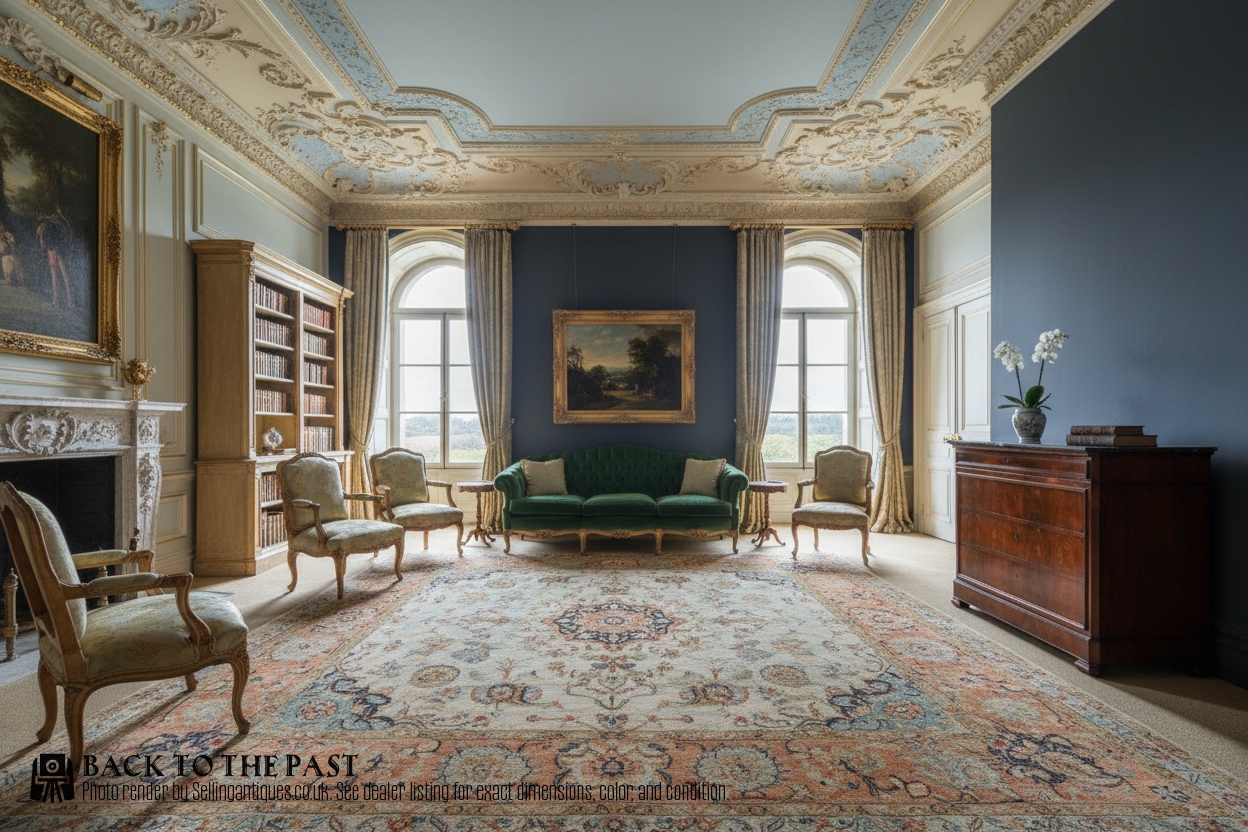
Antique French Tallboy
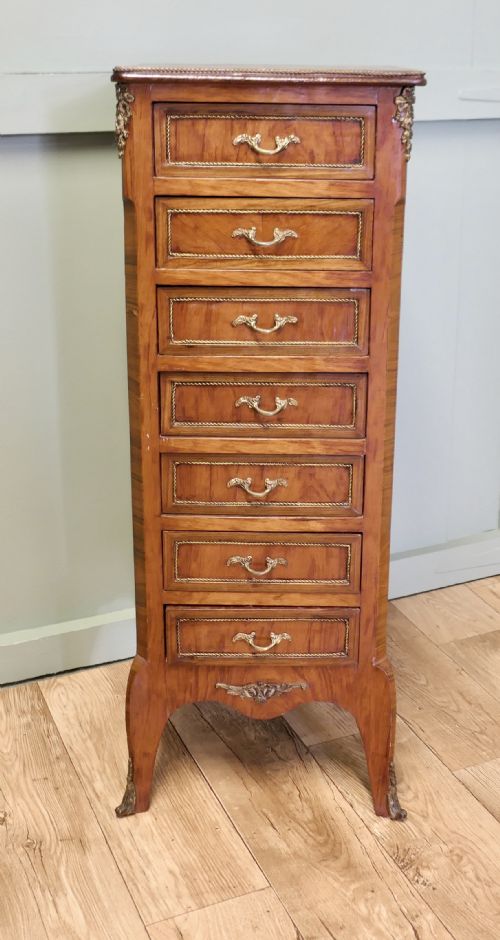
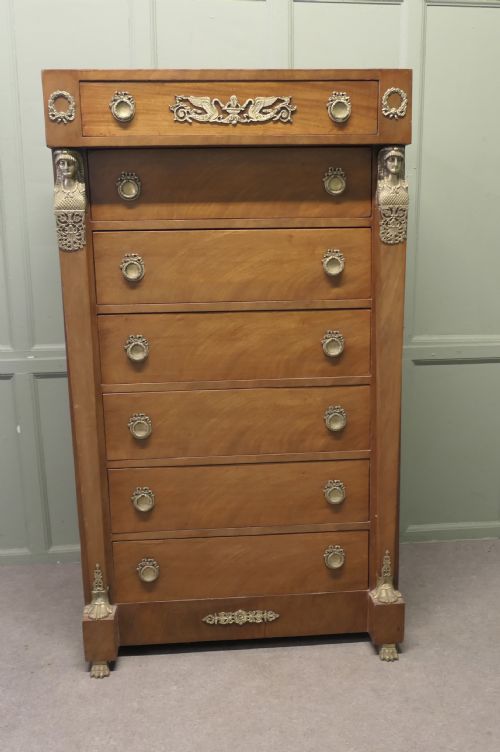
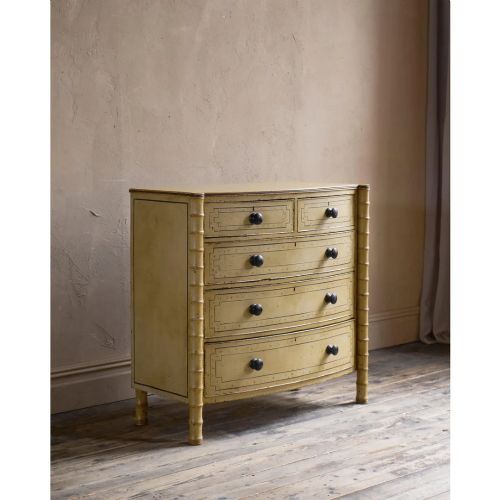
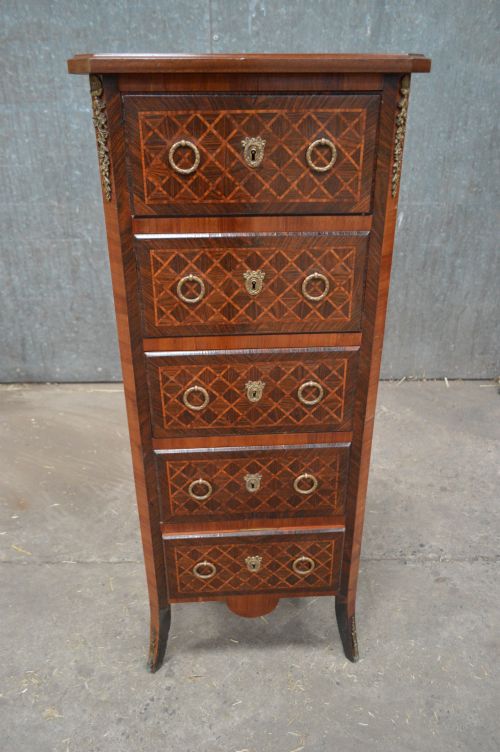
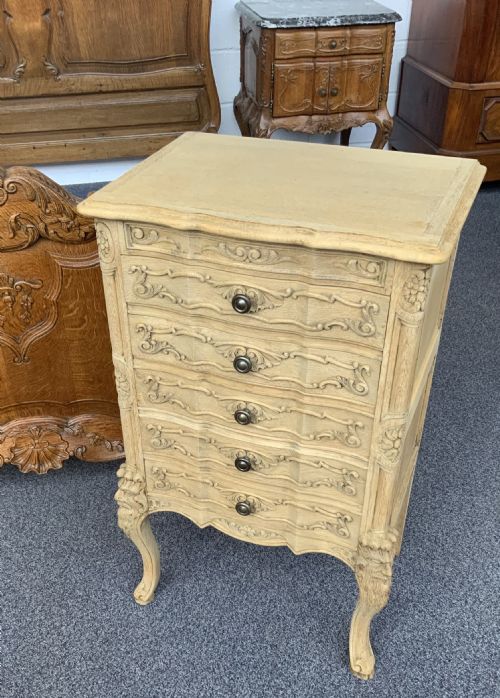
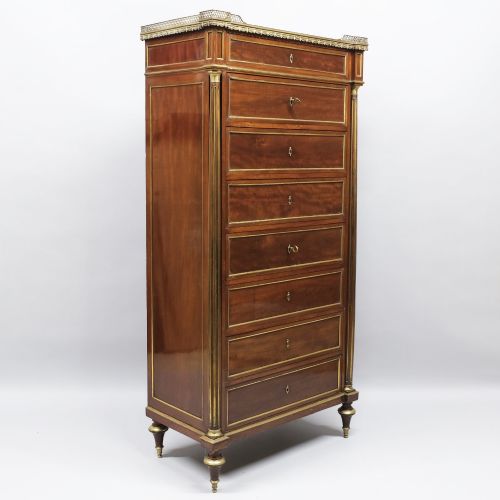
When you search for an antique french tallboy, you encounter narrow vertical storage forms such as the semainier, the Wellington chest, and tall chests of drawers spanning the eighteenth century to the 1930s. These pieces originate in styles ranging from French Empire and Louis Philippe to French Provincial, offering substantial capacity within a minimal floor footprint.
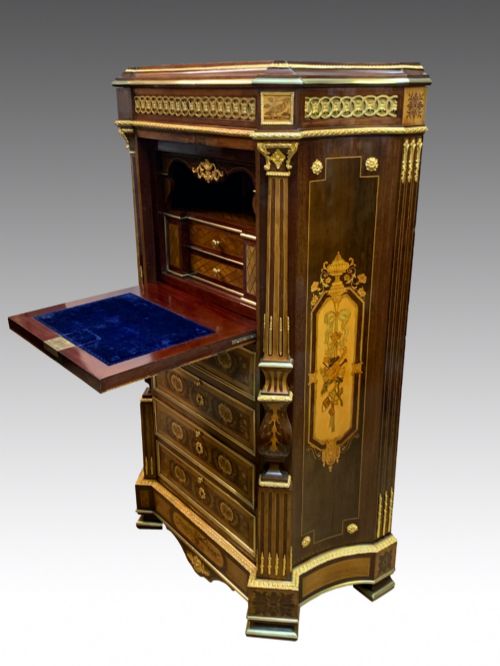
The selections on this page demonstrate considerable variety in regional design and timber choice, featuring walnut, mahogany, oak, and cherry. Alongside standard drawer configurations, you find specialised formats including secretary desks, side cabinets, and marble-topped pieces reflecting periods like the nineteenth century and the early twentieth century.
How they were made
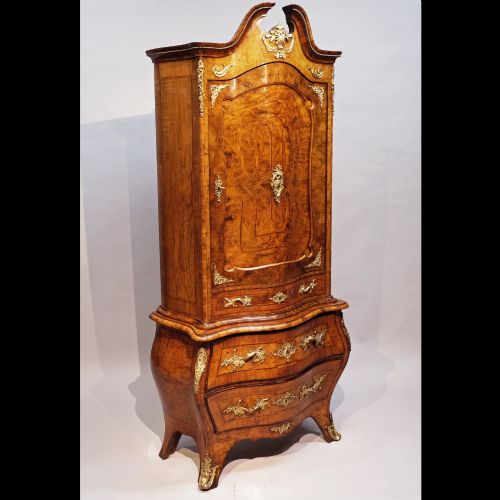
Cabinet makers utilised dense hardwoods including mahogany, walnut, and rosewood, frequently applying decorative veneers such as burr walnut, parquetry, and marquetry across drawer fronts and carcasses. Many examples incorporate contrasting timber inlays alongside gilt bronze mounts, ormolu, and brass details.
Surfaces frequently integrate polished marble tops in white or coloured stone, paired with structural elements of oak and pine. Construction methods span traditional dovetailing for drawers and precise joinery suited to tall, narrow proportions.
Antique French Tallboy Retail Price Guide 2026
Typical asking prices for french tallboy among the pieces listed under this phrase on Sellingantiques today, from the lower quarter to the upper quarter. They describe what is for sale here now, not the wider market.
Several tall chests feature secret locking bars and hidden compartments originally intended for private correspondence.
What varies in quality
Quality rests in the precision of the timber selection, visible in matched veneer grains and intricate marquetry or parquetry patterns. Superior pieces display crisp carving on oak or walnut frames and well-cast gilt bronze or ormolu mounts that integrate cleanly with the carcass.
The integrity of the structural joinery in tall forms dictates daily utility, alongside the original condition of fitted marble tops and functional locking mechanisms on pieces like semainiers and Wellington chests.
Maison Krieger·Galle
The Antique French Tallboy Glossary
- Semainier
- A tall, narrow seven-drawer chest traditionally designed with one drawer for each day of the week. This form is frequently encountered in nineteenth-century French walnut and mahogany.
- Wellington chest
- A tall, narrow locking chest of drawers secured by a hinged pilaster locking bar down one side. These pieces often feature fine mahogany or walnut construction.
- Ormolu
- Gilt bronze mounted ornamentation applied to furniture fronts and corners. It provides metallic contrast against dark woods like mahogany and kingwood.
- Parquetry
- Geometric wood-mosaic work used to decorate furniture surfaces. Craftsmen arrange small veneer tiles in patterns such as cubes or chevrons.
- Marquetry
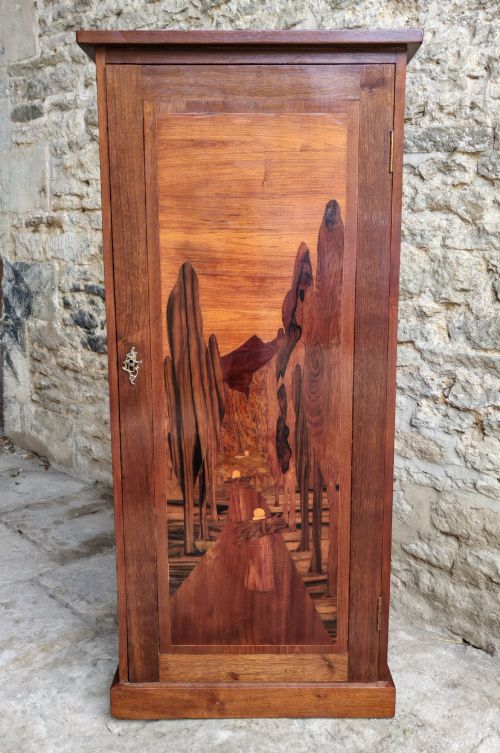
- Elaborate veneer work forming pictorial or decorative designs using various coloured woods. It appears frequently on panels of finer French cabinets and desks.
Antique French Tallboy: Frequently Asked Questions
What is a semainier?
A semainier is a tall, narrow chest of drawers designed with seven distinct tiers. The form originated in France to hold a week's worth of personal linen or correspondence.
In daily use, these pieces provide substantial vertical storage while occupying minimal floor space. They function effectively in bedrooms as dedicated linen storage or tall drawer units.
How do I style a tall chest?
Place the piece against a solid bedroom wall where its vertical proportions can anchor the room. The narrow footprint allows it to fit beside wardrobes or between windows.
Keep the upper surface uncluttered to showcase marble tops or wood grain. Pairing the piece with complementary oak or walnut furnishings maintains period consistency.
What woods were used?
Cabinet makers relied primarily on dense hardwoods such as mahogany, walnut, and rosewood. Burr walnut and kingwood veneers provided decorative surface pattern and rich colouration.
Secondary structural timbers commonly include oak and pine. Marble slabs frequently form durable upper surfaces on nineteenth-century examples.
How do I date a piece?
Examine the construction methods, drawer dovetailing, and secondary woods visible inside the carcass. Styles such as French Empire, Louis Philippe, and Biedermeier offer distinct chronological markers.
Hardware styles, timber choices, and decorative mounts like ormolu also indicate specific periods from the eighteenth century through to the 1930s.