

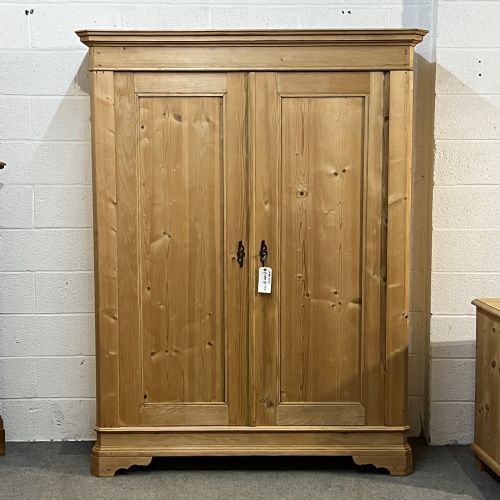
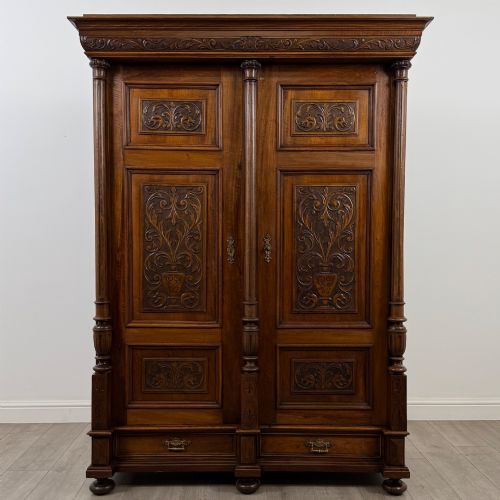
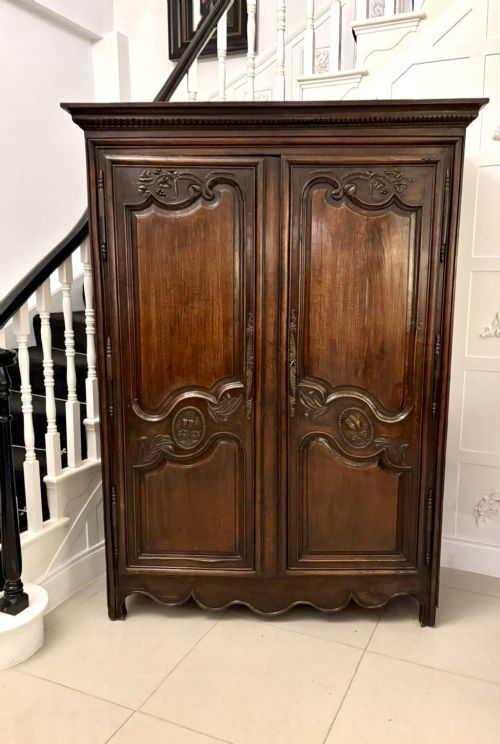
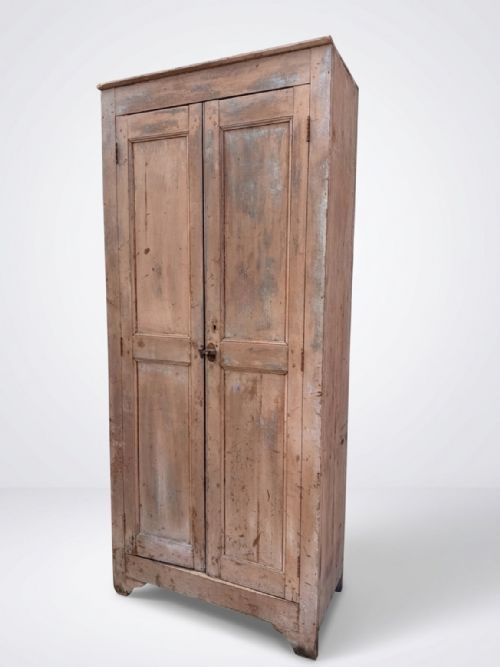
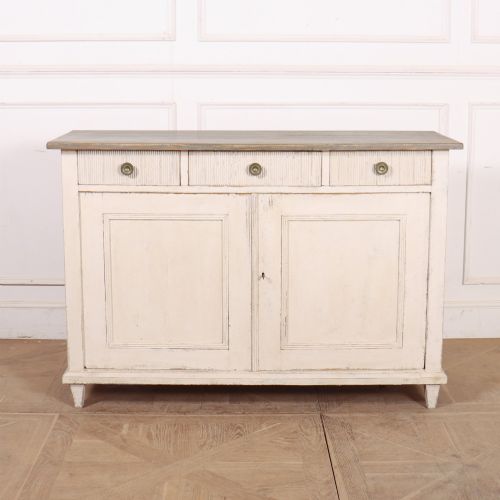
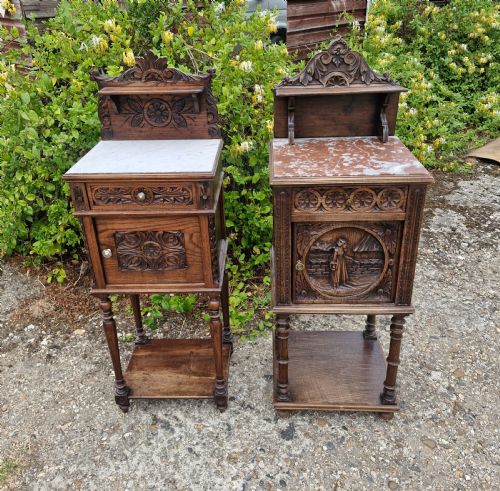
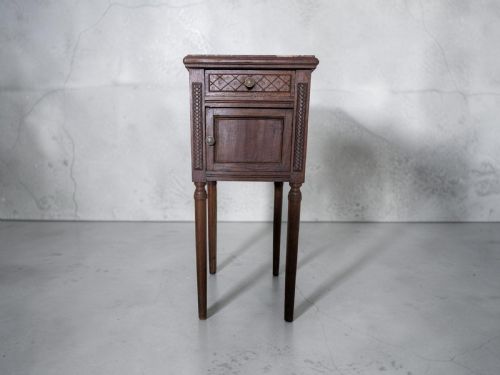
Antique French Storage Cupboard
When you search for an antique french storage cupboard, you encounter substantial timber furniture built to organise domestic life across centuries.
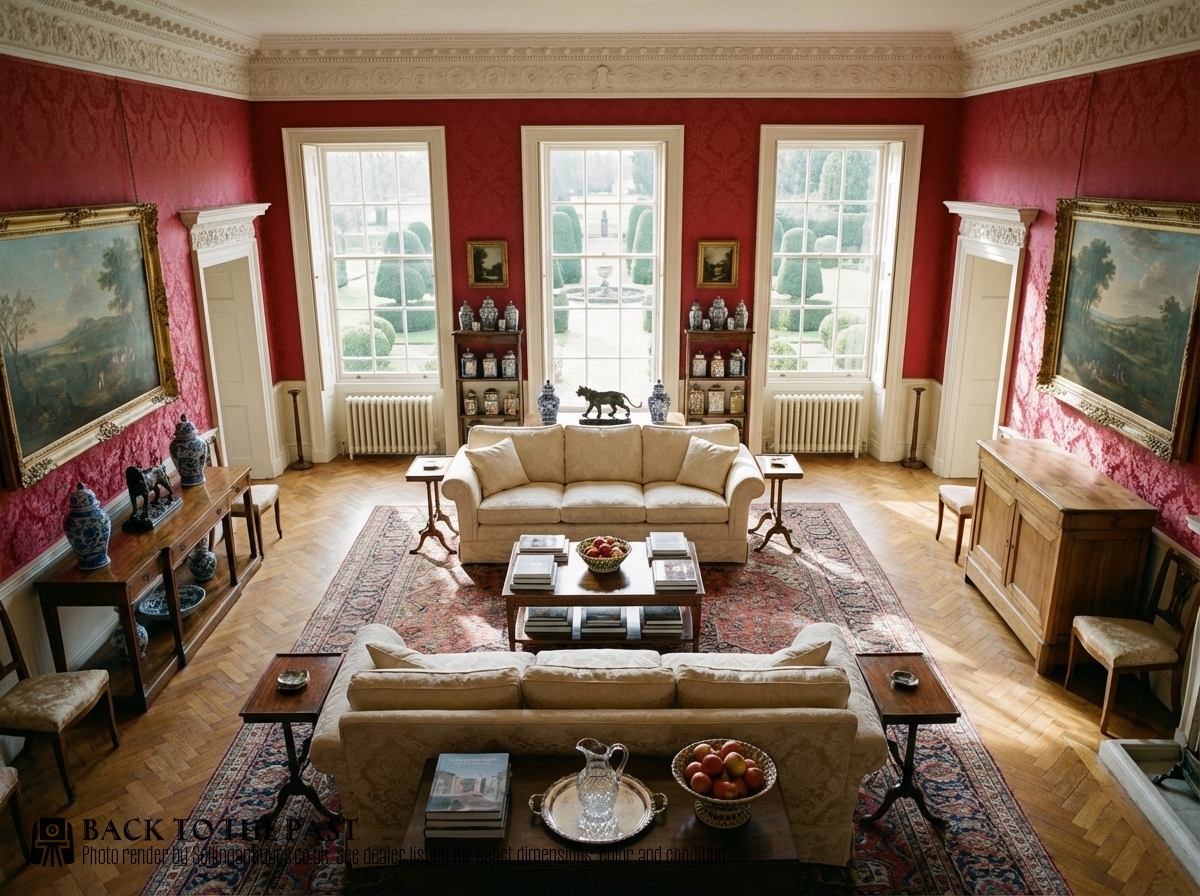
Antique French Storage Cupboard
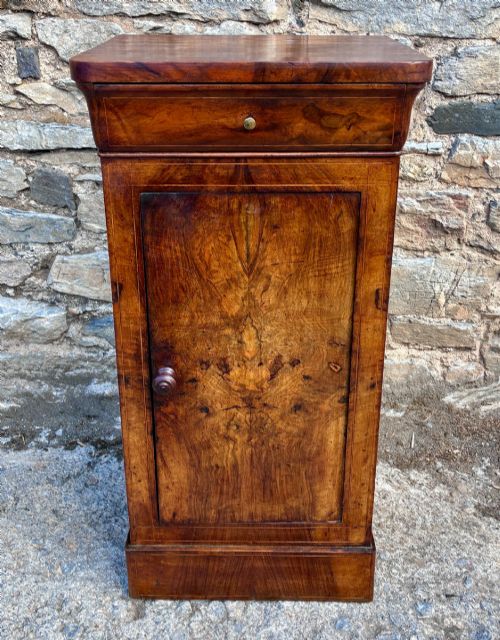
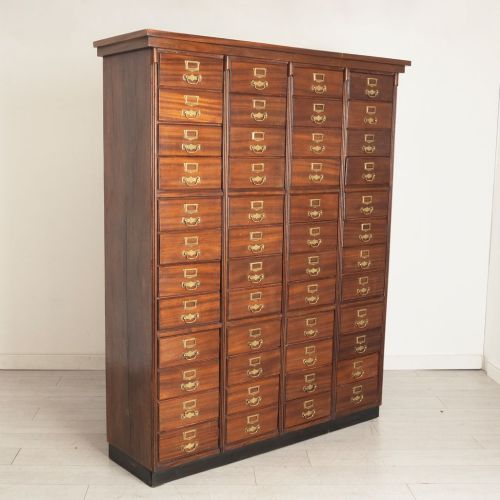
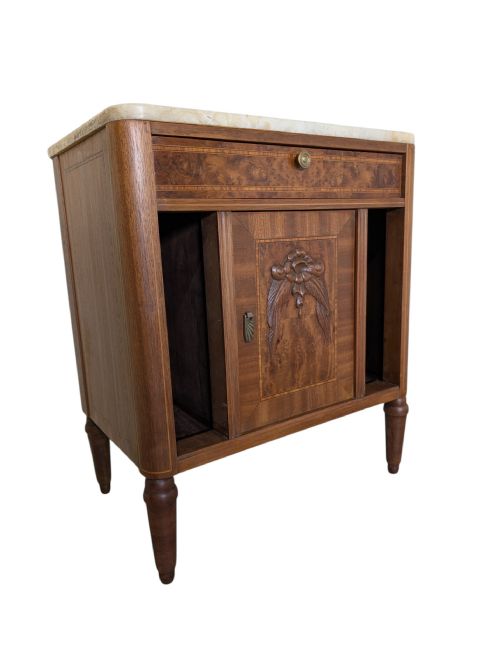
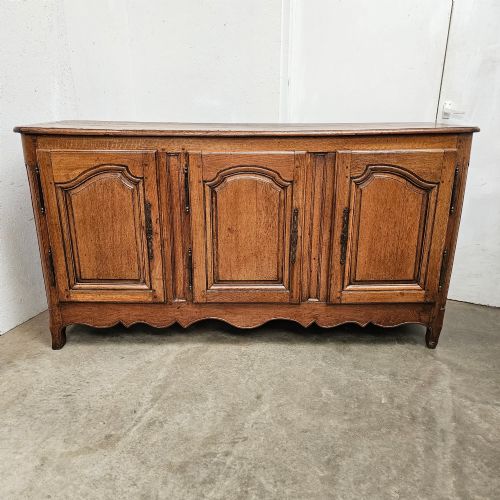
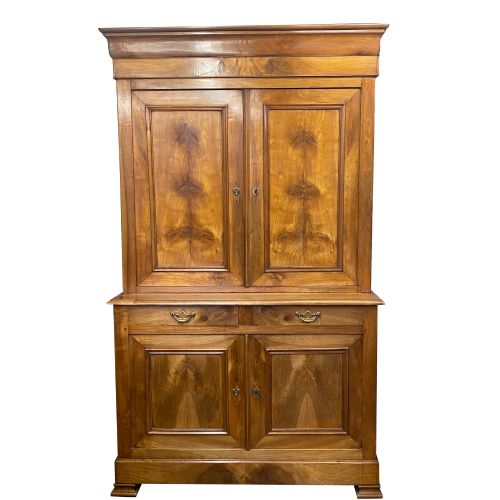
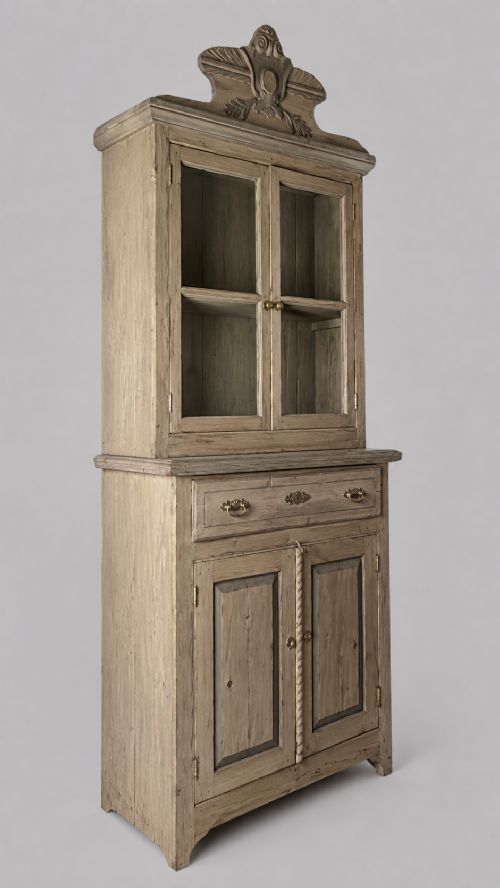
An antique french storage cupboard encompasses a diverse group of case furniture, ranging from tall housekeeper larders and house maid cupboards to smaller bedside cabinets and confiturier jam cupboards. These pieces originate across various regional workshops and urban centres, reflecting the domestic habits of the eighteenth, nineteenth, and early twentieth centuries.
Provincial oak armoires, walnut cabinets on chest, and painted pine food cupboards represent the primary forms met on this page. Buyers frequently select these items for practical storage utility in modern kitchens, hallways, and living rooms, balancing historical character with functional capacity.
The regional diversity spans heavy seventeenth and eighteenth century mountain cupboards and sacristy cabinets to later art nouveau music cabinets and art deco side cabinets. Pieces like cherrywood enfilades and mahogany inlaid cabinets demonstrate the wide geographical and stylistic scope available within French cabinet-making traditions.
Materials and Construction
Craftsmen built these storage pieces predominantly using solid regional timbers such as oak, walnut, pine, cherrywood, and fruit wood, occasionally incorporating exotic veneers like kingwood, rosewood, and burr elm. Structural joinery relied on traditional methods, including panelled doors, pegged joints, and dovetailed drawers, which ensured long-term durability for heavy domestic use.
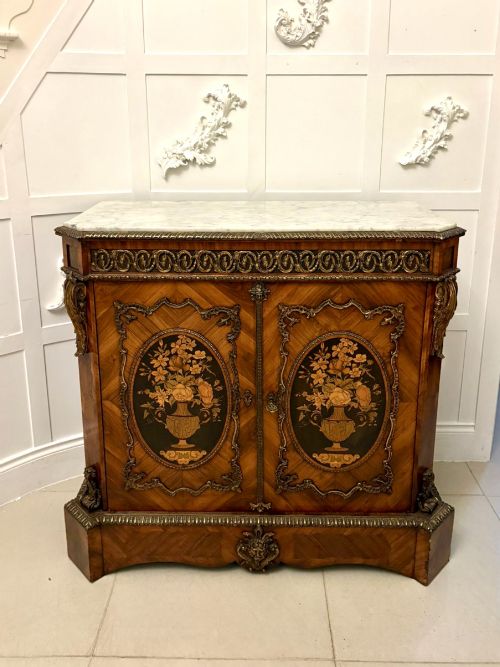
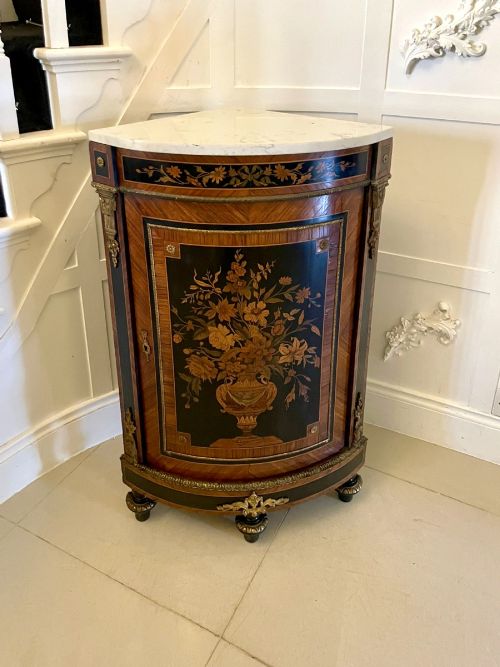
Surface decoration frequently involved intricate marquetry inlay, hand-applied paint layers, or polished wax finishes that highlighted the natural grain of the timber. Metal mounts in brass and ormolu, alongside marble tops, provided functional protection and decorative contrast on finer commodes, corner cabinets, and console tables.
Listings feature items spanning the eighteenth, nineteenth, and twentieth centuries, constructed from solid oak, walnut, pine, and marble.
Distinctions in Standard
The standard of an antique french storage cupboard depends significantly on the selection of primary timbers and the precision of the joinery. Superior examples display carefully matched grain patterns, tight structural joints, and original timber backs rather than later replacements.
Decorative elements heavily influence distinction, separating utilitarian kitchen larders from ornate salon pieces. Finely cast ormolu mounts, detailed marquetry, authentic period brass hardware, and intact marble tops elevate the visual weight and historical integrity of the cabinet.
The Antique French Storage Cupboard Glossary
- Enfilade
- A long sideboard or buffet featuring a continuous set of multiple doors or drawers along the front. This form typically served dining rooms for storing tableware and serving food.
- Confiturier
- A small French jam cupboard designed originally to store preserves and confit. These compact cabinets usually contain a single door and drawer, suited for bedside or hallway placement.
- Ormolu
- Gilded bronze applied as decorative mounts, feet, or handles on furniture. It gained widespread use during the eighteenth and nineteenth centuries to accent luxury cabinetry.
- Marquetry
- Inlaid wood patterns arranged to form decorative pictures or geometric designs on furniture surfaces. Craftsmen utilised contrasting veneer woods like walnut, kingwood, and rosewood to achieve tonal depth.
- Armoire
- A large freestanding wardrobe or cupboard featuring doors that open to reveal hanging space or shelving. Earlier provincial versions were constructed in sections for transport in rural homes.
Antique French Storage Cupboard: Frequently Asked Questions
Where should I place a large cupboard?
Large housekeeper cupboards and armoires function effectively in spacious kitchens, boot rooms, or hallways where substantial timber presence anchors the room. Their deep shelving provides practical storage for linens, crockery, or everyday household items.
Ensure adequate wall clearance and measure ceiling heights carefully before positioning tall pieces. Placing them away from direct heat sources protects the historic wood from drying and splitting over time.
How do I care for polished wood?
Maintain polished oak, walnut, and cherrywood surfaces by applying natural beeswax sparingly and buffing with a soft cloth. Avoid silicone sprays and excessive moisture, which can degrade historic wax and French polish finishes.
Keep wooden furniture out of direct sunlight to prevent uneven fading of the timber. Stable indoor humidity levels protect structural joints and prevent panel shrinkage.
Can I use these in modern kitchens?
Provincial oak cupboards, enfilades, and painted pine food cupboards integrate well into contemporary kitchens for storing dry goods, glassware, or tableware. Their generous proportions offer an alternative to fitted modern cabinetry while adding historical texture.
Ensure items intended for food storage have clean interior surfaces and well-fitting doors. Ventilated larder styles work particularly well for maintaining dry storage conditions.
How do I identify provincial furniture?
Provincial pieces typically display simpler lines, robust regional timbers like fruitwood or local oak, and less ornate carving than pieces made in major urban workshops. Regional makers adapted metropolitan styles to local materials and domestic needs.
Look for hand-tooled hinges, pegged frame construction, and subtle variations in carving that indicate rural craftsmanship. These characteristics distinguish country workshops from formal Parisian cabinet makers.