
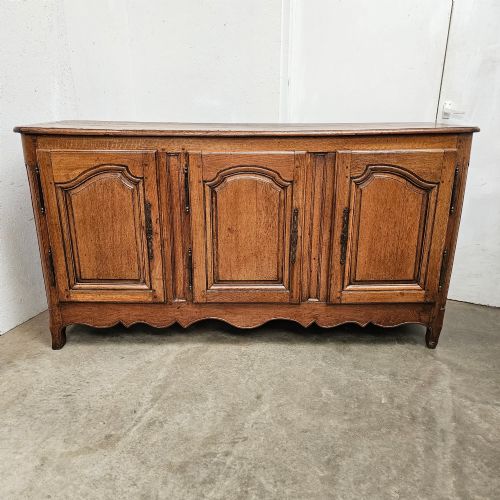
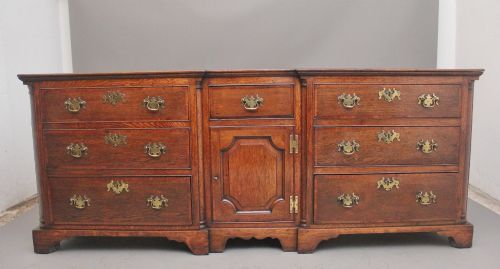
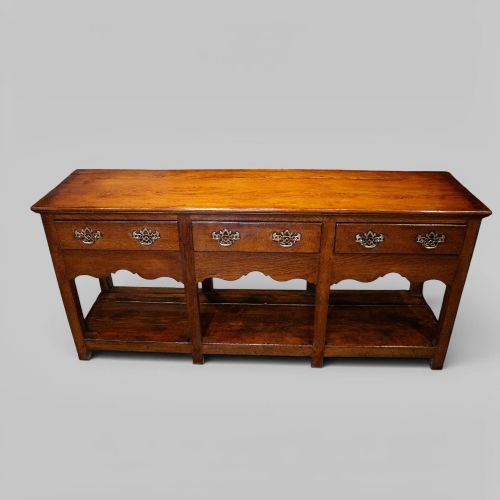


Antique Provincial Buffet Base
An antique provincial buffet base anchors a dining room or kitchen with practical storage and honest construction.
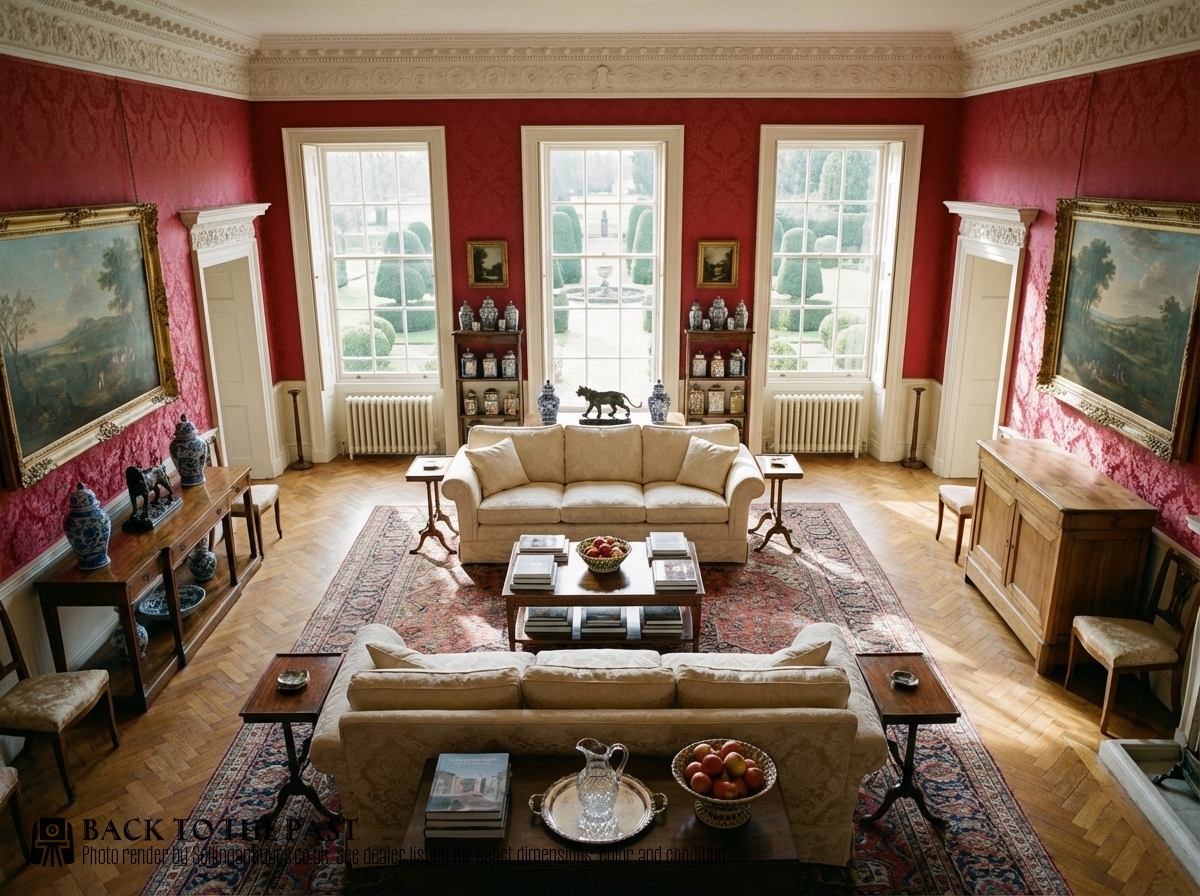
Antique Provincial Buffet Base
When you search for an antique provincial buffet base, you are looking at substantial storage furniture originating from regional workshops rather than metropolitan centres. These pieces serve as functional servers, sideboards, and cupboards designed for daily domestic use.
The selections available here span the eighteenth and nineteenth centuries, taking forms such as dresser bases, enfilades, and housekeepers' cupboards. Oak, fruitwood, cherrywood, and burr elm predominate across French, Italian, and English country traditions.
You will most frequently encounter low buffet bases and dresser bases featuring multi-drawer configurations and panelled doors. These regional variations offer deep proportions and robust timbers suited to both traditional and modern interiors.
Materials and construction
Cabinet makers built these pieces using solid regional hardwoods including oak, cherrywood, fruitwood, and chestnut. Timbers were selected for durability and local availability, often showing natural grain patterns and rich patination developed over centuries.
Construction relied on traditional joinery techniques such as mortise and tenon frames, pegged joints, and hand-cut dovetails for drawers. Iron, steel, and brass hardware, including hinges and drop handles, were hand-forged or cast to secure heavy panelled doors.
Housemaids scrubbed these scrubbed-top boards daily, leaving timber surfaces polished smooth by generations of soapy water and coarse brushes.
Judging quality and character
Quality in these regional pieces rests upon the selection of timber and the integrity of the original structure. Dense oak, figured burr elm, and well-matched fruitwood distinguish superior examples from standard utility pieces.
The survival of original surface patination, ironwork, and brass fittings dictates the desirability of a buffet base. Hand-cut dovetailing and undisturbed panel construction reveal the competence of the regional workshop that produced it.
The Antique Provincial Buffet Base Glossary
- Enfilade
- A long sideboard or buffet featuring three or more doors in a line, common in French provincial dining rooms. This form provides extensive surface area and low-level storage.
- Dresser base
- A low cabinet or sideboard featuring drawers above cupboards or an open pot board. It functioned as a primary food preparation and serving surface in country houses.
- Pot board
- An open lower shelf built into the base of a dresser to store heavy pots and kitchen utensils. It stabilises the legs and distinguishes country furniture from formal urban cabinetry.
- Fruitwood
- Timber milled from fruit-bearing trees such as cherry, pear, or apple, utilised by provincial cabinet makers. It yields a warm tone and smooth texture that deepens with age.
- Burr elm
- A highly figured timber harvested from growths on elm trees, prized for swirling grain patterns. Cabinet makers used it selectively for drawer fronts and primary panels.
Antique Provincial Buffet Base: Frequently Asked Questions
What is a provincial buffet base?
A provincial buffet base is a low regional storage cabinet or sideboard typically fitted with drawers and doors. Makers in rural workshops constructed them from local hardwoods for domestic utility.
These pieces served as practical surfaces for preparing and serving food while storing household linens and tableware.
How do I date an antique buffet base?
Dating relies on examining construction methods, timber selection, and hardware styles across the piece. Hand-cut dovetails, pegged joints, and forged iron fittings point towards eighteenth and nineteenth-century origins.
Comparing panel thickness and tool marks helps differentiate earlier regional work from later revival styles.
Where were these buffets made?
These buffet bases originated in rural regions across France, Italy, and England. Local craftsmen utilised timbers native to their specific countryside.
French provincial, Italian country, and English vernacular traditions each imparted distinct proportions and moulding profiles to the furniture.
How do I care for solid wood furniture?
Maintain antique timber by keeping it away from direct heat sources and sudden humidity changes. Regular dusting with a dry cloth preserves the waxed surface.
Apply a natural beeswax polish occasionally to nourish the grain without building up heavy chemical residues.