




Antique French Polished Table
These pieces known as an antique french polished table bring warmth and heritage into a room through deep timber grains and traditional finishes.
Antique French Polished Table
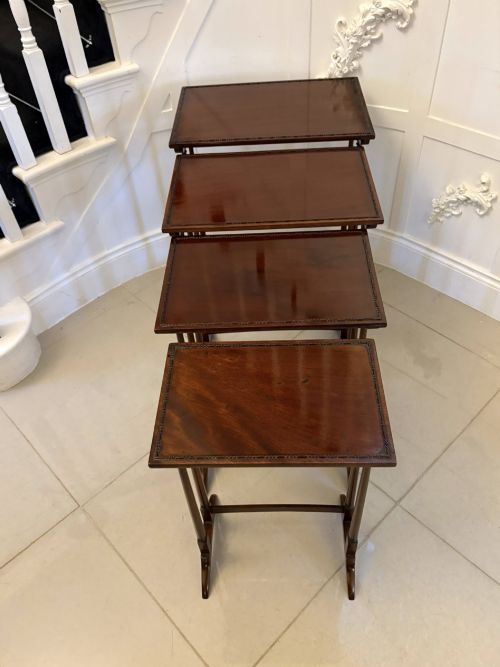
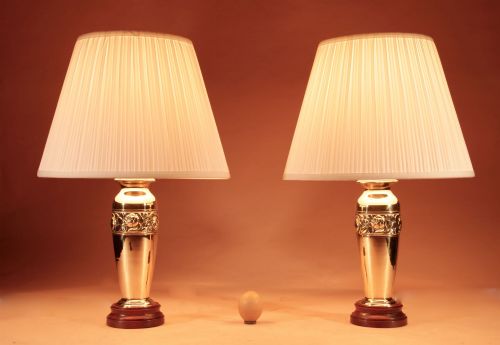
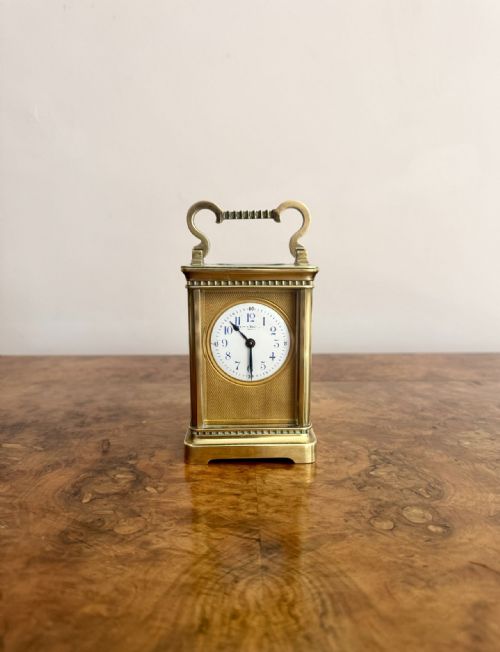
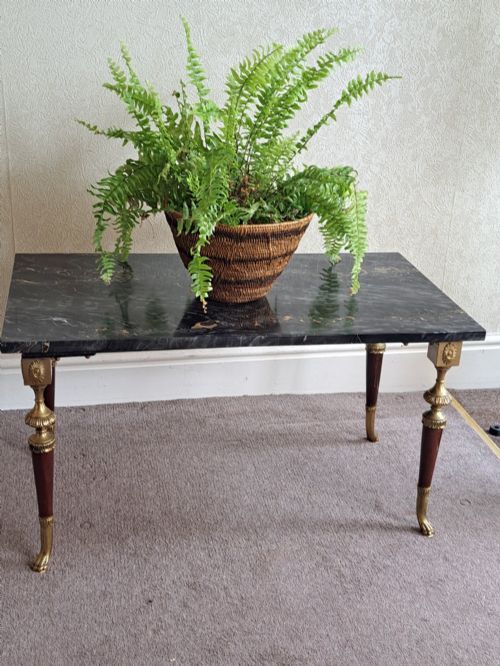
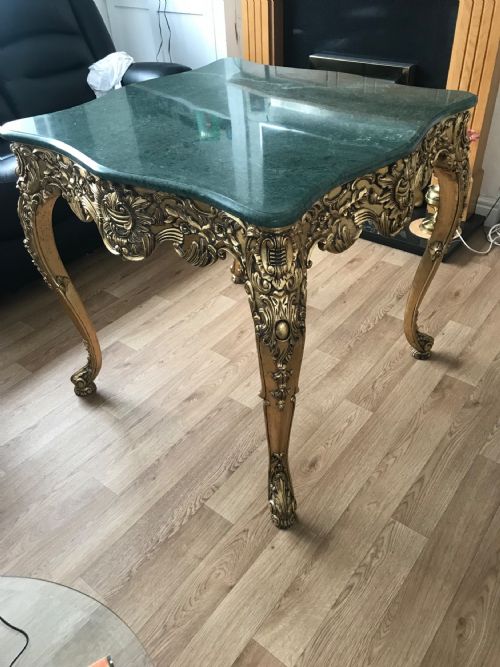
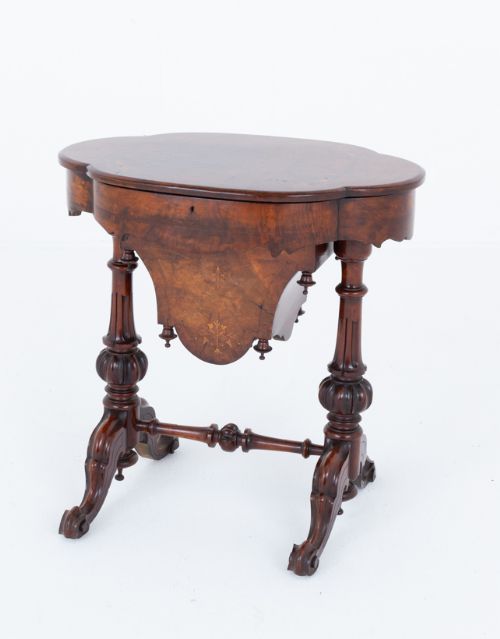
When someone searches for an antique french polished table, they are looking for a surface that carries the characteristic sheen built up through repeated applications of shellac. These pieces appear in forms such as centre tables, nests of tables, occasional tables, coffee tables, console tables, and sewing tables. The selection ranges from Victorian burr walnut and amboyna mounted designs to Edwardian nests and later walnut or satinwood occasional pieces.
The most common examples on this page date from the nineteenth century through the early twentieth century, spanning Victorian, Edwardian, and Art Deco periods. Makers and workshops from these eras utilised rich timbers like rosewood, mahogany, walnut, and calamander, often pairing them with marble tops, brass mounts, or boxwood stringing. Each form serves a distinct domestic purpose, from the imposing central placement of a console or centre table to the adaptable utility of a nest.
How they were made
Cabinetmakers constructed these tables using solid hardwoods and decorative veneers such as burr walnut, rosewood, and satinwood applied to sturdy foundational carcases. Artisans built up the signature polished surface using shellac flakes dissolved in methylated spirit, applied with a cloth pad known as a rubber in thin, circular strokes. This demanding process required patience between coats to achieve a smooth, transparent gloss that highlights the natural grain of the wood.
Detailing often included contrasting inlay like boxwood stringing, applied ormolu mounts, or solid marble inserts fitted securely into timber frames. Joinery relied on traditional methods such as dovetails and mortise and tenon joints to ensure structural stability alongside decorative refinement. The resulting construction combined durable timber framing with a delicate, lustrous exterior finish.
Listings feature periods from the Victorian era through the 1960s, using materials including burr walnut, marble, brass, and rosewood.
What varies in quality
Quality in these pieces depends fundamentally on the selection of timber and the depth of the polish. Tables featuring richly figured burr walnut, calamander, or amboyna sit at the upper end of the range compared to simpler domestic hardwoods. The execution of the french polish itself dictates visual success, where a deep, mirror-like lustre achieved through traditional shellac application distinguishes superior craftsmanship from flat or dull surfaces.
Construction details further separate standard examples from finer works. The presence of crisp boxwood stringing, substantial marble tops, and precise ormolu or brass mounts indicates a higher tier of production. Structural integrity in the joints and the crispness of turned or carved elements complete the distinction between ordinary utility items and exceptional cabinetwork.
Gillows·Brille, Paris·J C Vickery, London
The Antique French Polished Table Glossary
- French polish
- A technique of applying many thin coats of shellac dissolved in alcohol using a padded rubber to create a high-gloss finish. This method enhances the grain and colour of the underlying timber.
- Burr walnut
- A prized timber harvested from walnut tree growths, known for its swirling, highly decorative grain patterns. Cabinetmakers used it as a veneer on prominent table surfaces.
- Centre table
- A freestanding table designed to be viewed from all sides and placed in the middle of a room rather than against a wall. These often feature elaborate marquetry or polished tops.
- Occasional table
- A small, versatile table intended for minor domestic tasks or decorative display. These appear frequently in various nineteenth and twentieth-century styles.
- Ormolu
- Gilded bronze ornamentation applied to furniture and decorative objects during the eighteenth and nineteenth centuries. It provides a bright, metallic contrast to dark woods like rosewood or mahogany.
Antique French Polished Table: Frequently Asked Questions
What is french polishing?
French polishing is a traditional wood finishing technique that builds a deep, glossy surface by applying multiple thin layers of shellac with a soft pad.
This method produces a distinctive sheen that accentuates the natural grain and rich colour of timbers such as walnut, mahogany, and rosewood.
How do I care for my table?
Protect the polished wooden surface from direct sunlight and excessive heat, which can damage the delicate shellac layer over time.
Use coasters under glasses and dust regularly with a soft, dry cloth rather than applying silicone-based polishes.
Where should I place a centre table?
A centre table is designed to stand free in the middle of a room, allowing it to be seen and accessed from all sides.
Ensure there is sufficient walking space around the perimeter so the piece functions properly as both a visual focal point and a usable surface.
How do I identify Victorian tables?
Victorian tables typically exhibit heavier proportions, darker timbers like burr walnut and rosewood, and robust construction methods suited to nineteenth-century domestic life.
Stylistic markers often include turned pedestals, carved legs, and traditional french polished finishes.