

Antique French Plate
When you search for antique french plate, you enter a diverse category encompassing porcelain display items, silver-plated wares, and reflective mirror glass.
Antique French Plate
The term antique french plate covers a broad spectrum of objects, including decorative porcelain cabinet plates, hand-painted chargers, tin-glazed faience dishes, and metallic mirror plates. Buyers searching this phrase encounter dining wares alongside reflective glass surfaces and architectural mirrors.
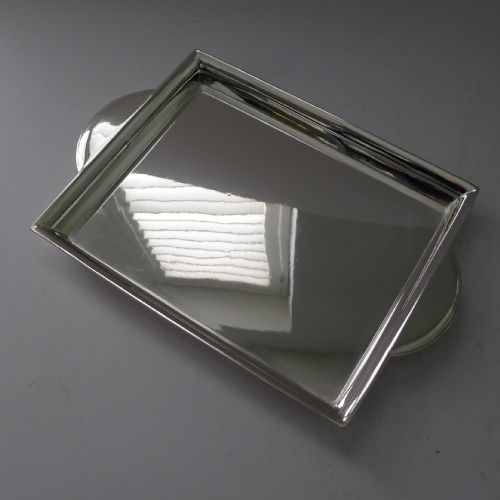
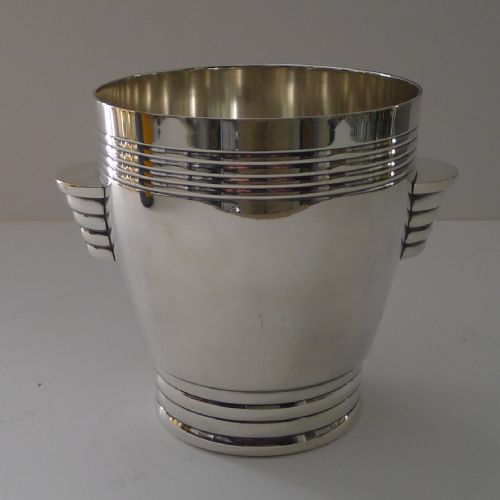
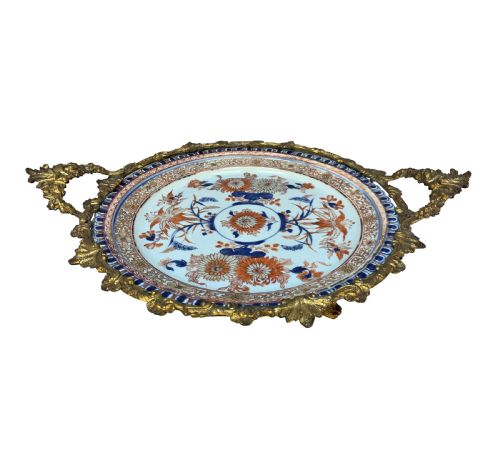
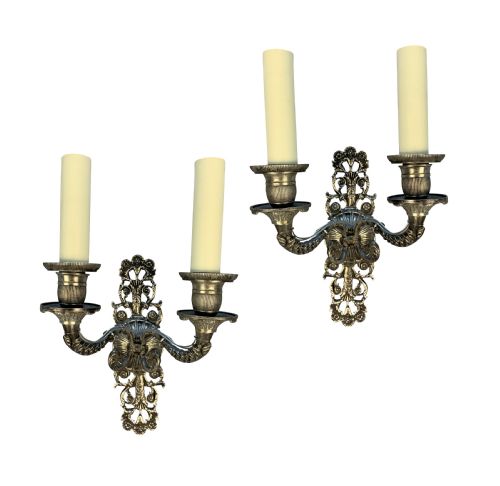
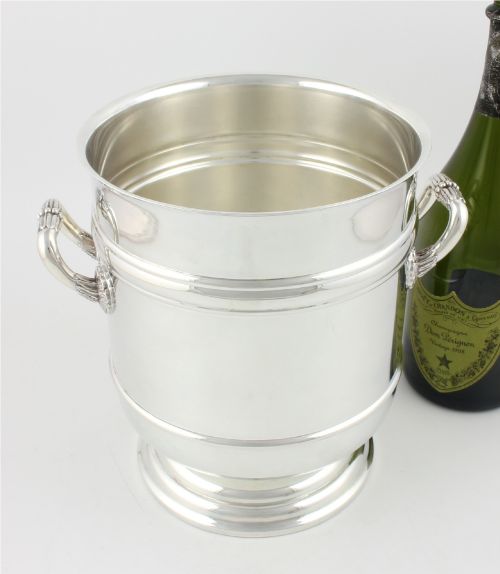
Ceramic pieces range from soft-paste porcelain dinner plates to traditional Quimper and Desvres faience dishes. Metal wares incorporate silver-plate, ormolu, and nickel plating, frequently manifesting as serving trays, coolers, and candelabra.
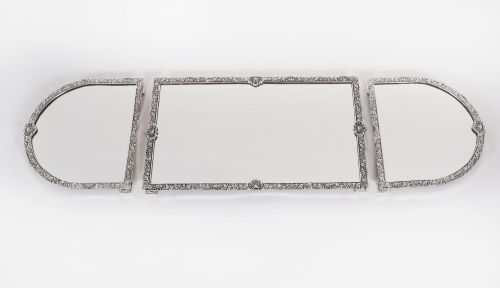
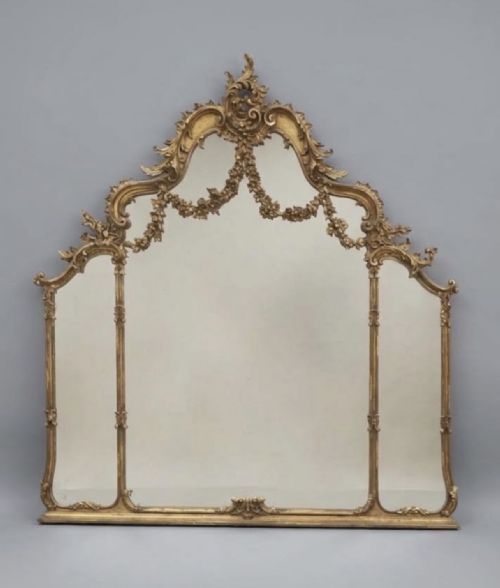
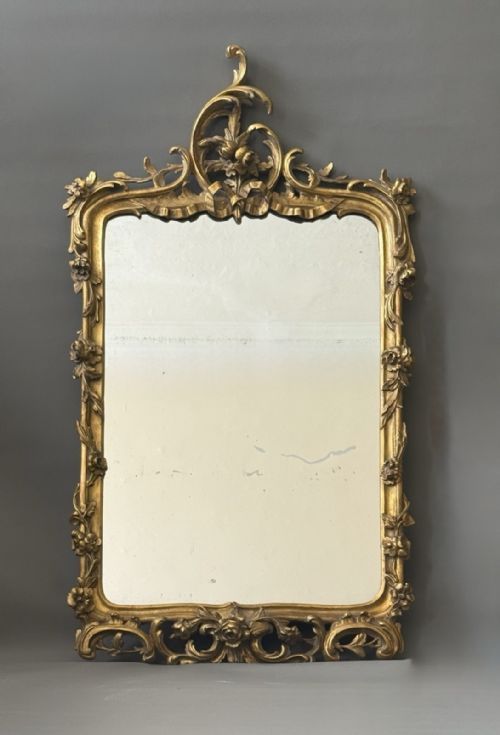
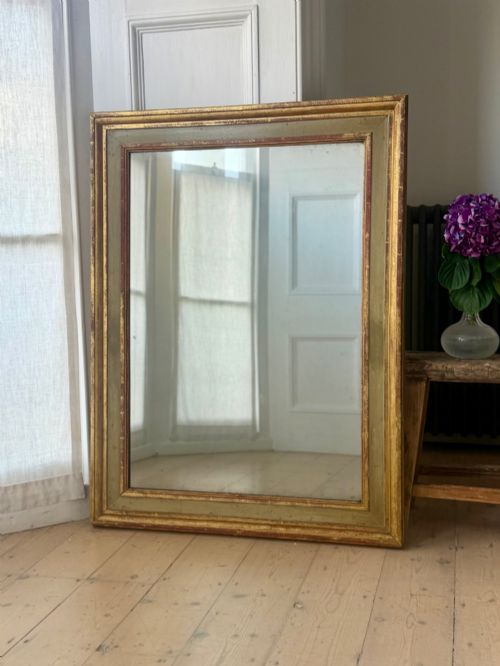
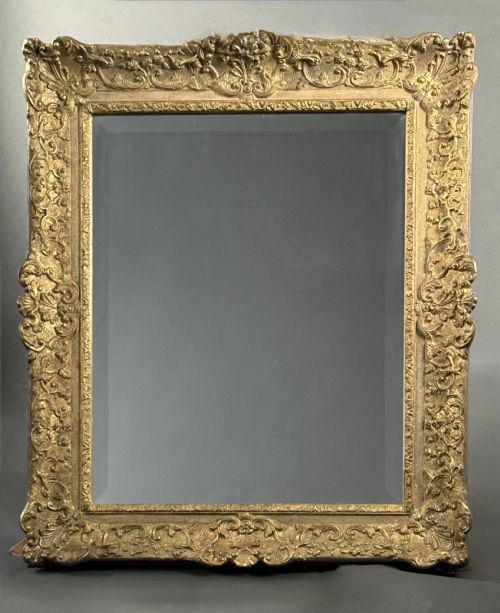
Reflective items form a substantial portion of the selections, stretching from small vanity tray mirrors to large giltwood overmantel and pier mirrors utilising mercury glass or bevelled plates. These pieces span various historical periods, predominantly the eighteenth and nineteenth centuries, carrying aesthetic influences from Rococo to Art Deco.
Materials and construction techniques
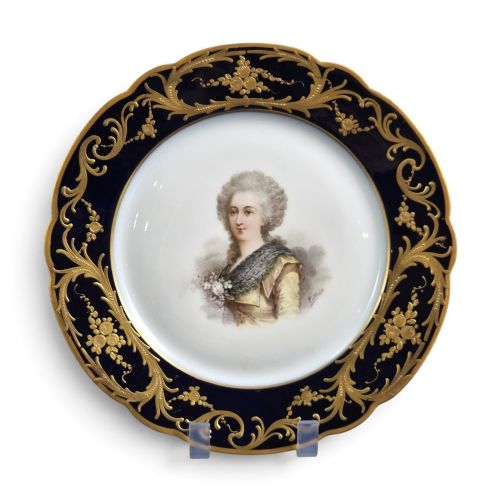
Ceramic items rely on traditional firing methods, utilising soft-paste porcelain or tin-glazed earthenware bodies hand-painted with cobalt blue, polychrome enamels, or Chinoiserie motifs. Porcelain examples frequently feature gilt highlights and hand-rendered portraits or armorial designs.
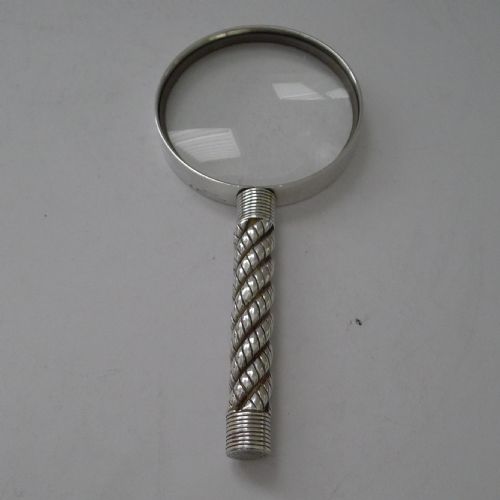
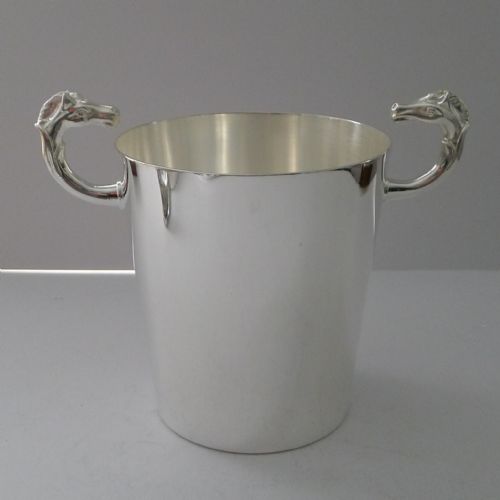
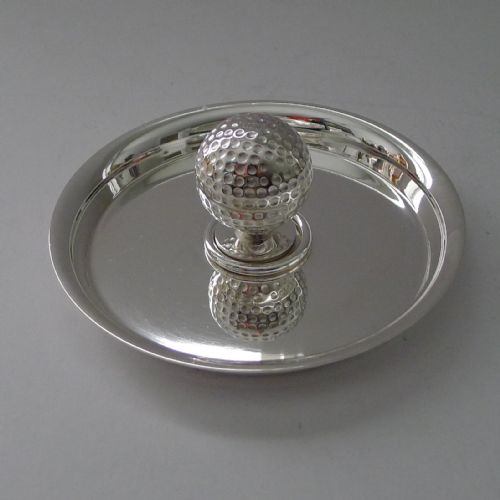
Metal objects utilise base metals such as copper, bronze, or brass treated with silver plating, gold plate, vermeil, or nickel plating. Hollowware and trays are often shaped by silversmiths working for established metalwork houses.
Mirrors employ carved wooden frames finished with gesso and gold leaf or paint, housing silvered mirror plates or older mercury glass sheets. These frames display intricate moulding and carving characteristic of French revival styles.
Listings feature items spanning the eighteenth century through to the mid twentieth century, encompassing silver plate, porcelain, and gesso.
Assessing craftsmanship and condition
Quality manifests in the crispness of hand-painted details on ceramics and the precision of the underlying glaze. Superior porcelain pieces display fine brushwork, delicate gilding, and well-preserved armorial or portrait details.
In metalwork, the durability of the silver or gold plating and the weight of the underlying metal distinguish standard items from exceptional productions. Maker attribution to notable silversmiths or porcelain manufactories elevates the standing of an object.
For mirrored pieces, the integrity of the original mercury glass or bevelled glass plate, alongside the depth and retention of hand-carved gesso on the wooden frames, determines the overall standard.
Christofle·Hermes Paris·Rene Lalique·Japy Freres
The Antique French Plate Glossary
- Faience
- Tin-glazed earthenware produced in France, often featuring hand-painted motifs in blue, yellow, or manganese. This ceramic type includes regional wares from towns like Quimper and Desvres.
- Mercury glass
- A double-walled blown glass type silvered on the interior with a mercury amalgam mixture. It produces a distinctive reflective quality found in older mirrors.
- Ormolu
- Gilded bronze or brass mounts applied to decorative objects, furniture, and porcelain. The technique involves creating a mercury and gold amalgam fired onto the metal base.
- Soft-paste porcelain
- A ceramic composition fired at lower temperatures than hard-paste porcelain, resulting in a warmer texture and softer glaze. It was utilised extensively by eighteenth-century French factories.
- Giltwood
- Timber carved and coated with layers of gesso and gold leaf or metallic powder. This finish appears frequently on frames and architectural mirrors.
Antique French Plate: Frequently Asked Questions
What is antique french plate?
The term applies broadly to French decorative items finished with plating, flat ceramic plates, and reflective mirror plates. It bridges tableware, decorative ceramics, and interior mirrors.
Buyers encounter everything from hand-painted porcelain cabinet plates to silver-plated trays, hollowware, and antique wall mirrors featuring bevelled glass.
How do I identify mercury glass?
Mercury glass typically displays a cloudy, uneven reflective surface with tiny speckles trapped between the double walls of the glass. It lacks the uniform brightness of modern vacuum-silvered mirrors.
Older mirror plates often show characteristic dark oxidation spots and gentle warping along the edges of the glass.
What is the difference between faience and porcelain?
Faience is a tin-glazed earthenware that is opaque and slightly porous, traditionally decorated with hand-painted mineral pigments. Porcelain is a vitrified, hard or soft paste ceramic that is denser and rings when tapped gently.
Porcelain items in this category often feature refined portraits, armorial crests, and gilt borders, whereas faience tends toward folk art motifs and regional styles.
How were silver-plated items made?
Silversmiths applied layers of silver onto base metals like copper, brass, or Britannia metal using early plating techniques or electroplating. This allowed workshops to produce durable tableware and decorative objects.
Major Parisian makers refined these methods to create heavy trays, champagne coolers, and cutlery sets for domestic dining.