


Antique French Oval Frame
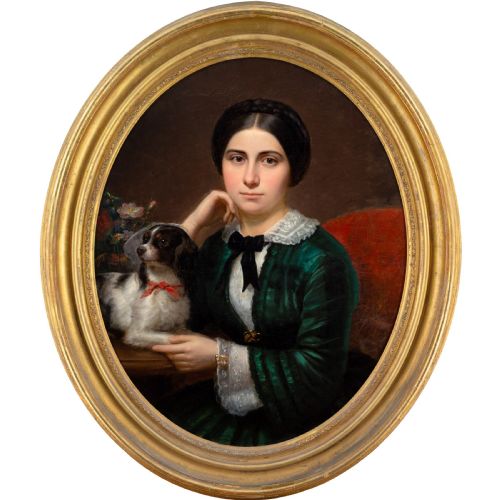
When you search for an antique french oval frame, you are looking at mirrors, paintings, and smaller photograph holders shaped by nineteenth and eighteenth century tastes.
Antique French Oval Frame
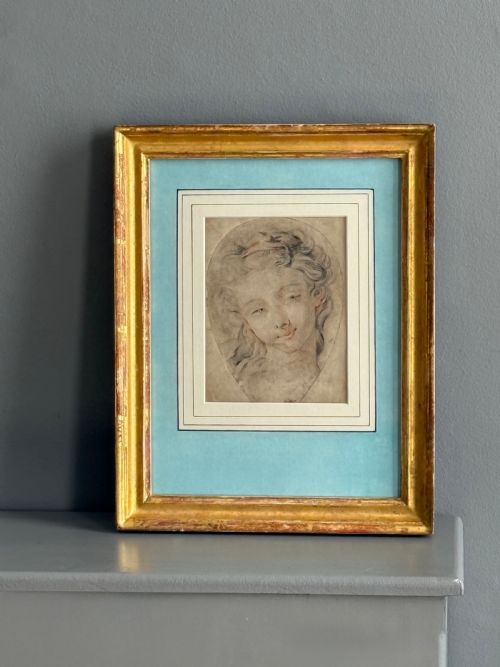
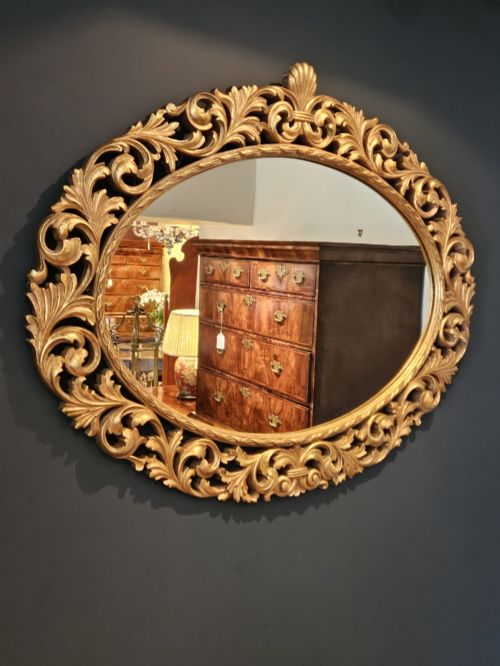
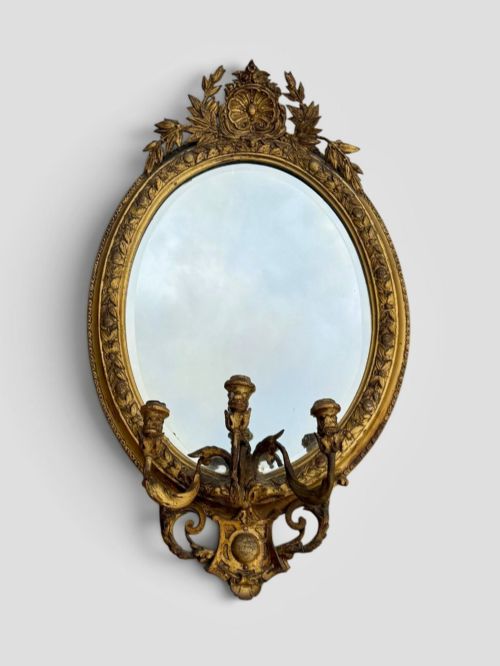
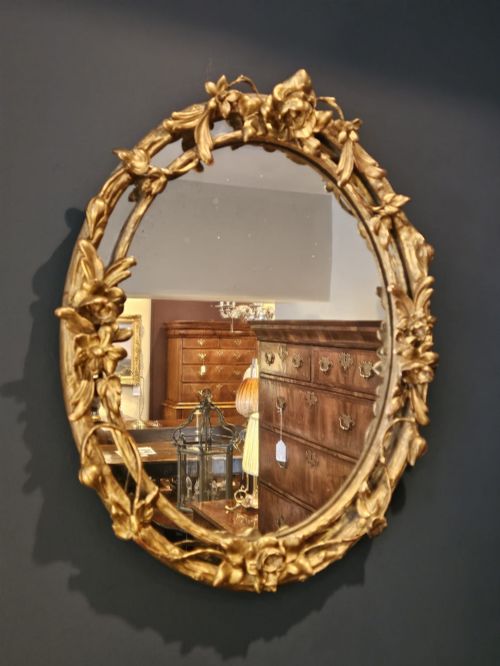
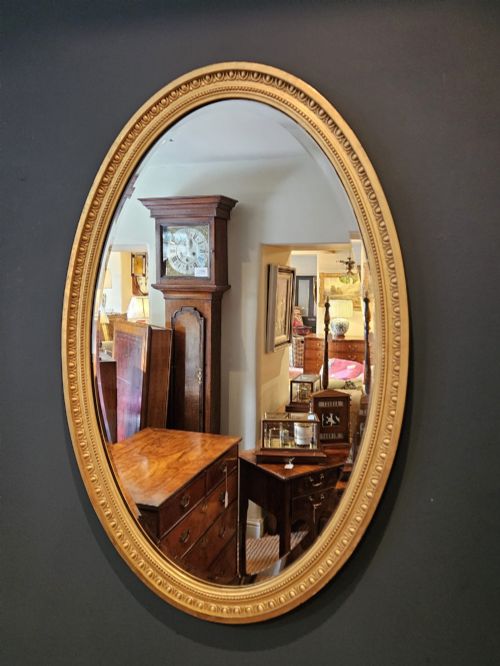
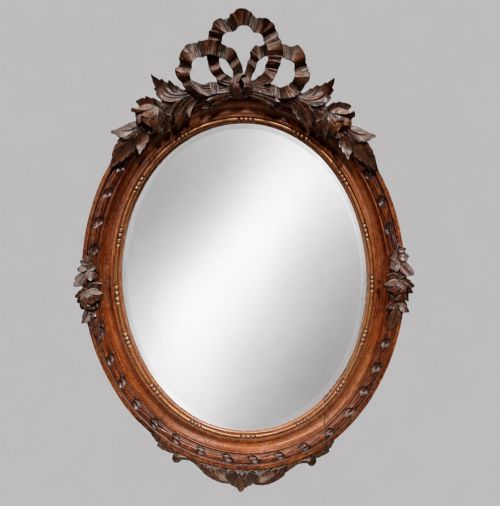
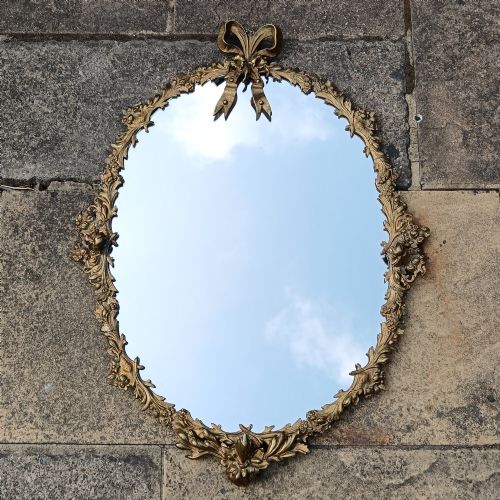
An antique french oval frame encompasses wall mirrors, picture holders, and miniature surrounds shaped in curved profiles. Most pieces appearing on this page belong to the nineteenth century, drawing on earlier decorative movements.
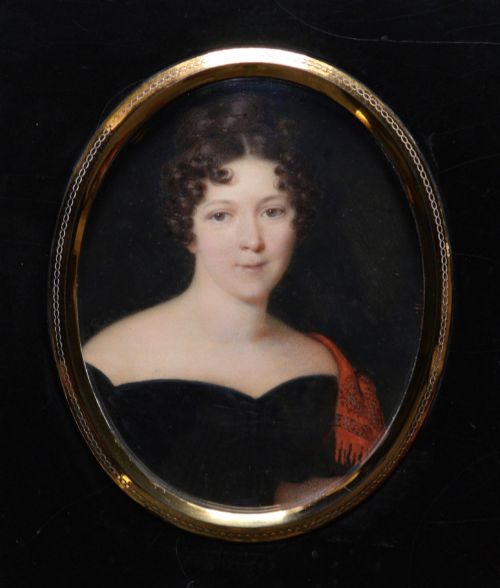
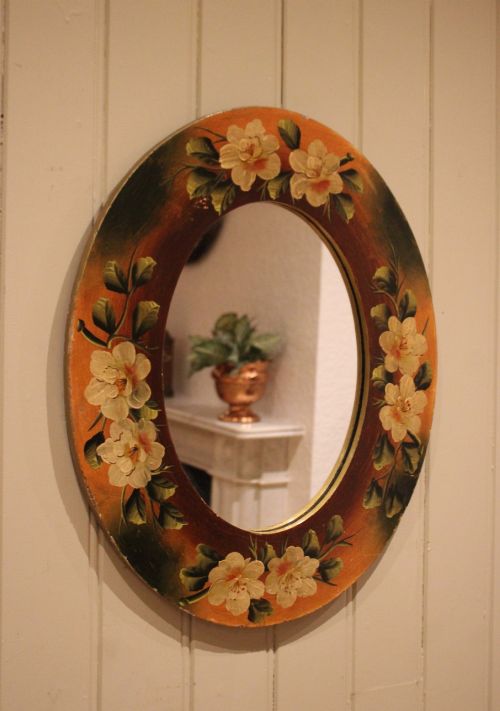
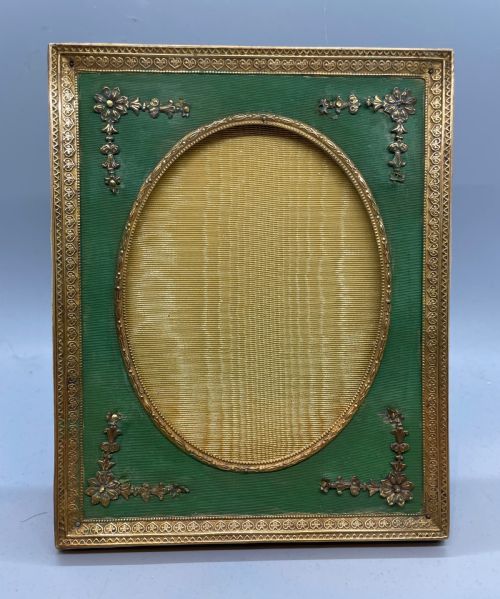
The objects serve diverse purposes, ranging from large wall and pier mirrors with giltwood decoration to compact bronze, brass, and velvet-backed photograph holders. Makers applied these curved borders to oil paintings, portraits, and painted silk panels.
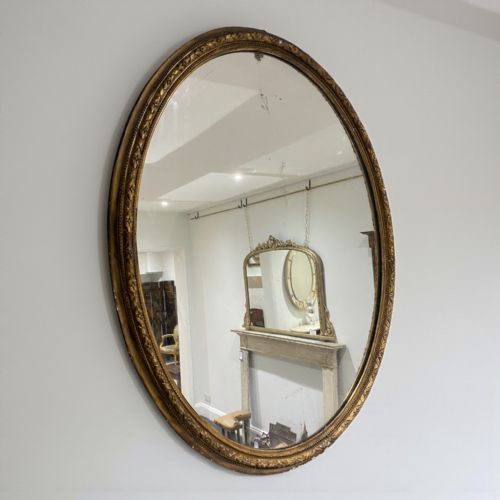
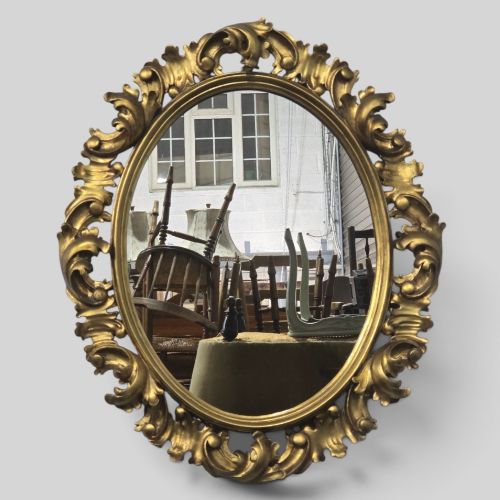
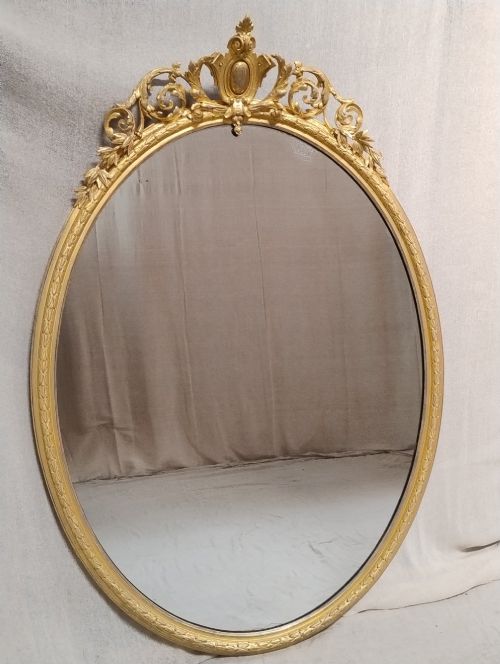
Buyers commonly encounter nineteenth-century giltwood and gesso wall mirrors displaying rococo or louis xvi revival characteristics. These items often originate from French workshops or British Victorian makers influenced by continental styles.
How They Were Made
Carvers built the structural foundations of larger wall mirrors from timber, applying layers of gesso to create high-relief ornamentation such as vine leaves, scrolls, and floral motifs. Artisans then laid gold leaf or paint over the prepared plaster surfaces to achieve a luminous finish.
Smaller metal items relied on cast bronze, brass, or ormolu, sometimes incorporating champlevé enamelling or mother-of-pearl inlays. Glass plates within older mirrors typically utilised mercury backing rather than modern silvering processes.
Listings feature items spanning the eighteenth, nineteenth, and early twentieth centuries, constructed from giltwood, bronze, brass, and painted wood.
What Varies in Quality
The crispness of the carved or cast ornament dictates much of the visual success in these pieces. Hand-carved wooden frames display deep, sharp undercut details, whereas lower-tier examples rely on mass-produced plaster composition mouldings that lose definition.
Originality of the components determines desirability among collectors. Surviving mercury glass plates, undisturbed original gilding, and intact backboards separate authentic period items from later assembled pieces.
Louis Icart·Joseph Vivienne
The Antique French Oval Frame Glossary
- Giltwood
- Wood that has been coated with a thin layer of gold leaf. This finish defines the majority of decorative frames from the eighteenth and nineteenth centuries.
- Gesso
- A plaster mixture applied to wood frames as a base for carving and gilding. It allowed artisans to fashion intricate scrollwork and floral reliefs.
- Mercury Plate
- An older mirror glass manufacturing method using a tin and mercury amalgam. This technique creates a characteristic mottled reflection distinct from modern silvered glass.
- Ormolu
- Gilt bronze ornamentation applied to furniture and decorative frames. The technique involves treating brass or bronze with a gold amalgam.
- Rococo Revival
- A nineteenth-century design style mimicking the asymmetrical curves, C-scrolls, and naturalistic shell motifs of the French eighteenth century. It appears frequently on Victorian and continental mirrors.
Antique French Oval Frame: Frequently Asked Questions
How do I date an antique frame?
Dating relies on examining the construction materials, joinery on the reverse, and the medium of the glass or artwork contained within. Earlier pieces often display hand-carved wooden frames and original mercury mirror plates.
Stylistic indicators also help narrow the timeline, as nineteenth-century revivals frequently borrowed heavily from eighteenth-century rococo and neoclassical vocabulary. Comparing the specific gesso work and fasteners on the back provides further clues to the exact decade of manufacture.
Were these always meant for walls?
While many surviving examples function as wall or pier mirrors, a significant number started as surrounds for portrait miniatures, paintings, or photographs. Smaller bronze and brass items were designed to sit on tables or desks.
Owners also utilised delicate oval frames for embroidered panels and painted silk. Examining the hanging loops or easel stands on the reverse usually clarifies the intended placement.
What is mercury glass?
Mercury glass refers to mirror plates produced by sliding a sheet of tin foil over liquid mercury and floating glass on top. This process yielded a distinctive, slightly greyish reflection with characteristic small dark speckles.
Finding an original mercury plate adds considerable historical interest to a mirror. Modern silvering replaced this toxic and labour-intensive technique by the late nineteenth century.
How should I hang a heavy gilt mirror?
Large carved timber and gesso mirrors require secure wall fixings distributed across the main structural frame rather than relying on old string or wire. Professional mirror hangers often utilise heavy-duty wall cleats screwed directly into wall studs.
Due to the weight of the dense timber and plaster construction, checking the wall integrity prevents accidental damage. Ensuring the hanging hardware takes the load evenly protects the delicate antique corners.