

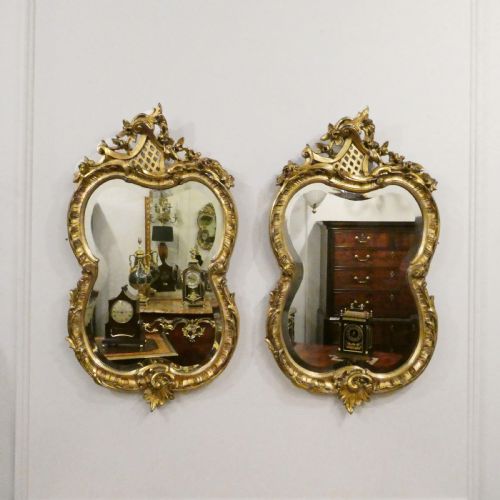
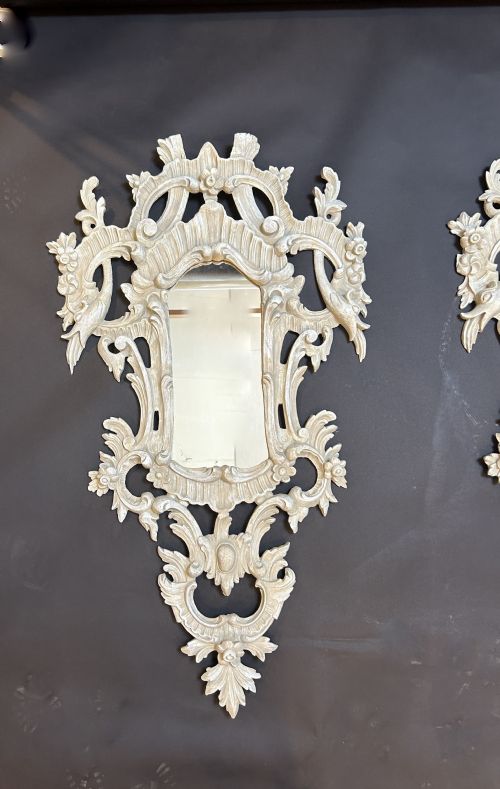
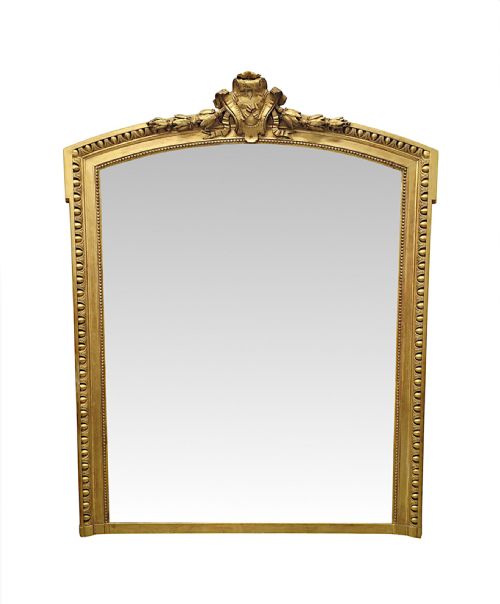
French Style Decorative Mirror
A french style decorative mirror brings gilded warmth and ornate presence to a room, drawing the eye with classic period craftsmanship.
French Style Decorative Mirror
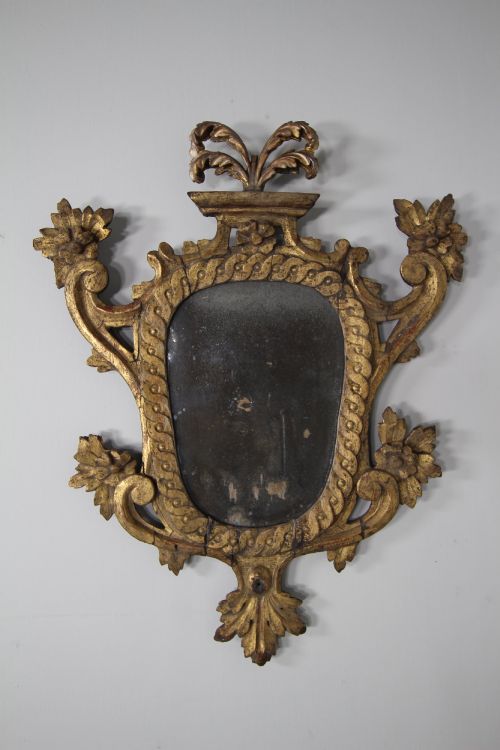
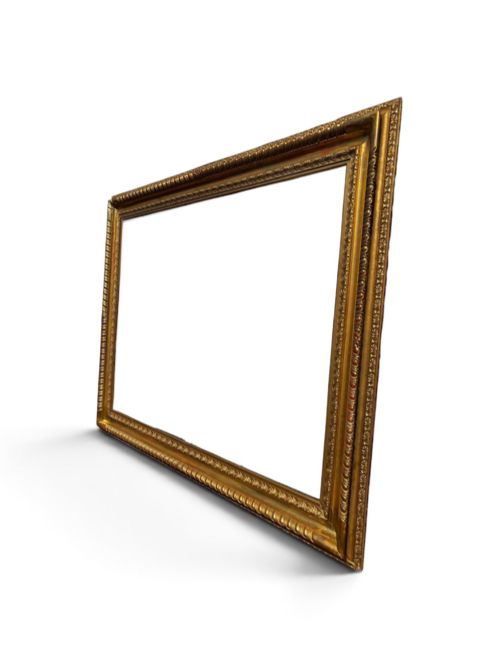
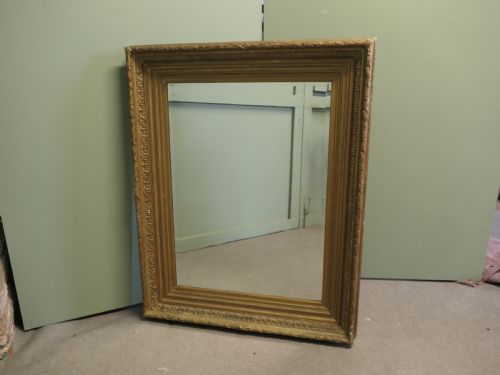
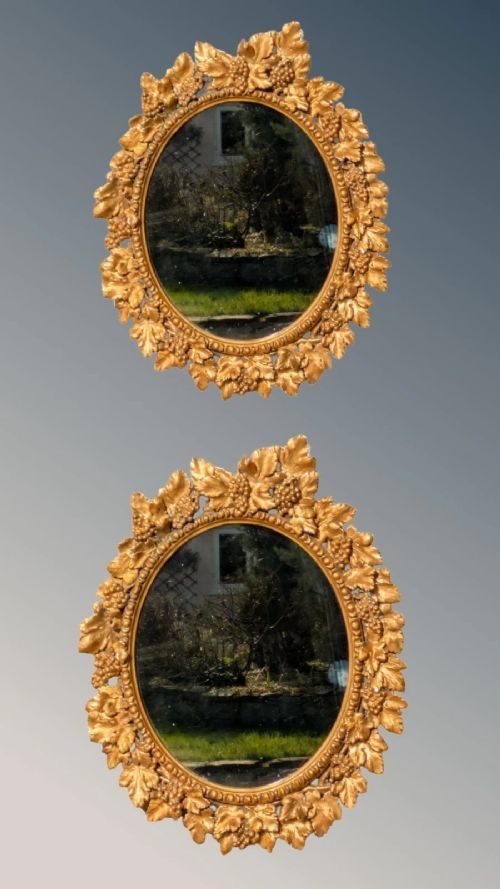
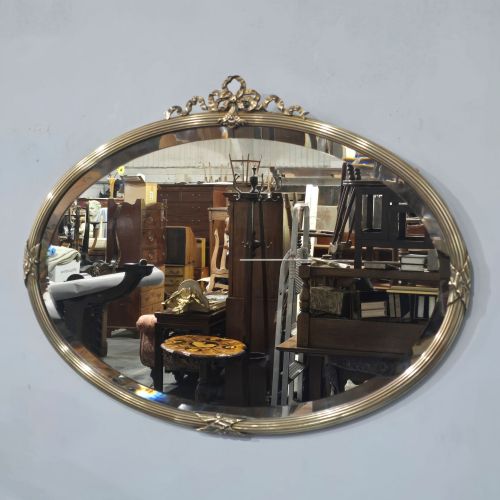
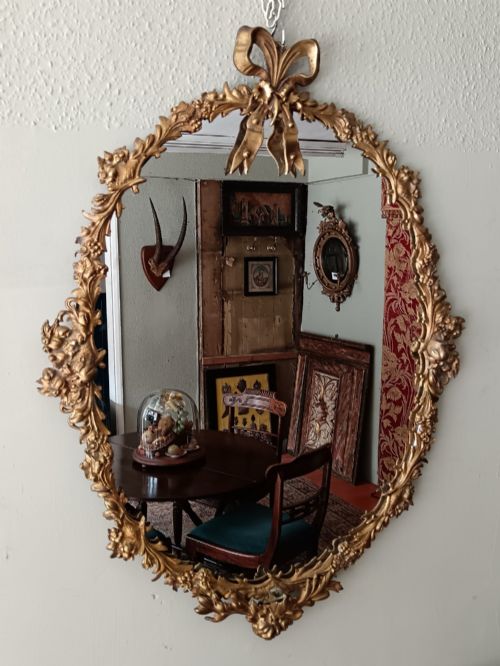
A french style decorative mirror encompasses large overmantles, grand wall pier glasses, and smaller oval or cartouche shapes designed for intimate spaces. These pieces span the nineteenth century and early twentieth century, showing influences from the Rococo and Louis XVI styles.
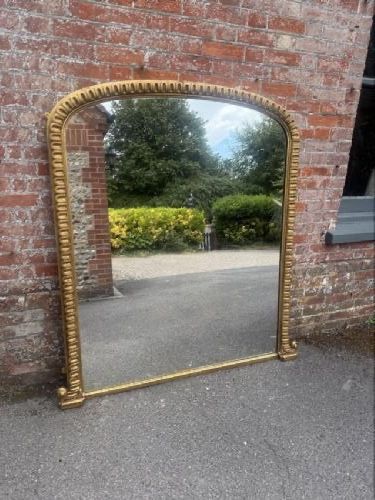
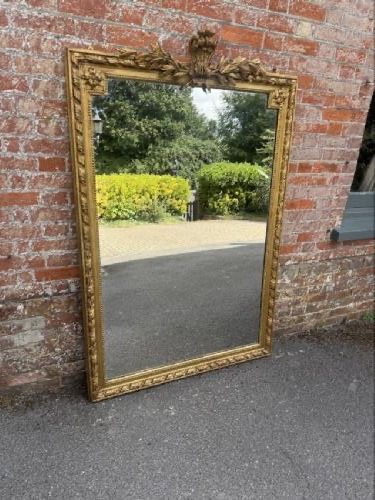
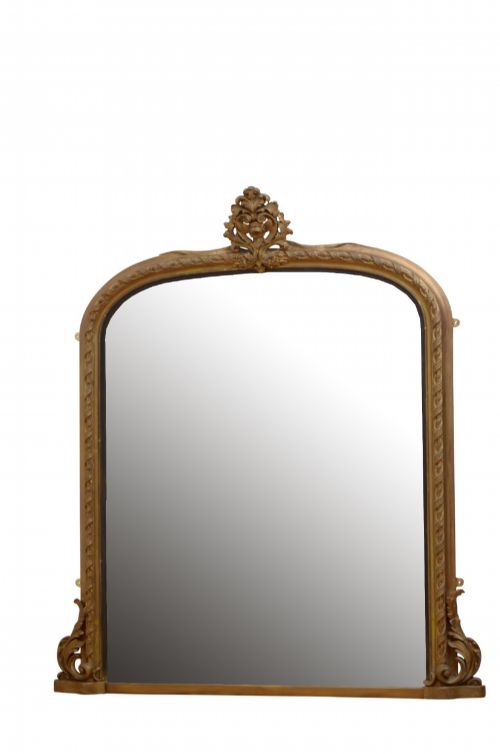
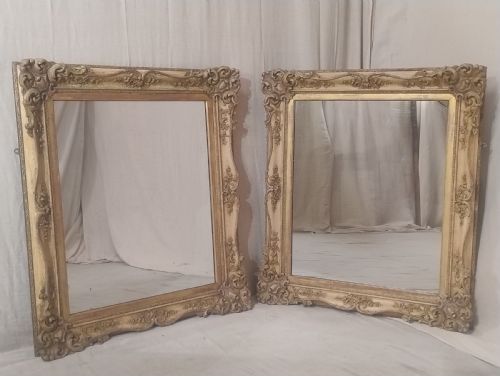
Makers and craftsmen produced works featuring arched tops, rope twist frames, and floral details intended to anchor a room as a statement piece. Overmantle mirrors dominate the selection, built wide to sit above a fireplace mantel or serve as a principal wall hanging.
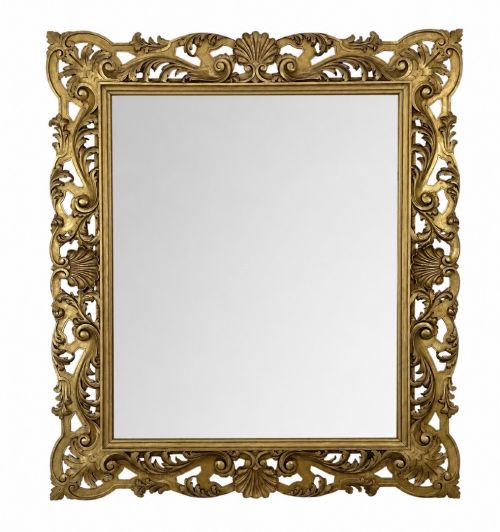
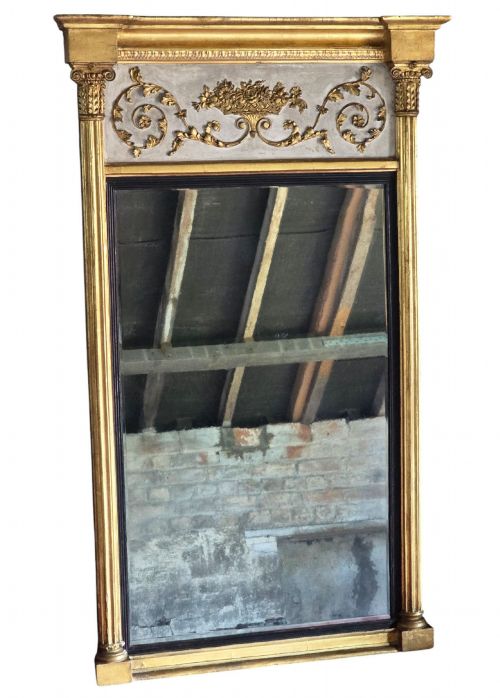
Continental and English interpretations appear across the selection, often employing giltwood and gesso to achieve ornate architectural framing. Pieces range from simple carved wooden borders to heavily decorated works with central cartouches and pediments.
Materials and Construction Techniques
Carved wood provides the structural foundation for many frames, frequently built from timber shaped into intricate curves and classical motifs. Gesso is applied over the wood substrate to build up relief details, creating smooth surfaces ready for gilding.
Gold leaf or liquid paint finishes give these frames their characteristic luminous quality, catching light across vine leaf carvings and moulded ribbons. Mirror glass sits within the rebate, occasionally replaced during the life of the piece while older plates show appropriate age and foxing.
Some nineteenth-century marriage mirrors include hidden symbols carved into the floral gesso to wish newlyweds prosperity and enduring happiness.
Evaluating Quality and Detail
The depth and crispness of the carved wood and gesso ornamentation separate standard frames from finer works. Superior examples display sharply defined relief work on acanthus leaves, cartouches, and rope twists without clogging in the recessed corners.
The application of gold leaf demonstrates the skill of the original gilder, showing subtle variations in tone rather than a flat modern sheen. Frame stability and the structural integrity of the corner mitres indicate how well the wood has seasoned over the decades.
The French Style Decorative Mirror Glossary
- Giltwood
- Wood covered with a thin layer of gold leaf. This material is characteristic of high-status decorative mirrors from the nineteenth century.
- Gesso
- A plaster mix applied to carved wood frames. It provides a smooth base for subsequent gilding and allows for intricate mouldings.
- Overmantle
- A large mirror designed to hang specifically above a fireplace mantel. These pieces frequently feature arched tops to fit architectural chimney breasts.
- Trumeau
- A decorative wall mirror incorporating a painted panel or artwork above the glass. This form originates from eighteenth-century French interior design.
- Cartouche
- An ornamental frame resembling a rolled-up scroll or tablet. It often forms the central decorative crest of a mirror frame.
French Style Decorative Mirror: Frequently Asked Questions
How do I hang a heavy overmantle mirror safely?
Large overmantle mirrors require professional wall fixings secured directly into masonry or structural timber studs. The weight of the timber and gesso frame demands sturdy brackets rather than standard picture hooks.
Position the mirror at a height that reflects natural light from windows across the room, balancing the proportion of the surrounding furniture.
Are original mirror plates common?
Many nineteenth-century mirrors retain their original glass, which often exhibits gentle foxing and age spots. These imperfections confirm the period authenticity of the piece.
Replacement glass occasionally appears in listings where the original plate broke or deteriorated beyond restoration over the decades.
What distinguishes Louis XVI style mirrors?
Louis XVI style mirrors feature straight lines, symmetrical proportions, and classical motifs such as ribbons, beads, and urns. This aesthetic contrasts with the curving asymmetry of earlier Rococo designs.
Craftsmen revived these classical forms during the nineteenth century for formal drawing rooms and salons.
How should I clean a giltwood frame?
Dust giltwood and gesso frames gently with a soft dry brush to prevent damage to the delicate gold leaf surface. Avoid liquid cleaners and chemical sprays which strip the historical finish.
Professional restoration is recommended if the gesso shows signs of cracking or lifting from the timber base.